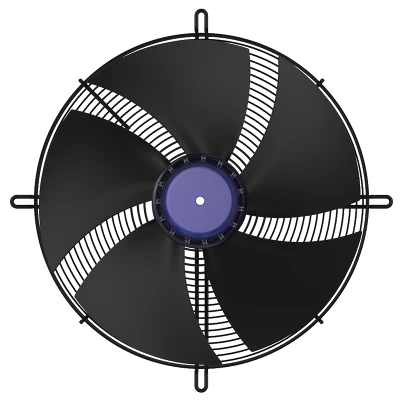
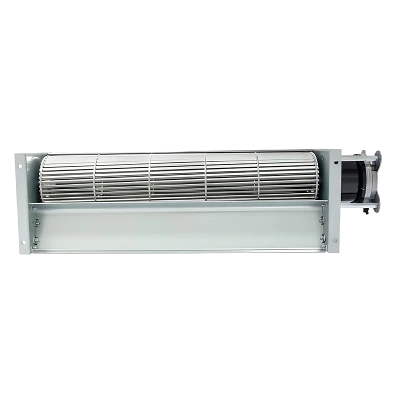
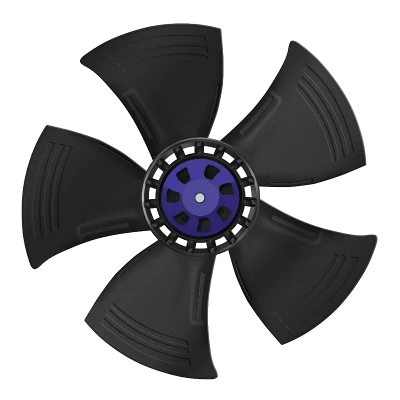
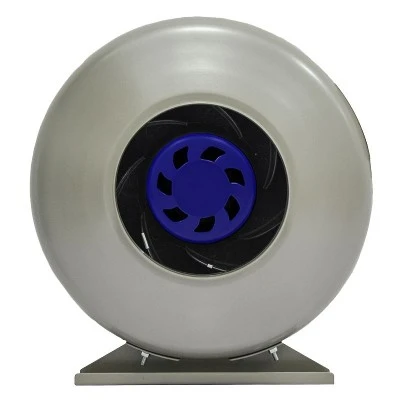

As a forward centrifugal fan supplier, I get asked this question all the time: "What's the real efficiency of forward centrifugal fans?" It's not a simple yes or no answer-efficiency here depends on design, motor type, application, and how you match the fan to your system. After years of working with engineers, HVAC technicians, and equipment designers, I've seen firsthand how understanding these factors can save you a ton on energy costs and keep systems running smoothly. Let's break it down.
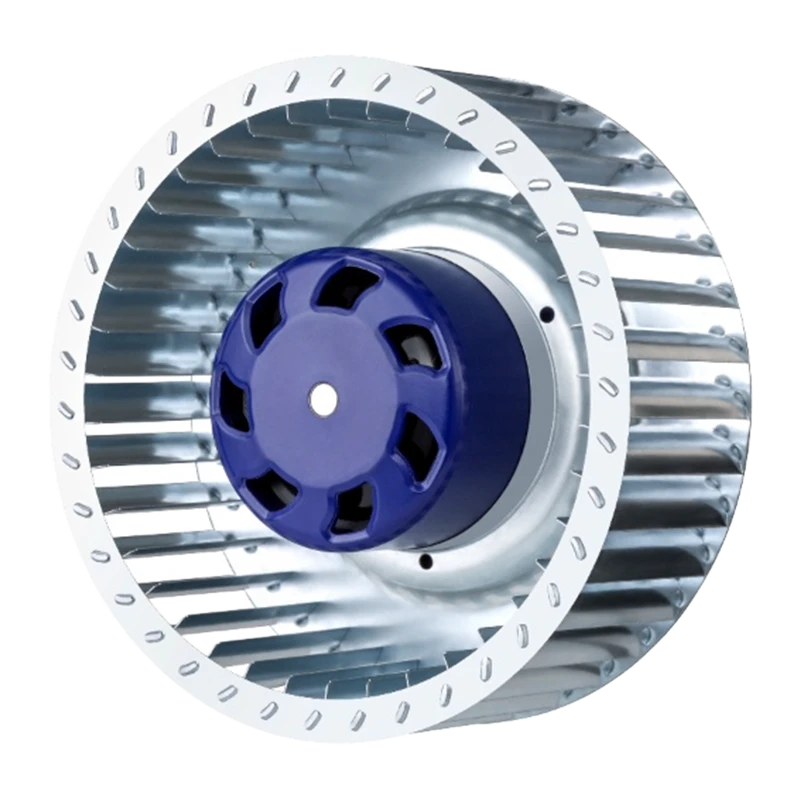
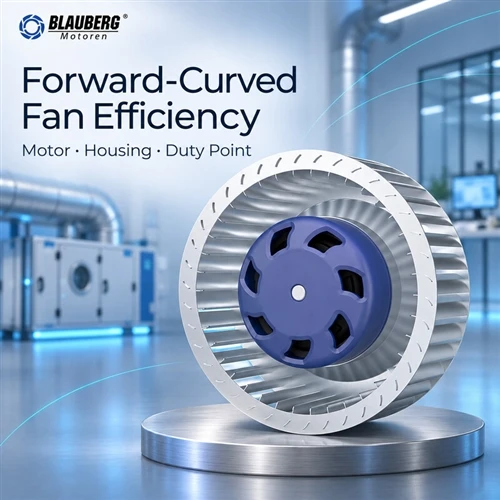
First, let's start with a basic definition to set the stage. Forward curved (or forward curved, sometimes called "forward leaning") centrifugal fans are different from backward curved or airfoil fans because their blades curve toward the direction of rotation. That design lets them move a lot of air at lower speeds, which makes them popular for HVAC units, air handling units (AHUs), air purifiers, and compact industrial equipment. But their efficiency isn't a fixed number-it's a range, and it's tied closely to how they're built.
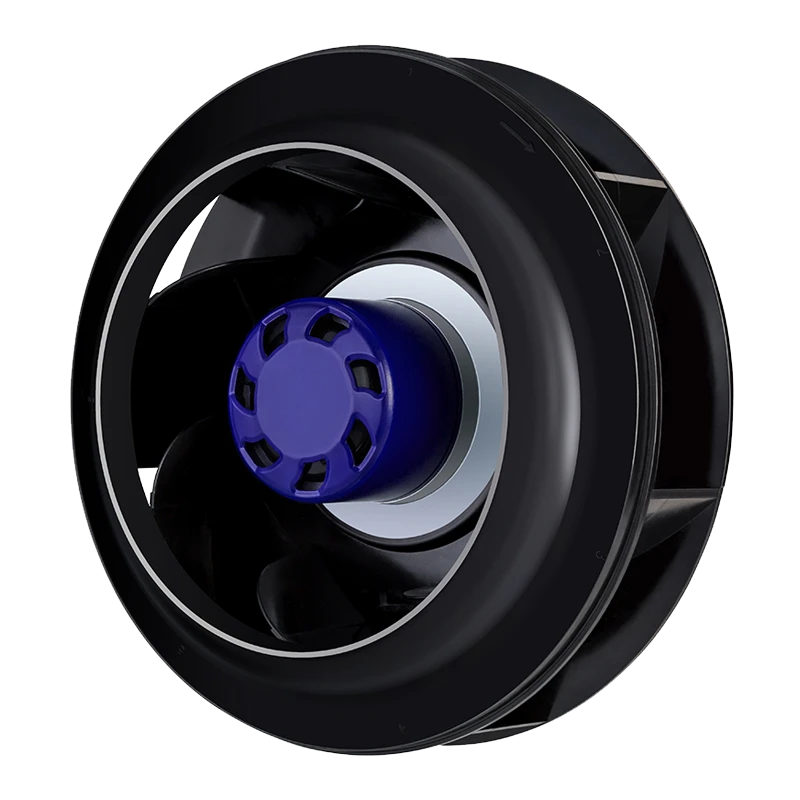
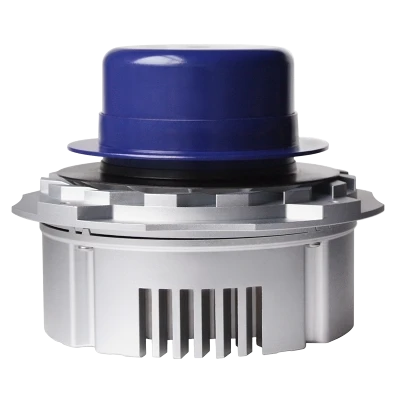
One of the biggest drivers of forward centrifugal fan efficiency is the motor. Old forward fans often used shaded-pole AC motors, which are cheap but pretty inefficient-only 30-40% at peak, and even worse at part load. That's why modern options like EC (electronically commutated) and DC brushless motors have been game-changers for this product line. Take our 160mm Motor 0-10v DC Brushless forward Curved Centrifugal Fan, for example. This model uses a DC brushless motor that hits peak efficiency around 65-70%. Why the jump? Brushless motors have fewer moving parts, less friction, and better control over speed and power use compared to shaded-pole alternatives. The 0-10V control also lets you tune airflow exactly to your needs, so you're not wasting energy running the fan at full speed when you only need half that.
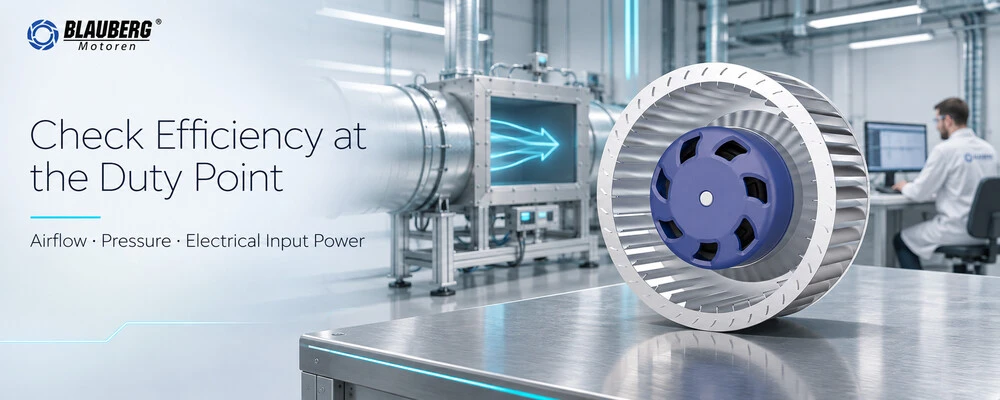
EC motors, another popular choice for forward fans, offer similar efficiency to DC brushless models but work on standard AC power, which is a big plus for older systems that don't have dedicated DC wiring. Our Blauberg BC-F140B-EC-00 140mm EC Forward Curved Centrifugal Fan is a perfect example here. This 140mm unit peaks at about 62-68% efficiency, and unlike many AC fans, it maintains strong efficiency even when it's running at lower speeds. For HVAC systems that only need high airflow part of the day, that part-load efficiency is where EC fans really shine. I've had customers tell us that switching from old shaded-pole forward fans to this EC model cut their energy bills by 30-40% in their AHUs-no exaggeration.
Size also plays a big role in forward centrifugal fan efficiency. It's a common misconception that smaller fans are always less efficient, but that's not the case if they're designed right for their intended use. Our 133mm Hvac Variable DC forward Curved Centrifugal Fan 48v for AHU is a compact unit built for tight AHU spaces. Even at 133mm, it hits around 60-65% peak efficiency, which is competitive with larger forward fans in the same application. The key here is that it's optimized for low-to-medium airflow, so it doesn't have to work harder than it needs to. A bigger fan might seem like it can move more air, but if your system only requires 500 CFM, a smaller, properly matched fan will be more efficient than an oversized one that's only running at 50% speed.
Another thing to consider is total fan efficiency vs. static efficiency. A lot of suppliers only quote static efficiency, which is how much of the motor's power turns into static pressure (the force that moves air through ducts or filters). But total efficiency accounts for both static pressure and air volume, which is more realistic for real-world use. Our Blauberg BL-F180E-EC-05 180mm EC Forward Curved Centrifugal Fan is tested for both, with total efficiency around 64-69% across its operating range. That matters because in HVAC systems, you rarely run a fan at exactly one point on its curve-you adjust it for different loads, so having a broad efficient range is more useful than a narrow peak.
Which forward centrifugal fan models should you review?
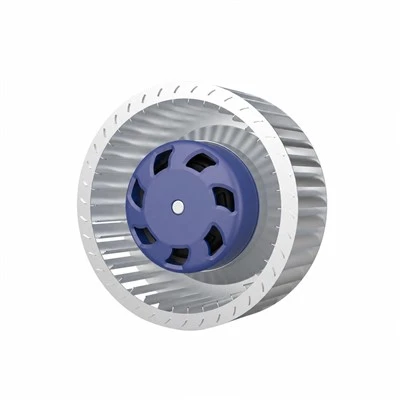
Blauberg BD-F180A-EC-01 180mm DC Forward Curved Centrifugal Fan
View product details and specifications.
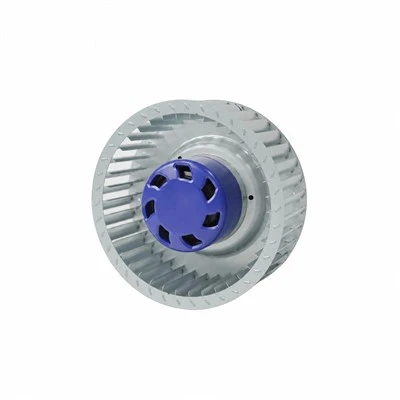
Blauberg BN-F160C-EC-01 160mm DC Forward Curved Centrifugal Fan
View product details and specifications.
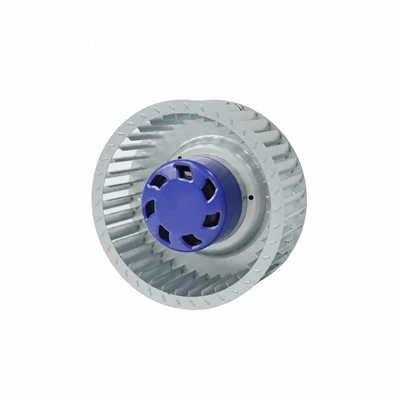
Blauberg BD-F160C-EC-01 160mm DC Forward Curved Centrifugal Fan
View product details and specifications.
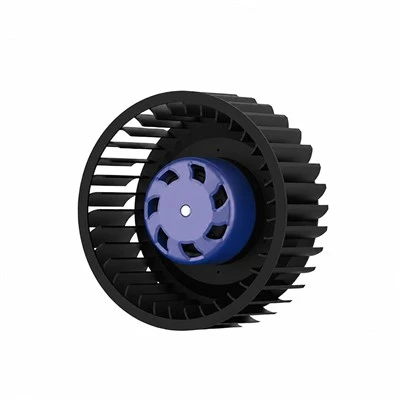
Blauberg BD-F160B-EC-01 160mm DC Forward Curved Centrifugal Fan
View product details and specifications.
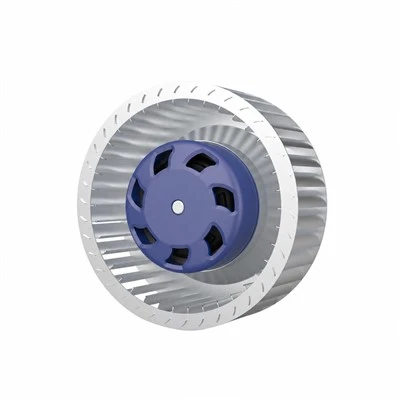
Blauberg BD-F140B-EC-00 140mm DC Forward Curved Centrifugal Fan
View product details and specifications.
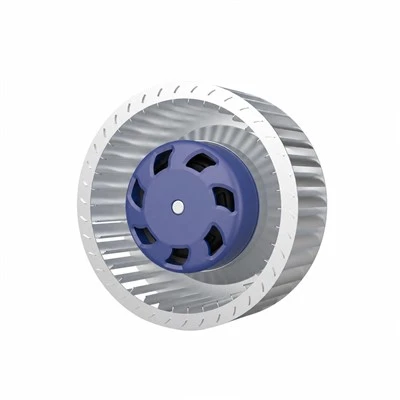
Blauberg BN-F120B-EC-00 120mm DC Forward Curved Centrifugal Fan
View product details and specifications.
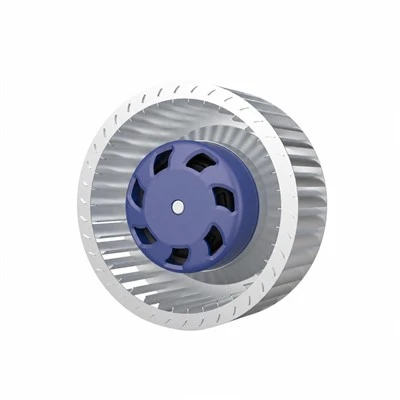
Blauberg BD-F120B-EC-N02 120mm DC Forward Curved Centrifugal Fan
View product details and specifications.
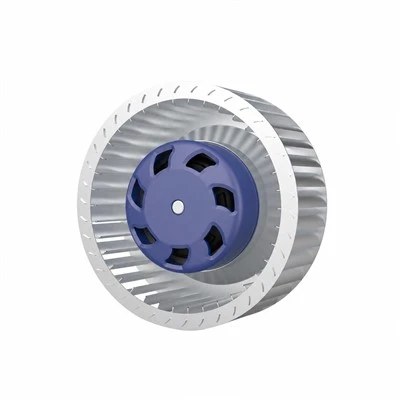
Blauberg BD-F120B-EC-00 120mm DC Forward Curved Centrifugal Fan
View product details and specifications.
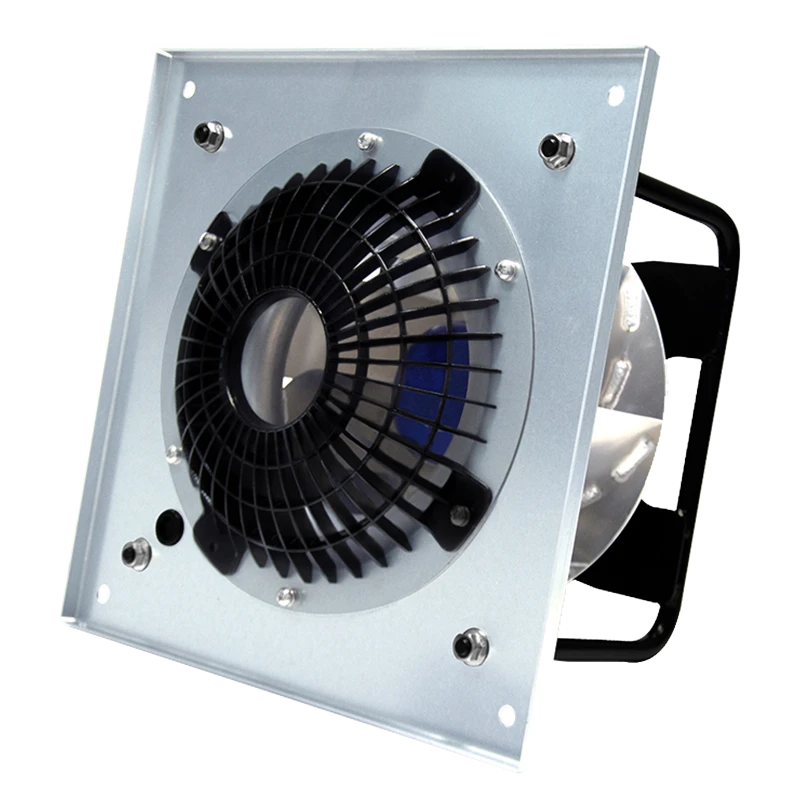
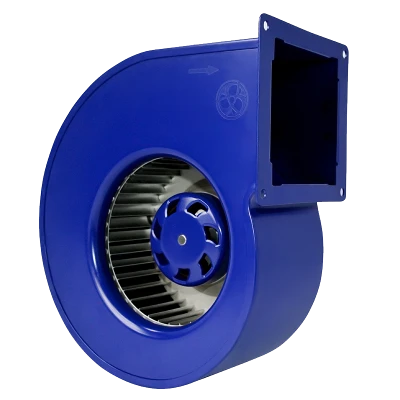
Don't sleep on the housing either, especially if you're dealing with applications that need to contain noise or direct airflow. Our 200mm EC/DC Motor CE Approved forward Centrifugal Fan with Housing comes with a custom-designed housing that reduces air leakage and turbulence. Turbulence is a big efficiency killer for centrifugal fans-when air doesn't flow smoothly through the blades, it creates drag that wastes power. The housing on this 200mm model is shaped to match the fan's blade angle, so air moves in a straight, efficient path, boosting peak efficiency by 3-5% compared to forward fans without a purpose-built housing.
Now, let's talk about the downsides. Forward curved fans do have a limit when it comes to high static pressure. If you're trying to move air through long, narrow ducts or multiple filters, a forward fan might not be as efficient as a backward curved or airfoil fan in that scenario. But for low-to-medium static pressure applications-like residential HVAC, air purifiers, AHUs with standard filters, or small industrial ventilation-forward fans are hard to beat for cost and efficiency. Their design also lets them move more air per unit size than backward fans, which saves on space, a big win for compact equipment designs.
I've seen customers make two common mistakes when it comes to forward fan efficiency. The first is buying a fan that's too big for their system. Oversizing leads to part-load inefficiency where the fan is fighting its own airflow, wasting energy. The second is not matching the motor type to their control system. A 0-10V DC fan is great for systems that adjust airflow constantly, while an EC fan works better if you need to switch between a few fixed speeds. If you install a 0-10V fan in a system that only has on/off control, you're leaving efficiency on the table.
So, to answer the original question: the efficiency of forward centrifugal fans typically ranges from 55% to 70% in real-world applications, depending on design, motor type, size, and how well it's matched to your system. Modern EC and DC brushless models are at the high end of that range, while older shaded-pole models hover around 30-45% efficiency.
If you're looking to upgrade fans for an existing HVAC system, or designing new equipment and want to pick the most efficient forward centrifugal fan for your needs, I'm here to help. We work with engineers, contractors, and equipment manufacturers to match the right fan model to your specific airflow and static pressure requirements. Whether you need a compact 133mm fan for an AHU, a 160mm unit with 0-10V control, or a larger housing-mounted fan for industrial use, we can provide performance data and support to make sure you get the most efficient solution.
If you'd like to discuss your application or get a quote, feel free to reach out for a no-obligation consultation.
References
- ASHRAE. (2021). HVAC Applications Handbook: Centrifugal Fan Efficiency Ratings. American Society of Heating, Refrigerating and Air-Conditioning Engineers.
- Miller, J. (2020). "Forward Curved Centrifugal Fan Design and Performance." Journal of Industrial Ventilation, Vol. 46, No. 2, pp. 112-125.
- Blauberg Technical Documentation. (2022). Efficiency Testing for EC and DC Forward Curved Centrifugal Fans. Blauberg Ventilation Systems.
- Energy Star. (2021). Certified Fan Efficiency Standards for Commercial HVAC Equipment. U.S. Environmental Protection Agency.
- Smith, L. (2019). "Part-Load Efficiency in Centrifugal Fans: Comparing Forward and Backward Blade Designs." Applied Thermal Engineering, Vol. 157, pp. 109782.
Category of Blauberg Products
Built on German engineering principles, focusing on precision, reliability, and long-term performance. Through efficient and scalable manufacturing, we deliver high-quality ventilation solutions with optimized cost structure, ensuring strong value for global OEM and project-based customers.