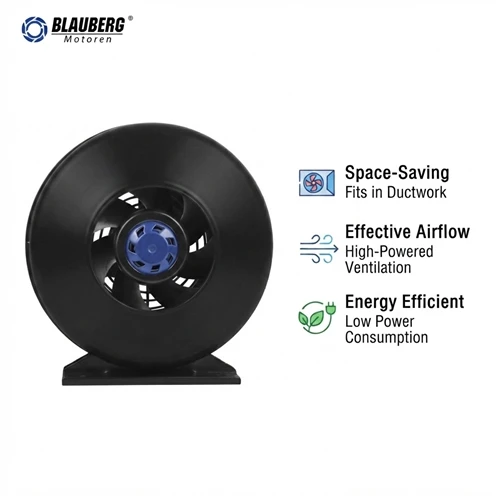
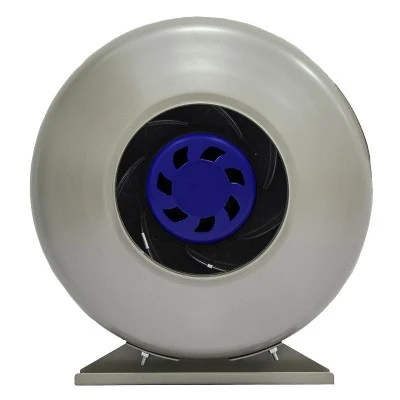

As a trusted supplier of centrifugal inline duct fans, I've encountered numerous situations where customers face issues with their fans not operating as expected. Troubleshooting these problems can be a daunting task, but with the right approach, you can quickly identify and resolve the issue. In this blog, I'll share some valuable insights on how to troubleshoot a centrifugal inline duct fan that's not working properly.
Initial Checks
Before delving into complex troubleshooting procedures, start with the simplest steps. These initial checks can often save you time and effort in diagnosing the problem.
Power Supply
The first thing to verify is whether the fan is receiving power. Check if the power cord is securely plugged into an outlet. You can use a voltage tester to ensure that the outlet is functioning correctly. If the outlet is dead, try plugging the fan into a different one. Additionally, examine the circuit breaker or fuse box to see if a breaker has tripped or a fuse has blown. Reset the breaker or replace the fuse if necessary.
Switch and Controls
Inspect the switch and controls of the fan. Make sure the switch is in the "on" position. If the fan has a speed control or timer, check that the settings are appropriate. Sometimes, a simple misconfiguration of these controls can cause the fan to malfunction.
Ductwork
Examine the ductwork connected to the fan. Look for any visible signs of damage, such as holes, leaks, or blockages. A damaged duct can disrupt the airflow and cause the fan to work inefficiently or not at all. Use duct tape or other appropriate materials to seal any leaks or holes. Remove any obstructions from the duct, such as debris, dust, or insulation.
Fan Components
If the initial checks do not reveal any issues, it's time to focus on the fan components themselves.
Motor
The motor is the heart of the centrifugal inline duct fan. A faulty motor can cause the fan to stop working or operate at a reduced speed. Check the motor for any signs of overheating, such as a burning smell or excessive heat. Listen for any unusual noises coming from the motor, such as grinding, rattling, or humming. If you suspect a motor problem, it may be necessary to replace the motor. However, this is a complex task that should be performed by a qualified technician.

Blades
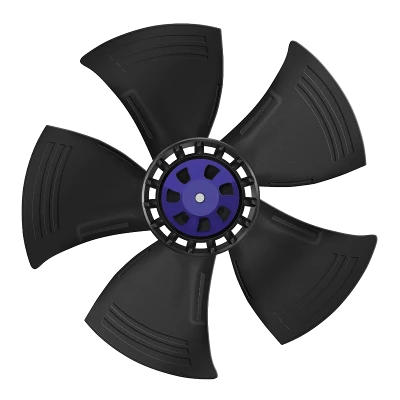
Inspect the fan blades for any damage or debris. Bent or damaged blades can cause the fan to vibrate, make noise, or operate inefficiently. Use a soft brush or cloth to clean the blades and remove any dirt or dust. If the blades are severely damaged, they may need to be replaced.
Bearings
The bearings support the motor shaft and allow it to rotate smoothly. Worn or damaged bearings can cause the fan to make noise, vibrate, or stop working. Listen for any abnormal noises coming from the bearings, such as squealing or grinding. If you suspect bearing problems, it's best to have them replaced by a professional.
Capacitor
Some centrifugal inline duct fans use a capacitor to start the motor. A faulty capacitor can prevent the motor from starting or cause it to run slowly. Check the capacitor for any signs of damage, such as bulging or leaking. If you suspect a capacitor problem, it's recommended to have it tested and replaced by a qualified technician.
Additional Troubleshooting
If the above steps do not resolve the issue, consider the following additional troubleshooting techniques.
Airflow Restrictions
Check for any airflow restrictions in the duct system. This can include long duct runs, sharp bends, or multiple elbows. These restrictions can cause the fan to work harder and reduce its efficiency. Try to minimize the number of bends and elbows in the ductwork and use straight ducts whenever possible.
Static Pressure
Centrifugal inline duct fans are designed to operate within a specific range of static pressure. If the static pressure in the duct system is too high, the fan may not be able to overcome it, resulting in reduced airflow or no airflow at all. Use a manometer to measure the static pressure in the duct system. If the static pressure is outside the fan's operating range, you may need to adjust the ductwork or select a fan with a higher static pressure rating.
Environmental Factors
Consider the environmental factors that may be affecting the fan's performance. High temperatures, humidity, or dust can all cause problems for the fan. Make sure the fan is installed in a well-ventilated area and away from sources of heat or moisture. Regularly clean the fan and the ductwork to prevent the buildup of dust and debris.
Recommended Products
As a supplier of centrifugal inline duct fans, I offer a wide range of high-quality products to meet your specific needs. Here are some of our recommended products:
- 250mm EC External Rotor Duct Fan Strong Wind Duct Fan for Cold Room: This fan is designed for use in cold rooms and other applications where strong airflow is required. It features an EC external rotor motor for energy efficiency and quiet operation.
- 315mm EC Fan Manufacturers Ducted Exhaust Fan Garage Exhaust Fan for Air Purifier: This fan is suitable for use in garages, workshops, and other areas where ventilation is needed. It has a high static pressure rating and is capable of moving large volumes of air.
- Inline Fan Exhaust Air Valve for Scandinavian Rekuperator Toilet Positive Pressure Ventilation: This fan is designed for use in Scandinavian rekuperators and toilet positive pressure ventilation systems. It features an exhaust air valve for improved airflow control.
- 160mm EC 115V Air-condition in Line Duct Fan Centrifugal Fan for Rail Transit Carriers: This fan is suitable for use in rail transit carriers and other applications where space is limited. It has a compact design and is capable of providing efficient airflow.
- 100mm EC Strong Wind Duct Fan Energy Saving Quiet Duct Fan for Air Purifier: This fan is designed for use in air purifiers and other small-scale ventilation applications. It features an EC motor for energy efficiency and quiet operation.
Contact Us for Purchase and Consultation
If you're experiencing problems with your centrifugal inline duct fan or are looking to purchase a new one, don't hesitate to contact us. Our team of experts is available to provide you with professional advice and assistance. We can help you select the right fan for your application, troubleshoot any issues you may be having, and ensure that your fan is installed and maintained correctly.
References
- ASHRAE Handbook - Fundamentals.
- Fan Engineering Handbook.
- Manufacturer's installation and operation manuals.