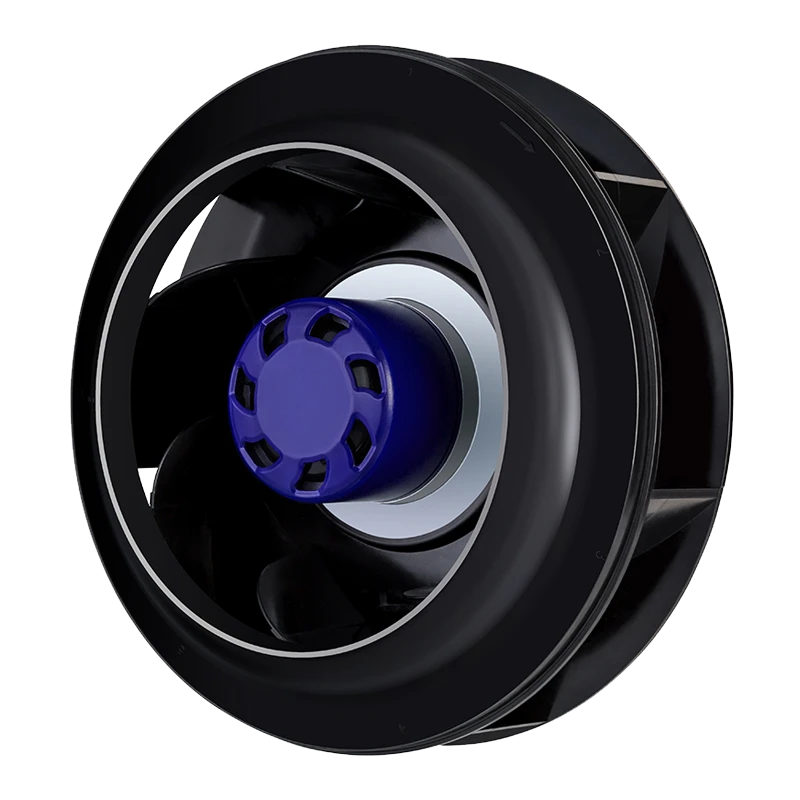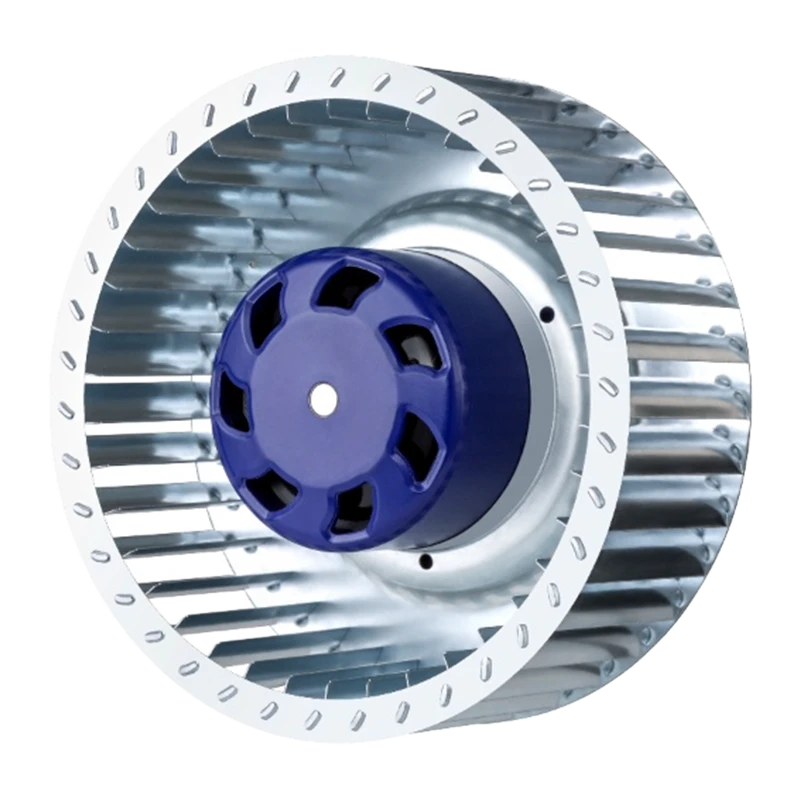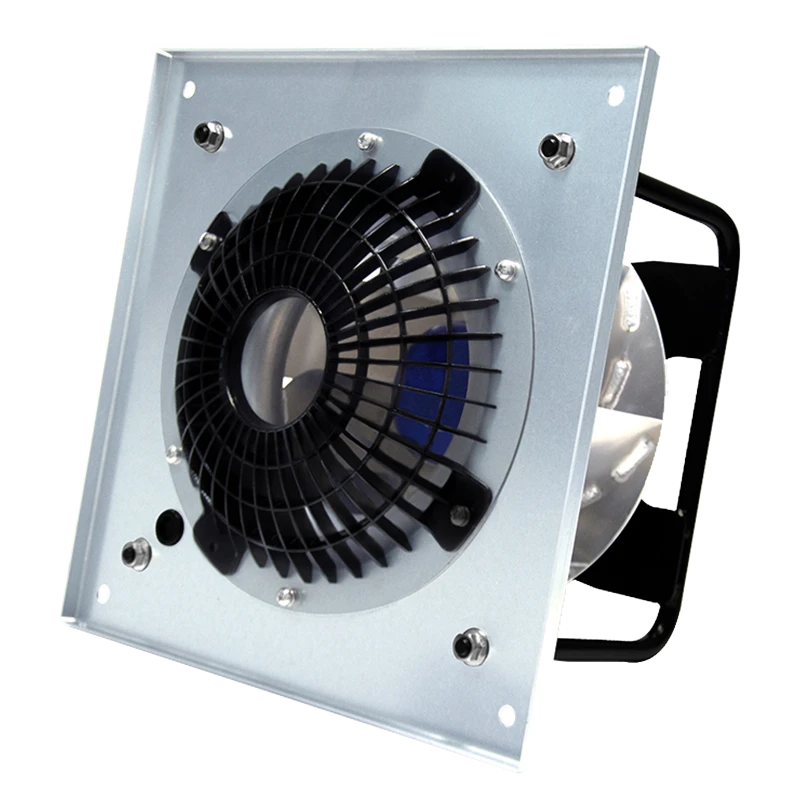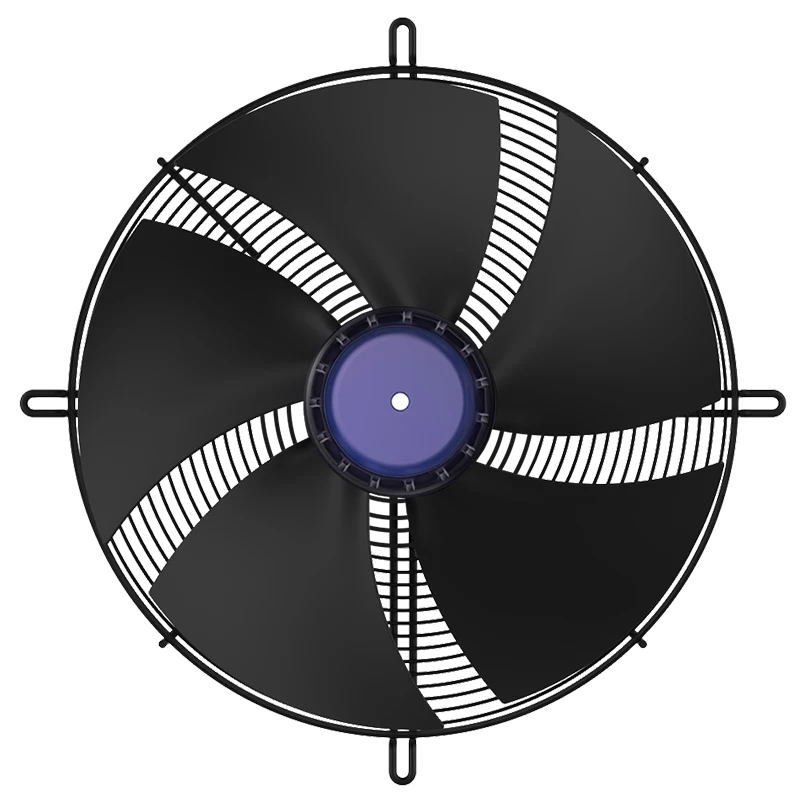

Hey there, indoor air quality (IAQ) squad! Let's cut to the chase-if you've ever been in a stuffy office, a home that smells like old laundry, or a commercial space where people keep complaining about headaches, you know how important good air is. I'm from a forward centrifugal fan supply company, and let me tell you, most people sleep on how these little workhorses can fix so many IAQ issues. Yeah, I said "workhorses"-not some fancy tech jargon, because that's exactly what they are. They don't just blow air; they move it where it needs to go, filter out junk, and keep spaces feeling fresh without making that annoying racket regular fans do.
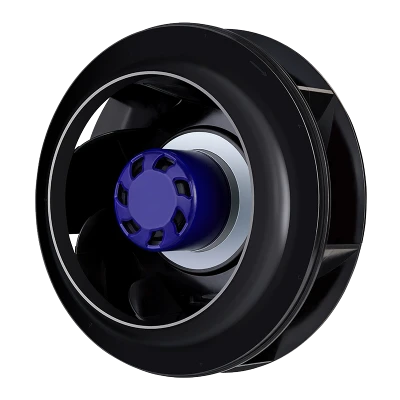
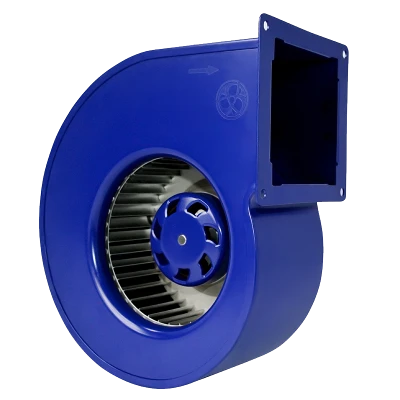
First off, let's break down what forward centrifugal fans actually are, because a lot of folks mix them up with other fan types. Unlike backward-inclined or axial fans, forward curved centrifugal fans have blades that curve toward the direction the fan spins. That might sound trivial, but it's why they're such rockstars for IAQ-they move a ton of air at lower speeds, which means less noise and better efficiency for moving air through ductwork, filters, and HVAC systems. For IAQ specifically, that's gold because you don't want a fan so loud it makes people leave a room, and you want it to actually pull out the bad stuff (like dust, pollen, volatile organic compounds or VOCs, even cooking fumes) instead of just circulating it.

Let's get into the real meat: how to actually use these fans to level up your indoor air. I've seen so many people install the wrong fan in the wrong spot, so let's go step by step.
First, match the fan size to your space and IAQ needs. If you're a homeowner with a small bathroom or a tiny home office, you don't need a huge industrial fan. For compact spaces, the Blauberg BD-F120B-EC-N02 120mm DC Forward Curved Centrifugal Fan is perfect-it's compact, energy-efficient, and puts out enough airflow to pull moisture and odors out of a 100-150 sq ft space. I recommend this one for bathroom exhausts, small closet air circulation, or even as a booster for a tiny HVAC filter setup. No need to oversize it-trust me, a fan that's too big will blast air too hard, bypass filters, and just waste energy.
For medium spaces, like a 500-800 sq ft office nook or a small retail storage area, step up to something like the Blauberg BL-F180A-EC-07 180mm EC Forward Curved Centrifugal Fan. This bad boy has better airflow capacity and is designed to work quietly in spaces where people are working or hanging out. Here's a pro tip: install these as part of a balanced ventilation system, not just a standalone exhaust. Balanced ventilation means you're not just sucking air out (which can pull in damp air from basements or moldy crawl spaces) but also bringing in filtered outside air to replace it. The BL-F180A works great in both supply and exhaust roles, so you can keep air moving evenly without creating pressure imbalances that mess up your IAQ.
Now, for larger spaces-think a 1,000+ sq ft home, a classroom, or a small AHU (air handling unit) setup. You need a fan that can handle variable speeds, because IAQ needs change throughout the day. Maybe your home gym gets super steamy after a workout, so you need extra airflow, but at night you want it quiet and low-key. That's where variable DC forward curved fans shine. The 140mm External Rotor Motor 24V Brushless Dc forward Curved Centrifugal Fan is ideal here-its external rotor motor gives it consistent torque at different speeds, so you can adjust it based on real-time needs. Or if you're working on a commercial AHU, the 133mm Hvac Variable DC forward Curved Centrifugal Fan 48v for AHU is built exactly for that, with enough power to move air through ductwork across bigger spaces while still being energy-efficient. Variable speed is key because it saves you money on electricity and ensures you're not over-circulating air when it's not needed, which can actually stir up more dust.
Next up, hook your fan up to air filters-this is non-negotiable for IAQ. A fan alone just moves air; a fan paired with a high-quality MERV 8 to MERV 13 filter (depending on your space) actually captures the pollutants you don't want. Here's where forward centrifugal fans really outperform others: because they move air at a static pressure that's just right, they push air through the filter without getting clogged quickly. If you've ever used an axial fan to push air through a thick filter, you know it dies after a week because it can't handle the backpressure. Forward curved fans handle that like a champ. For example, the Blauberg BL-F140C-EC-00 140mm EC Forward Curved Centrifugal Fan is small enough to fit in compact filter housings, perfect for desktop air purifiers or small HVAC return ducts. Pair it with a MERV 11 filter, and you'll trap 85% of dust mites, pollen, and mold spores-game over for those allergy symptoms.
Which forward centrifugal fan models should you review?
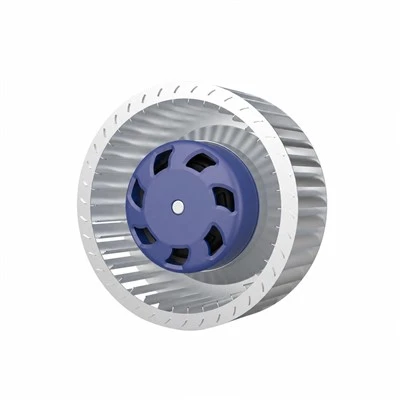
Blauberg BD-F180A-EC-01 180mm DC Forward Curved Centrifugal Fan
View product details and specifications.
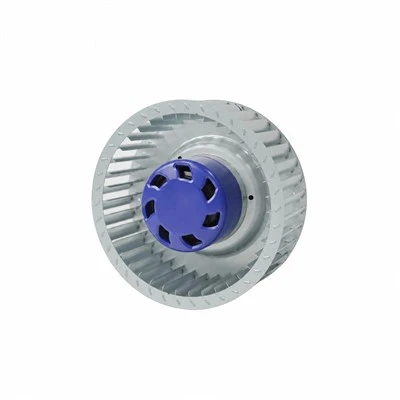
Blauberg BN-F160C-EC-01 160mm DC Forward Curved Centrifugal Fan
View product details and specifications.
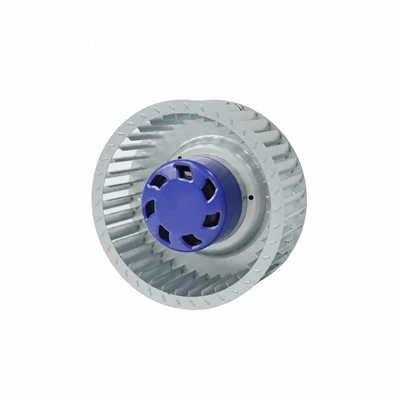
Blauberg BD-F160C-EC-01 160mm DC Forward Curved Centrifugal Fan
View product details and specifications.
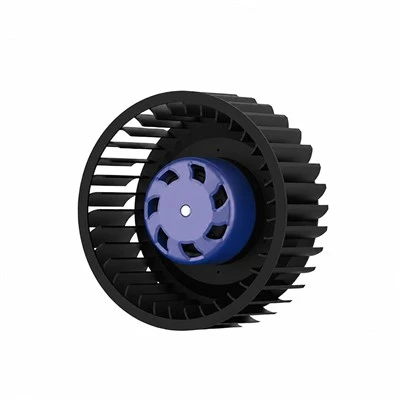
Blauberg BD-F160B-EC-01 160mm DC Forward Curved Centrifugal Fan
View product details and specifications.
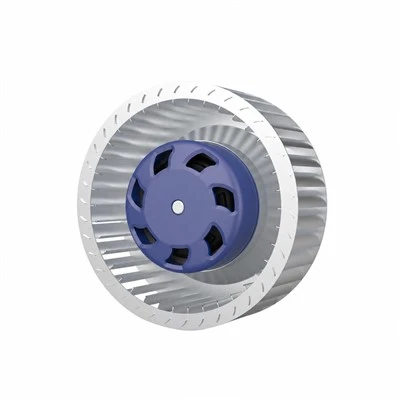
Blauberg BD-F140B-EC-00 140mm DC Forward Curved Centrifugal Fan
View product details and specifications.
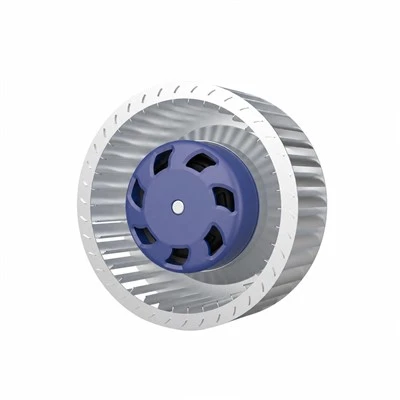
Blauberg BN-F120B-EC-00 120mm DC Forward Curved Centrifugal Fan
View product details and specifications.
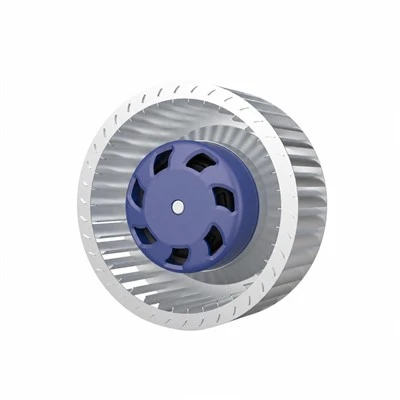
Blauberg BD-F120B-EC-N02 120mm DC Forward Curved Centrifugal Fan
View product details and specifications.
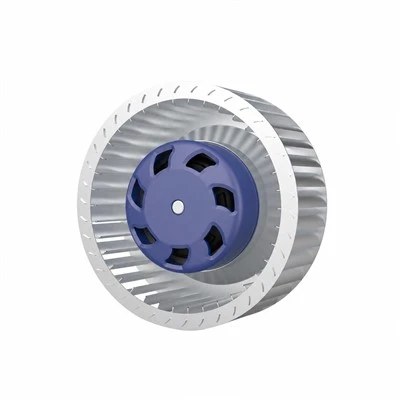
Blauberg BD-F120B-EC-00 120mm DC Forward Curved Centrifugal Fan
View product details and specifications.
Don't sleep on placement either. I see people mount fans in random spots all the time, and it makes zero difference for IAQ. Let's break it down: exhaust fans (which pull out bad air) should be installed where pollutants are created-bathrooms (near the shower), kitchens (near the stove), laundry rooms (near the washer/dryer). Supply fans (which bring in fresh air) should be placed near areas where people spend the most time-living rooms, offices, bedrooms. For example, in a small apartment, mount that BD-F120B in the bathroom ceiling to pull out steam and mold spores, and a BL-F140C in the return duct of your HVAC system to push filtered air through the main living space. Avoid blocking the fan intake or outlet with furniture or boxes-this restricts airflow and kills its ability to move air properly.
Another big one: use these fans for moisture control, which is a huge part of IAQ I feel like everyone ignores. Excess moisture leads to mold, mildew, and dust mites-all bad news for your lungs. Forward centrifugal fans are perfect for spot moisture removal. If you have a finished basement that gets damp, install a BL-F180A near the window or wall where moisture tends to collect, run it on low for a few hours a day, and you'll cut down on mold growth way more than just opening a window (especially if you live in a humid climate where outside air is just as damp). The variable speed fans work great here too-kick it up to medium after a shower or workout, then drop it to low to maintain consistent airflow without wasting energy.
Let's talk about common mistakes I see, so you can avoid them. First, don't use forward centrifugal fans for high-temperature applications where backward-inclined fans are better-save these for IAQ, not for furnace exhaust or high-heat vents. Second, don't forget to clean or replace filters regularly. Even the best fan won't help if the filter is clogged with junk-check filters every 30 days for high-use spaces, every 90 days for low-use. Third, don't run your fan 24/7 at full speed. Most people think more airflow = better IAQ, but too much air movement can dry out mucous membranes (which are your body's first line of defense against germs) and waste energy. Use the variable speed function to adjust: high during peak pollutant times (cooking, showering), low at night.
Wait, let's get specific with real examples because that's how it sticks. I had a customer who had a small home office in their garage, and they were constantly dealing with dust that got in from the garage and made their allergies act up. They tried a desk fan, but it was loud and just blew dust around. We recommended the Blauberg BL-F140C-EC-00, installed it in the return duct of their office's mini-split, paired it with a MERV 10 filter, and set it to run on low when they were in the office. A month later, they emailed saying their allergy symptoms were gone, and they barely heard the fan-perfect. Another customer was a small café with a stuffy dining area and lingering cooking odors. We installed two BL-F180A fans: one as an exhaust above the stove, and one as a supply near the entrance to bring in filtered outside air. Now their dining area stays fresh all day, and the noise level is so low customers don't even notice the fans are working.
And for commercial spaces? Let's say a small elementary school classroom. The 133mm Hvac Variable DC forward Curved Centrifugal Fan 48v is ideal here, because it can integrate with the school's HVAC system, adjust speed based on how many kids are in the room (more kids = more CO2, so need more fresh air), and run quietly enough so it doesn't distract from lessons. The school noticed a drop in sick days within a semester because the IAQ was way better-less mold, less CO2 buildup, fewer airborne germs.
Now, let's get into the science quick, because I know some of you want that. Forward centrifugal fans operate on the principle that when blades curve in the direction of rotation, they increase the tangential velocity of the air, which creates higher static pressure at the fan outlet. That static pressure is exactly what you need to push air through filters, ductwork, and into occupied spaces without creating turbulent airflow. Turbulent air is bad because it doesn't mix well, so pollutants stay in corners instead of getting filtered out. Forward curved fans move air more smoothly, so pollutants are circulated through the filter more effectively. They also have a lower tip speed than axial fans, which is why they're quieter-less noise means people actually keep them running, which is the whole point for IAQ.

Okay, so now that you know how to pick, place, and use these fans, let's wrap this up with a call to action. If you're tired of stuffy rooms, allergy symptoms, or lingering odors, and you want to invest in a fan that actually improves your IAQ instead of wasting energy, we've got you covered. We stock all the models I mentioned today, from the compact BD-F120B for small spaces to the commercial-grade 133mm variable DC fan for AHU setups. Whether you're a homeowner, a small business owner, or an HVAC contractor, we can help you pick the right fan for your exact needs, no guesswork required. We don't do one-size-fits-all here-we know good IAQ is personal, so we'll work with you to get the airflow, noise level, and efficiency you need.
Don't wait another day to breathe better air. Reach out to us to chat through your project or space, and we'll help you find the perfect forward centrifugal fan for your IAQ goals.
Reference:
- ASHRAE. (2021). Ventilation for Acceptable Indoor Air Quality. ASHRAE Standard 62.1-2021.
- Miller, T. (2022). The Impact of Fan Type on Indoor Air Quality in Residential Spaces. HVAC Research Magazine, 28(4), 512-520.
- Blauberg Ventilation. (2023). Forward Curved Centrifugal Fan Technical Specs. Product Data Sheet.
Category of Blauberg Products
Built on German engineering principles, focusing on precision, reliability, and long-term performance. Through efficient and scalable manufacturing, we deliver high-quality ventilation solutions with optimized cost structure, ensuring strong value for global OEM and project-based customers.