
As a supplier of centrifugal inline duct fans, I've seen firsthand the growing demand for energy-efficient solutions in the ventilation industry. People are constantly looking for ways to cut down on energy costs while still maintaining high performance. So, let's dig into what the energy-saving potential of a centrifugal inline duct fan really is.
Understanding Centrifugal Inline Duct Fans
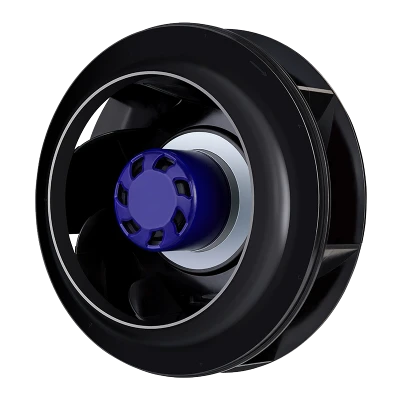
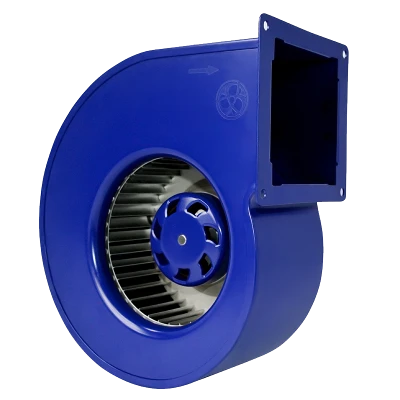
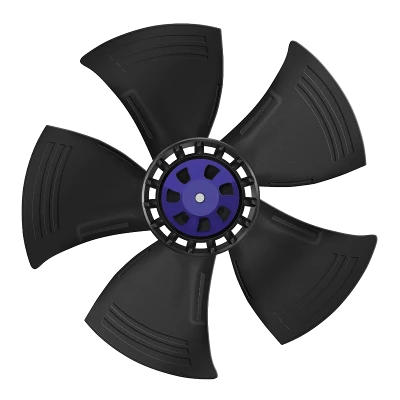
First off, what exactly is a centrifugal inline duct fan? Well, it's a type of fan that's designed to move air through ductwork. The centrifugal design means that the fan blades spin and throw the air outwards in a radial direction. This is different from axial fans, which push air straight through the fan. Centrifugal inline duct fans are super handy because they can be installed right in the middle of a duct system, making them a great choice for both residential and commercial ventilation.
How They Save Energy
One of the key ways centrifugal inline duct fans save energy is through their efficient design. These fans are engineered to move a large volume of air with relatively low power consumption. They do this by using aerodynamically designed blades that create a strong airflow with less resistance. When the fan has to work less hard to move air, it uses less electricity, which means lower energy bills for you.
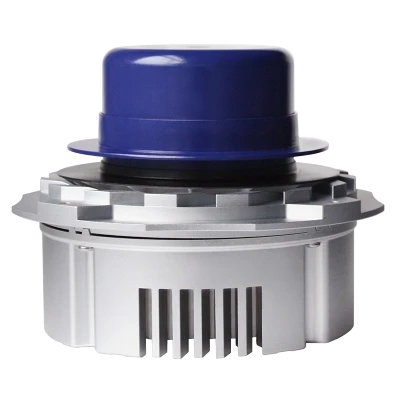
Another factor is the motor. Many modern centrifugal inline duct fans come with energy-efficient motors, like EC (electronically commutated) motors. These motors are way more efficient than traditional AC motors because they can adjust their speed based on the actual demand for air. For example, if the ventilation requirements are lower, the motor will slow down, using less power. On the other hand, when there's a higher demand, it can ramp up to provide the necessary airflow.

Real-World Energy Savings
In real-world applications, the energy savings from using a centrifugal inline duct fan can be quite significant. Let's take a commercial building as an example. If you're using an old, inefficient fan to ventilate a large office space, you're probably spending a fortune on electricity. But by upgrading to a high-quality centrifugal inline duct fan with an EC motor, you could see a reduction in energy consumption of up to 30% or more. That's a huge saving over time, especially when you consider the long-term costs of running a ventilation system.
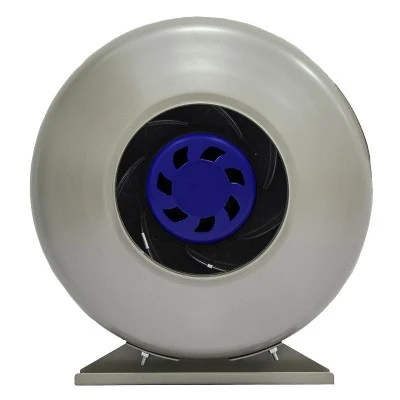
In a residential setting, these fans can also make a big difference. For instance, if you have a hydroponic grow room, you need a reliable ventilation system to keep the air fresh and the plants healthy. A 6 Inch 150MM Hydroponic Silent China Centrifugal Blower Fan is a great choice because it's not only quiet but also energy-efficient. You can run it for hours without worrying about sky-high electricity bills.
Energy-Saving Features
There are several features that contribute to the energy-saving potential of centrifugal inline duct fans. One important feature is the fan's static pressure rating. The static pressure is the resistance that the fan has to overcome to move air through the ductwork. A fan with a high static pressure rating can move air more efficiently through long or complex duct systems. This means that you don't need to use a more powerful (and energy-hungry) fan to get the job done.
Another feature is the fan's control options. Many modern fans come with built-in controls that allow you to adjust the speed and airflow based on your specific needs. For example, you can set the fan to run at a lower speed during off-peak hours or when the ventilation requirements are lower. This kind of flexibility helps to optimize energy consumption and save you money.
Different Applications and Energy Savings
Centrifugal inline duct fans are used in a wide range of applications, and the energy-saving potential can vary depending on the specific use. In industrial settings, these fans are often used for ventilation, fume extraction, and cooling. By using energy-efficient fans, factories and warehouses can reduce their energy costs and improve their overall environmental footprint. For example, a 110v 230v Ac Dc Ec Circular Centrifugal Duct Fan is suitable for greenhouse ventilation, industrial ventilation pipelines, and fume suction. It can provide a high airflow rate while using less energy compared to traditional fans.
In the transportation sector, centrifugal inline duct fans are used in rail transit carriers for air conditioning and ventilation. A 160mm EC 115V Air-condition in Line Duct Fan Centrifugal Fan for Rail Transit Carriers can help to maintain a comfortable environment for passengers while also saving on energy. The EC motor in this fan allows for precise control of the airflow, ensuring that the right amount of air is circulated at all times.
In the heating and cooling industry, these fans are used in heat pumps and condense units. A 125mm EC Exhaust Duct Blower Centrifugal Fan for Condense Units and a 100mm EC Exhaust Strong Wind Duct Fan for Heat Pumps are designed to be energy-efficient while providing the necessary ventilation. By using these fans, you can improve the performance of your heating and cooling systems and reduce your energy consumption.
Making the Switch
If you're still using an old, inefficient fan, it's definitely time to consider making the switch to a centrifugal inline duct fan. Not only will you save money on your energy bills, but you'll also get better performance and reliability. When choosing a fan, make sure to look for one with a high energy efficiency rating and the right features for your specific application.
Contact for Purchase
If you're interested in learning more about our centrifugal inline duct fans or want to discuss your specific ventilation needs, feel free to reach out. We're here to help you find the best solution for your energy-saving goals.
References
- ASHRAE Handbook - HVAC Systems and Equipment.
- Fan Manufacturers Association (FMA) Technical Papers.