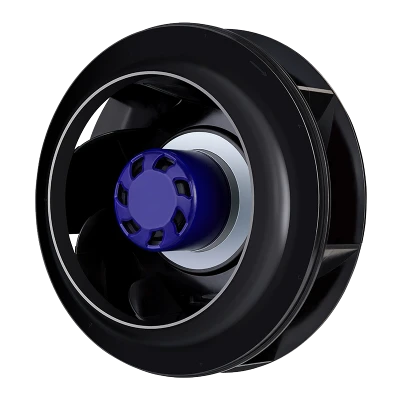
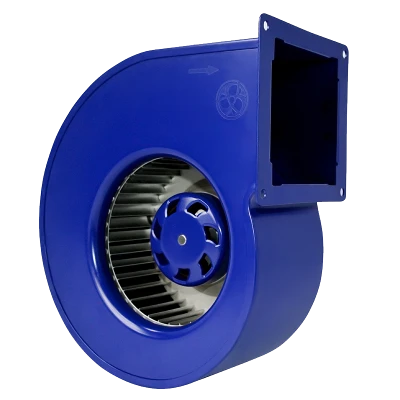
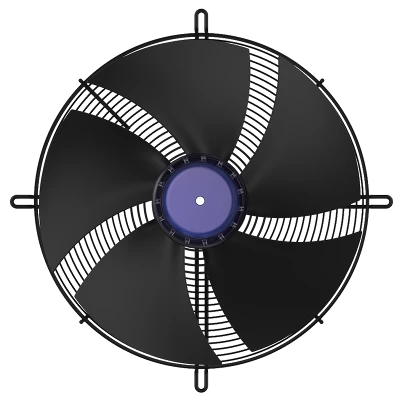
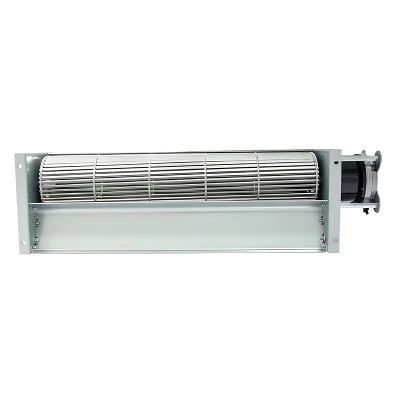
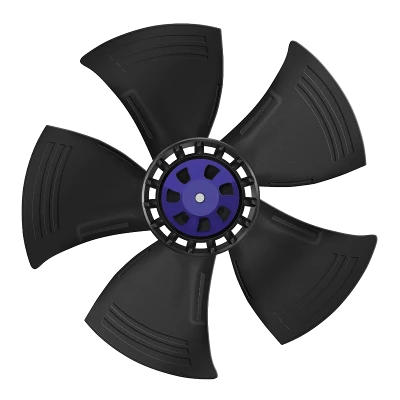
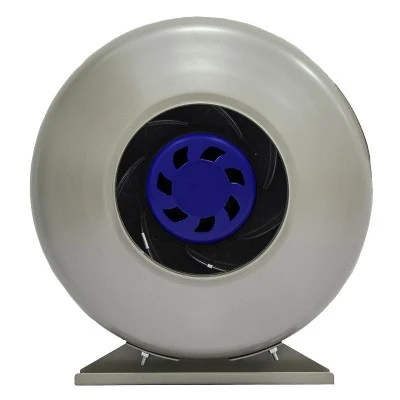
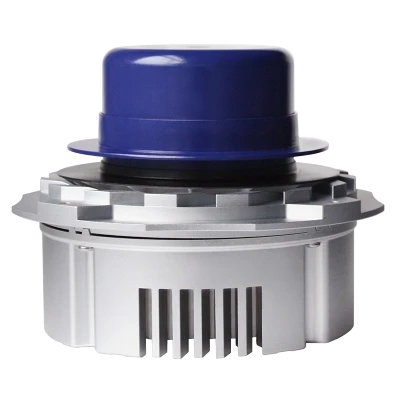

Axial flow fans and tube axial fans are two common types of fans used in various industrial and commercial applications. As a supplier of axial flow fans, I often get asked about the differences between these two types of fans. In this blog post, I'll compare axial flow fans with tube axial fans, highlighting their features, advantages, and suitable applications.
Working Principle and Structure
Axial flow fans operate on the principle of moving air parallel to the fan shaft. The blades of an axial flow fan are designed to push air straight through the fan, creating a high-volume, low-pressure airflow. They typically consist of a hub with blades attached, and the motor is often mounted outside the airflow path or within the hub. This simple and straightforward design allows for efficient air movement in a linear direction.
On the other hand, tube axial fans are a subtype of axial flow fans. They are enclosed in a cylindrical tube or housing, which helps to direct the airflow more effectively. The tube provides a more controlled environment for the air to move through, reducing turbulence and increasing the efficiency of the fan. The motor of a tube axial fan is usually located within the tube, often supported by struts or brackets.
Airflow and Pressure
One of the key differences between axial flow fans and tube axial fans lies in their airflow and pressure characteristics. Axial flow fans are known for their ability to produce a large volume of airflow at relatively low pressures. They are ideal for applications where a high volume of air needs to be moved over a short distance, such as in ventilation systems for large open spaces like warehouses, factories, or stadiums.
Tube axial fans, due to their enclosed design, can generate a higher static pressure compared to standard axial flow fans. The tube helps to contain and direct the airflow, allowing the fan to overcome resistance in ductwork or other restrictions more effectively. This makes tube axial fans suitable for applications that require air to be pushed through ducts, ventilation systems with multiple bends or obstructions, or in situations where a higher pressure is needed to force air into a specific area.
Efficiency
When it comes to efficiency, both types of fans have their own advantages. Axial flow fans, with their simple design and large blade area, can achieve high efficiency in applications where low pressure and high airflow are required. However, their efficiency may decrease when used in systems with significant pressure drops, as they are not designed to work against high resistance.
Tube axial fans, because of their ability to generate higher pressures, are generally more efficient in systems where there is a need to move air through ducts or other restrictive environments. The enclosed design helps to minimize air leakage and improve the overall efficiency of the fan. Additionally, many modern tube axial fans are equipped with advanced motor and blade designs, which further enhance their energy efficiency.
Noise Level
Noise is an important consideration in many applications, especially in environments where quiet operation is required. Axial flow fans, particularly those with large blades and high rotational speeds, can produce a significant amount of noise. The unenclosed design allows the noise to spread freely, which can be a drawback in noise-sensitive areas.
Tube axial fans, on the other hand, tend to be quieter than standard axial flow fans. The tube enclosure acts as a sound barrier, reducing the amount of noise that is transmitted to the surrounding environment. Additionally, the more controlled airflow within the tube helps to minimize turbulence and the associated noise generation.
Applications
Axial flow fans are commonly used in a wide range of applications, including:
- General Ventilation: In large open spaces such as warehouses, factories, and agricultural buildings, axial flow fans are used to provide fresh air circulation and remove stale air.
- Industrial Cooling: In industrial processes where heat needs to be dissipated, axial flow fans can be used to cool equipment or processes.
- HVAC Systems: In some HVAC systems, axial flow fans are used for supply or exhaust air handling, especially in systems where space is limited and a high volume of air needs to be moved quickly.
Tube axial fans are often used in applications that require more precise airflow control and higher pressure capabilities, such as:
- Ductwork Ventilation: In HVAC systems with extensive ductwork, tube axial fans are used to push air through the ducts, ensuring proper ventilation throughout the building.
- Kitchen Exhaust Systems: In commercial kitchens, tube axial fans are used to remove cooking fumes and odors from the kitchen area and exhaust them outside.
- Cleanroom Ventilation: In cleanroom environments, tube axial fans are used to maintain a controlled airflow and prevent the infiltration of contaminants.
Our Offerings
As an axial flow fan supplier, we offer a wide range of high-quality axial flow fans to meet the diverse needs of our customers. Here are some of our popular products:
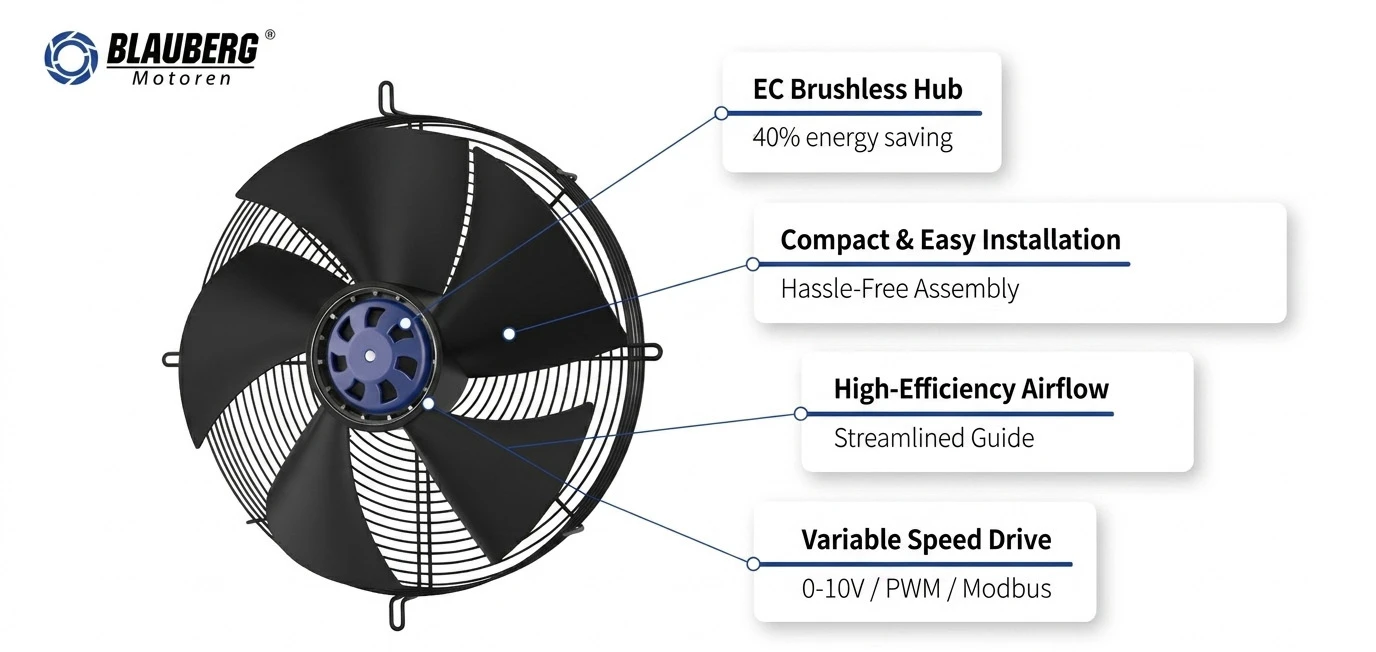
- 350mm EC Axial Fan High Efficiency Centrifugal Fan Axial Blower Fan: This fan features high efficiency and is suitable for a variety of applications where a reliable and energy-efficient airflow is required.
- 350mm High Temperature Poultry Farm Greenhouse Axial Exhaust Fan for Air Coolers: Designed specifically for high-temperature environments such as poultry farms and greenhouses, this fan can withstand harsh conditions and provide effective ventilation.
- 300mm 115V Brushless Ball Bearing Axial Cooling Fan for Air Exchanger: With its brushless ball bearing design, this fan offers long-lasting performance and is ideal for air exchangers and other cooling applications.
- 200mm EC Axial Fan High Efficiency Greenhouse Axial Blower Fan Exhaust Fan: This compact and efficient fan is perfect for greenhouse ventilation, providing a gentle and consistent airflow to keep plants healthy.
- 500mm Ip55 Low Noise Brushless Ball Bearing EC Axial Fan High Efficiency Centrifugal Fan: Featuring IP55 protection and low noise operation, this fan is suitable for industrial applications where a high volume of air needs to be moved quietly.
Conclusion
In conclusion, both axial flow fans and tube axial fans have their own unique features and advantages. Axial flow fans are ideal for applications where a high volume of air needs to be moved at low pressures, while tube axial fans are better suited for applications that require higher pressure capabilities and more precise airflow control. When choosing between the two, it's important to consider the specific requirements of your application, including the required airflow, pressure, efficiency, noise level, and environment.
If you're in the market for axial flow fans, we'd be happy to help you find the right solution for your needs. Contact us today to discuss your requirements and let's start a fruitful business partnership.
References
- ASHRAE Handbook of Fundamentals. American Society of Heating, Refrigerating and Air - Conditioning Engineers.
- Fan Engineering: The Application, Selection, and Testing of Fans, 8th Edition by Buffalo Forge Company.