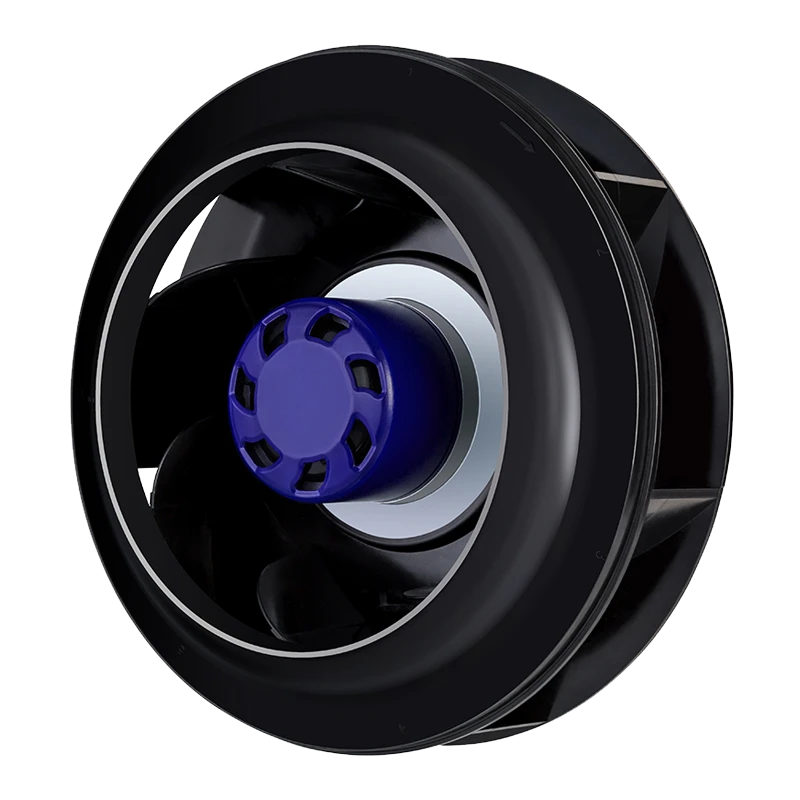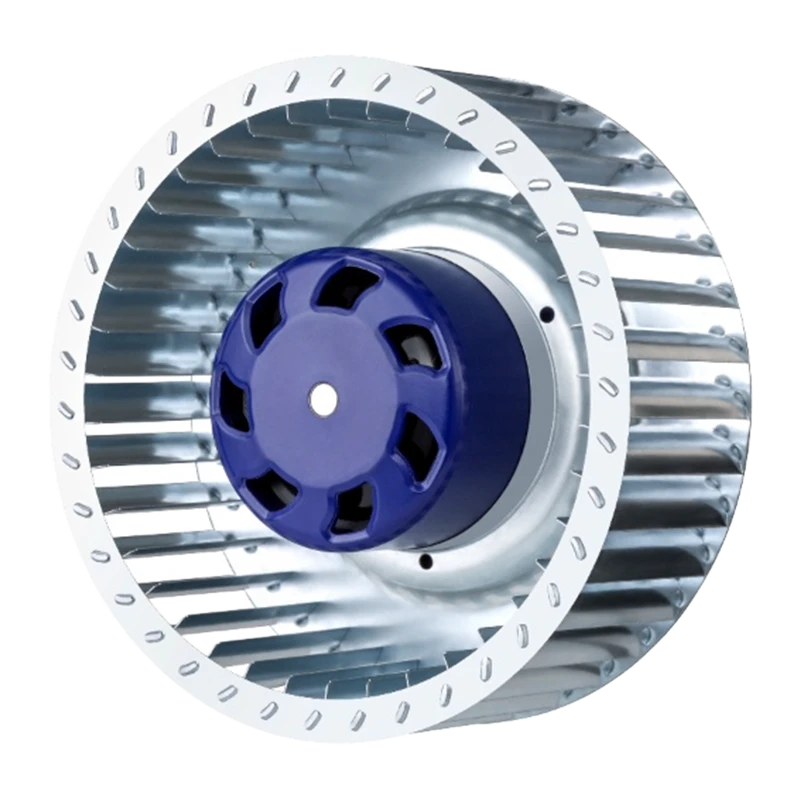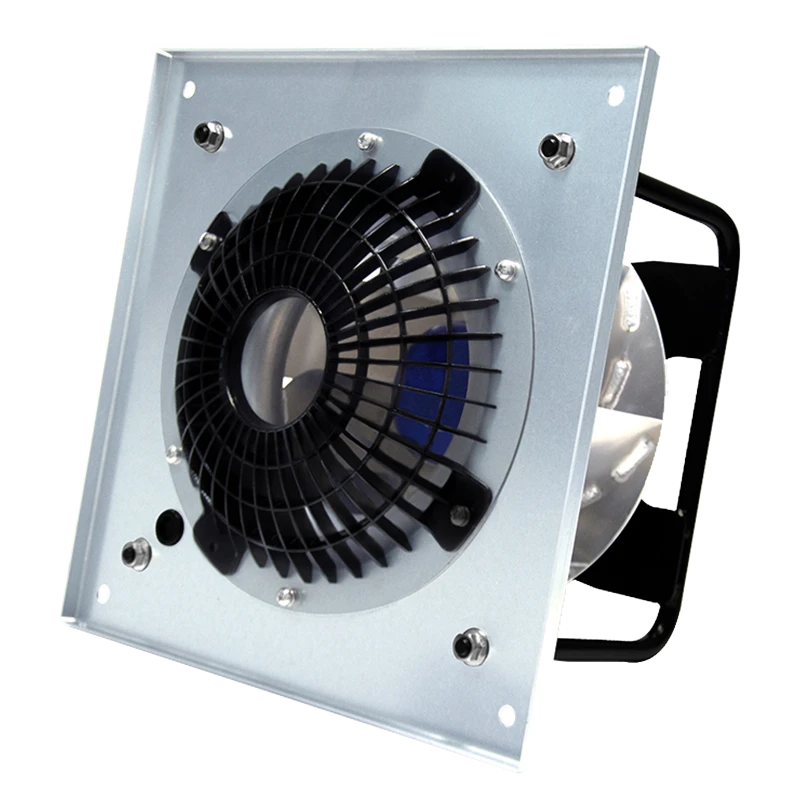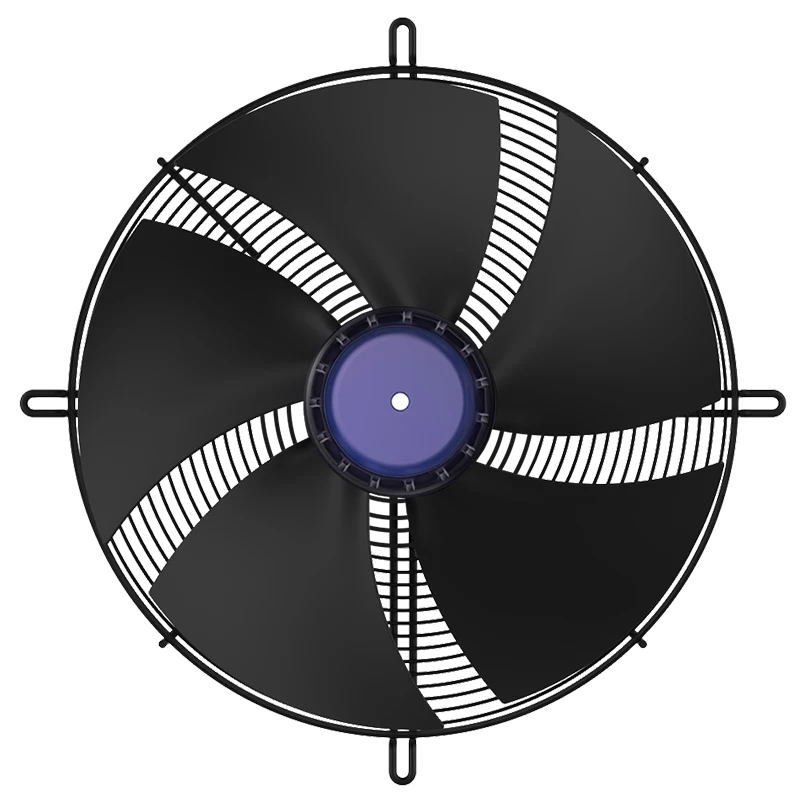
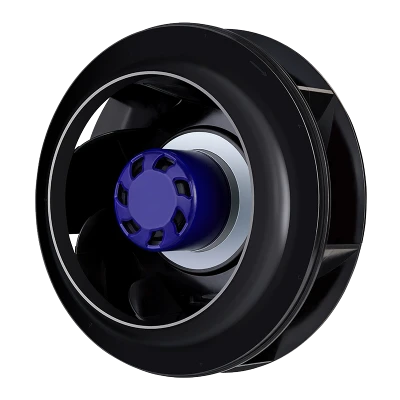
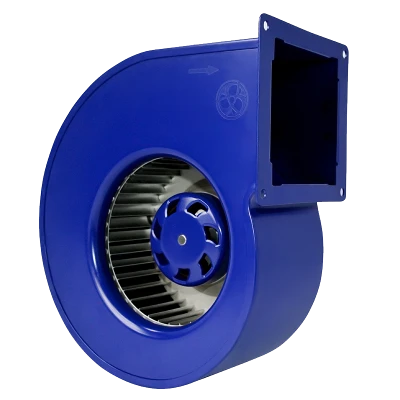
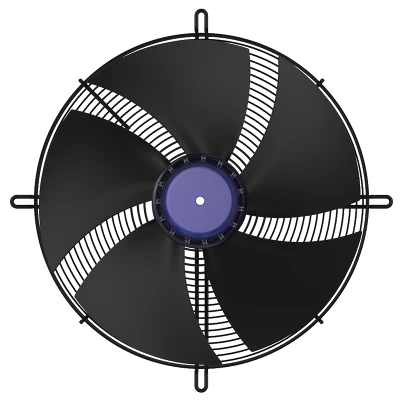
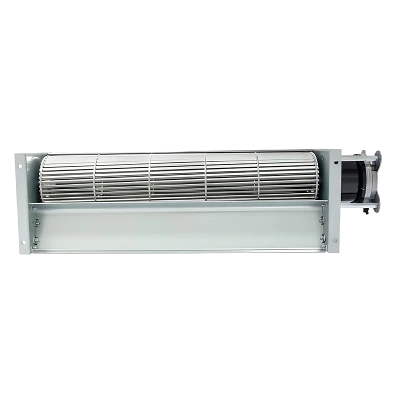
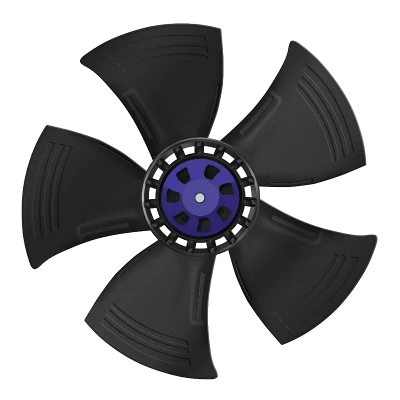
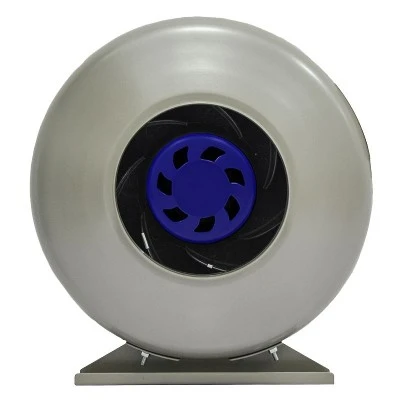
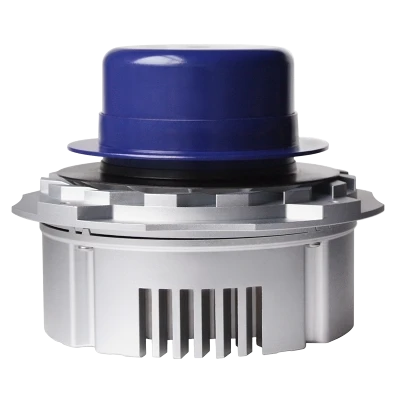

Hey everyone, if you've ever worked with industrial ventilation systems, you've probably dealt with vibrations-whether it's from adjacent machinery, uneven surfaces, or even the fan's own operation. As someone who's been supplying EC centrifugal fans for years, one question pops up constantly: Can an EC centrifugal fan actually handle all that vibration? Short answer: it's not a yes or no. It comes down to design, build quality, and how you install it. Let's break this down like I'm chatting with a fellow HVAC tech or system designer, no stuffy jargon promised.
First, let's get what an EC centrifugal fan is quickly. EC stands for Electronically Commutated motor-way more efficient than AC, right? No wasted energy on constant current, and they're brushless too, which means fewer moving parts that can wear out. That's a big leg up when it comes to vibrations, actually. AC fans often have brushes that spark and wear unevenly, causing tiny wobbles over time. EC motors skip that, so their internal components are more stable from the start. But that doesn't mean they're vibration-proof.
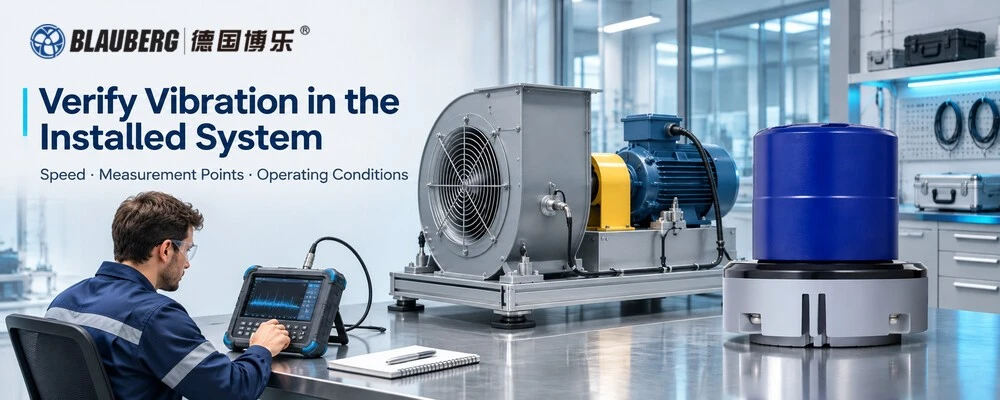
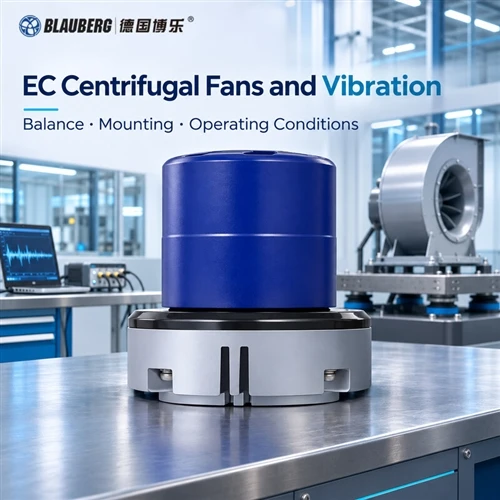
Let's talk about the biggest factors that make a fan hold up to vibration. First, the fan's impeller and rotor balance. If those aren't balanced within factory specs, even a light vibration will turn into a nightmare. I've seen some cheap knockoff EC fans where the balance was off by a mile-they'd shake so bad on startup, they'd rattle the ductwork next to them. The good ones, like the ones I supply, go through dynamic balancing at the factory. For example, our 230v 750W Big Motor Ec Centrifugal Fan Motors Electrical 0-10v gets balanced to G2.5 standard-that's super tight, way better than the G6 standard most AC fans use. G2.5 means any weight imbalance is tiny enough that even when the fan's running at full speed, the vibration is negligible. That's a game-changer for systems that have to sit next to heavy machinery, like in warehouses or industrial plants.
Next, the mounting. Even the best balanced fan will vibrate to death if you mount it wrong. I've heard of guys bolting a fan directly to a flimsy metal duct without any isolators-sure, it works for a week, then the duct starts to sag because the vibration shakes the joints loose. The key here is flexible vibration mounts. Rubber or spring mounts that absorb the vibrations from the fan so they don't transfer to the surrounding structure. For smaller fans, like our 230v 115W Big Motor Ec Centrifugal Fan Brushless Motor, we recommend lightweight rubber isolators that don't add too much weight but still do the job. For bigger setups, like the 750W one, we suggest heavier-duty spring mounts that can handle more weight and higher vibration loads. Also, don't skip checking the mounting surface-if it's uneven, the mount will flex unevenly, leading to extra vibration. A level surface is non-negotiable, I don't care what anyone says.
Then there's the type of vibration. Not all vibration is the same. There's constant low-frequency vibration from, say, a nearby pump running 24/7, and there's sudden sharp vibration from things like forklifts driving past a warehouse wall. EC fans handle constant low vibration way better than AC, because their motor design is more rigid. The stator and rotor are sealed tightly, so there's no room for movement that can amplify vibration over time. But sudden impact vibration? That's a trickier one. Our Blauberg MEC3L-72-25P 72mm 230V 115W EC Motor is built for smaller, more delicate systems like server rooms, so it can handle light sudden vibration. But if you're putting it in a factory where forklifts are zooming around, you might want a heavier-duty model, maybe the 750W one, because the bigger motor has a more robust housing that can absorb more of that shock.
Which centrifugal fan models should you review?

Blauberg BE-B400H-EC-05 400mm DC Backward Centrifugal Fan
View product details and specifications.
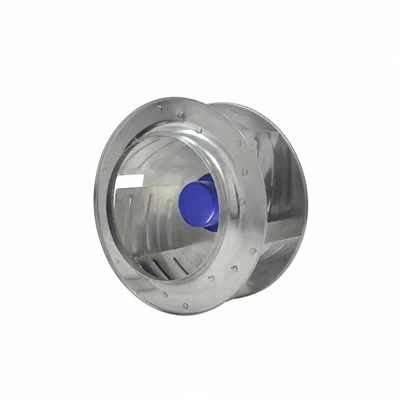
Blauberg BE-B400D-EC-05 400mm DC Backward Centrifugal Fan
View product details and specifications.
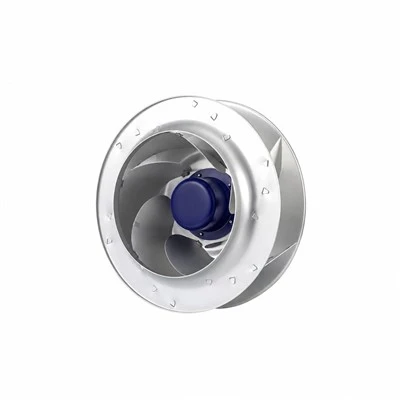
Blauberg BE-B355C-EC-05 355mm DC Backward Centrifugal Fan
View product details and specifications.
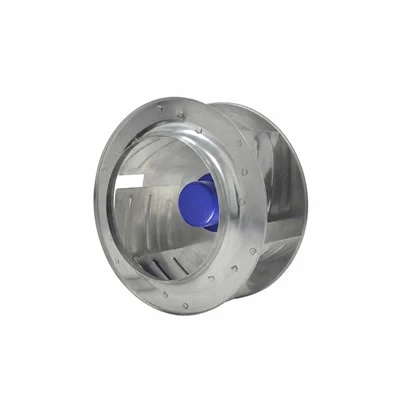
Blauberg BN-B310C-EC-01 310mm DC Backward Centrifugal Fan
View product details and specifications.
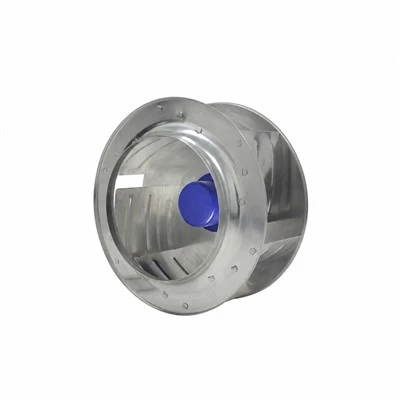
Blauberg BE-B310D-EC-N07 310mm DC Backward Centrifugal Fan
View product details and specifications.
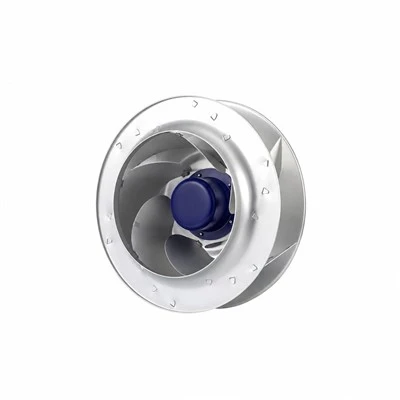
Blauberg BE-B310D-EC-05 310mm DC Backward Centrifugal Fan
View product details and specifications.
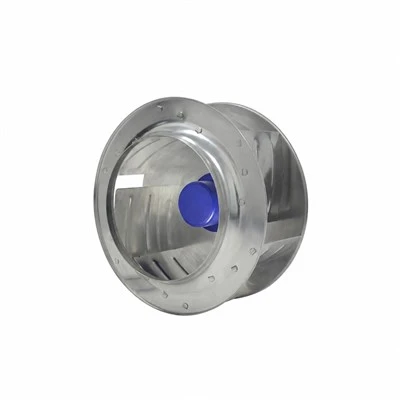
Blauberg BE-B310C-EC-01 310mm DC Backward Centrifugal Fan
View product details and specifications.
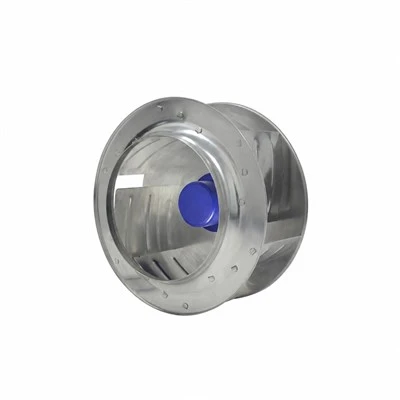
Blauberg BD-B310D-EC-N07 310mm DC Backward Centrifugal Fan
View product details and specifications.
Wait, what about the motor's control? A lot of people forget that the 0-10v speed control on EC fans can affect vibration too. If you're not wiring it right, or the control signal is noisy, it can make the motor run unevenly, which causes vibration. I see this a lot with DIY installs-guys use cheap extension cords for the control wire, and the electrical interference messes with the motor. Our 115v Motor Out Centrifugal Fan Motor 0-10v Motor Blower comes pre-wired with shielded control cables, so you don't have to worry about that. The shield blocks interference, so the speed stays consistent, no uneven running, no extra vibration. That's a small detail but it makes a huge difference in real-world use.
Let me throw in a real example I had last year. A client in a food processing plant called me up panicking because their old AC fans were failing every 6 months from vibration. The plant had heavy mixers running all day, so constant low vibration was tearing the fan mounts apart. We swapped them out with our EC centrifugal fans-specifically the 170W model, which was the right size for their ducts. They added flexible rubber mounts, and a year later, they called back saying they haven't had a single issue. The vibration was so low, they could touch the fan housing while it was running and barely feel a shake. That's the kind of result you get when the fan is designed to handle vibration, not just thrown together.
Now, what are the red flags that an EC fan isn't going to hold up? If it doesn't come with factory balance specs, that's a big one. If it uses cheap plastic impellers instead of metal, that's another-plastic can warp under vibration, throw balance off, and start shaking worse over time. Also, if the supplier doesn't offer vibration mounting recommendations, that's a sign they don't know their stuff. I always tell clients that a fan is only as good as its installation, so I never leave them hanging when they ask about mounts or wiring.
Wait, let's clear up a common misconception. Some people think EC motors are more fragile because they're electronic. No, the electronics are sealed inside the motor housing, so they're protected from vibration and dust. The brushless design means there's no contact between moving parts, so there's less wear from vibration. AC motors, on the other hand, have brushes that rub against the commutator, and that friction causes wear even without extra vibration. Add vibration to that, and the brushes wear unevenly, leading to bad performance and more vibration.
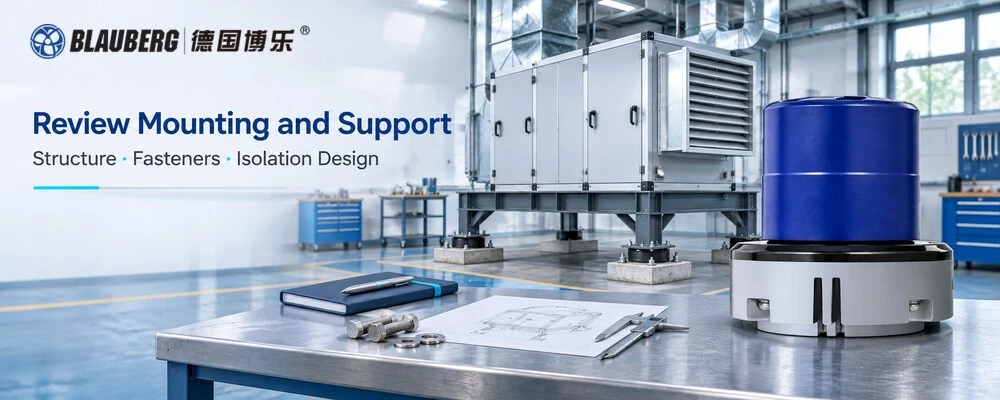
Another point: maintenance. Even if you have a great fan, skipping maintenance will make it fail from vibration eventually. Every 6 months, check the mounts to make sure they're still tight. Wipe down the impeller to remove dust or debris-even a small amount of dust on one side of the impeller will throw balance off a little, which adds up over time. For the bigger models, like the 750W one, I suggest checking the wiring connections too, because vibration can loosen wires, leading to electrical issues that might make the motor run unevenly.
So to circle back: Can an EC centrifugal fan withstand vibrations? Yes, if you pick the right model, install it correctly, and do basic maintenance. It's not a one-size-fits-all answer, but that's why I'm here. Whether you need a small 115W fan for a tight space, a 170W one for medium ducts, or the bigger 750W one for heavy industrial use, I've got options that are built to handle vibration. I can also walk you through mounting, wiring, and maintenance so you don't run into issues down the line.
If you're dealing with a system that has constant vibration, sudden shocks, or you just want a fan that's going to last longer than the competition, hit me up to talk through your needs. I don't do pushy sales-just honest info about what will work for your space. We can go over specs, check which fan fits your duct size and vibration load, and make sure you get something that won't shake apart after a few months. Don't let bad vibration ruin your ventilation system-let's sort it out together.
References:
- EC Motor Technology Basics. Industrial Ventilation Journal, 2022.
- Dynamic Balancing Standards for Industrial Fans. HVACR Research Institute, 2021.
- Vibration Isolation Mounts for Rotating Equipment. Mechanical Engineering Today, 2023.
- Industrial Fan Reliability: Case Studies in Vibration Resistance. Plant Maintenance Magazine, 2022.
Category of Blauberg Products
Built on German engineering principles, focusing on precision, reliability, and long-term performance. Through efficient and scalable manufacturing, we deliver high-quality ventilation solutions with optimized cost structure, ensuring strong value for global OEM and project-based customers.