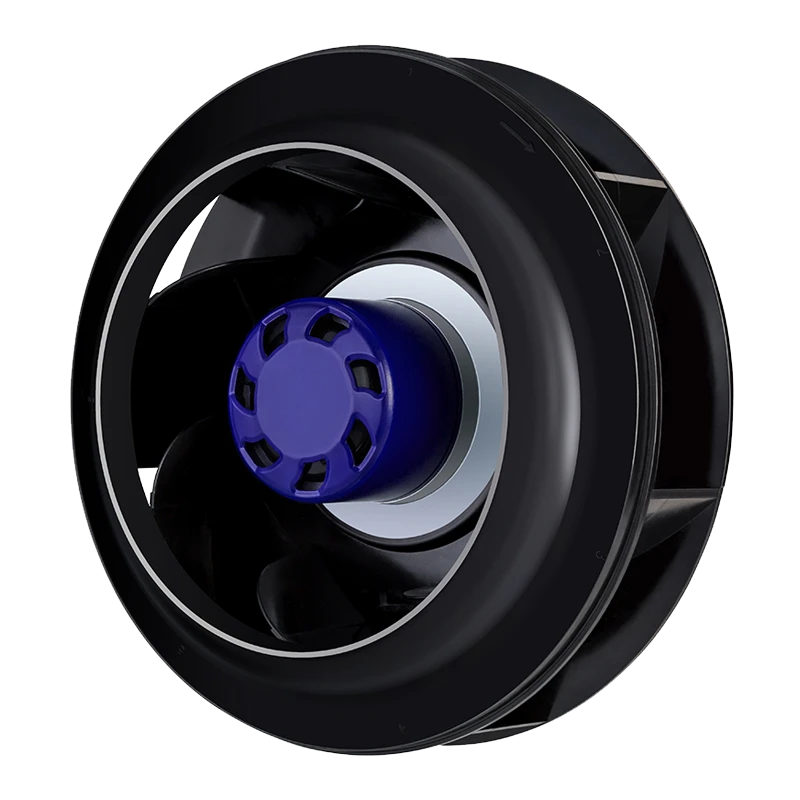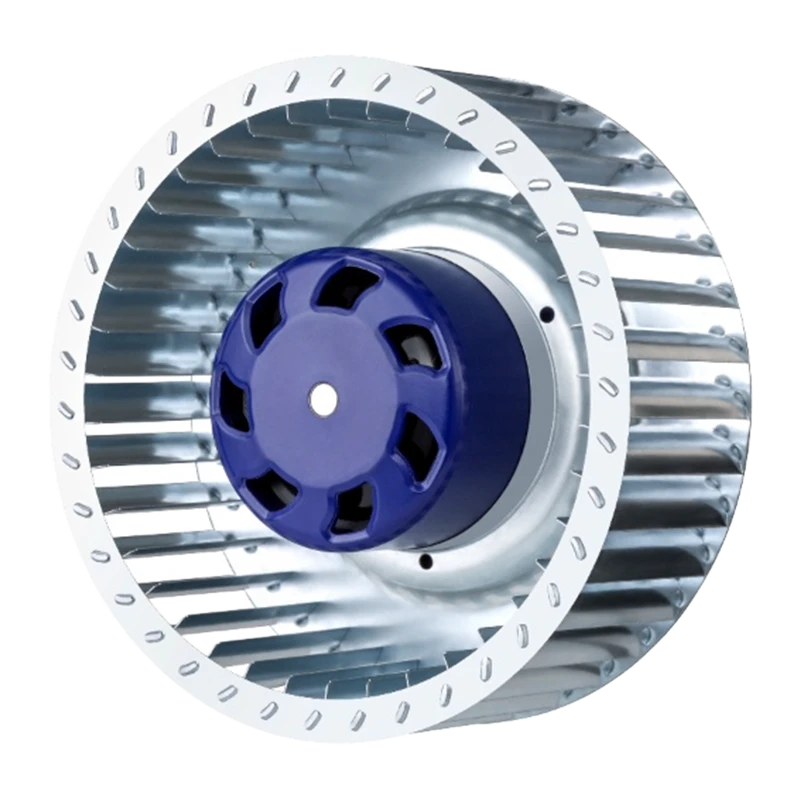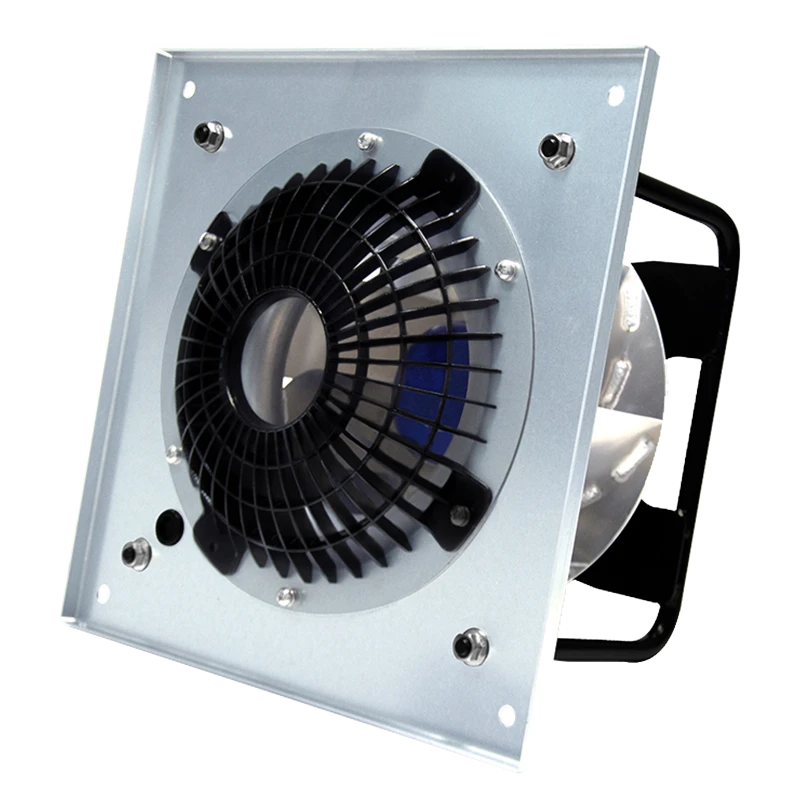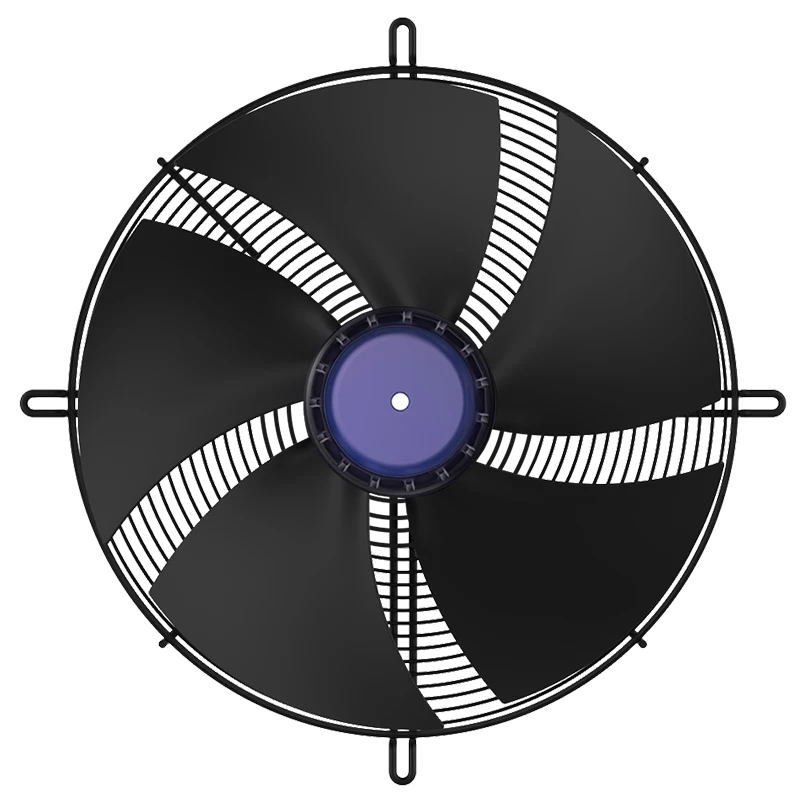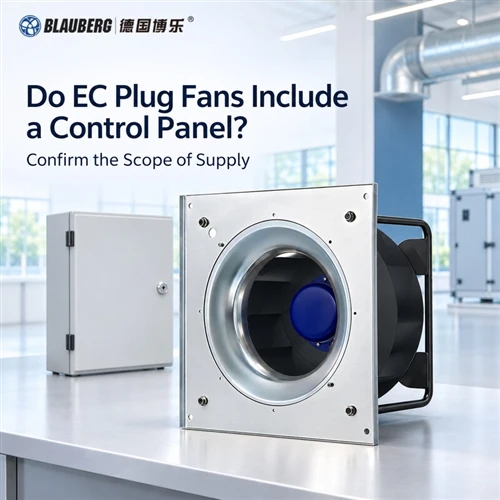
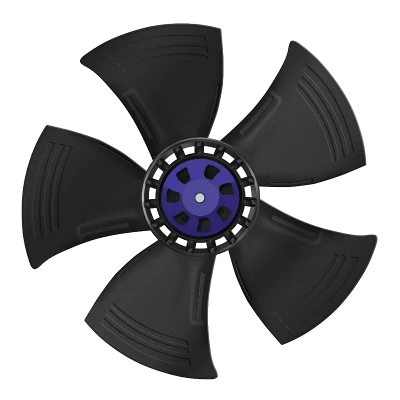
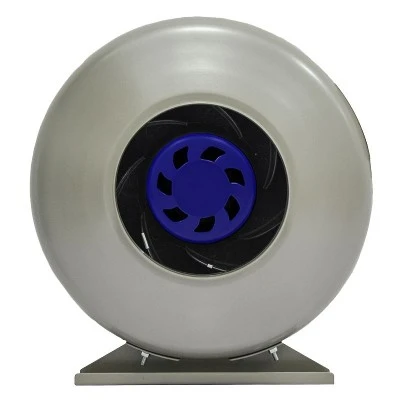
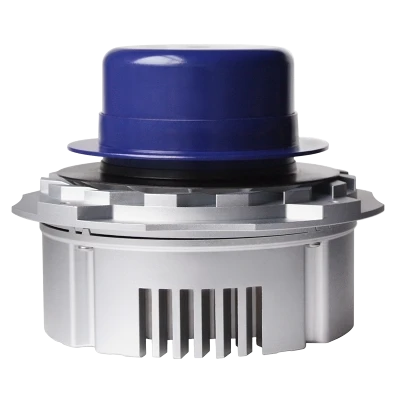

Hey there, I'm Sam, part of the team at an EC plug fan supplier that's been helping HVAC, industrial, and air quality folks get reliable ventilation gear for almost a decade. One of the most common questions I get hit with these days is: Do EC plug fans come with a control panel? It's not a silly question-control panels are the whole reason you can adjust fan speed, match load needs, and keep your system running without manual tweaks every time something changes. Today, I'm breaking this down straight, no corporate fluff, with real insight from the products we actually stock.
First, let's level-set for anyone who's new here. EC (electronically commutated) plug fans are different from old-school AC fans because they have a brushless motor that's way more efficient, quieter, and better at maintaining consistent airflow. They're used everywhere-from small AHU setups in office buildings to industrial exhaust systems, tight-air air purifiers, and even wall-mounted exhausts for basements or garages. The motor is the star here, but the control side is what makes them work for your specific job.

So back to the big question: Do they ship with a control panel? The short answer is… it depends, but not in the confusing way some sellers make it sound. Most standard, off-the-shelf EC plug fans don't come with a built-in or separate control panel right out of the box-and here's why. A control panel isn't a one-size-fits-all part. What a small restaurant needs to control its kitchen exhaust is totally different from what a manufacturing plant needs for warehouse ventilation, or what a home user needs for a bedroom air purifier. If every fan came with a generic control panel, you'd either be paying for features you don't need (like BACnet connectivity for a tiny exhaust fan) or missing ones you do (like IP55 weather resistance for an outdoor wall mount).
Wait, but hold on-"standard" fans, not all EC plug fans fall into that group. Some compact, low-power models are made for super specific use cases where control is minimal, so sometimes they have a simple integrated control on the fan itself, not a full standalone panel. But let's clarify the difference here because that's where a lot of buyers get mixed up. An integrated control is a tiny switch or potentiometer built right into the fan housing that lets you adjust speed with a flathead screwdriver, for example. A control panel is a dedicated, usually wall-mounted or rack-mountable unit that lets you adjust speed remotely, set schedules, connect to building automation systems, or sync with sensors for CO2 or temperature.
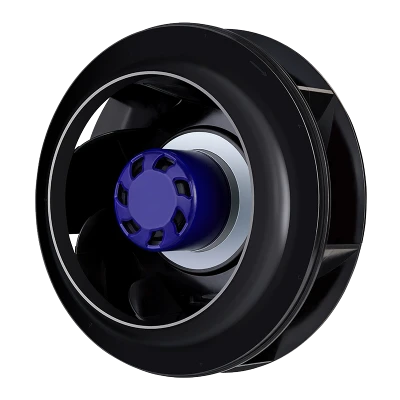
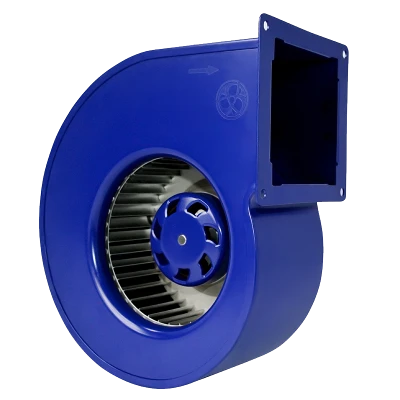
Let's use examples of actual products we carry to make this real. Take our [Blauberg GY-B355E-EC-05 355mm EC Plug Fan]-that's a mid-sized centrifugal fan often used in medium AHUs or commercial exhaust systems. This model doesn't come with a control panel because it's designed to integrate into larger systems where the client uses a building's own HVAC controls. If we added a panel here, it would add unnecessary cost and take up space someone might not have. On the flip side, our [250mm EC Lowes Exhaust Fan Through Wall Exhaust Fan for AHU]-that's a smaller, wall-mounted unit perfect for residential or small commercial spaces. It doesn't come with a control panel either, but it works seamlessly with basic inline speed controllers that are easy to install for someone with basic DIY skills or a small electrician.
But wait, there are exceptions. Some industrial EC plug fans for harsh environments do have built-in controls that act like a mini control panel. Our [175mm EC Ip55 Industrial Air Handling Centrifugal Silent Fan Exhaust for Air Purifier] is a great example-this one's rated IP55, so it works in dusty, moist industrial workshops or outdoor air purification setups. It has a small built-in control on the fan that lets you toggle between low, medium, and high speeds, and even has a timer function-perfect for someone who doesn't want to mess with a separate panel, and doesn't need fancy remote connectivity. For heavier-duty industrial use, our [310mm EC Electric Cooler Exhaust Motor Low Noise Air Blowing Centrifugal Fan with CE and RoHS] is built for heat exchangers or large warehouse cooling. It's compatible with standard industrial control panels from major brands, but it doesn't come with one because clients usually already have panels for their existing cooling systems, so they just need the fan to connect to that infrastructure.
Another point: if you don't need a fancy full control panel, there are simple add-ons for almost any EC plug fan. Our [225mm DC 10v Speed Fan Motors Manufacturer Waterproof Radial Centrifugal Exhaust Fan for FFU] works great with low-voltage DC speed controllers, which are cheap, compact, and ideal for cleanroom FFU applications (that's Fan Filter Units, if you didn't know). No full control panel needed there-just a small, wall-mounted controller that plugs into the fan, lets you dial in exact speed, and fits in tight spaces.
Which plug fan models should you review?

Blauberg GN-B310C-EC-01 310mm DC Plug Fan
View product specifications, supply voltage and performance data.

Blauberg GD-B310C-EC-01 310mm DC Plug Fan
View product specifications, supply voltage and performance data.

Blauberg GD-B280D-EC-N07 280mm DC Plug Fan
View product specifications, supply voltage and performance data.
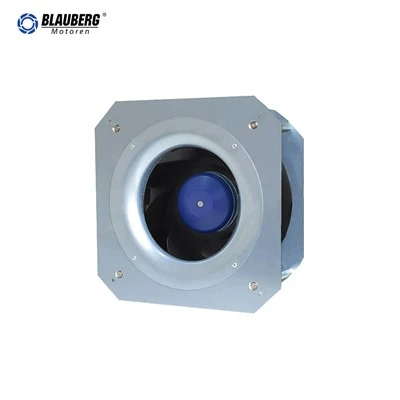
Blauberg GE-B250B-EC-N07 250mm DC Plug Fan
View product specifications, supply voltage and performance data.
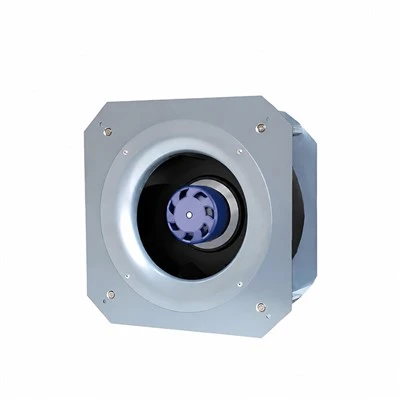
Blauberg GE-B250B-EC-M1 250mm DC Plug Fan
View product specifications, supply voltage and performance data.

Blauberg GD-B250B-EC-N07 250mm DC Plug Fan
View product specifications, supply voltage and performance data.

Blauberg GD-B250B-EC-M1 250mm DC Plug Fan
View product specifications, supply voltage and performance data.

Blauberg GD-B175B-EC-M0 175mm DC Plug Fan
View product specifications, supply voltage and performance data.
Now, let's talk about why suppliers do (and don't) include control panels, because this isn't a greedy thing-at least not from our end. Back in the day, AC fans were simpler, so a basic switch or control came standard. EC fans changed the game because they're modular. If a client needs to adjust fan speed via a building automation system (BAS) that uses Modbus or BACnet, adding a generic control panel that can't sync with that system would make the fan useless. If a client only needs to control the fan with a simple on/off switch, a separate panel is overkill and adds cost to the fan that the buyer shouldn't have to pay.
Also, compatibility is huge. Not all control panels work with all EC plug fans. Each fan has a specific voltage requirement, modulation signal (0-10V, PWM, etc.), and power rating. If we shipped a control panel with every fan, we'd have to stock 10 different panels for one fan model alone, and that's just inefficient for everyone. It's way better to work with the client's existing setup or help them pick a control panel that's tailored to their needs, not a one-size-fits-all that might not work.
Wait, but I know what some of you are thinking: "I'm a homeowner replacing a bathroom exhaust fan, and I just want to plug it in and go-do I really need to install a whole control panel?" No, absolutely not. That's the mistake a lot of new buyers make when they start researching EC plug fans. For residential or small DIY jobs, you don't need a full control panel. You just need the right fan, a basic speed controller (or even a standard light switch if you don't need variable speed), and a good electrician. That's why fans like our 250mm wall exhaust fan are so popular-they work with that kind of simple setup. The control panel stuff is for commercial, industrial, or large-scale HVAC systems where you need precision, scheduling, or remote monitoring.
Another common misconception: built-in motor controls = control panel. EC motors have a drive that lets them run efficiently, but that's not the same as a control panel. The drive is what makes the motor work with different voltages and modulation signals, while the control panel is what you use to adjust how the motor performs in your system. For example, the Blauberg GY-B355E-EC-05 has an EC drive, so it can handle 0-10V speed control, but you still need to add a control panel or speed controller to actually send that signal to adjust the speed.

So, let's recap what you need to know to avoid frustration when shopping for EC plug fans:
- Standard EC plug fans do NOT come with a control panel. It's not a flaw, it's designed for flexibility.
- The only exceptions are small, specialized fans with built-in mini controls for basic speed adjustments.
- Pick a control panel (or speed controller) based on your needs: DIY residential = basic controller, commercial HVAC = building-compatible panel, industrial = heavy-duty panel.
- Always check the fan's specs to make sure the control panel you pick is compatible (voltage, modulation signal, power rating).
At the end of the day, the best part about EC plug fans is their versatility. They're built to work with your system, not the other way around. If a control panel was included with every fan, you'd be limiting their use cases, which is why all the reputable EC plug fan suppliers (including us) don't ship with pre-attached control panels.
Now, if you're in the market for an EC plug fan, whether for a small wall exhaust, a commercial AHU, or an industrial air purifier, we've got you covered. We work with clients to match the right fan with their existing control setup, or help them source the perfect control panel for their specific needs. If you have questions about compatibility, need help sizing a fan for your project, or want to get a quote, don't hesitate to reach out to our team. We're here to make this process straightforward, no jargon, no hidden fees.
References:
- EC Plug Fan Installation and Control Best Practices, HVAC Technology Association (HTA)
- Electronically Commutated Motor Applications for Commercial Ventilation, ASHRAE Journal
- Industrial Ventilation Control Systems: Modular Design for Flexibility, Occupational Safety and Health Administration (OSHA) Technical Report
Category of Blauberg Products
Built on German engineering principles, focusing on precision, reliability, and long-term performance. Through efficient and scalable manufacturing, we deliver high-quality ventilation solutions with optimized cost structure, ensuring strong value for global OEM and project-based customers.