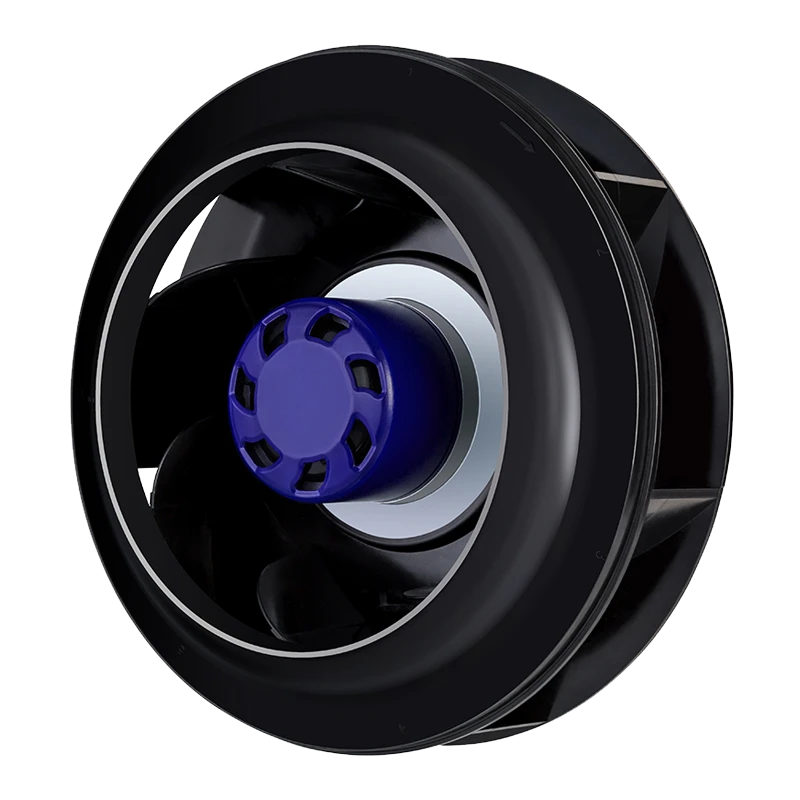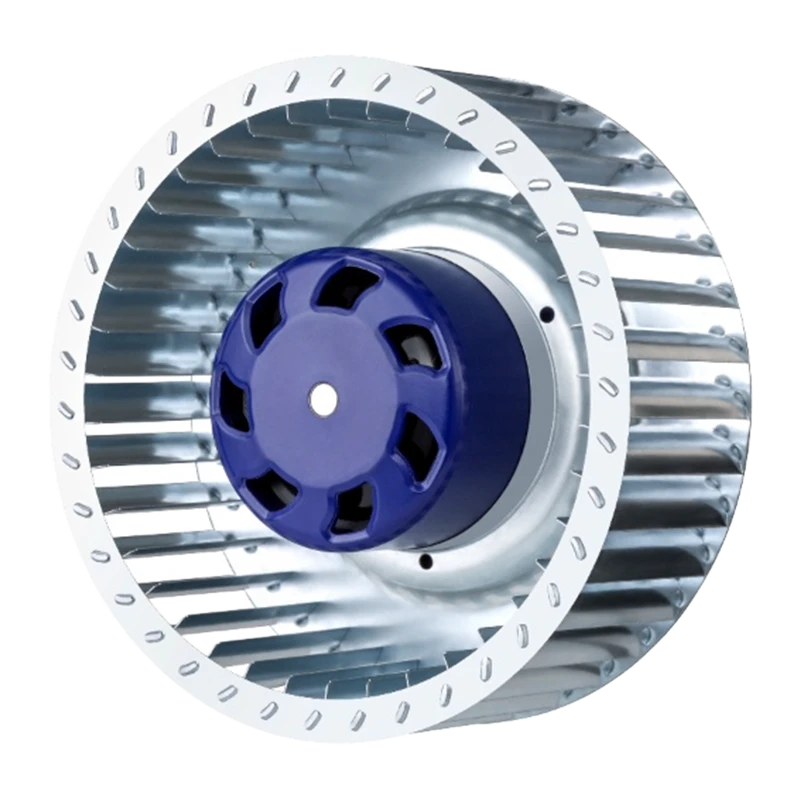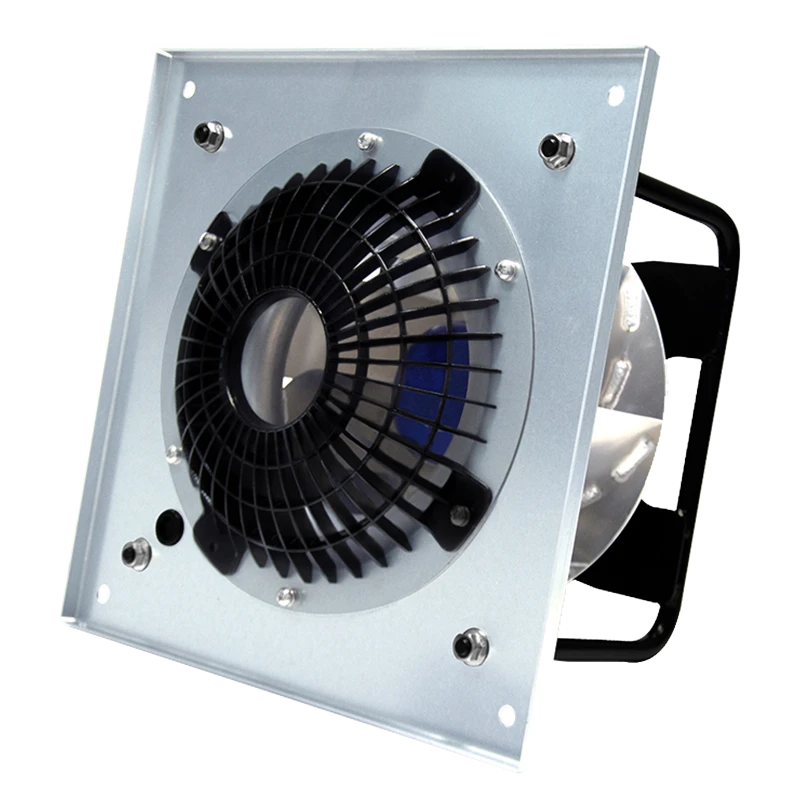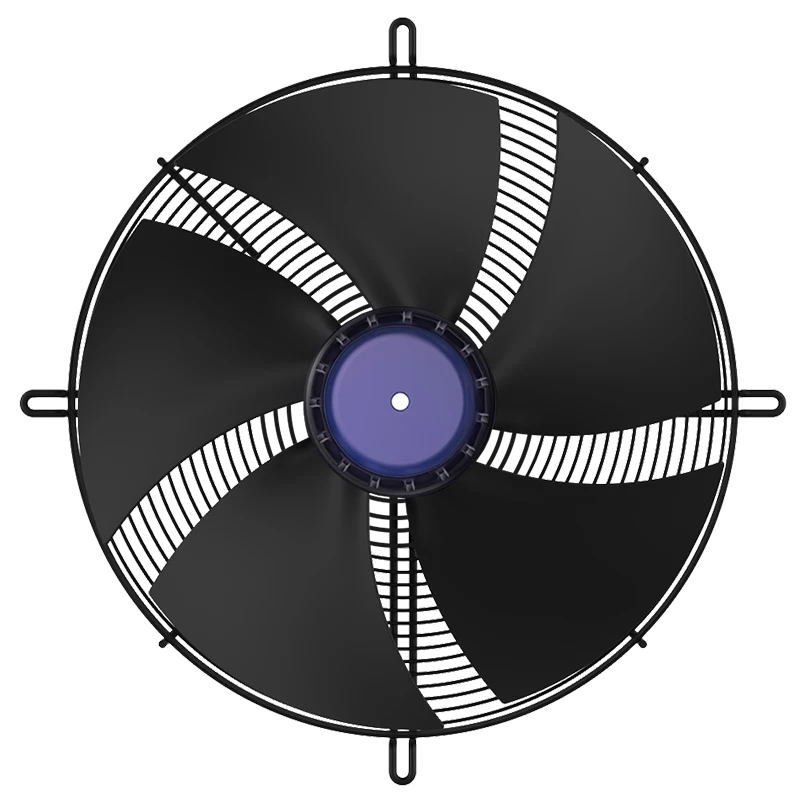

If you've ever stood next to an industrial motor humming along in a warehouse, data center, or HVAC unit, you might not realize how much of a difference efficiency makes. For small business owners, facility managers, or people like me who've spent the last decade supplying motors to businesses across North America, high-efficiency motors aren't just a technical upgrade-they're a way to cut costs, reduce maintenance, and future-proof operations. When I help clients choose the right motor for their centrifugal fan systems, the first question I always ask isn't "What's the cheapest?" It's "What will save you money over five years?" That's the value of high-efficiency motors, and it's backed by more than just marketing hype-it's rooted in hard data and real-world use.
The most obvious advantage people notice first is energy cost savings. Standard motors waste a lot of electricity as heat-studies from the U.S. Department of Energy (DOE) estimate that motors account for nearly 25% of all electricity consumed in commercial buildings, and up to 40% in industrial settings. A standard motor might have an efficiency rating of 80% to 90%, meaning 10 to 20 cents of every dollar it spends on power just disappears as heat. High-efficiency motors, by contrast, hit 95% efficiency or higher. For a facility running multiple motors 24/7, that adds up fast. Let's say you run a centrifugal fan system with a 750W motor, like our 230v 750W Big Motor Ec Centrifugal Fan Motors Electrical 0-10v. If you pay $0.15 per kWh and run that motor 8,760 hours a year, a standard 750W motor would cost you around $985 in electricity annually. Our high-efficiency EC version? That drops to under $840. Multiply that by 10 motors in a mid-sized warehouse, and you're saving more than $1,400 a year-money that goes straight to your bottom line.

Energy savings don't just mean lower utility bills; they also reduce a facility's carbon footprint, which is a big deal for businesses navigating tighter emissions regulations or looking to meet ESG goals. Many corporate clients now require their supply chain partners to show measurable reductions in energy use, and high-efficiency motors are one of the easiest ways to check that box. For example, a 2023 study from the Electric Power Research Institute (EPRI) found that replacing a standard motor with a high-efficiency equivalent reduces carbon emissions by roughly 1.2 tons per year for every 1 kW of motor output. That 750W motor I mentioned earlier? Cutting more than a ton of CO2 annually, just by upgrading. It's not just good for the planet-it's also a selling point for businesses competing for contracts with sustainability-focused clients.
Next on the list is lower maintenance needs and longer motor lifespan. Standard motors generate more heat, which breaks down internal components faster. Windings, bearings, and lubricants degrade over time when exposed to excess heat, leading to more frequent breakdowns, unplanned downtime, and costly repairs. High-efficiency motors are engineered with better materials-thicker copper windings, precision bearings, and improved insulation-that handle heat far more effectively. They also run at cooler operating temperatures, often by 10 to 20 degrees Celsius, which extends their lifespan. I've seen standard motors last an average of 10 to 12 years, while our high-efficiency EC motors for centrifugal fans, like the 115v Motor Out Centrifugal Fan Motor 0-10v Motor Blower, regularly hit 15 to 20 years with minimal maintenance. For facilities that can't afford unexpected shutdowns-like 24/7 data centers or pharmaceutical manufacturing plants-fewer breakdowns mean consistent operations. I recently worked with a client in the food processing industry who was replacing standard motors every 3 years due to constant overheating. Switching to our high-efficiency units cut their motor replacement costs by 70% in just two years.
Which EC motor models should you review?
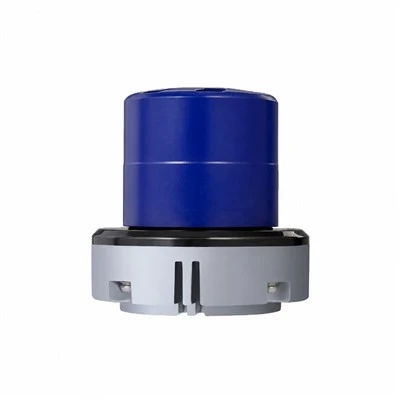
Blauberg MEC3L-72-25P 72mm 230V 115W EC Motor
View product details and specifications.

230v 115W Big Motor Ec Centrifugal Fan Brushless Motor
View product details and specifications.
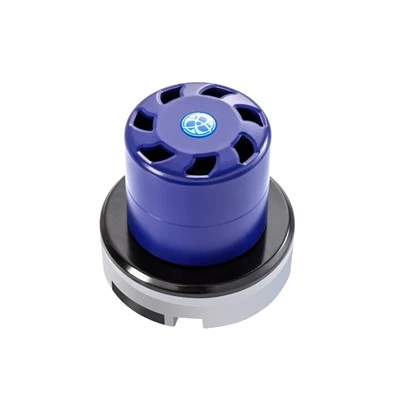
115v Motor Out Centrifugal Fan Motor 0-10v Motor Blower
View product details and specifications.
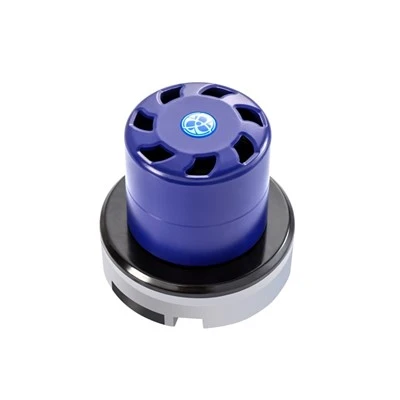
230v 170W Big Motor Ec Centrifugal Fan Motors Electrical
View product details and specifications.
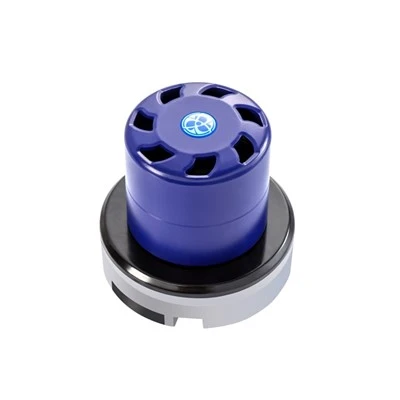
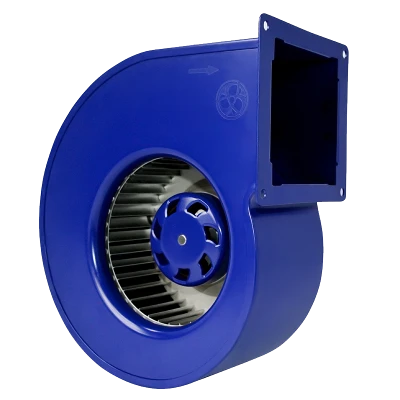
230v Centrifugal Fans with External Rotor Motor Big Motor Ec Centrifugal Fan
View product details and specifications.
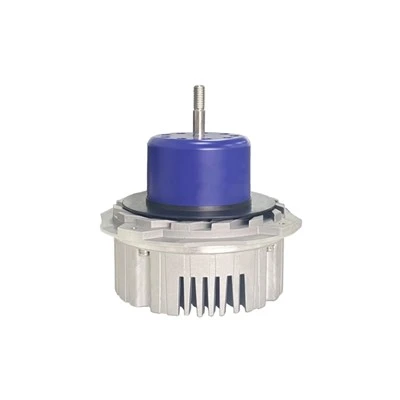
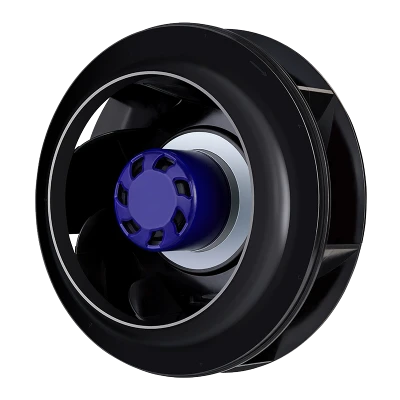
230v 750W Big Motor Ec Centrifugal Fan Motors Electrical 0-10v
View product details and specifications.
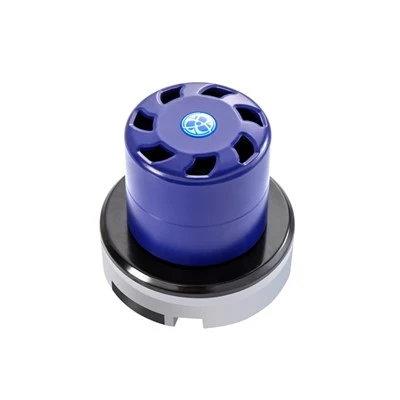
230v Centrifugal Fans with External Rotor Motor 0-10v
View product details and specifications.
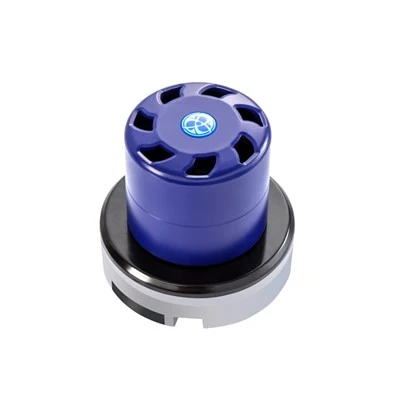
12v 85W 5060hz Centrifugal Fan Motor Out Centrifugal Fan
View product details and specifications.
High-efficiency motors also offer better performance and control, which is a game-changer for systems like centrifugal fans that often need to adjust output based on demand. EC (electronically commutated) motors, which are a type of high-efficiency motor, use digital controls instead of mechanical components to regulate speed, so they can adjust their output in real time with precision. That's why motors like our 230v 115W Big Motor Ec Centrifugal Fan Brushless Motor work so well for variable-air-volume HVAC systems-they can slow down when less airflow is needed, instead of running at full speed and wasting energy on excess air. Traditional motors often use damper controls to reduce airflow, which forces the motor to work harder and wastes electricity. EC motors eliminate that inefficiency by matching speed exactly to demand. For small applications, like the 12v 85W 5060hz Centrifugal Fan Motor Out Centrifugal Fan used in residential ventilation or small electronics, that precision control means quieter operation too-something homeowners and office occupants notice immediately.

There's also a hidden benefit in terms of facility capacity. When a motor runs cooler, it doesn't add as much heat to the surrounding environment. That might not sound like a big deal, but for facilities that rely on HVAC systems to maintain consistent temperatures, less heat from motors means less load on the HVAC system itself. A 2022 DOE study found that in commercial buildings, motor heat can account for up to 10% of the cooling load, so replacing standard motors with high-efficiency ones can reduce HVAC energy use by another 5% to 8% on top of the motor's own savings. It's a compound benefit that many clients don't consider at first, but it adds up to even more long-term savings.
Of course, I know what some people are thinking: "High-efficiency motors cost more upfront." It's true-initial purchase prices are 10% to 30% higher than standard motors. But when you factor in energy savings, lower maintenance, and longer lifespan, that premium pays for itself quickly. A simple payback calculation for that 750W motor I talked about earlier: the initial cost difference is roughly $200, but the annual savings are $145, so payback is less than 18 months. After that, every dollar spent on the motor is pure savings. For larger industrial motors, the payback period can be even shorter, sometimes under a year, because energy costs are so high for big operations. I always make it a point to walk clients through that calculation-no one wants to pay more upfront, but no one wants to leave money on the table either.
It's also important to note that efficiency isn't one-size-fits-all. Different applications call for different high-efficiency motor types. For example, centrifugal fan systems in commercial HVAC often use external rotor motors, like our 230v Centrifugal Fans with External Rotor Motor 0-10v, which integrate the rotor into the fan blade for a compact, efficient design. Smaller, low-voltage applications, like those in electronics cooling, benefit from brushless EC motors that offer precise control at low power. The key is choosing the right high-efficiency motor for your specific use case, not just the most expensive one. That's why I spend time understanding a client's needs-whether they're updating a warehouse's ventilation system, replacing a motor in a manufacturing line, or outfitting a new office-before making a recommendation.
Another often-overlooked advantage is compliance. Many regions, including the U.S., EU, and parts of Asia, have minimum efficiency standards for motors. For example, the DOE's Energy Policy Act mandates that motors sold in the U.S. meet IE3 (International Efficiency) standards by 2027, and many states already require IE3 motors for new construction or motor replacements. Choosing a high-efficiency motor ensures you're not only avoiding fines for non-compliance, but also future-proofing your operation for upcoming regulations. A few years back, a client of mine tried to save money by buying a standard motor that didn't meet the new IE3 standards. Six months later, when their old motor broke down, they had to pay a 20% premium to upgrade to a compliant model instead of getting a cheap replacement. That's a lesson I always share-skipping efficiency now can end up costing more later.
Let's wrap this up: high-efficiency motors offer tangible, long-term benefits that go far beyond just lower utility bills. They reduce your carbon footprint, cut maintenance and repair costs, extend equipment lifespan, offer better control and performance, reduce secondary HVAC loads, ensure regulatory compliance, and ultimately deliver a far higher return on investment than standard motors. For anyone in the market for centrifugal fan motors, HVAC components, or industrial drive systems, the choice isn't just between "cheap" and "expensive"-it's between a purchase that saves you money for a decade, and one that costs you more in the long run.
If you're ready to upgrade your motor system, or have questions about which high-efficiency motor is right for your application, reach out to us to discuss your needs and get a tailored quote. We're here to help you find the solution that fits your budget and goals, whether you're a small business owner, a facility manager, or an industrial operations leader.
References:
U.S. Department of Energy. (2022). Motor Systems Energy Assessment Guide for Commercial and Industrial Buildings.
Electric Power Research Institute. (2023). Carbon Footprint Reductions from High-Efficiency Motor Retrofits.
International Electrotechnical Commission. (2021). IEC 60034-30-1: Rotating electrical machines – Part 30-1: Efficiency classes of line operated AC motors (IE code).
Building Operating Management. (2022). "The Hidden HVAC Savings from High-Efficiency Motors."
Category of Blauberg Products
Built on German engineering principles, focusing on precision, reliability, and long-term performance. Through efficient and scalable manufacturing, we deliver high-quality ventilation solutions with optimized cost structure, ensuring strong value for global OEM and project-based customers.