
Hey everyone,
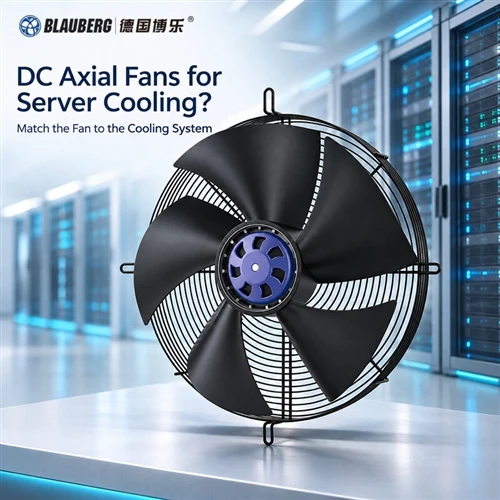
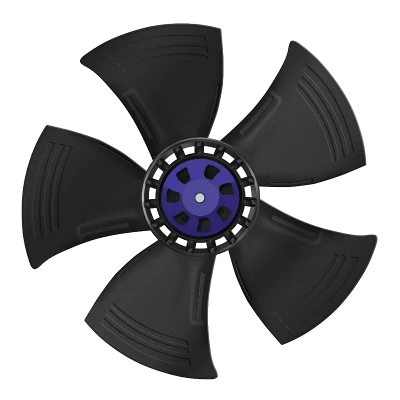
If you've ever built or maintained a server, you know cooling is make or break. Servers crank out so much heat-run too hot, and you're looking at downtime, throttled performance, or even a dead unit real fast. Lately, I've been getting a ton of questions from server admins and tech folks: Can DC axial fans actually work for servers? As a DC axial fan supplier, I've got hands-on experience here, so let's break this down like we chat at a tech meetup, no jargon overload.
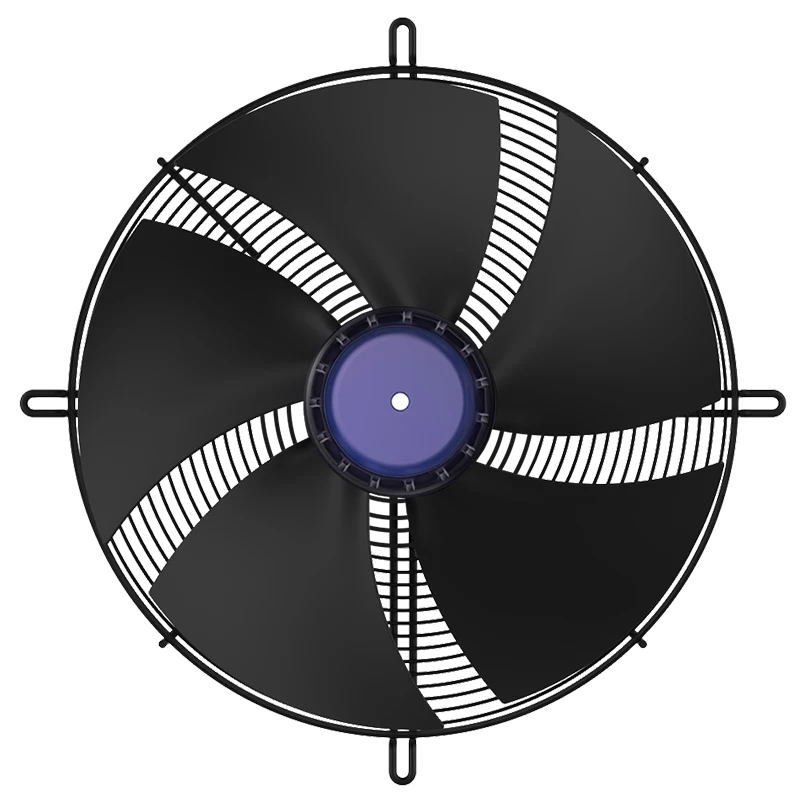
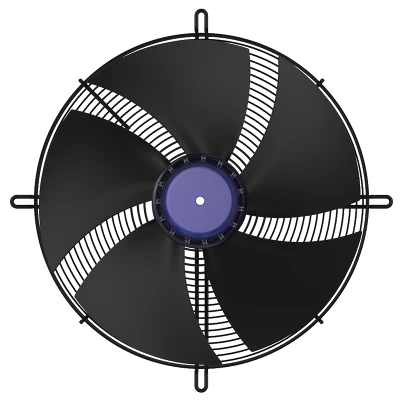
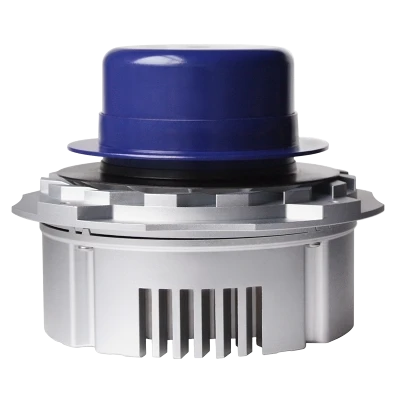
First, let's get the basics straight. DC axial fans move air along their axis-think of a tiny, powerful fan that blows air straight through, perfect for pushing airflow across server components like CPUs, RAM, and hard drives. Unlike AC fans, DC fans run on direct current, which is what most server power supplies put out natively. That's already a big win, but let's dive into why this matters for servers specifically.
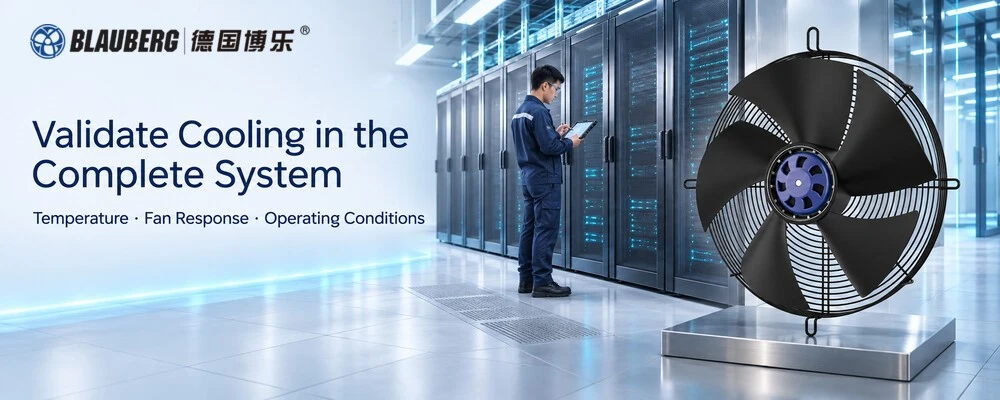
Servers aren't your regular home PC. They're packed densely in racks, so airflow has to be consistent, efficient, and low-noise-data centers run 24/7, so you don't want a fan that sounds like a jet engine in your server closet. DC axial fans shine here because they're way more efficient than AC fans, especially at lower speeds. For example, when a server isn't under heavy load, it doesn't need maximum cooling-DC fans can dial back their speed automatically, cutting down on energy use and noise without sacrificing airflow. That's a huge plus for data centers counting every kilowatt-hour to keep costs down.
Wait, but let's not gloss over the requirements. Servers need precise temperature control, right? Most server motherboards and BMCs (Baseboard Management Controllers) let you control fan speeds based on real-time heat data. DC axial fans are compatible with that-many support PWM (Pulse Width Modulation) control, which lets the board adjust fan speed on the fly. AC fans can do that too, but they're less responsive and use more power at lower speeds, so you're wasting energy when you don't need it.
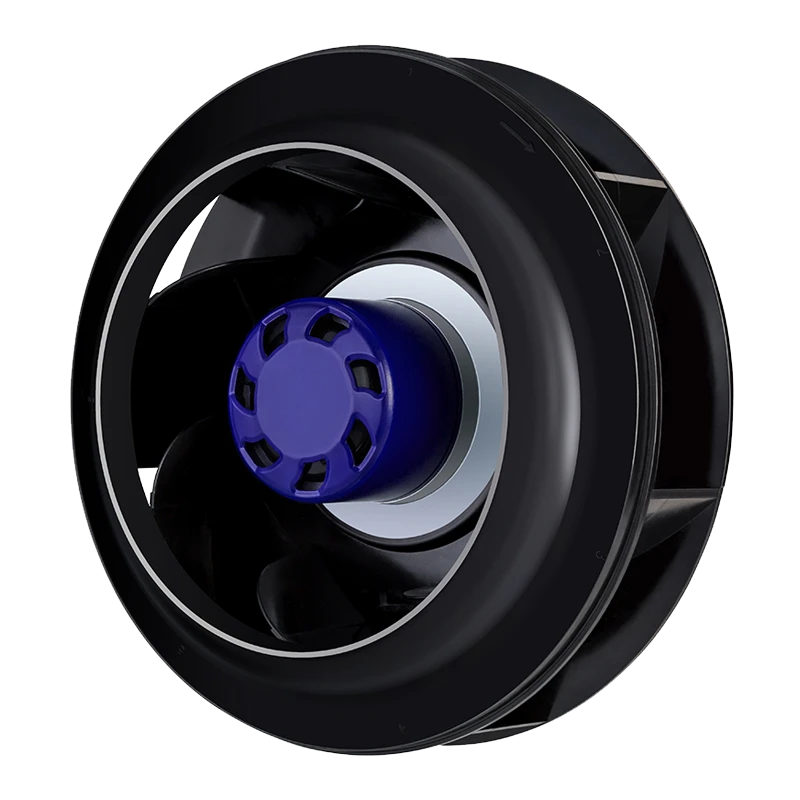
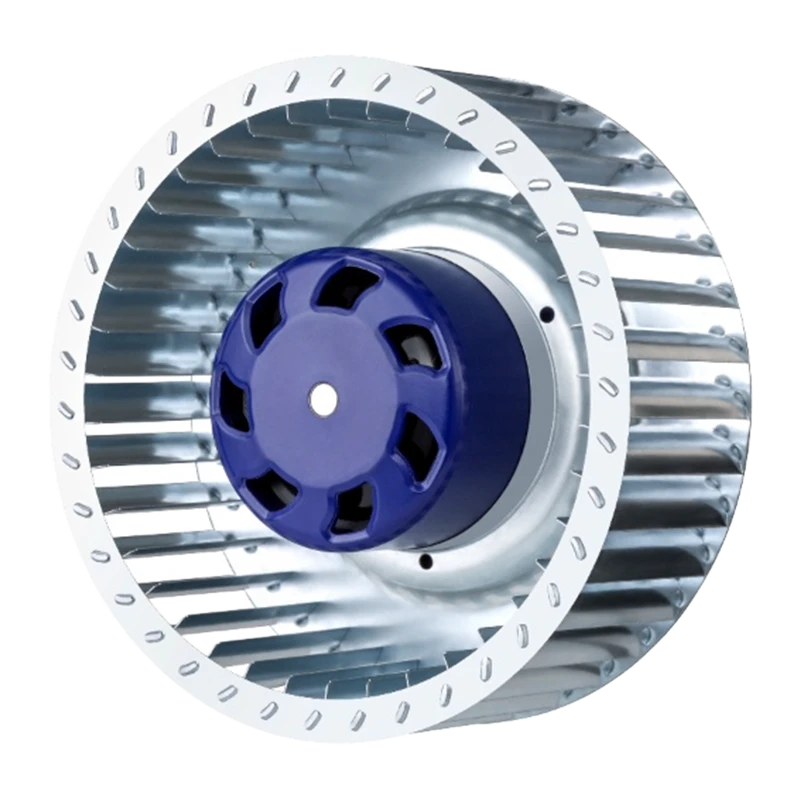
Now, let's talk about size. Servers come in different form factors-1U, 2U, even 4U racks. You need fans that fit the limited space without blocking other components. That's where our range of DC axial fans comes in. We've got 200mm options like the Blauberg BE-A200C-EC-00, a compact 200mm model that's perfect for smaller 1U servers where space is tight. For mid-sized 2U servers, our 250mm line works great-check out the Blauberg BE-A250C-EC-00, a reliable 250mm DC axial fan that balances airflow and size. And if you need a bit more power for higher-density servers, the Blauberg BE-A250C-EC-02 is another top pick, with higher static pressure to push air through denser server cabinets.
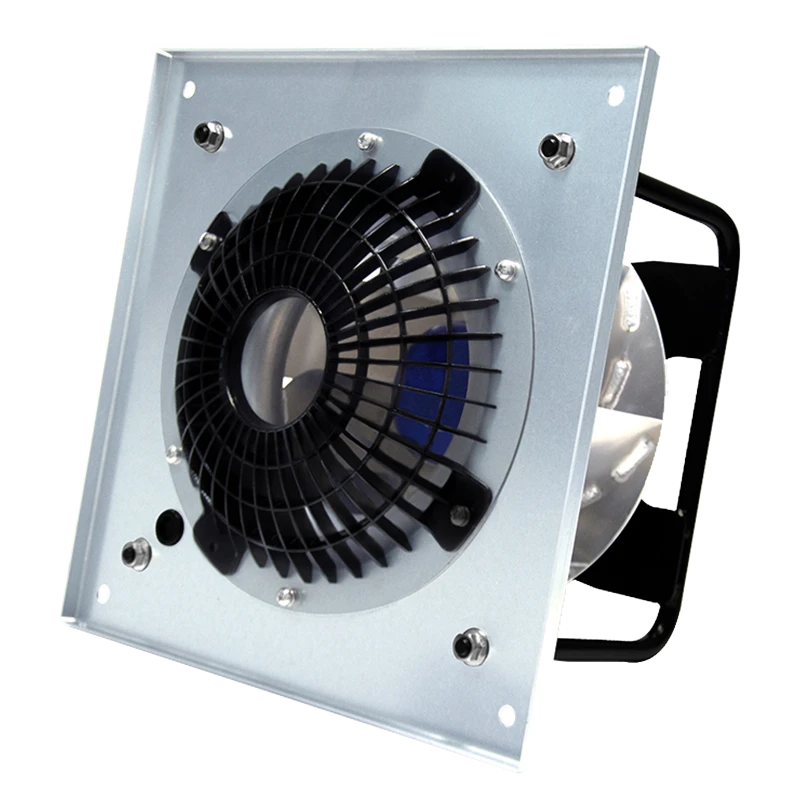
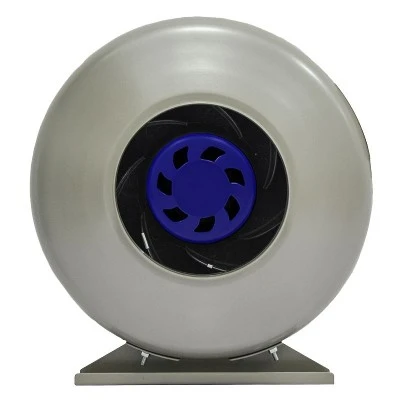
But hold on, is there a downside? Some people say DC axial fans might not handle high static pressure as well as centrifugal fans. Wait, that's a common myth-modern DC axial fans are designed for that. The ones we supply, like the 200mm 310V DC Window Axial Compact Fan, have been tested in AHU (Air Handling Unit) and FFU (Fan Filter Unit) setups, which have pretty high static loads, and they perform flawlessly. For servers, static pressure is the amount of force needed to push air through the server's heatsinks and other components-our DC axial fans have just enough of that to work in standard server setups, and if you have a really dense server with tight airflow paths, you can pair them with a bit of ducting or use a model with higher static pressure, like the Blauberg BE-A250C-EC-02.
Another big point: reliability. Servers run 24/7, 365 days a year, so fans need to last. DC fans have fewer moving parts than AC fans, which means less wear and tear-no bulky motors or capacitors that can fail over time. The models we supply have been tested for thousands of hours of continuous operation, so you can count on them not to die mid-shift. That's critical for businesses that can't afford downtime-every server minute lost costs money, so a reliable fan is non-negotiable.
Let's get real with a use case. I recently worked with a small cloud hosting company that was having issues with their AC fans burning out every 18 months, leading to unexpected downtime. They switched to our DC axial fans, specifically the 250mm DC Axial Fan Air Conditioner Fan Variable model, and they've been running for over 2 years without a single failure. Not only that, their energy bills dropped by 15% because DC fans are more efficient-they were paying around $500 a month in power for their server fans, now it's down to $425. That's a real win for their bottom line.
Wait, but what about noise? If you've got a server rack in an office space, noise matters. DC axial fans are way quieter than AC fans at the same airflow rate. Our models have noise levels as low as 25 dB at low speed, which is about as quiet as a library-no more annoying whirring that makes working near the server closet impossible. That's a big deal for businesses that host servers in-house instead of a data center.
But let's not pretend DC axial fans are the only solution. If you have a super high-density server (like 12+ GPUs for AI workloads), you might need a combination of axial and centrifugal fans, but for standard servers (web servers, file servers, small databases), DC axial fans are more than enough. They're cheaper to install, more energy-efficient, and just as reliable as other options.
Which EC axial fan models should you review?
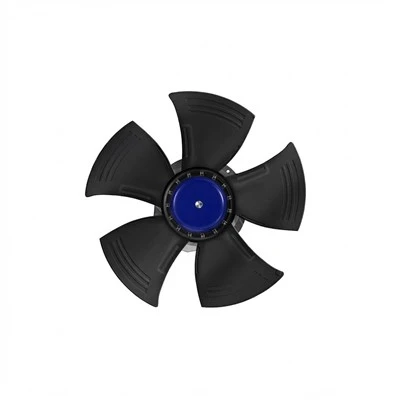
Blauberg BL-A500C-EC-05 500mm EC Axial Fan
View product details and specifications.
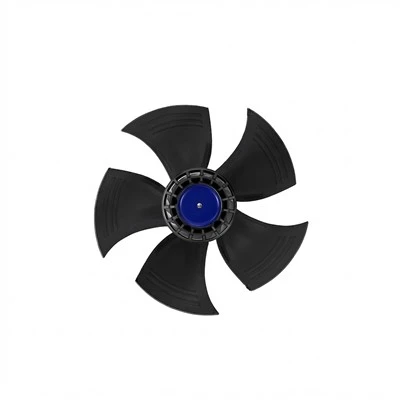
Blauberg BL-A450C-EC-05 450mm EC Axial Fan
View product details and specifications.
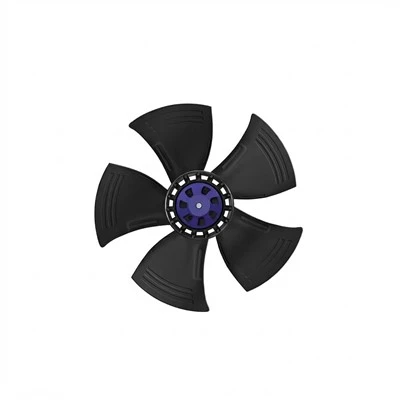
Blauberg BL-A400C-EC-07 400mm EC Axial Fan
View product details and specifications.
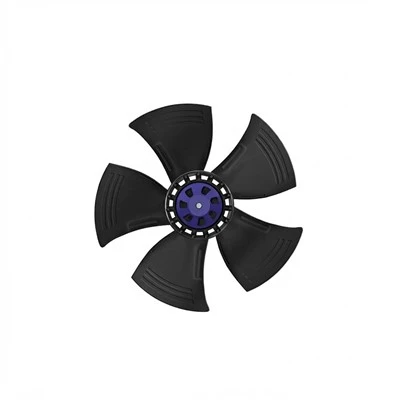
Blauberg BL-A400C-EC-05 400mm EC Axial Fan
View product details and specifications.
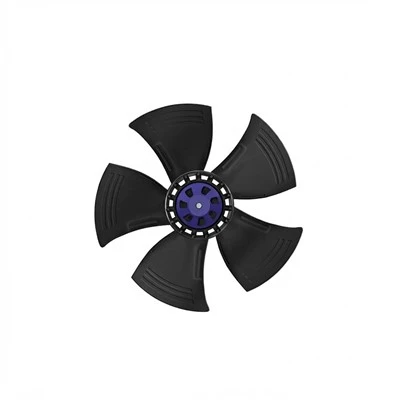
Blauberg BC-A400C-EC-07 400mm EC Axial Fan
View product details and specifications.
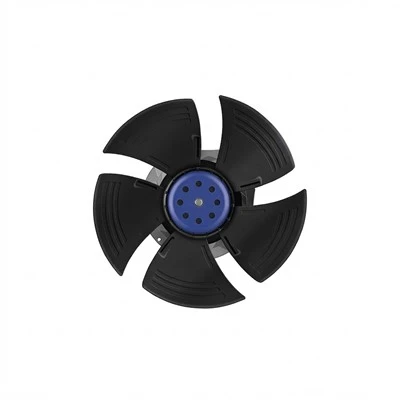
Blauberg BL-A350C-EC-F05 350mm EC Axial Fan
View product details and specifications.
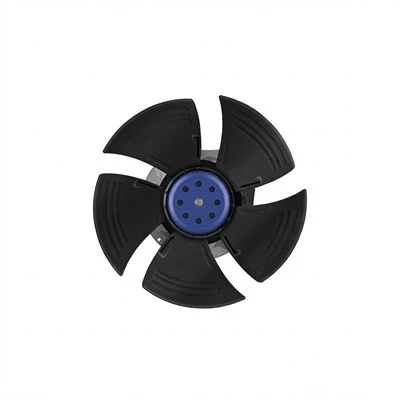
Blauberg BL-A350C-EC-07 350mm EC Axial Fan
View product details and specifications.
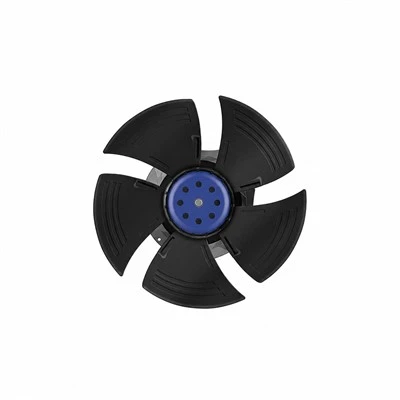
Blauberg BL-A350C-EC-05 350mm EC Axial Fan
View product details and specifications.
Now, let's talk about installation. You don't need any special tools or wiring to swap out AC fans for DC ones. Most server power supplies are ATX or EPS, which have a 12V DC rail that you can plug these fans into directly. If you need PWM control, just hook the fan's PWM wire to the motherboard's fan header, and your BMC will do the rest. It's super straightforward-even someone who's built a few PCs can handle it.
I know some folks are worried about compatibility. Server motherboards are built to work with specific fan types, but as a DC axial fan supplier, I can tell you that most modern motherboards support DC fans. If you have an older server, you might need an adapter, but that's a cheap, easy fix. We also have models like the Blauberg BE-A200C-EC-00 that are backward-compatible with most older server setups, so you don't have to replace your whole server just to switch fans.
Let's address another common question: maintenance. DC axial fans are easy to clean too-just pop off the grill, vacuum the blades, and you're done. Servers collect a lot of dust, which can make fans work harder and fail faster. Keeping the fans clean is simple with our models, which have removable grills for easy access. That means less maintenance time for your tech team, which is another win.
Wait, but let's make sure we're not missing anything. What about air quality? In a data center, you want to keep dust and contaminants out, but that's more about server room filtration than the fan itself. DC axial fans work with standard server room air filters, so they don't introduce any issues here. The only thing you need to make sure is that the fan's airflow rate matches the server's heat output. For a 1U server, you'll want around 50-100 CFM (cubic feet per minute), and our 200mm DC axial fans hit that mark. For a 2U server, you'll need 100-200 CFM, which our 250mm models deliver perfectly.
I've seen a lot of server admins switch to DC axial fans and never look back. The combination of efficiency, reliability, and ease of use is hard to beat. But if you're still on the fence, let's break down the numbers. Let's say you have 10 servers, each with 2 fans running 24/7. AC fans might use 10W each, so 200W total. Our DC axial fans use 6W each, so 120W total. That's 80W saved-over a year, that's 700 kWh, which is about $84 at average US electricity rates. Multiply that by 100 servers, and you're looking at $8,400 a year in savings. That's money you can put back into your business, not into powering fan motors.
Now, I get it-every server setup is different. If you're running a small home lab, you might only need one or two fans, but even there, DC axial fans are better. If you're running a large data center with hundreds of servers, the energy savings add up fast. The key is picking the right size and model for your needs. For smaller setups, check out the Blauberg BE-A200C-EC-00. For mid-sized servers, the Blauberg BE-A250C-EC-00. For high-density setups, go with the Blauberg BE-A250C-EC-02. And if you're not sure which one fits, we can help you pick the right one-just reach out.
Wait, let's clarify something: some people confuse DC axial fans with brushless DC fans, but all the models we supply are brushless, which is why they're so reliable. Brushless DC fans don't have brushes that wear out, so they last longer and require less maintenance. That's a big part of their appeal for servers, where downtime is expensive.
I've also had customers tell me that their DC axial fans are still running after 5 years, which is way longer than the typical AC fan lifespan. That means fewer replacements, less waste, and less time spent swapping out fans. For a business, that's a huge operational benefit-you don't have to schedule maintenance as often, and you avoid unexpected failures that can take your servers offline.
Another thing: temperature consistency. DC axial fans can adjust their speed in small increments, so the temperature stays more stable. AC fans, on the other hand, tend to switch on and off in larger bursts, which can cause temperature spikes and dips that are bad for server components. Over time, that temperature instability can shorten the lifespan of your servers, so using DC axial fans helps protect your investment in hardware.
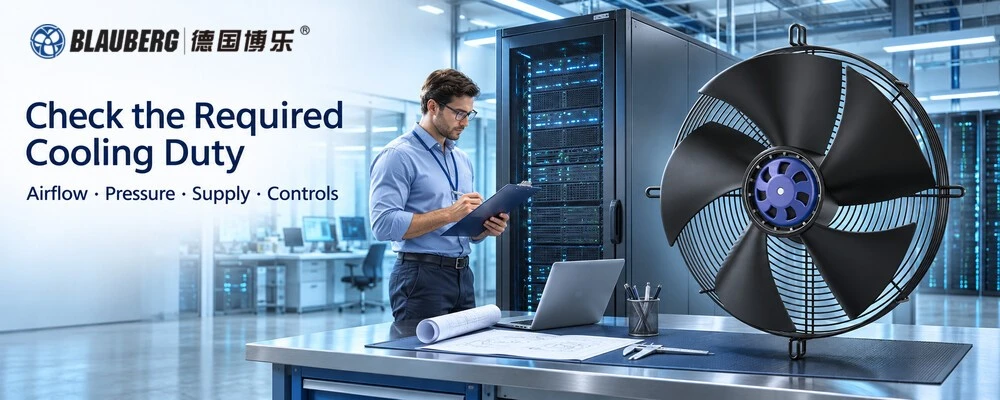
Okay, let's wrap this up. So can DC axial fans be used in servers? Absolutely. They're more efficient, reliable, and quieter than AC fans, they're easy to install and maintain, and they work with most standard server setups. The key is picking the right model for your server size and heat output. We've got a range of DC axial fans, from 200mm to 250mm, all tested for continuous operation in server environments.
If you're thinking about switching, or if you need help figuring out which fan is right for your setup, we're here to help. Whether you're a small home lab or a large data center, we can supply the fans you need to keep your servers cool, efficient, and running 24/7. Reach out to us to chat through your needs and get a quote-we're ready to help you find the perfect solution.
References
- ASHRAE. (2021). Data Center Thermal Guidelines. American Society of Heating, Refrigerating and Air-Conditioning Engineers.
- U.S. Department of Energy. (2022). Energy Efficiency in Server Cooling Systems. Office of Energy Efficiency & Renewable Energy.
- Blauberg. (n.d.). DC Axial Fan Performance Specifications. Retrieved from /axial-flow-fans/dc-axial-fans/
Category of Blauberg Products
Built on German engineering principles, focusing on precision, reliability, and long-term performance. Through efficient and scalable manufacturing, we deliver high-quality ventilation solutions with optimized cost structure, ensuring strong value for global OEM and project-based customers.