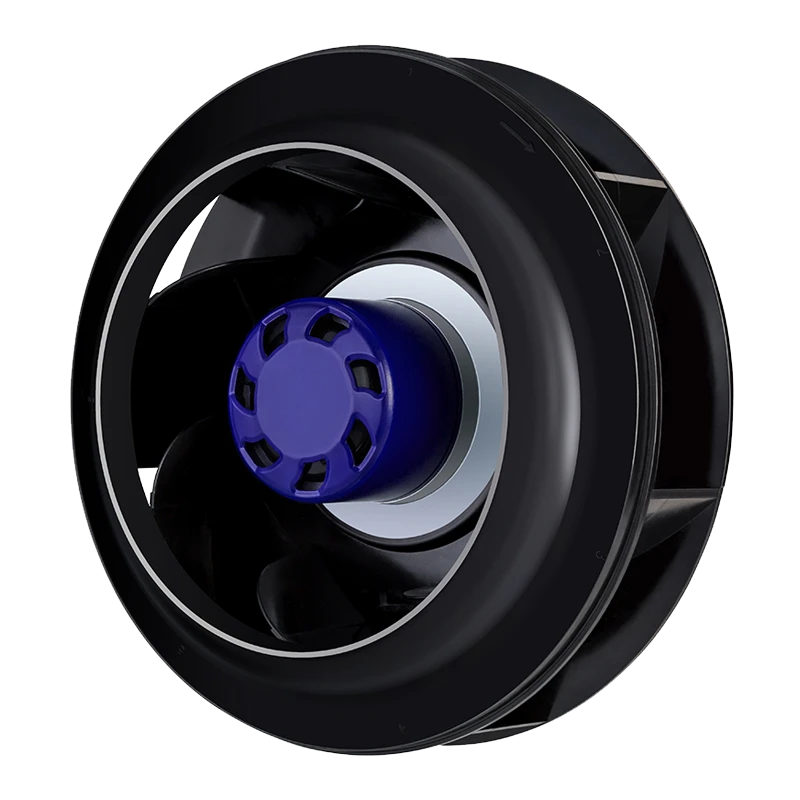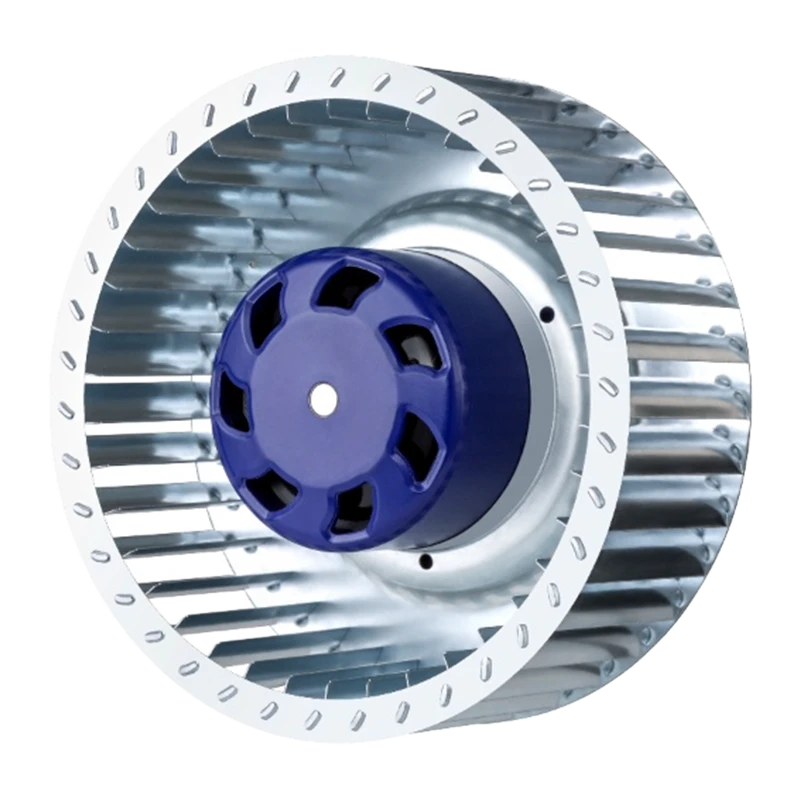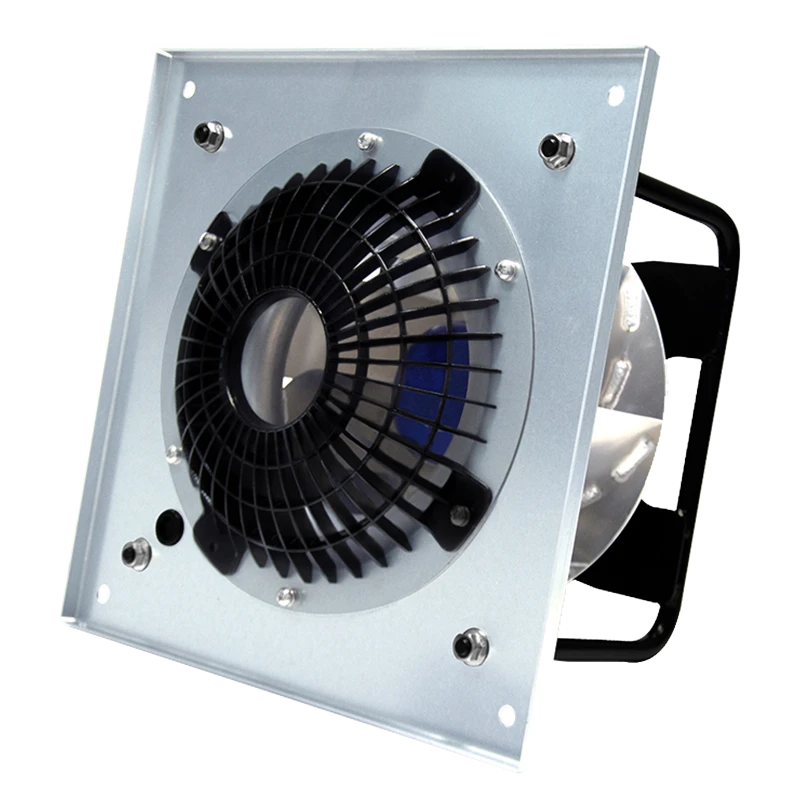
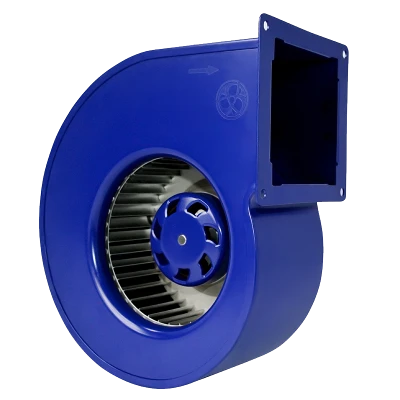
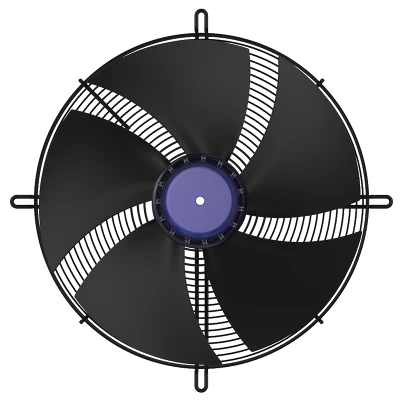
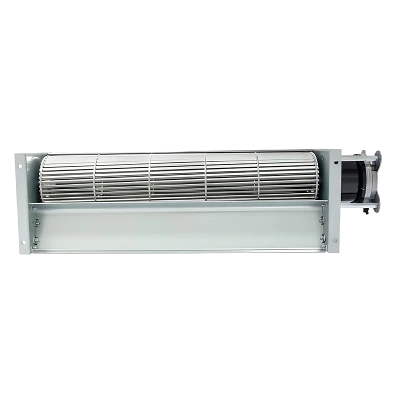
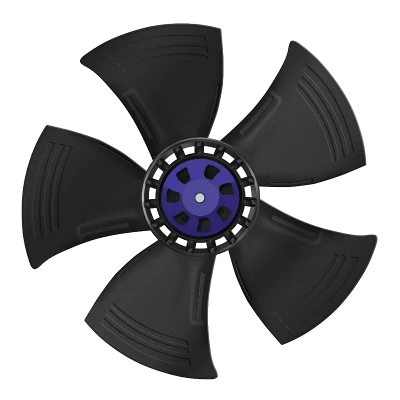
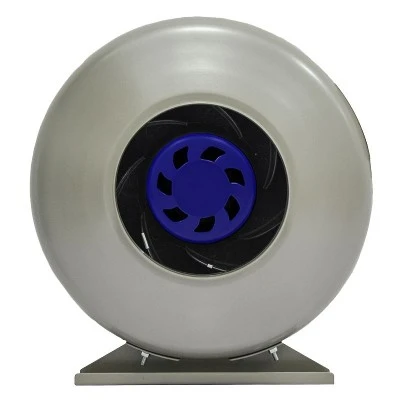
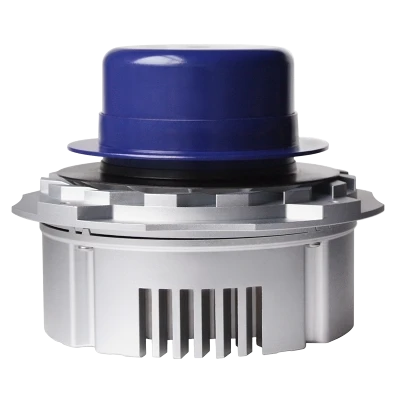

Hey there! As a supplier of EC centrifugal motor fans, I often get asked about how these fans differ from traditional centrifugal fans. So, let's dive right in and explore the contrasts between the two.
1. Working Principle
First off, understanding the working principle is key. A traditional centrifugal fan usually uses an AC induction motor. These motors work based on the principle of electromagnetic induction. When an alternating current is applied to the stator winding, it creates a rotating magnetic field. This magnetic field then induces a current in the rotor, causing it to rotate.
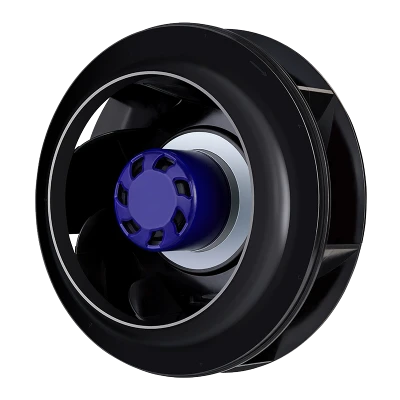
On the other hand, an EC centrifugal motor fan is powered by an electronically commutated (EC) motor. These motors combine a permanent - magnet rotor with an integrated control circuit. The control circuit precisely regulates the motor's speed and torque by electronically switching the current in the stator windings. This allows for more accurate control over the fan's operation compared to the relatively fixed - speed nature of traditional AC induction motors.
This difference in the working principle leads to significant variations in performance and energy efficiency. The EC motor's ability to adjust its operation according to the specific requirements of the system means it can save energy in many applications.

2. Energy Efficiency
Energy efficiency is a major area where EC centrifugal motor fans outshine traditional centrifugal fans. Traditional fans with AC induction motors are often designed to operate at a fixed speed. Even when the full airflow is not required, they still consume a relatively large amount of power. This is because the motor is constantly running at its rated speed, regardless of the actual demand.
In contrast, EC centrifugal motor fans are highly energy - efficient. The integrated control circuit in the EC motor can adjust the fan speed based on the actual needs of the system. For example, in a cooling system, if the temperature is low and less airflow is required, the EC fan can slow down, consuming less power. Studies have shown that EC fans can save up to 50% of the energy compared to traditional fans in some applications.
Let's say you are running a ventilation system in a large building. During off - peak hours or when the building is less occupied, a traditional fan would keep running at full speed, wasting energy. But an EC centrifugal motor fan can adjust its speed to match the actual ventilation requirements, resulting in substantial energy savings over time.
3. Speed Control
When it comes to speed control, there's a big difference between the two types of fans. Traditional centrifugal fans typically have limited speed control options. In many cases, they are designed to run at a single speed or may have a few pre - set speeds. Changing the speed of a traditional fan often involves using complex and expensive mechanical or electrical devices.
EC centrifugal motor fans, however, offer precise and flexible speed control. The integrated control circuit allows the fan speed to be adjusted smoothly and accurately. You can control the speed using various methods such as 0 - 10V signals, PWM (Pulse Width Modulation), or even through digital communication protocols. This makes EC fans ideal for applications where the airflow needs to be adjusted frequently, like in HVAC (Heating, Ventilation, and Air - Conditioning) systems.
For instance, in a data center, the heat generated by servers varies throughout the day. An EC centrifugal motor fan can easily adjust its speed to maintain an optimal temperature based on the real - time heat load. This not only ensures efficient cooling but also extends the lifespan of the servers.
Which centrifugal fan models should you review?

Blauberg BE-B400H-EC-05 400mm DC Backward Centrifugal Fan
View product details and specifications.
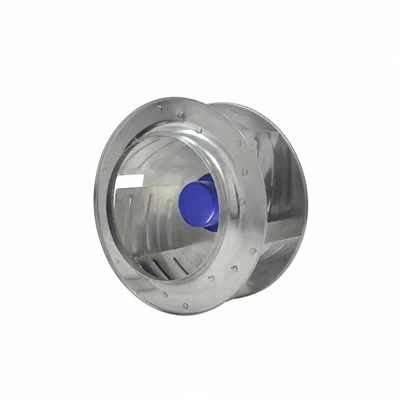
Blauberg BE-B400D-EC-05 400mm DC Backward Centrifugal Fan
View product details and specifications.
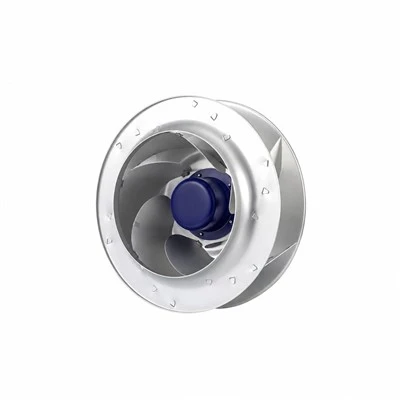
Blauberg BE-B355C-EC-05 355mm DC Backward Centrifugal Fan
View product details and specifications.
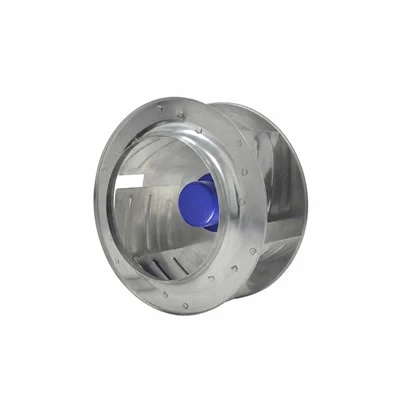
Blauberg BN-B310C-EC-01 310mm DC Backward Centrifugal Fan
View product details and specifications.
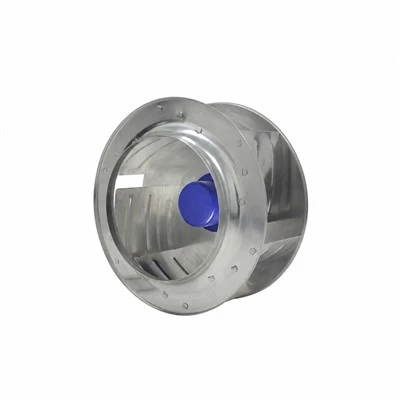
Blauberg BE-B310D-EC-N07 310mm DC Backward Centrifugal Fan
View product details and specifications.
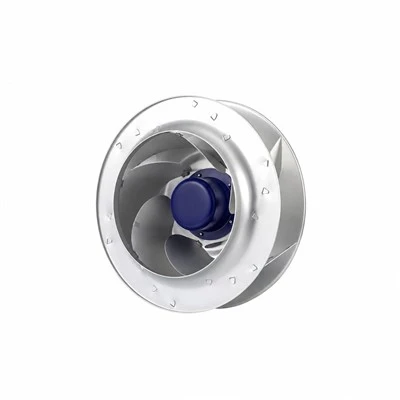
Blauberg BE-B310D-EC-05 310mm DC Backward Centrifugal Fan
View product details and specifications.
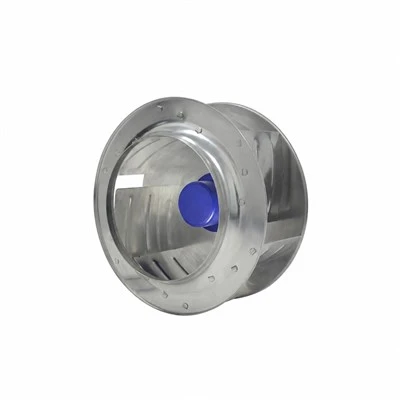
Blauberg BE-B310C-EC-01 310mm DC Backward Centrifugal Fan
View product details and specifications.
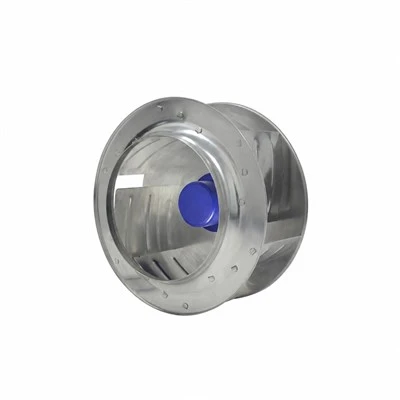
Blauberg BD-B310D-EC-N07 310mm DC Backward Centrifugal Fan
View product details and specifications.
4. Noise Level
Noise is another important factor, especially in applications where a quiet environment is required. Traditional centrifugal fans tend to be noisier, mainly due to the design of the AC induction motor. The motor's mechanical operation, including the rotation of the rotor and the interaction between the stator and rotor, can generate a significant amount of noise.
EC centrifugal motor fans, on the other hand, are much quieter. The electronic commutation process in the EC motor is smoother and more precise, reducing mechanical vibrations and thus minimizing noise. Additionally, the ability to adjust the fan speed means that the fan can operate at a lower speed when less airflow is needed, further reducing noise levels.
Imagine using a fan in a residential area or a library. A traditional fan might create a loud humming noise that can be distracting. But an EC centrifugal motor fan can provide the necessary airflow quietly, creating a more comfortable environment.
5. Lifespan and Maintenance
In terms of lifespan and maintenance, EC centrifugal motor fans also have advantages over traditional centrifugal fans. Traditional AC induction motors have brushes and commutators, which are prone to wear and tear over time. This means they require regular maintenance, such as brush replacement, to keep them functioning properly. The lifespan of a traditional fan may also be limited by the deterioration of these components.
EC motors, on the other hand, are brushless. This eliminates the need for brush replacement and reduces the overall maintenance requirements. The permanent - magnet rotor design and the electronic control circuit contribute to a longer and more reliable lifespan. EC fans can operate for many years with minimal maintenance, which can save both time and money in the long run.
Our Product Range
As a supplier, I'm proud to offer a wide range of EC centrifugal motor fans to meet different customer needs. We have products like the 115v Motor Out Centrifugal Fan Motor 0 - 10v Motor Blower, which provides precise speed control with a 0 - 10V signal. Our 230v Centrifugal Fans with External Rotor Motor 0 - 10v are suitable for applications that require a higher voltage and external rotor design.
For those who need more power, we offer the 230v 115W Big Motor Ec Centrifugal Fan Brushless Motor and the 230v 170W Big Motor Ec Centrifugal Fan Motors Electrical. And if you're looking for a lower - voltage option, our 12v 85W 5060hz Centrifugal Fan Motor Out Centrifugal Fan is a great choice.

Conclusion
In conclusion, EC centrifugal motor fans offer many advantages over traditional centrifugal fans, including better energy efficiency, precise speed control, lower noise levels, and longer lifespan with less maintenance. If you're in the market for a fan for your ventilation, cooling, or other applications, I highly recommend considering an EC centrifugal motor fan.
If you're interested in learning more about our products or have a specific requirement for your project, don't hesitate to reach out. We're here to help you find the best fan solution for your needs and look forward to discussing your procurement options.
References
- ASHRAE Handbook - HVAC Systems and Equipment.
- Various industry reports on fan technology and energy efficiency.
Category of Blauberg Products
Built on German engineering principles, focusing on precision, reliability, and long-term performance. Through efficient and scalable manufacturing, we deliver high-quality ventilation solutions with optimized cost structure, ensuring strong value for global OEM and project-based customers.