
As a motor supplier, I've seen firsthand how an overcurrent situation can spell disaster for motors. It's like a ticking time - bomb, ready to shatter the smooth operation of any system. Overcurrent can cause all sorts of problems, from minor inefficiencies to complete motor breakdowns. So, let's roll up our sleeves and talk about how we can protect a motor from overcurrent.
Understanding Overcurrent
First things first, we need to know what overcurrent is. Simply put, overcurrent happens when the actual current flowing through the motor exceeds its rated current. There are a bunch of reasons for this to occur. For instance, mechanical issues like a seized bearing can make the motor work harder, drawing more current. Electrical problems, such as a short - circuit in the windings, can also lead to a sudden spike in current.
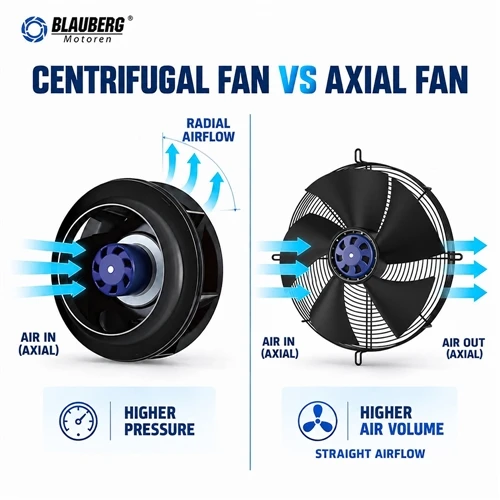
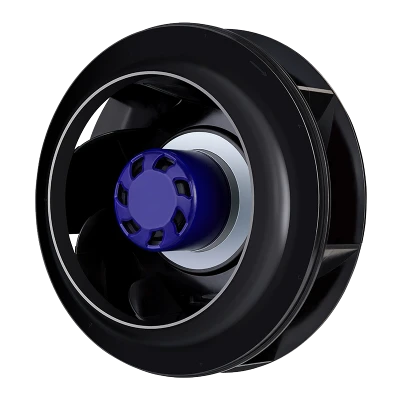
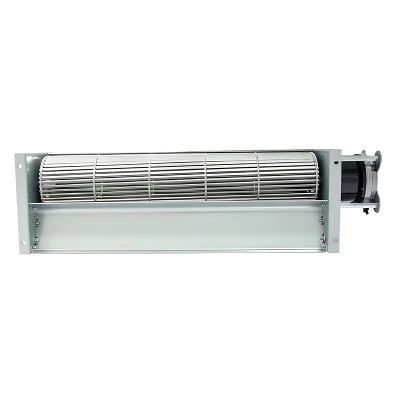
Think about a 230v Centrifugal Fans with External Rotor Motor 0 - 10v. If there's a blockage in the fan's airflow, the motor has to struggle to keep spinning. This extra effort results in the motor consuming more current than it's supposed to. If this continues, it'll overheat, and we all know what that means for the motor's lifespan.
Circuit Breakers and Fuses
One of the simplest and most common ways to protect a motor from overcurrent is by using circuit breakers or fuses. These are like the guardians of the electrical circuit.
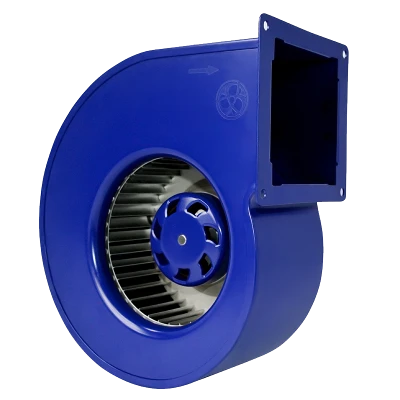
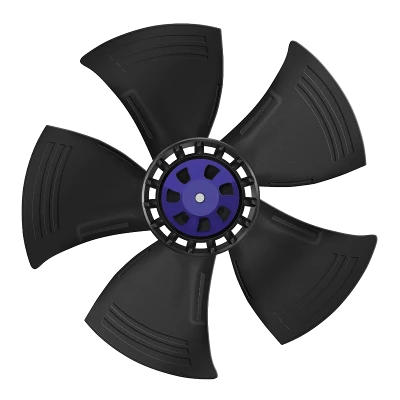
Fuses are one - time protectors. They're made of a material that melts when the current exceeds a certain level. For example, if you've got a 12v 85W 5060hz Centrifugal Fan Motor Out Centrifugal Fan and there's an overcurrent situation, the fuse in its circuit will blow. This breaks the circuit and stops the excessive current from reaching the motor.
Circuit breakers, on the other hand, can be reset. When they detect an overcurrent, they trip, opening the circuit. Once the problem is fixed, you can just flip the switch to get the motor running again. They're great for situations where you don't want to keep replacing fuses all the time.

Thermal Protection
Motors heat up when they run, but when there's an overcurrent, the heat can get out of control. That's where thermal protection comes in.
Some motors come with built - in thermal sensors. These sensors monitor the temperature of the motor. If the temperature goes above a safe level, they'll either shut the motor down or reduce the power to it. It's like giving the motor a break when it's working too hard.
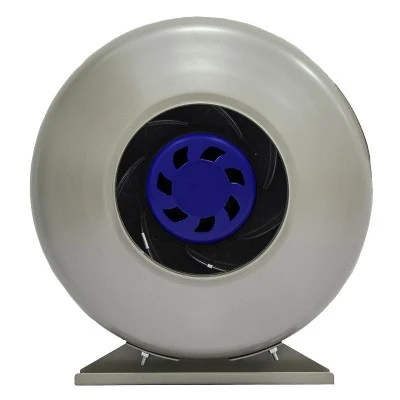
For example, our 230v 115W Big Motor Ec Centrifugal Fan Brushless Motor has this kind of protection. The thermal sensor makes sure that the motor doesn't get too hot, even if there's a bit of an overcurrent situation. This not only protects the motor but also extends its lifespan.
Current Sensors and Controllers
Current sensors are a more advanced way to protect motors from overcurrent. These sensors continuously measure the current flowing through the motor. They send this information to a controller.
The controller can be programmed to take action when the current exceeds a set limit. For example, it can reduce the voltage supplied to the motor or activate an alarm. This kind of system gives you more precise control over the motor's operation.
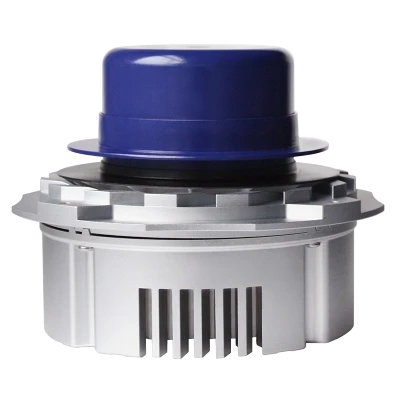
Imagine you're using a 230v 170W Big Motor Ec Centrifugal Fan Motors Electrical in a critical industrial process. With a current sensor and controller setup, you can prevent any overcurrent damage. The system can adjust the motor's operation in real - time, keeping it running smoothly and safely.
Regular Maintenance
Don't underestimate the power of regular maintenance. Keeping your motors in top shape can prevent a lot of overcurrent problems.
Inspect the motor regularly for any signs of wear and tear. Check the bearings, belts, and wiring. Loose connections can cause resistance, which in turn can lead to overcurrent. Tighten any loose screws or terminals.
Clean the motor and its surroundings. Dust and debris can build up on the motor, causing it to overheat. A clean motor is a happy motor!
Also, make sure the motor is properly lubricated. This reduces friction and helps the motor run more efficiently. If you've got a 230v Centrifugal Fans with External Rotor Motor Big Motor Ec Centrifugal Fan, regular lubrication of its moving parts can prevent mechanical issues that might lead to overcurrent.
Choosing the Right Motor
Last but not least, choosing the right motor for the job is crucial. If you use a motor that's too small for the load, it'll have to work harder and is more likely to experience overcurrent.
Consider the power requirements, the operating environment, and the type of load when selecting a motor. Our wide range of motors is designed to meet different needs. Whether you need a small, energy - efficient motor or a high - power motor for heavy - duty applications, we've got you covered.
Let's Talk Business
Protecting your motors from overcurrent isn't just about keeping them running; it's about saving you time and money in the long run. At our company, we're committed to providing you with high - quality motors and the knowledge to keep them in top condition.
If you're in the market for a new motor or need advice on motor protection, don't hesitate to reach out. We'd love to have a chat and see how we can help you. Whether it's for a small project or a large - scale industrial application, we've got the expertise and the products to meet your needs.
References
- "Electric Motors and Drives: Fundamentals, Types and Applications" by Austin Hughes and Bill Drury
- "Motor Protection Handbook" by various industry experts