
If you've ever worked in a cleanroom, server room, or even a smart HVAC system, you know how much of a difference the right fan makes. Not all fans are created equal, though-some struggle with energy use, make too much noise, or can't hold up to consistent, heavy-duty runs. That's where DC cross flow FFU fans come in, and as someone who's been supplying these for a while now, I've seen firsthand how they stack up against other fan types (like AC cross flow or even centrifugal fans) for real-world use. Let's break down why these DC fans are worth considering, and how they outperform the competition.
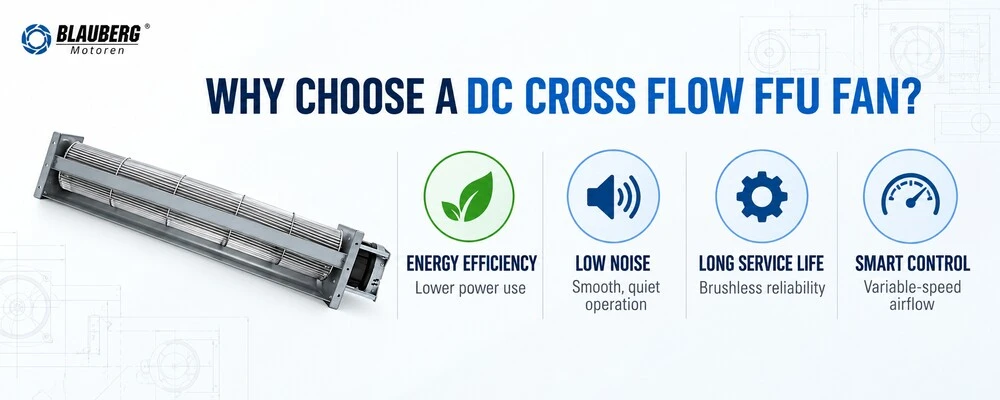
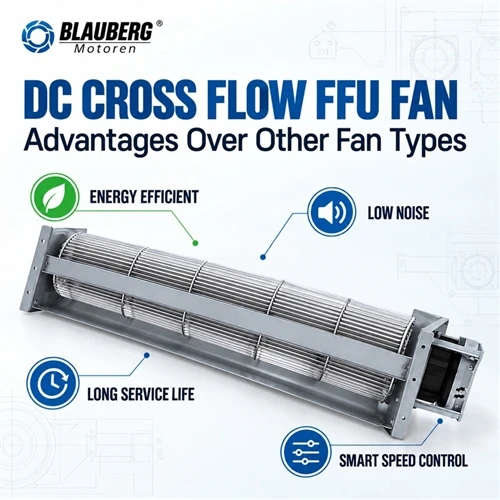
First off, let's get one thing straight: DC cross flow FFU fans aren't just a "newer version" of AC fans-they work differently under the hood, and that difference matters a lot. For anyone who doesn't geek out over motor tech, AC fans run on alternating current, which means their motor switches directions hundreds of times per second. DC fans, on the other hand, use direct current, so their motor runs smoother, with less vibration and more control. That base difference translates to a ton of advantages, starting with energy efficiency-something everyone cares about right now, whether you're running a small office or a 24/7 cleanroom.
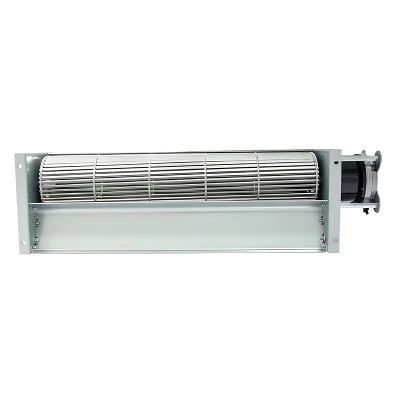
Let's talk energy use first, because it's not just about lowering utility bills (though that's a huge win). AC fans are fixed-speed, mostly-you can't really adjust their output without extra hardware like dampers or variable frequency drives (VFDs), and even then, they waste a lot of energy turning that AC into airflow. DC cross flow FFU fans? They let you adjust speed easily, just by tweaking the DC voltage. For example, our smaller units like the Blauberg VF-T030A-EE-98(R000) 30mm DC Cross Flow Fans are designed for tight spaces like electronics cooling, and they use way less power than a comparable AC fan. I remember a customer running a server rack with 12 of these-they cut their fan energy use by almost 40% in the first month. That's not pocket change; over a year, that adds up to hundreds (even thousands) in savings, plus it's better for the planet, which is a win most businesses care about now.
Next up, noise. I can't tell you how many times clients have complained about fan noise killing their work environment-whether it's a lab where quiet is critical for experiments, or an office where people are taking calls. AC fans tend to hum and vibrate because their motor's switching current creates electrical noise, and their fixed speed means they're either blowing too hard or not enough. DC cross flow FFU fans run quieter because their motor's operation is more stable. Let's take a look at how they compare to AC cross flow fans, like the Blauberg VL-T060A-AI-870(R001) 60mm AC Cross Flow Fans we sell. Both are 60mm cross flow models, but the DC version has a sound level of around 22 dB, while the AC one is closer to 30 dB-That's the difference between a whisper and quiet background chatter. For applications like nursing stations or recording studios, that's a game-changer. Also, because DC fans have less vibration, they don't cause loose parts or wear and tear on surrounding equipment as quickly, which saves on maintenance down the line.
Durability and reliability are two more big ones. AC fans have brushes in their motors that wear out over time, right? Those brushes create friction, heat, and dust, which means you're replacing them every couple of years. DC cross flow FFU fans use brushless motors-no brushes, no friction, less heat, so they last longer. Let's say you're running a fan 24/7 in a cleanroom; that's heavy duty. Our Blauberg VF-T030A-EE-248(R000) 30mm DC Cross Flow Fans is rated for over 50,000 hours of operation, while a similar AC cross flow fan (like the Blauberg VL-T060A-SP-242(R002) 60mm AC Cross Flow Fans) is around 30,000. That's 20,000 more hours-almost three years of non-stop use-without swapping the fan out. For businesses that can't afford downtime (like pharmaceutical cleanrooms or data centers), that reliability is worth its weight in gold. Plus, brushless motors in DC fans run cooler, so they're less likely to overheat during peak use, which reduces fire risk and extends the overall life of the fan.
Wait, let's not forget about airflow consistency. Cross flow fans work by pushing air sideways through the fan, right? That's different from centrifugal fans that push air out the side. DC cross flow FFU fans maintain a steady airflow even when there's a change in resistance-like if a filter gets dirty, or the ductwork has a bend. AC fans, because they're fixed speed, will start to strain and use more energy when airflow is restricted, and their output drops off. DC fans, with their adjustable speed control, can automatically adjust (or be manually adjusted) to keep airflow consistent. Our Blauberg VD-T120A-EE-620(R000) 120mm DC Cross Flow Fans is built for larger applications, like ventilation in retail spaces or industrial equipment, and it's designed to maintain airflow even with duct lengths up to 10 feet. That means you don't have to add extra fans to make up for lost airflow, which saves on upfront costs too.
Now, let's talk about versatility. DC cross flow FFU fans aren't just for industrial use-they fit in small spaces too. Because they have a more compact motor, they're thinner than most AC fans, so you can squeeze them into tight spots like under cabinets, inside small electronics, or in narrow ductwork. The 30mm DC cross flow units we mentioned earlier are only 3cm thick, which is perfect for laptops, gaming consoles, or small HVAC units. AC fans, on the other hand, need bigger motors to get the same airflow, so they take up more space. Also, DC fans are easier to integrate with smart systems-they can connect to IoT devices, temperature sensors, and automation tools, so you can set them to run only when needed. That's a huge plus for modern buildings that want to be "smart" and cut energy waste.
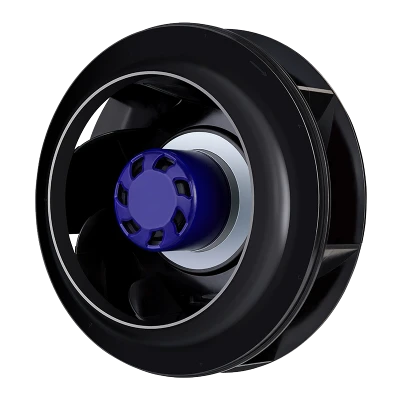
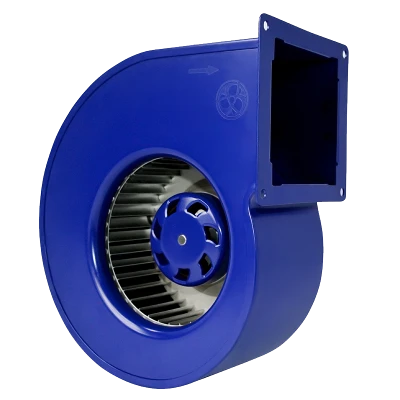
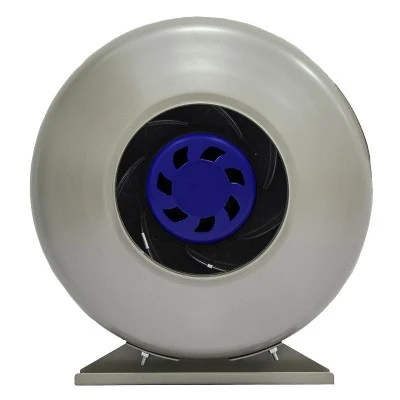
I know some people might be worried about upfront cost-DC fans do cost a little more than AC ones at first. But when you factor in lower energy bills, less maintenance, longer life, and fewer replacement parts, the total cost of ownership is way lower. Let's do a quick math check: if a DC fan is $50 more than an AC one, but saves $100 a year on energy and maintenance, you'll make that money back in half a year, and then keep saving for years. For a business, that's an easy call. Compare that to centrifugal fans, which are bigger, noisier, and use even more energy for the same airflow-DC cross flow FFU fans hit the sweet spot between size, performance, and cost.
Of course, no fan is perfect. DC cross flow FFU fans do have a lower maximum airflow than some centrifugal fans, but for most applications (cleanrooms, HVAC, electronics cooling, small ventilation), that's not an issue. And the adjustable speed means you're not wasting energy on airflow you don't need. The key is matching the right fan to the right job-our team helps clients pick the right size and model, whether it's a tiny 30mm fan for a circuit board or a 120mm fan for a large office.
At the end of the day, when you're choosing a fan, you want something that saves you money, works reliably, doesn't annoy people with noise, and fits where you need it. DC cross flow FFU fans check all those boxes, and then some. If you're looking to upgrade your current fan system, or just learn more about which model is right for your needs, feel free to reach out to us to discuss your project and get a personalized recommendation.
References
- ASHRAE. (2021). HVAC Applications Handbook: Fans and Air Distribution. American Society of Heating, Refrigerating and Air-Conditioning Engineers.
- Blower Equipment Manufacturers Association. (2022). Cross Flow Fan Performance and Efficiency Standards. BEMA Technical Report Series.
- International Electrotechnical Commission. (2020). DC Motor Energy Efficiency Ratings for Industrial Fans. IEC 60034-30-2.
- Cleanroom Technology Association. (2023). Fan Selection Guide for Class 100 to Class 1 Cleanrooms. CRTA Best Practice Guidelines.
- U.S. Department of Energy. (2022). Energy Savings Potential of Variable-Speed DC Fans for Commercial Buildings. DOE Building Technologies Office Report.