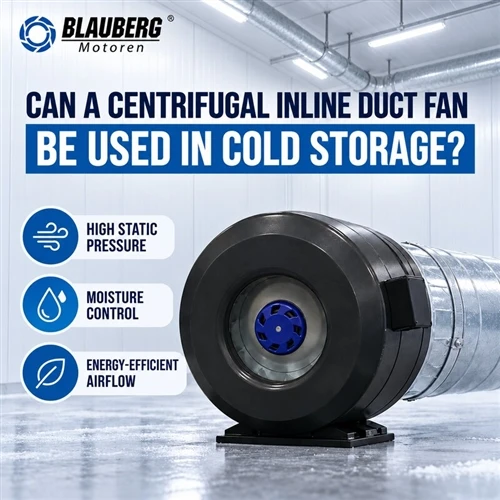

If you've ever worked with cold storage facilities-whether managing a walk-in cooler for a grocery chain, a frozen food warehouse, or a pharmaceutical cold chain site-you know ventilation isn't just a "nice-to-have" there. It's non-negotiable. Cold storage spaces run at sub-zero temperatures, hold sensitive goods, and seal off outdoor air to keep energy costs low, which creates a perfect storm for issues like excess moisture buildup, stale air, and even pest infestations. This begs a common question I hear regularly as a centrifugal inline duct fan supplier: Can a centrifugal inline duct fan be used in a cold storage for ventilation? The short answer is yes, but it's not a one-size-fits-all call. It takes matching the right fan model to your cold storage's specific needs, and that's where I've helped dozens of clients avoid costly missteps.
First, let's break down why cold storage ventilation is trickier than standard commercial spaces. Most cold storage areas operate between -20°F and 50°F, depending on whether they're for frozen goods or produce. The big enemy here is condensation: when warm, humid outside air seeps into the cold space, it cools rapidly, and that moisture condenses on walls, pipes, and stored products. Over time, condensation leads to mold growth, rusted equipment, and even spoilage of perishables. That's where targeted ventilation comes in-you need to move stale, moist air out without letting too much warm air in, and you need a fan that can handle the harsh, low-temperature environment without failing prematurely.
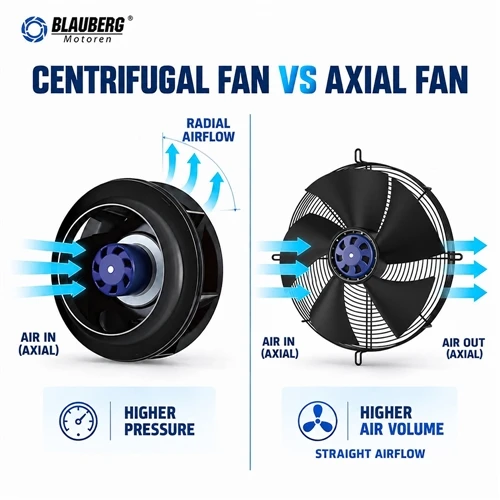
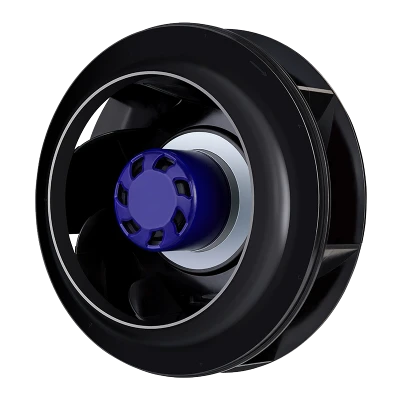
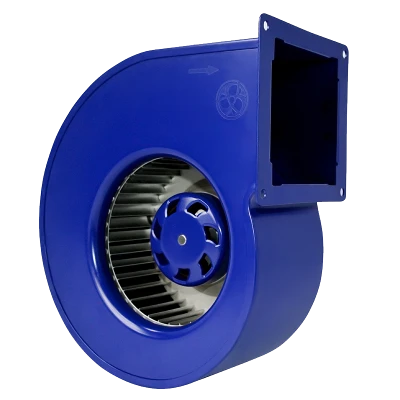
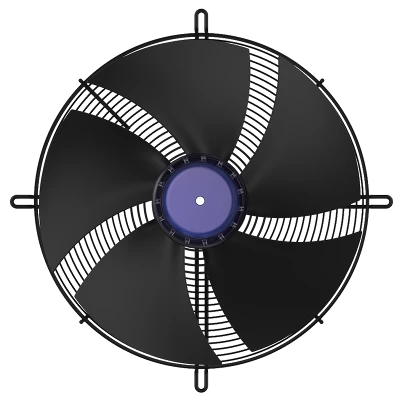
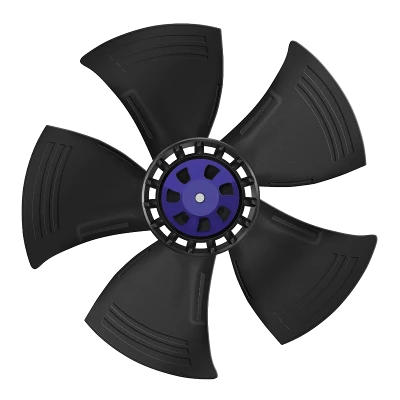
Centrifugal inline duct fans are different from the axial panel fans you might see in a typical office restroom. Axial fans move air straight through in a linear path, which is great for high-flow, low-pressure applications, but they tend to be noisy and inefficient when air has to travel through long duct runs or around bends-common setups in cold storage facilities where you might need to pull air from ceiling vents near stored pallets or push it through ductwork to the loading dock area. Centrifugal fans, by contrast, use a rotating impeller that throws air outward, creating higher static pressure. That makes them far better for moving air through constrained duct systems, which is exactly what you need in a cold storage.

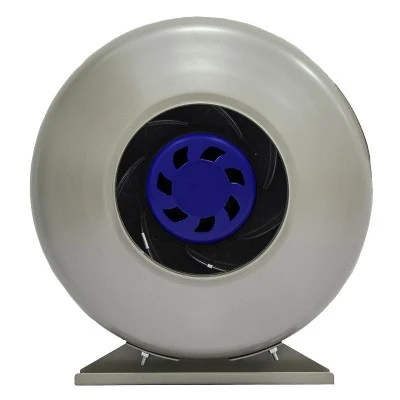
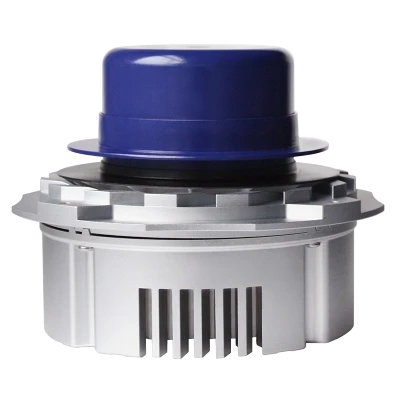
But not all centrifugal inline duct fans are built for cold storage. Standard models can't handle consistent low temperatures, which can damage motors, cause lubricants to thicken, and reduce airflow efficiency. That's why I always point clients to our specialized lines, starting with the 250mm EC External Rotor Duct Fan Strong Wind Duct Fan for Cold Room. This model is engineered with an external rotor motor that's sealed to resist cold and moisture, so it can operate reliably in temperatures as low as -4°F, which is perfect for most frozen food storage areas. The EC (electronically commutated) motor is also energy-efficient, which cuts down on long-term operating costs-critical for facilities that run 24/7. I've had a client in the Midwest install a dozen of these in a 10,000 sq ft frozen meat warehouse, and they reported a 30% drop in condensation-related equipment repairs after just three months.
Another key benefit of centrifugal inline duct fans for cold storage is their ability to deliver precise airflow control. In cold storage, you don't want to vent too much air-you'll waste energy heating or cooling the incoming make-up air to match the cold space's temperature. Too little air, and moisture and odors build up. The OEM CK Type Round Pipe Inline Fan Celling Fan Wood Vention Hvac Duct Ventilation Ducts is a great example of a model that lets you adjust airflow to match your facility's exact needs. It has a quiet operation mode that's useful for areas near office spaces attached to the cold storage, and it's compatible with duct sizes commonly used in commercial cold rooms, so it's easy to retrofits into existing systems. One of my pharmaceutical clients used these fans in a cold storage for temperature-sensitive vaccines, where they needed to maintain consistent air exchange without disrupting the strict temperature controls-this fan's ability to provide steady, low-vibration airflow made it the perfect fit.
Now, let's talk about common misconceptions. Some facility managers swear by axial fans for cold storage because they're cheaper upfront, but they often miss the hidden costs. Axial fans can't handle high static pressure, so if you have long duct runs or multiple duct turns, they'll struggle to move enough air, leading to stagnant areas where moisture accumulates. They also tend to draw in more warm outside air when adjusted to higher speeds, which can spike your refrigeration costs. Centrifugal inline duct fans, on the other hand, are designed to maintain airflow even when working against static pressure, so you can run them at lower speeds while still moving the right amount of air, reducing both energy use and the load on your refrigeration system.
Another consideration is moisture resistance. Cold storage has high relative humidity, especially during loading and unloading when doors are open. Fans used here need to be corrosion-resistant, with sealed electrical components to prevent water damage. The Professional Booster 6 Inch Hydroponic 220V Ac 50Hz 120W Low-Noise In-line Duct Fan is a compact, versatile option that works well for smaller cold storage spaces, like walk-in coolers for restaurants or small grocery stores. Its ABS housing is moisture and corrosion-resistant, and it has a low-noise design that doesn't disrupt restaurant operations. I recently helped a local pizzeria install one of these in their walk-in produce cooler, and they noticed a big reduction in mold on lettuce and other greens, which had been a persistent problem before.
For larger cold storage facilities, like those used for frozen food distribution, you need fans that can move massive amounts of air consistently. The 315mm EC Ventilation Duct Blower Fan Manufacturers for Machine Cooling is built for high-volume, high-static-pressure applications, making it ideal for large warehouse cold storage areas. Its heavy-duty construction can handle continuous operation at sub-zero temperatures, and its EC motor is designed to be energy-efficient, which is a huge plus for facilities that run fans 24 hours a day, 7 days a week. A frozen food distributor in Texas used these fans in a 50,000 sq ft freezer warehouse, and they told me that not only did they eliminate condensation in the storage racks, but their energy bills for ventilation dropped by 28% in the first year.
Wait, you might be wondering: what about when the cold storage is used for computer room cooling? That's another common use case for centrifugal inline duct fans, and it goes to show how versatile these fans can be. The 250mm 115V EC Duct Fan Strong Wind Duct Fan for Computer Room Cooling is designed to handle the consistent, low-temperature airflow needed for computer server rooms, but the same principles apply-static pressure resistance, energy efficiency, and reliable operation in continuous use. It's a good reminder that centrifugal inline duct fans aren't just for cold storage; their design makes them useful in any application that requires moving air through ductwork under pressure, but when it comes to cold storage, the key is matching the fan's temperature rating to your specific storage needs.
So, when is a centrifugal inline duct fan the right choice for your cold storage? Let's outline the key scenarios: if you have long duct runs, multiple duct turns, need precise airflow control, or operate a large, 24/7 facility, centrifugal inline duct fans are a far better option than axial fans. If your cold storage is small and has very short duct runs, you could get away with an axial fan, but even then, a centrifugal model will likely save you money in the long run with better efficiency and lower maintenance costs.
That said, there are a few best practices to follow when using centrifugal inline duct fans in cold storage. First, make sure the fan is rated for the lowest temperature your facility reaches. If you have a frozen food storage area that hits -20°F, don't use a fan rated only for 32°F-its motor will fail quickly. Second, install the fan in a protected area, like a utility closet or above a ceiling, to reduce exposure to direct moisture and extreme temperatures. Third, invest in a fan with variable speed control, so you can adjust airflow based on the number of pallets stored, the time of day, or the outside humidity levels. This will help you save energy and prevent over-ventilation, which can raise your refrigeration costs.
As a centrifugal inline duct fan supplier, I've seen firsthand how the right fan can make a huge difference in cold storage operations. From reducing spoilage of perishable goods to cutting energy bills and minimizing maintenance costs, these fans are a smart investment for any cold storage facility. The key is not just picking any centrifugal fan, but picking the one that's engineered for the specific conditions of your space.
If you're not sure which centrifugal inline duct fan is right for your cold storage, I'm here to help. Whether you need a compact model for a small walk-in cooler or a heavy-duty fan for a large warehouse facility, I can guide you through the options and help you find a solution that fits your needs and budget. Feel free to reach out to discuss your requirements and get more details on the models mentioned above.
References:
- American Society of Heating, Refrigerating and Air-Conditioning Engineers (ASHRAE). 2021. ASHRAE Handbook: HVAC Applications. Chapter 21: Cold Storage.
- Carrier Corporation. 2020. Ventilation Best Practices for Refrigerated Warehouses. Carrier Commercial Systems North America.
- Food and Agriculture Organization (FAO). 2019. Cold Storage Design and Operation for Perishable Food Products. FAO Agricultural Services Bulletin.