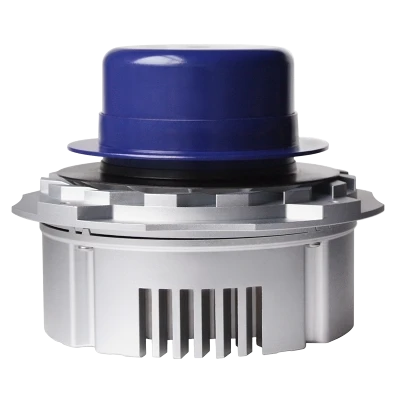

Hey everyone, thanks for stopping by! I'm Jake, part of the team at that small HVAC component supply company you might've seen popping up on a few industrial forums lately. Last week, I got a DM that stuck with me: a college student cramming for midterms in their tiny apartment study room was complaining that their old space heater was too loud, made the air taste dry, and kicked their electricity bill through the roof. They asked if a DC cross flow heating fan would even work in a space that's more for focus than for warming up a whole garage.
That question got me thinking-we sell a bunch of these DC cross flow units, and I've fielded similar questions from office managers, home office owners, and even a few people who work from their bedrooms. So today, let's break it down straight: Can a DC cross flow heating fan actually be used in a study room? Spoiler alert-yes, if you pick the right one, and there's a lot more to this than just "it's small, so it's fine." Let's dive in.

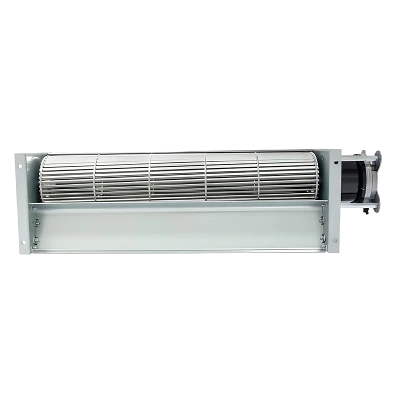
First, let's get one thing clear-what is a DC cross flow heating fan, anyway? For anyone who's not deep in fan tech, cross flow fans (sometimes called tangential fans, if you've heard that term) work by pulling air in one side, slinging it across a long cylindrical rotor, and blowing it out a narrow, continuous slit. Unlike your standard box fan that only pushes air straight ahead, cross flow fans push a wider, more uniform stream of air. The DC part means they run on direct current, which is way more energy-efficient and quieter than AC-powered counterparts, especially at lower speeds. That's a big deal for a study room-if you're trying to focus, white noise from a fan that sounds like a jet engine idling? That's the last thing you need.
Now, let's talk about study rooms specifically. What do you need from a heating unit in that space? Let's list the non-negotiables, because this isn't a workshop or a living room where you can blast heat and noise: consistent, even warmth without hot spots, ultra-quiet operation, low energy use so it doesn't add to your already expensive textbooks, and compact size that doesn't take up desk space or clutter the room. And no dry air-standard space heaters often suck humidity right out of the air, leaving your skin itchy and your nose stuffy after a few hours of studying, which is the exact opposite of what you want when you're pulling all-nighters for finals.
So, can DC cross flow heating fans check all those boxes? Let's start with performance. Unlike a oil-filled radiator that takes forever to warm up, DC cross flow units heat up almost instantly because they move air right over a heating element. But wait-how much space can they actually heat? Most people studying are in a room that's 100 to 200 square feet. A lot of the DC cross flow heating fans we supply (like the Blauberg VD-T120A-EE-520(R000) 120mm DC Cross Flow Fan, wait-full disclosure, we stock that one, it's a workhorse) are rated for spaces that size. The key here is the "cross flow" design: because they push air in a wide, even stream, you don't get that weird "standing in a draft while your feet are freezing" hot zone you get with a tiny space heater. The air circulates evenly, so every corner of your study area stays the same temperature.
Next up, quietness-this is make-or-break for a study room. I've tested a ton of fans, and most people have no idea that DC cross flow fans are way quieter than their AC counterparts. AC fans run on alternating current, which means their motor cycles on and off more often, creating that hum that you can hear over a quiet room. DC motors are smoother, and when you pair that with the cross flow design that doesn't have those loud, chaotic air vortices, you get something that runs at a low hum (we're talking 25 to 30 decibels-about as quiet as a library page turning, not a subway train). Our AC cross flow models, like the Blauberg VL-T060A-AI-245(R000) 60mm AC Cross Flow Fan, are fine for bigger spaces where you don't need pin-drop quiet, but for a study room? DC is the way to go. We also have the Blauberg VD-T060A-EE-750(R001) 60mm DC Cross Flow Fan for smaller setups, like a desk nook, if you don't need a lot of heat.
Energy use is another big one. I get it-student budgets are tight, home office workers don't want a $500 electricity bill every month, and anyone working from their bedroom hates feeling like they're throwing money away just to stay warm. DC cross flow fans use up to 50% less electricity than standard space heaters, because they're designed to move air efficiently instead of cranking out heat. Let me put that in perspective: a standard 1500W space heater uses 1.5 kWh per hour, which at average US electricity rates is about 21 cents an hour. Our DC cross flow heating fans (like the Blauberg VF-T050A-EE-158(R000) 50mm DC Cross Flow Fan, great for personal desk use) use as little as 15W on low, which is just 2 cents an hour. That adds up-over a month of studying 8 hours a day, that's $4.80 vs. $50.40. No contest.
Wait, but what about size? Study rooms are often tiny-think a 10x10 bedroom with a desk, a bookshelf, and a bed, no extra floor space for a big heater. DC cross flow units are slim and compact, with a flat profile that you can mount on a wall under your desk, or tuck behind a bookshelf without taking up any workspace. The AC cross flow models, like the Blauberg VL-T060A-AI-870(R001) 60mm AC Cross Flow Fan, are smaller, but the DC ones are even slimmer, which is perfect for tight spaces. I've had customers mount ours on the side of their desk, so it blows heat right where they're sitting, not wasting it on empty space.
Which cross flow fan models should you review?
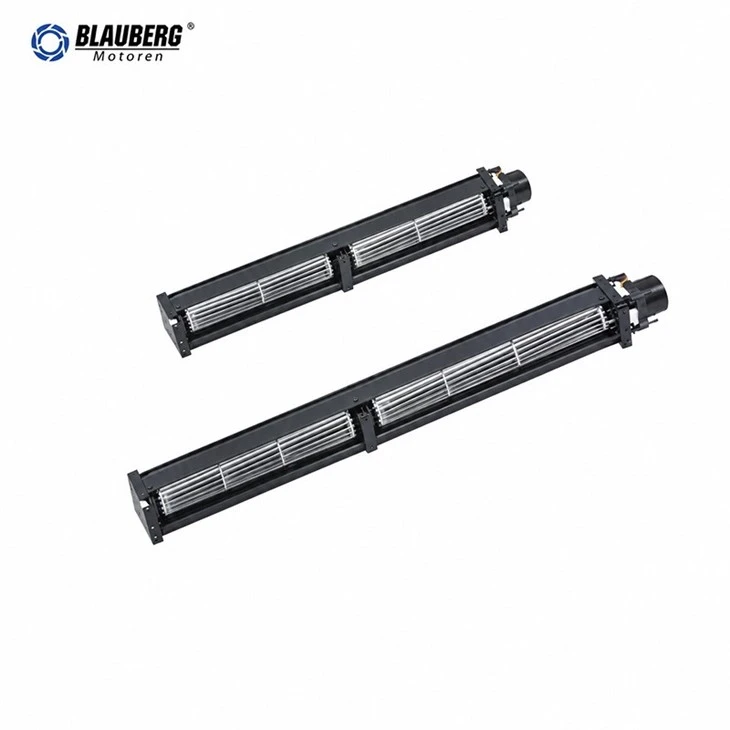
Blauberg VF-T030A-EE-1082(R002) 30mm DC Cross Flow Fans
30mm Cross Flow Fans, Approx. 175 m³/h maximum airflow and Approx. 17 Pa maximum static pressure.
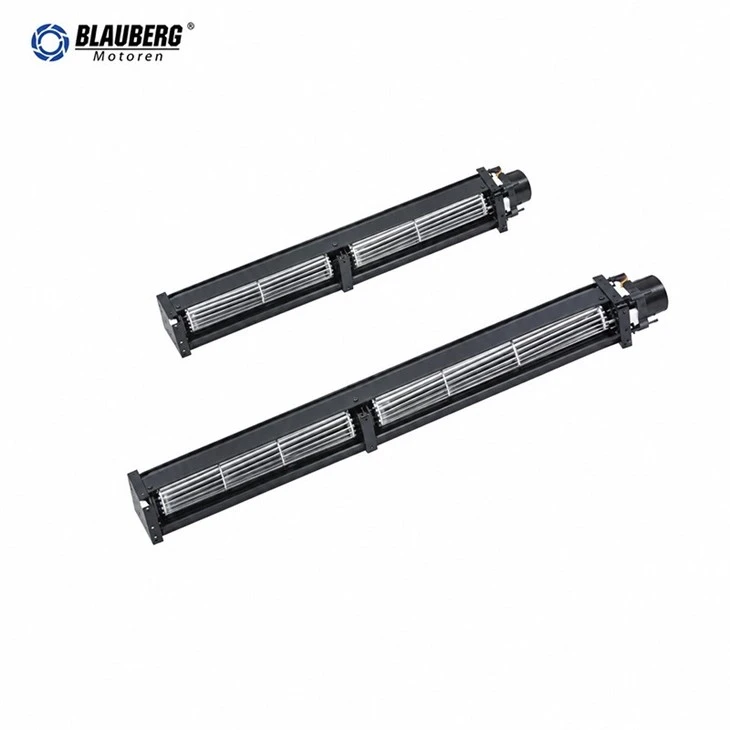
Blauberg VD-T030A-EE-1082(R002) 30mm DC Cross Flow Fans
30mm Cross Flow Fans, Approx. 175 m³/h maximum airflow and Approx. 17 Pa maximum static pressure.
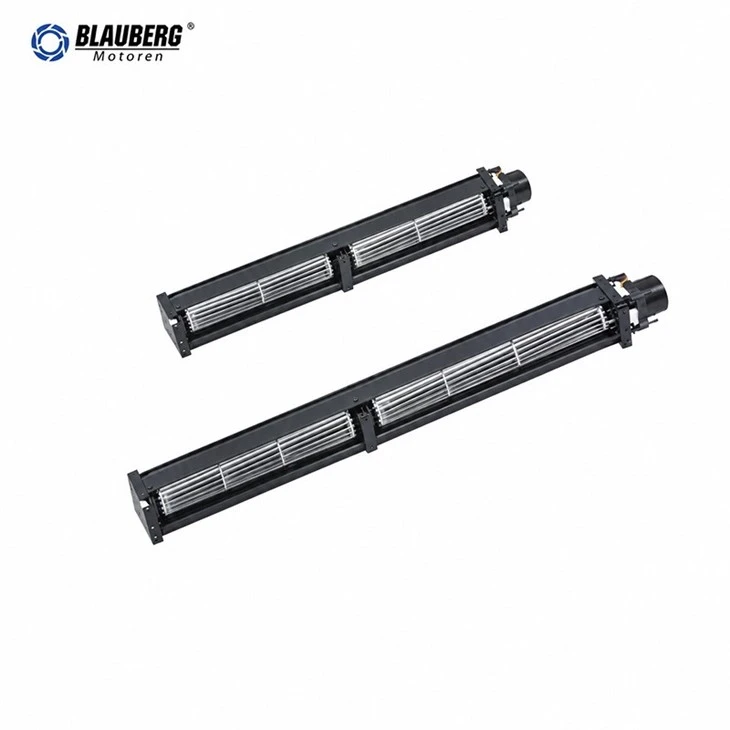
Blauberg VD-T030A-EE-986(R002) 30mm DC Cross Flow Fans
30mm Cross Flow Fans, Approx. 160 m³/h maximum airflow and Approx. 17 Pa maximum static pressure.
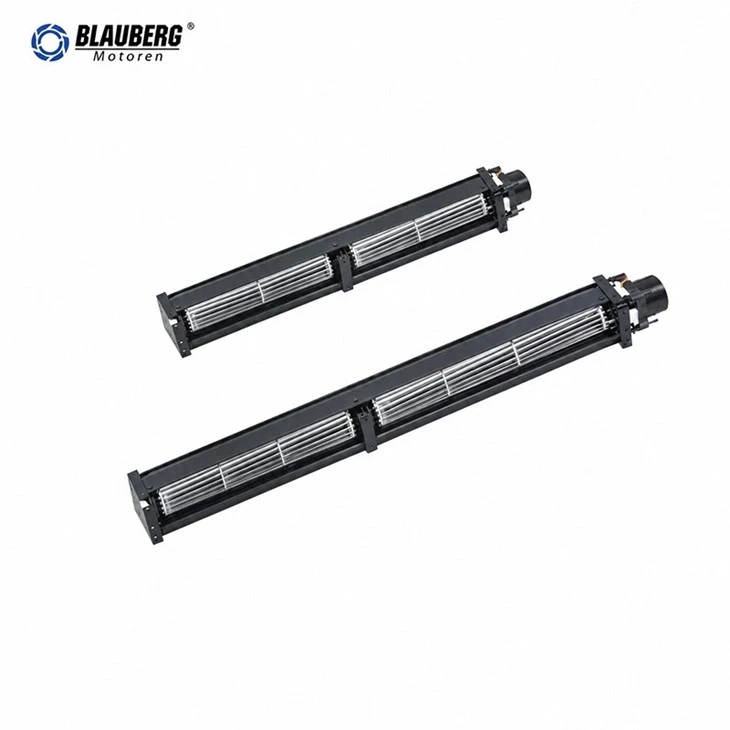
Blauberg VF-T030A-EE-986(R002) 30mm DC Cross Flow Fans
30mm Cross Flow Fans, Approx. 160 m³/h maximum airflow and Approx. 17 Pa maximum static pressure.
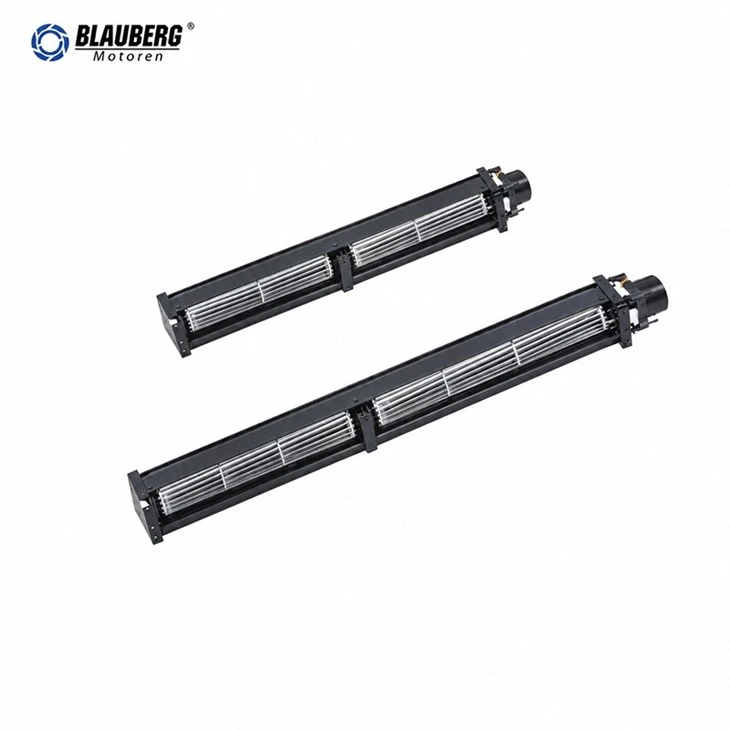
Blauberg VF-T030A-EE-920(R002) 30mm DC Cross Flow Fans
30mm Cross Flow Fans, Approx. 150 m³/h maximum airflow and Approx. 17 Pa maximum static pressure.
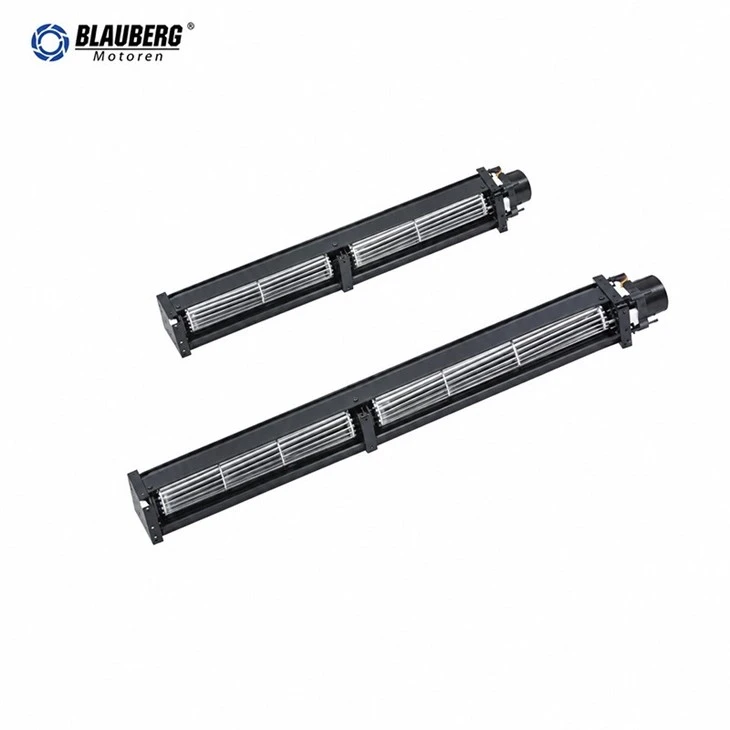
Blauberg VD-T030A-EE-920(R002) 30mm DC Cross Flow Fans
30mm Cross Flow Fans, Approx. 150 m³/h maximum airflow and Approx. 17 Pa maximum static pressure.
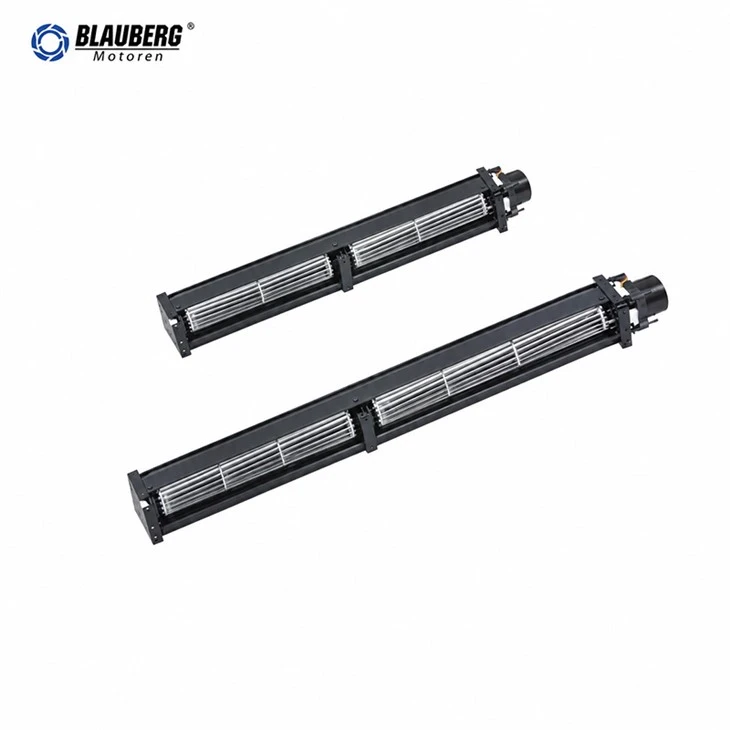
Blauberg VF-T030A-EE-800(R002)E 30mm DC Cross Flow Fans
30mm Cross Flow Fans, Approx. 130 m³/h maximum airflow and Approx. 17 Pa maximum static pressure.
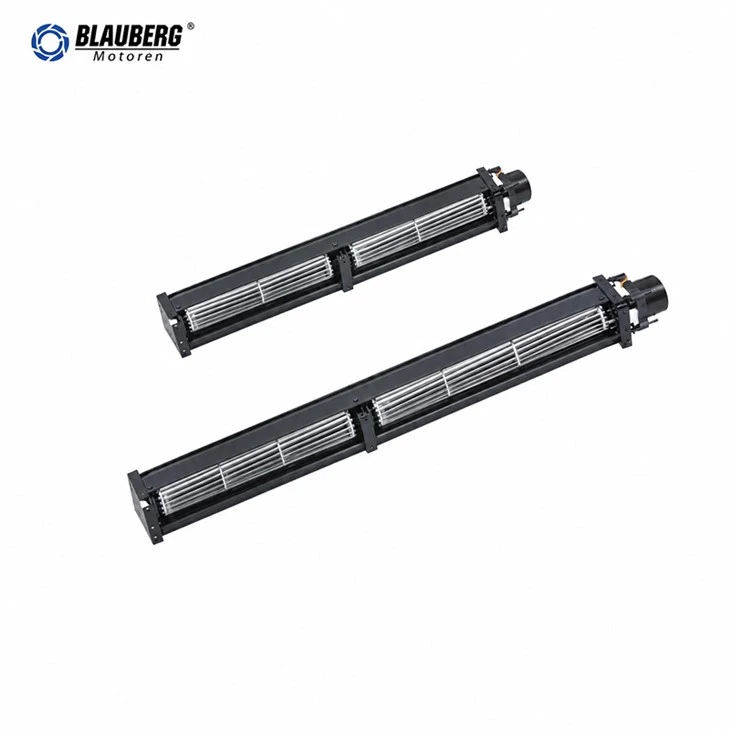
Blauberg VF-T030A-EE-854(R002) 30mm DC Cross Flow Fans
30mm Cross Flow Fans, Approx. 140 m³/h maximum airflow and Approx. 17 Pa maximum static pressure.
Product descriptions from the Blauberg catalogue, checked 22 September 2026. Listed airflow and pressure maxima are separate ratings; confirm the selected model at your operating point.
These are cross-flow fan components. Confirm the required heating assembly, controls and installation requirements for your application.
But hold on-before you go buying any old DC cross flow heating fan, there are a few pitfalls to watch out for. First, make sure it's actually a heating fan, not just a cross flow fan. Some of our units are just for ventilation, but the ones we supply with heating elements are specifically designed for this. Second, check the square footage rating. If your study room is 200 square feet, don't buy a tiny 50mm fan-go for something like the 120mm DC model, which is powerful enough to heat that space without struggling. Third, look for safety features-you don't want something that overheats and cuts out while you're deep in a textbook. All the DC cross flow units we stock have overheat protection and tip-over shutoff, which is non-negotiable for a room where you might fall asleep studying.
I've got a personal anecdote here-last year, a customer named Mia from Chicago reached out. She was a grad student in a tiny studio apartment, studying for her thesis in a 10x12 corner of the living room. Her old space heater was so loud she had to use noise-canceling headphones just to hear her lectures, and it was drying out her skin so bad she was using three moisturizers a day. She bought one of our DC cross flow heating fans (the 120mm model) and told me later it was a game-changer. She could run it on low while she studied, the quiet hum didn't interfere with her focus, the air stayed humid because it was moving slowly, and her electricity bill didn't spike. She even said her study sessions were more productive because she wasn't uncomfortable.
Another thing to think about: air quality. Standard space heaters can circulate dust and allergens around a room because they blow air fast, which kicks up dust bunnies and pet hair. DC cross flow fans move air at a slower, more even rate, so they don't stir up as much dust. That's great for anyone with allergies, or who just hates cleaning their desk every day. And since they don't burn fuel (obviously, they're electric), there's no fumes or toxic air, which is important for a small, enclosed study space where you might spend 8+ hours a day.
Wait, but what if you live in a colder climate? Let's be real-if your study room is in a place where it's 0°F outside, a small DC cross flow fan won't heat the whole room. But for most places where people study, you just need to take the chill off, right? If your room is already at 50°F, a good DC cross flow heating fan can bring it up to a comfortable 68°F in 10 or 15 minutes, which is perfect for studying. It's not a replacement for a furnace, but it's a great supplemental heater, which is exactly what most people need for a study room.
Now, let's compare AC vs. DC cross flow fans in this context. I already mentioned quietness, but there's more. DC fans have variable speed control, so you can adjust the heat and airflow exactly to what you need-low for quiet, high for faster warming. AC fans usually only have two or three speed settings, which is less flexible. Also, DC fans are more durable, because the motor doesn't cycle as much, so you won't have to replace it every couple of years. For a study room, where you might use it 8 hours a day during winter, that's a big plus.
Let's get back to the original question: Can a DC cross flow heating fan be used in a study room? The short answer is yes-if you pick the right size, the right power, and prioritize quietness and low energy use. They check all the boxes: even heat, ultra-quiet, energy-efficient, compact, and better air quality than standard space heaters.
Now, if you're thinking about picking one up, make sure you get the right model for your space. If you have a tiny desk nook, go for the Blauberg VF-T050A-EE-158(R000) 50mm DC Cross Flow Fan-it's small, low-power, perfect for personal use. If your study room is 150-200 square feet, the Blauberg VD-T120A-EE-520(R000) 120mm DC Cross Flow Fan is the sweet spot, enough power to warm the whole space without being loud. For smaller secondary spaces, the Blauberg VD-T060A-EE-750(R001) 60mm DC Cross Flow Fan is a solid middle ground. And if you're just looking for ventilation without heating (though that's not what we're talking about today), we've got AC models like the Blauberg VL-T060A-AI-245(R000) 60mm AC Cross Flow Fan and Blauberg VL-T060A-AI-870(R001) 60mm AC Cross Flow Fan too, but save those for other projects.

Wait, one last thing I should mention-make sure you install it properly. Most of these DC cross flow units are designed for wall mounting, so you can point the heat right at your desk, which is way more efficient than blowing it up at the ceiling. If you mount it low and angle it slightly downward, the heat will circulate through the lower part of the room where you're sitting, not wasted on the upper corners. That's a simple tweak that makes a big difference in how well it works.
So, to wrap this up: DC cross flow heating fans are totally suitable for study rooms. They're quiet, energy-efficient, provide even heat without hot spots, take up minimal space, and don't dry out the air like traditional space heaters. The key is choosing the right size and DC-powered model (skip the AC ones for this use case unless you have a larger space where quiet isn't a top priority).
If you're ready to check out the models we've been talking about, just reach out-we're here to help you pick the right one for your study room, answer any questions, and make sure you get exactly what you need for a comfortable, productive study space. No pressure, just honest advice from someone who's tested these fans in real-life setups, not just read specs on a website.
References:
- U.S. Energy Information Administration. (2024). Average Residential Electricity Prices. Retrieved from eia.gov
- ASHRAE. (2023). Ventilation and Air Quality in Small Enclosed Spaces. American Society of Heating, Refrigerating and Air-Conditioning Engineers
- Noise Criteria for Quiet Indoor Environments. (2022). World Health Organization. Retrieved from who.int
Category of Blauberg Products
Built on German engineering principles, focusing on precision, reliability, and long-term performance. Through efficient and scalable manufacturing, we deliver high-quality ventilation solutions with optimized cost structure, ensuring strong value for global OEM and project-based customers.