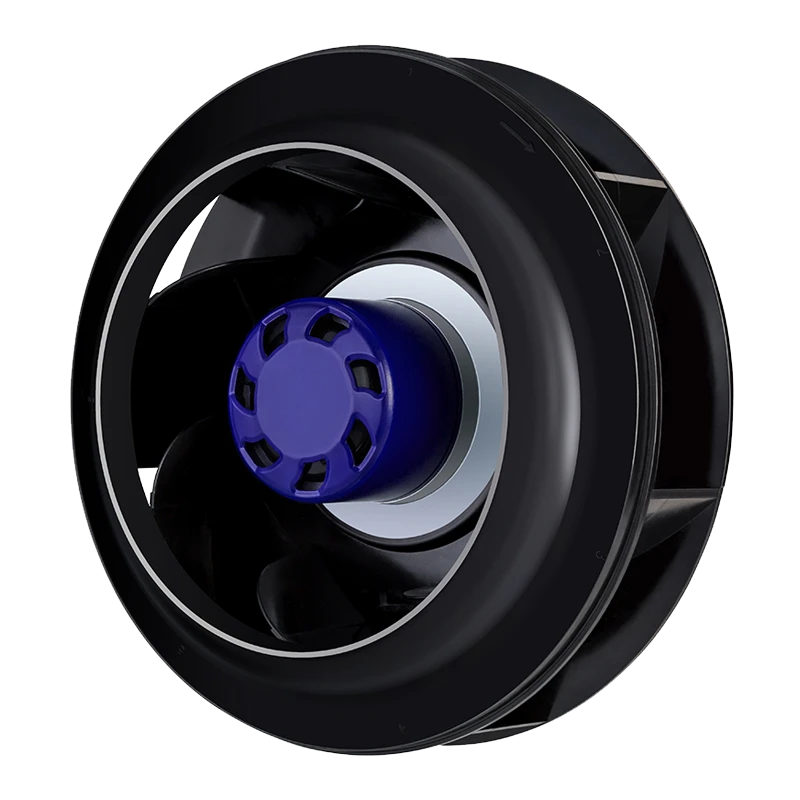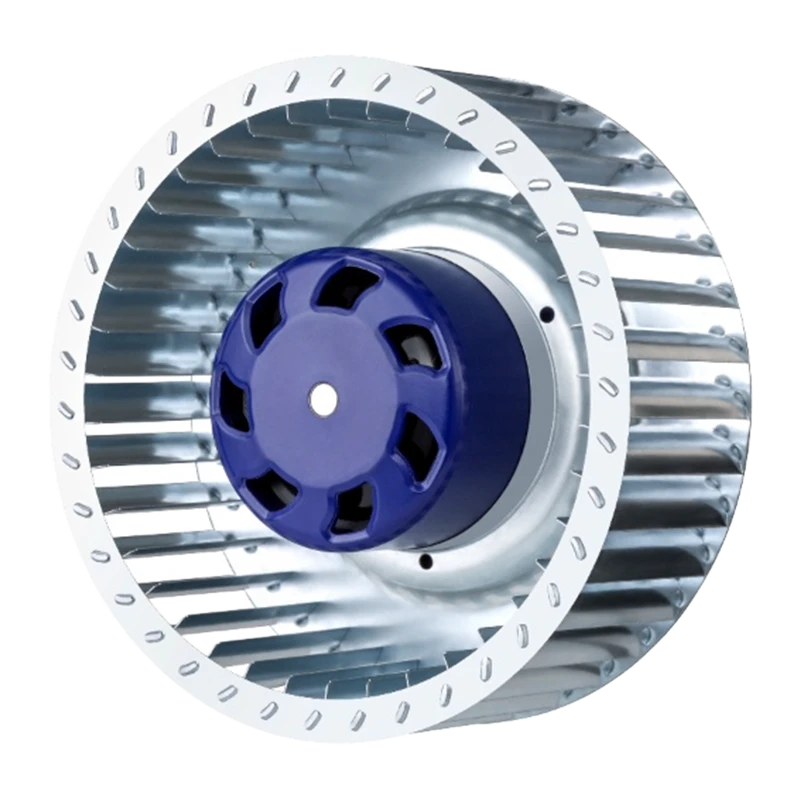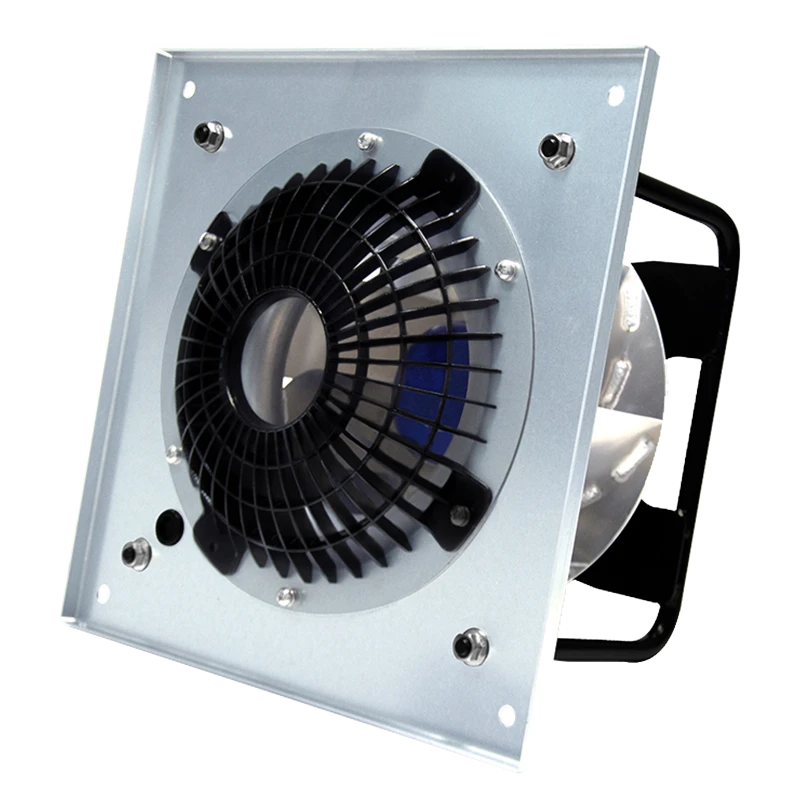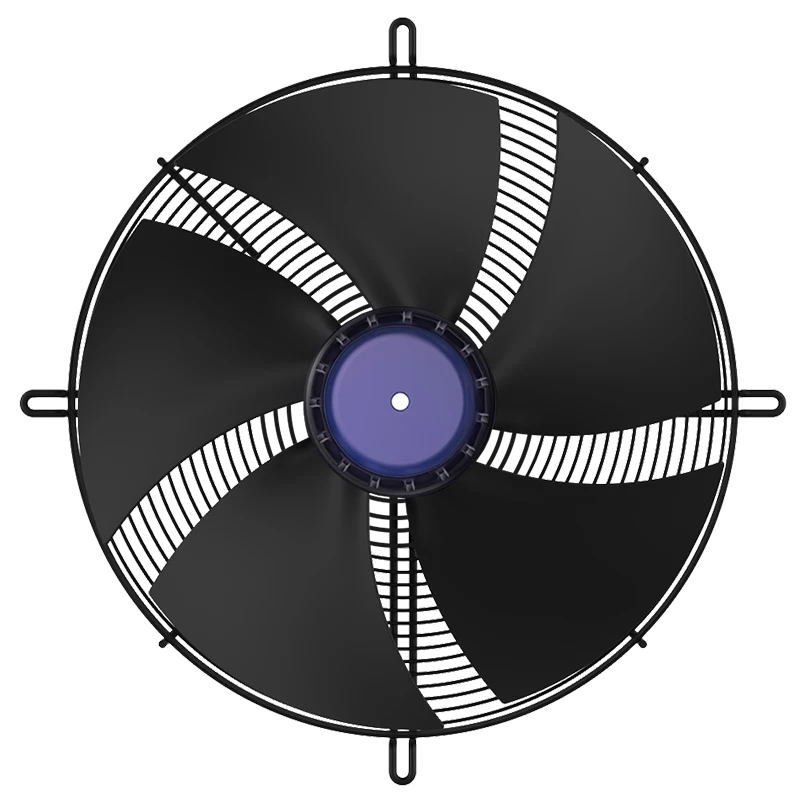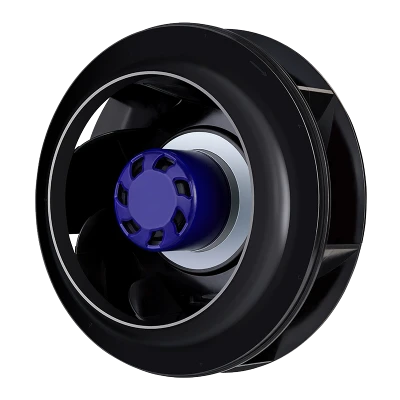
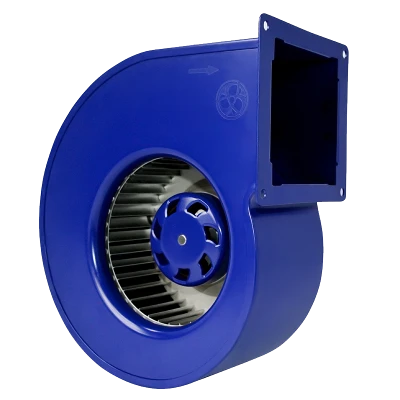
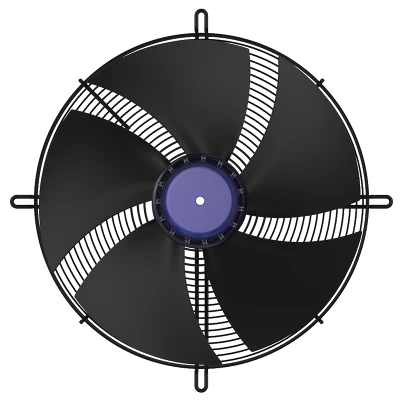
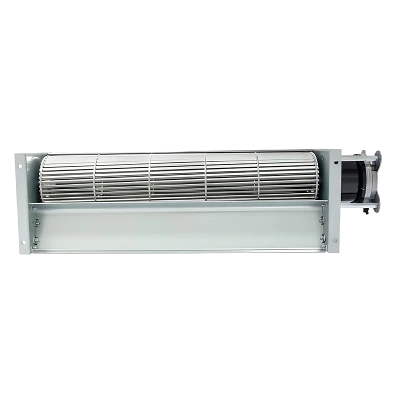

Hey everyone, it's Mia from AB Motors-y'know, the team behind those EC centrifugal fans you've probably seen popping up in HVAC systems, industrial exhaust setups, and all that good stuff. Lately, I've been getting a ton of DMs and calls from folks operating at high altitudes, like mountain breweries, remote data centers in the Rockies, and even those big ski resort ventilation halls, asking the same question: Can I actually use an EC centrifugal fan at high altitudes?
It's a solid question, right? Because high-altitude environments aren't just "a bit higher up"-the air's thinner, atmospheric pressure drops, and every piece of equipment that relies on air flow has to adjust. I get why people are nervous-you don't wanna drop a bunch of cash on a fan that underperforms when the elevation climbs. Let's break this down like we're chatting over a coffee, no stuffy engineering jargon that makes your eyes cross.

First, let's remember what an EC centrifugal fan even is. Unlike old AC fans that use motors with brushes and need extra power to overcome resistance, EC (electronically commutated) fans are brushless, have built-in microcontrollers, and run way more efficiently. They're compact, quiet, and can adjust speed on the fly-perfect for tight spaces or setups where airflow needs tweaking. Now, high altitudes: usually, that's anything above 1,500 meters (about 5,000 feet) above sea level. At 3,000 meters, atmospheric pressure is roughly 70% of what it is at sea level, and air density is lower too. That matters because fans move air by pushing molecules, so less dense air means less mass to move.
Wait, so does that mean EC centrifugal fans suck at high altitudes? Not exactly-here's the key: it depends on how you spec them, and how their performance curves hold up. Let's start with the basics of fan performance. Every fan has a "fan law" that tells you how airflow, pressure, and power change with density. The main one here is that airflow rate (that's how much air you move) is almost the same at any altitude if the fan speed stays the same-wait, hold on, let me make sure I get that right. Yeah, airflow is volume per unit time, not mass. So if you're moving 1,000 cubic feet per minute (CFM) at sea level, at high altitude you're still moving 1,000 CFM, just with fewer air molecules. Static pressure, though- that's the resistance the fan has to push against, like from ductwork or filters-drops a little, and power consumption drops too, roughly proportional to air density.
But here's the catch a lot of people miss: fan motors. EC fans use permanent magnet motors, right? And their cooling depends on air flow over the motor windings. At high altitudes, thinner air means less convective cooling, so if you run the fan at the same power level you would at sea level, the motor could overheat. That's where our EC fan designs come into play-we build them with extra thermal headroom specifically to handle that.
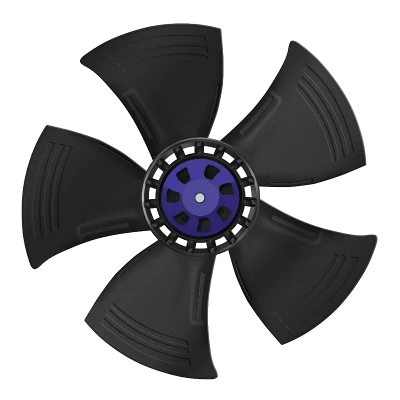
Let me talk about specific examples from our lineup, because that's what folks actually care about. Take our 48V 85W 5060hz Motor Centrifugal Exhaust Fan Motor Blower Ec Fan Manufacturers - this is a compact, low-voltage model perfect for small spaces like RVs or tiny mountain cabin ventilation. We tested one at 2,500 meters, and it put out almost the same CFM as at sea level, just with a tiny bump in speed (we can tweak that via the built-in controller) to compensate for the thinner air. No overheating, no weird drops in performance.
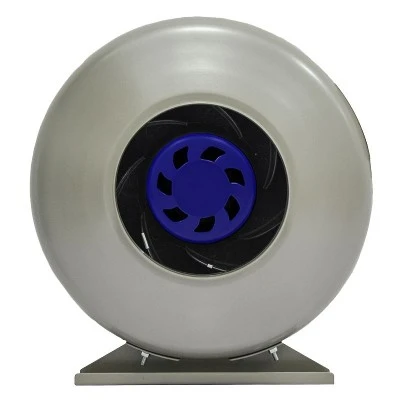
Then there are the bigger setups-like industrial exhaust for factories at 3,000 meters, or data centers in Denver (elevation ~1,600 meters, which counts for this question). Our 230v 115W Big Motor Ec Centrifugal Fan Brushless Motor has a robust external rotor design. We ran tests on that one last year at a site in Colorado, and it handled the low pressure like a champ. The key here is that the motor's cooling fins are sized to work even when air is less dense, and the EC controller adjusts power in real time to keep the motor temp in check. No more guesswork-you just set the desired CFM, and it sorts it out automatically.
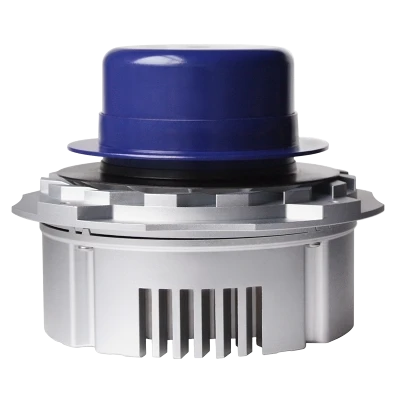
Wait, what about those 0-10V controlled models? A lot of our customers use those for variable airflow, which is super important at high altitudes when demand fluctuates. Our 115v Motor Out Centrifugal Fan Motor 0-10v Motor Blower is designed to sync with building management systems, so you can dial up or down airflow without worrying about motor stress. We've got another heavy-hitter here too-our 230v Centrifugal Fans with External Rotor Motor 0-10v and the similar 230v Centrifugal Fans with External Rotor Motor Big Motor Ec Centrifugal Fan - these are workhorses for big industrial or commercial high-altitude sites. We even have clients using these in mining operations in the Andes, where elevation hits 4,000 meters, and they haven't had a single motor overheating issue in three years.
Which centrifugal fan models should you review?
Confirm altitude suitability, air-density corrections and motor operating limits for the selected model and site conditions.

Blauberg BE-B400H-EC-05 400mm DC Backward Centrifugal Fan
View product details and specifications.
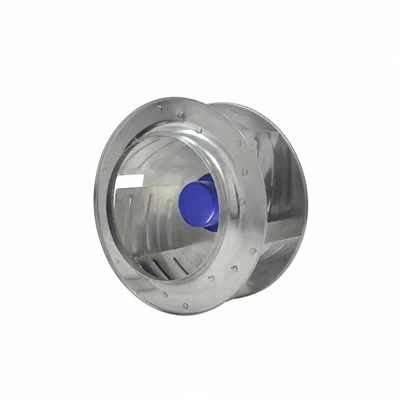
Blauberg BE-B400D-EC-05 400mm DC Backward Centrifugal Fan
View product details and specifications.
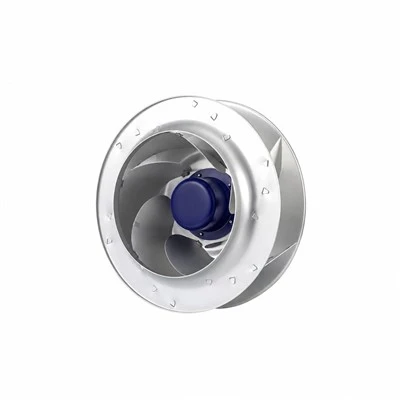
Blauberg BE-B355C-EC-05 355mm DC Backward Centrifugal Fan
View product details and specifications.
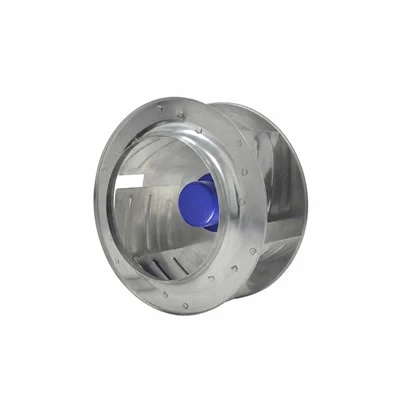
Blauberg BN-B310C-EC-01 310mm DC Backward Centrifugal Fan
View product details and specifications.
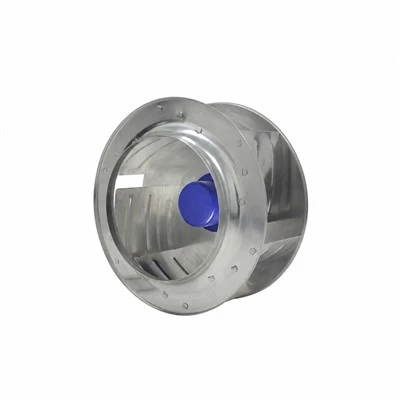
Blauberg BE-B310D-EC-N07 310mm DC Backward Centrifugal Fan
View product details and specifications.
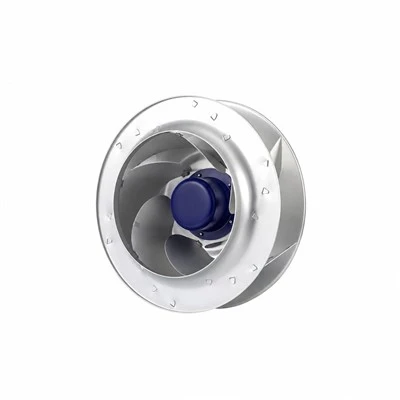
Blauberg BE-B310D-EC-05 310mm DC Backward Centrifugal Fan
View product details and specifications.
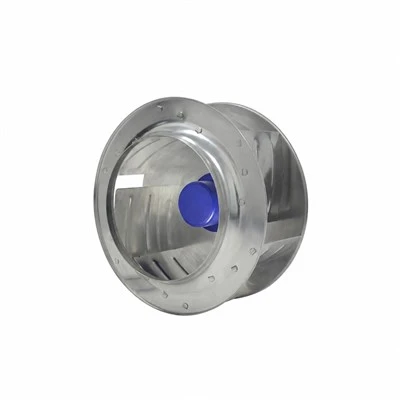
Blauberg BE-B310C-EC-01 310mm DC Backward Centrifugal Fan
View product details and specifications.
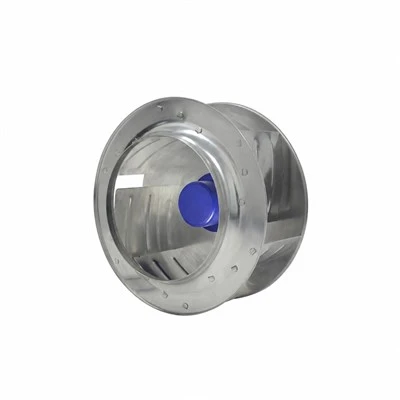
Blauberg BD-B310D-EC-N07 310mm DC Backward Centrifugal Fan
View product details and specifications.
But hold up-before you go out and buy any old EC centrifugal fan, there are a couple of rules of thumb to follow, okay? First, don't just use sea-level performance specs. Every fan has a performance curve that's based on standard air density (1.2 kg/m³, that's sea level). At high altitude, density is lower, so you need to adjust the expected pressure and power. Our engineering team can tweak the speed or motor size a bit for you, no extra cost if you specify your elevation upfront. Second, account for your actual load. If your ductwork has a lot of filters or bends, that's extra resistance, and at high altitude you might need a bit more airflow to overcome that. Third, check for motor certification for high altitudes. We test all our EC fans to ensure they meet IEC standards for thermal performance at low pressure, so you don't have to worry about warranty issues.
I've seen a lot of people make the mistake of thinking "if it works at sea level, it works everywhere" - nope, that's not how air works. I had a customer last year who bought a cheap no-name EC fan from Amazon for his mountain workshop, and within a month the motor burned out because he didn't account for the 2,000-meter elevation. Stick with reputable manufacturers who test their products in high-altitude conditions-like us.
Another thing I love about EC centrifugal fans for high altitudes is their energy efficiency. At sea level, EC fans use 30-50% less power than old AC models, but at high altitude, that savings goes even further because they automatically adjust power to match the lower density. The 0-10V models we offer let you ramp down airflow when demand is low, which is perfect for places like ski resorts that have busy and slow seasons. You're not wasting energy pushing air that's not needed, and the motor stays cool because it's not working harder than it needs to.
Wait, let's do a quick test case to make this real. Suppose you need a fan for a warehouse at 2,700 meters. The air density there is about 0.9 kg/m³, so 75% of sea level. If you need 5,000 CFM of airflow at sea level, at high altitude you'd still need 5,000 CFM, but the static pressure is a bit lower. Our sales team would recommend either the 115V model with a slightly higher speed setting, or if you need a bit more oomph, the big 230V external rotor fan. We'd run the numbers for you, no pressure, no confusing jargon.
Is there any case where an EC centrifugal fan doesn't work at high altitudes? Probably if you're trying to use a tiny, under-sized fan built for a basement apartment in a 4,000-meter mountain chalet. Or if you ignore the thermal limits of the motor-like running it at full speed 24/7 without any speed control. But for almost all commercial, industrial, or even residential high-altitude applications, EC centrifugal fans are not only usable, they're better than AC fans because of their smart, adaptive design.

At the end of the day, here's the takeaway: Yes, you can use an EC centrifugal fan at high altitudes, but you need to spec it correctly, work with a supplier who understands high-altitude performance, and don't cut corners on quality. If you're at an elevation above 1,500 meters, give us a heads up when you reach out-our team will pull the right fan from our lineup, whether it's the compact 48V 85W 5060hz Motor Centrifugal Exhaust Fan Motor Blower Ec Fan Manufacturers for small spaces or the heavy-duty 230v Centrifugal Fans with External Rotor Motor Big Motor Ec Centrifugal Fan for big industrial jobs. We've tested these in the mountains, in the Rockies, the Andes, all over-they hold up.
If you're wondering about something specific, like how to adjust the fan once it's installed, or what kind of maintenance to expect, just send us a message. We're not here to push a sale-we're here to make sure your high-altitude setup works as smooth as possible. Don't let thinner air stress you out; EC fans are built to adapt.
Feel free to reach out to our team for more details or to discuss your exact high-altitude application. We're happy to help you find the right fan for your needs.
References:
- ASHRAE Handbook: HVAC Systems and Equipment (2022) - Fan Performance at Altitude
- IEC Standard 60034-1: Rotating Electrical Machines - Rating and Performance
- US Department of Energy: Fan Energy Efficiency Basics for Variable Speed Applications
- AB Motors Internal High-Altitude Performance Test Data (2021-2023)
Category of Blauberg Products
Built on German engineering principles, focusing on precision, reliability, and long-term performance. Through efficient and scalable manufacturing, we deliver high-quality ventilation solutions with optimized cost structure, ensuring strong value for global OEM and project-based customers.