
If you've ever shopped for ventilation, HVAC, or industrial cooling gear, you've probably seen two main EC centrifugal fan motor options thrown around: single-phase and three-phase. As an EC centrifugal motor fan supplier, I get questions about this all the time-most folks don't just want a textbook breakdown, they want real-world context for their setup. I've installed, troubleshooted, and sold these fans for years, so let's cut through the jargon and break down what actually sets these two apart, plus when to pick which one.
First, let's start with a quick baseline: EC stands for Electronically Commutated, which is basically a fan motor that uses a built-in microcontroller to control speed instead of the old AC induction motors with fixed windings. They're way more efficient than traditional AC fans, cheaper to run long-term, and way quieter. The big split comes down to how they connect to your building's power grid: single-phase vs. three-phase power. That's the root of almost every difference here.
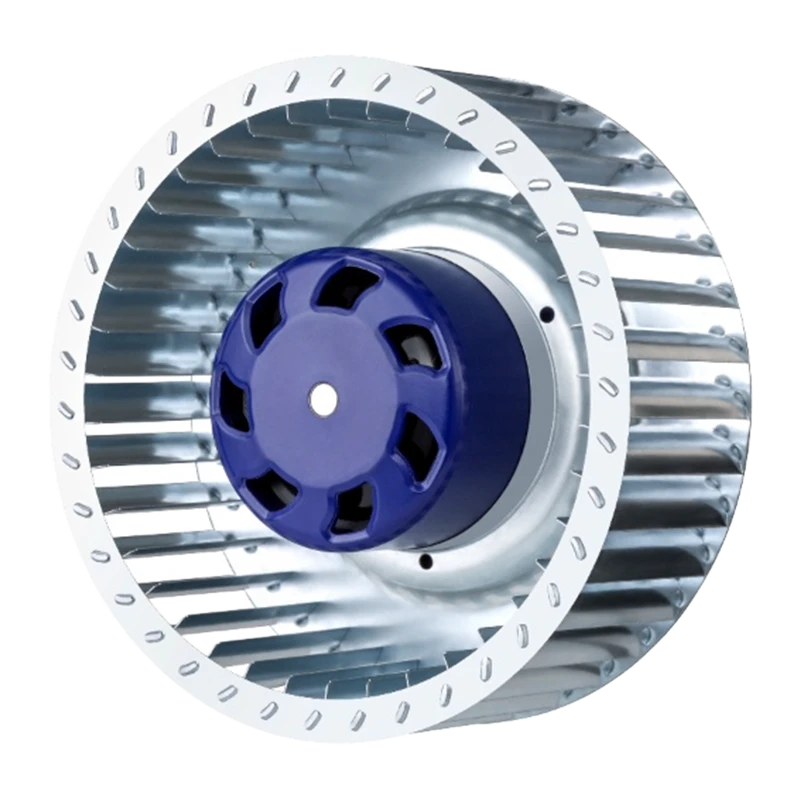
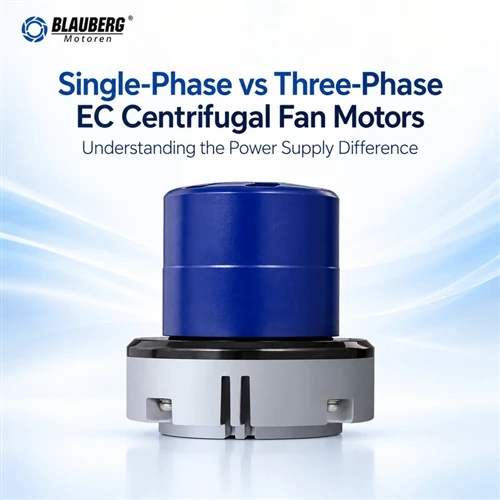
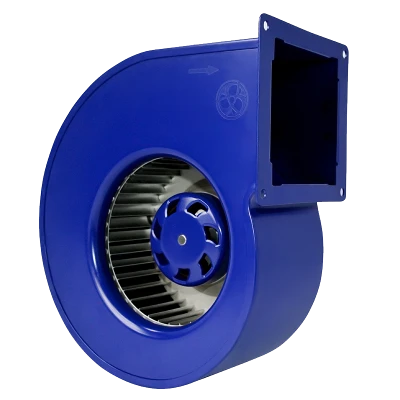
Let's start with single-phase EC centrifugal motors, since they're probably the one you're most familiar with if you work in small to medium spaces. Single-phase power is the standard in residential and most light commercial buildings-think homes, small retail shops, coffee shops, or office suites under 10,000 sq ft. It runs on one alternating current (AC) line, so it's simpler to plug into and requires less infrastructure to install. For EC fans, single-phase versions are usually 115V or 230V, which fits right into standard wall outlets. I've got a great example if you need that: our 115v Motor Out Centrifugal Fan Motor 0-10v Motor Blower is made for exactly these small, straightforward spaces. It's compact, easy to retrofit into existing ductwork, and works with the standard low-voltage 0-10v signal that most thermostats or building management systems (BMS) use for speed control.
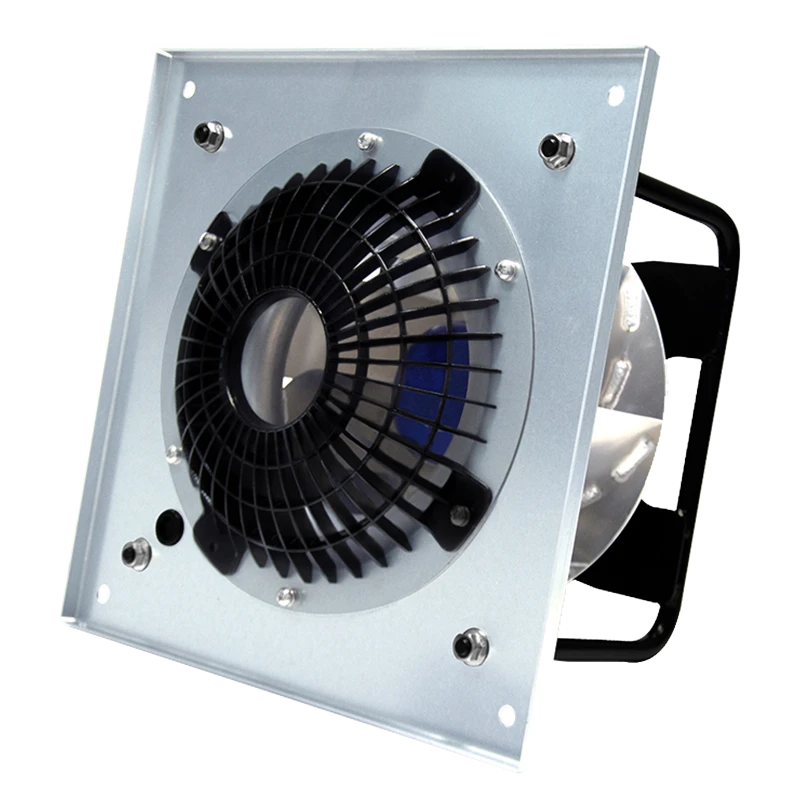
Now, single-phase EC motors have some clear tradeoffs. Because they only use one power line, the power delivery isn't as smooth as three-phase-you get little dips in voltage 100 or 120 times a second (depending on your grid frequency). That doesn't matter much for tiny fans, but when you scale up, you start to lose efficiency. Single-phase EC motors also max out at lower power output, usually around 1-2HP for most consumer and light commercial models. If you're trying to cool a 10,000 sq ft warehouse or a large hospital server room, a single-phase fan might struggle to move enough air without running hotter or wasting more energy. They're also a bit noisier at higher speeds, because the power fluctuations make the motor's internal components vibrate more. Don't get me wrong-single-phase EC fans are perfect for 90% of the jobs I run into day-to-day. Our Blauberg MEC3L-72-25P 72mm 230V 115W EC Motor is a great pick for smaller exhaust fans or tight spaces where you don't want to deal with a bigger power hookup, like a bathroom or a small closet vent.

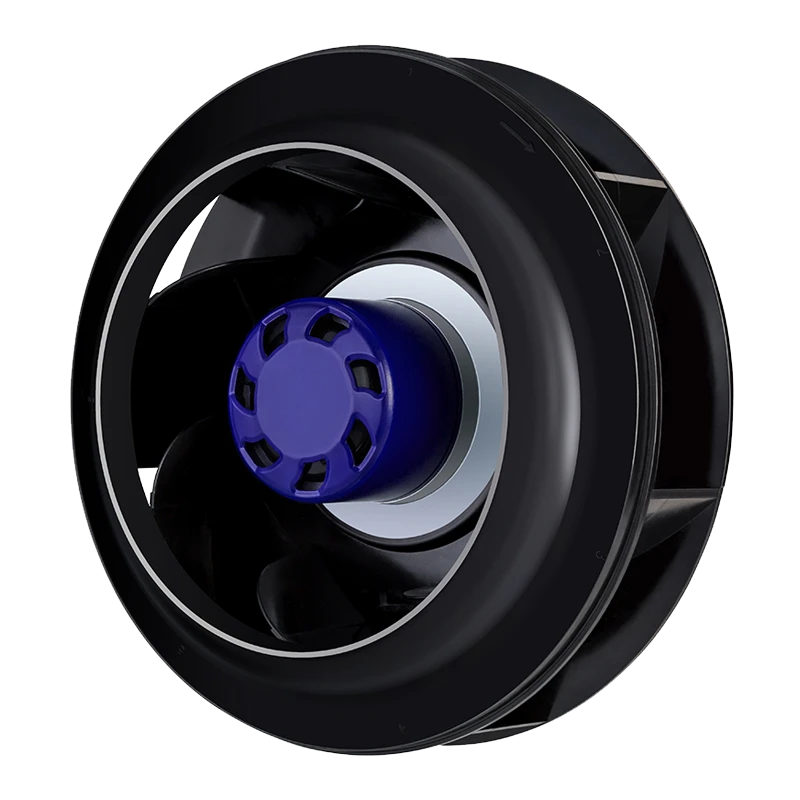
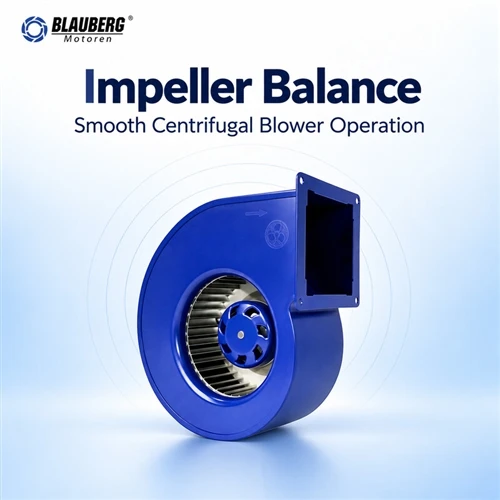
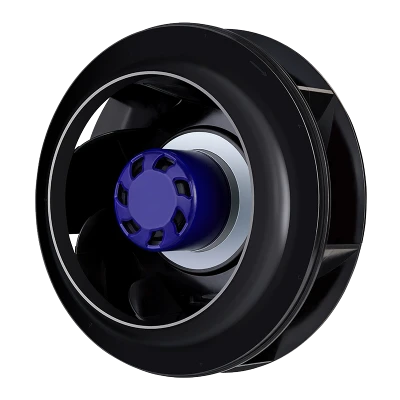
Now let's talk three-phase EC centrifugal motors, which are made for heavy-duty, high-demand applications. Three-phase power uses three separate AC lines, staggered so the power delivery is almost constant-no big dips, just steady, consistent voltage. That makes them way more efficient at scale, because the motor doesn't have to work as hard to smooth out power fluctuations. Three-phase EC motors are almost always 230V or higher, and they can handle way more power: think 2HP, 5HP, even 10HP for large industrial fans or rooftop HVAC units. This makes them the go-to for big commercial buildings, warehouses, data centers, manufacturing plants, or any space that needs to move thousands of cubic feet of air per minute (CFM). I swear by these for big jobs-they use 20-30% less energy than comparable single-phase motors over their lifespan, which adds up fast on a 24/7 operation. If you need a heavy-duty option, our 230v Centrifugal Fans with External Rotor Motor Big Motor Ec Centrifugal Fan is built for exactly these high-load environments. It's got the 0-10v control you'd need to sync with a BMS, and the three-phase design means it runs cool even at max CFM, no overheating issues.
Wait, but three-phase isn't for everyone. The biggest downside is that most small buildings don't have three-phase power available, and running it is a hassle. To get three-phase power, you usually need to have an electrician rework your building's electrical panel, which can cost thousands of dollars upfront. That's not worth it if you're only using one or two fans. Three-phase EC fans are also a bit more expensive to buy, and their control systems are a little more complex, though not by much these days. The other thing to note is that while three-phase is better for high power, you don't get any extra benefit from it for low-demand jobs. If you stick a 5HP three-phase fan in a tiny 1,000 sq ft office, it'll use way more energy than a comparable single-phase model and be overkill. Our 230v Centrifugal Fans with External Rotor Motor 0-10v is a middle ground, great for medium commercial spaces like a 20,000 sq ft retail center or a small restaurant kitchen, where you might have three-phase power already but don't need the absolute maximum HP.
Which centrifugal fan models should you review?
Confirm the rated supply voltage, input phase and control requirements in each model specification before selection.

Blauberg BE-B400H-EC-05 400mm DC Backward Centrifugal Fan
View product details and specifications.
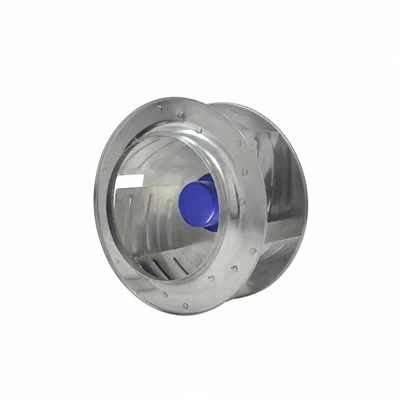
Blauberg BE-B400D-EC-05 400mm DC Backward Centrifugal Fan
View product details and specifications.
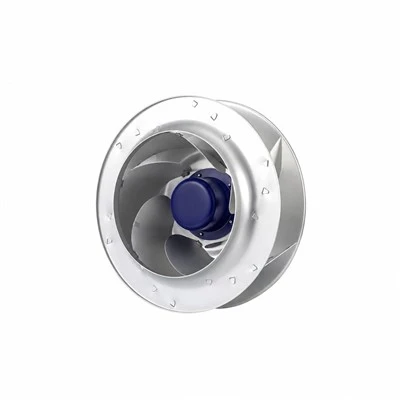
Blauberg BE-B355C-EC-05 355mm DC Backward Centrifugal Fan
View product details and specifications.
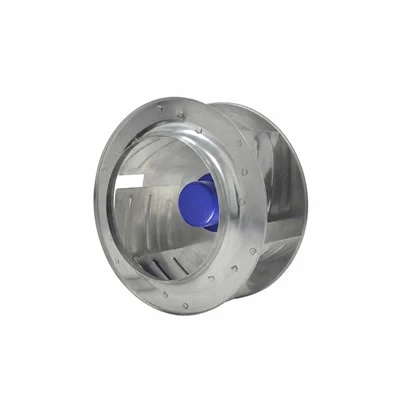
Blauberg BN-B310C-EC-01 310mm DC Backward Centrifugal Fan
View product details and specifications.
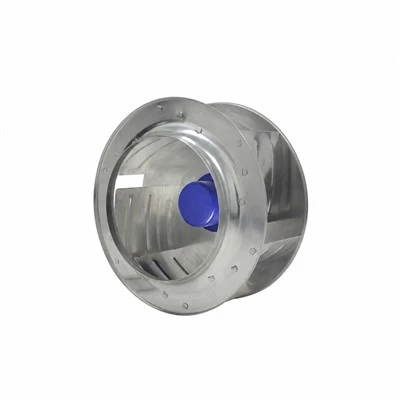
Blauberg BE-B310D-EC-N07 310mm DC Backward Centrifugal Fan
View product details and specifications.
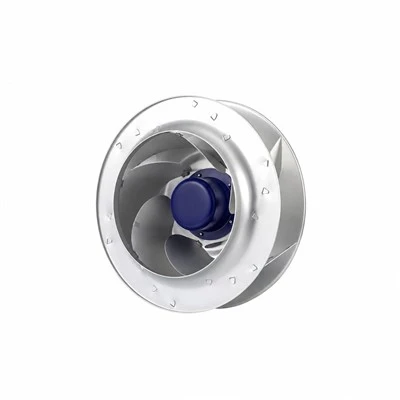
Blauberg BE-B310D-EC-05 310mm DC Backward Centrifugal Fan
View product details and specifications.
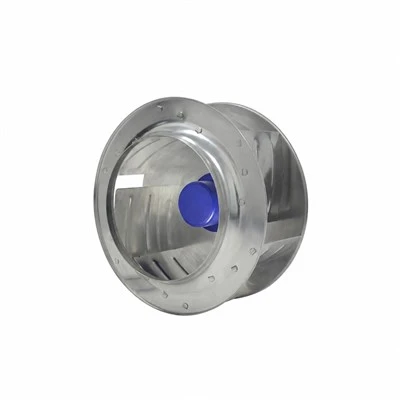
Blauberg BE-B310C-EC-01 310mm DC Backward Centrifugal Fan
View product details and specifications.
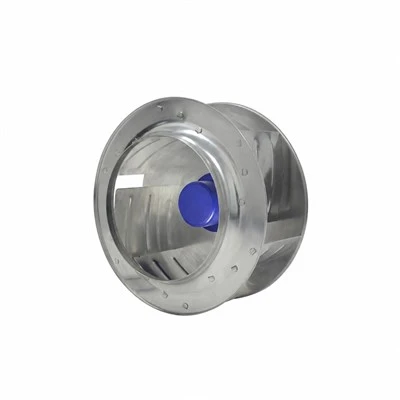
Blauberg BD-B310D-EC-N07 310mm DC Backward Centrifugal Fan
View product details and specifications.
Let's break down the key differences in plain terms, no engineering jargon: first, power infrastructure. Single-phase fits standard wall outlets, no extra work. Three-phase needs a special electrical setup, so it's only worth it for big spaces. Then there's efficiency: single-phase is good for small loads, three-phase is way more efficient at high loads, saving you money on electric bills long-term. Performance: three-phase motors run smoother, quieter at max speed, and can move way more air. Single-phase is fine for small to medium jobs, no issues there. Cost upfront: single-phase fans are cheaper to buy and install, three-phase has higher upfront costs for the fan and the electrical work needed to hook it up.
Now, let's get into some common mistakes I see customers make all the time. Last year, a small warehouse owner came to me wanting to replace his old exhaust fans, and he tried to go with three-phase because he thought it was "better." Turned out his building only had single-phase power, and running three-phase would have cost him $3,500 in electrical work just to hook up the fans. We ended up going with our 230v Centrifugal Fans with External Rotor Motor 0-10v single-phase version, which gave him almost the same CFM at half the total cost. On the flip side, I had a data center client who tried to save money by using single-phase EC fans for their server cooling units. They kept overheating during peak times, because the single-phase motors couldn't keep up with the steady high CFM needed, and they wasted 15% more energy than if they'd gone three-phase. We switched them over to our 230v 750W Big Motor Ec Centrifugal Fan Motors Electrical 0-10v, and their cooling costs dropped by almost a quarter in the first month.
Another thing to mention is control-most modern EC fans, both single and three-phase, use the 0-10v speed control signal, so you can sync them to thermostats, BMS, or even smart building apps. That's a big plus over old AC fans, which only had on/off speeds or fixed settings. The microcontroller in EC motors also means they adapt to load, so if you only need half the air flow, they'll slow down and use less power, regardless of single or three-phase.
Wait, is there any other difference? Maintenance, mostly. Three-phase motors tend to have a longer lifespan in high-load applications, because they run smoother, so less wear and tear on the bearings and windings. Single-phase motors work great for 10-15 years in small jobs, while three-phase can last 20+ years in industrial settings, as long as you keep up with basic checks. That's a big part of the total cost of ownership, not just the upfront price.
Let me wrap this up with how to pick the right one, since that's what you're actually here for. If you're doing a small residential project, a small office, a retail store, or a retrofit where you don't want to mess with electrical work, go single-phase. Our 115v Motor Out Centrifugal Fan Motor 0-10v Motor Blower or the Blauberg MEC3L-72-25P 72mm 230V 115W EC Motor are solid picks here-they're affordable, easy to install, and get the job done. If you're working on a big commercial building, warehouse, data center, manufacturing plant, or any space with high, steady cooling or exhaust needs, go three-phase. Our 230v Centrifugal Fans with External Rotor Motor Big Motor Ec Centrifugal Fan or the 230v 750W Big Motor Ec Centrifugal Fan Motors Electrical 0-10v are built for exactly these high-demand jobs, and the efficiency savings will pay for the upfront cost in a couple of years. And if you're somewhere in the middle-like a medium restaurant, a 15,000 sq ft office, or a small warehouse-our 230v Centrifugal Fans with External Rotor Motor 0-10v is the sweet spot, with enough power and efficiency without overdoing it.
At the end of the day, the choice doesn't have to be complicated. It's all about your space, your power setup, and how much air you need to move. I've helped hundreds of clients narrow this down over the years, and the best move is to match the fan to your specific needs, not just go with what everyone says is "better." If you're unsure, just reach out-we can help you figure out the right EC centrifugal fan for your job, no pressure, no confusing tech talk.
References:
- EC Motor Technology Basics, Blauberg Group Industry Resources, 2023.
- Single vs. Three-Phase Power for HVAC Equipment, Air Movement and Control Association (AMCA) Technical Bulletin, 2022.
- Energy Efficiency of Electronically Commutated Motors, U.S. Department of Energy Office of Energy Efficiency & Renewable Energy, 2021.
- Centrifugal Fan Sizing for Commercial and Industrial Applications, ASHRAE Handbook: HVAC Applications, 2023.
Category of Blauberg Products
Built on German engineering principles, focusing on precision, reliability, and long-term performance. Through efficient and scalable manufacturing, we deliver high-quality ventilation solutions with optimized cost structure, ensuring strong value for global OEM and project-based customers.