
Can an EC Centrifugal Blower Motor Be Used in a Cooling System?
If you're a design engineer, facility manager, or HVAC contractor scouring for reliable cooling solutions, you've probably crossed paths with EC (Electronically Commutated) centrifugal blower motors. These motors have transformed countless air movement applications over the last decade, but a common question lingers: do they stack up for cooling system use? As a supplier specializing in EC centrifugal blower motors, I've fielded this query dozens of times-and the short answer is a resounding yes. But to get the most out of these motors in cooling setups, you need to understand how they work, their unique advantages, and the scenarios where they shine (or fall short). Let's break this down.
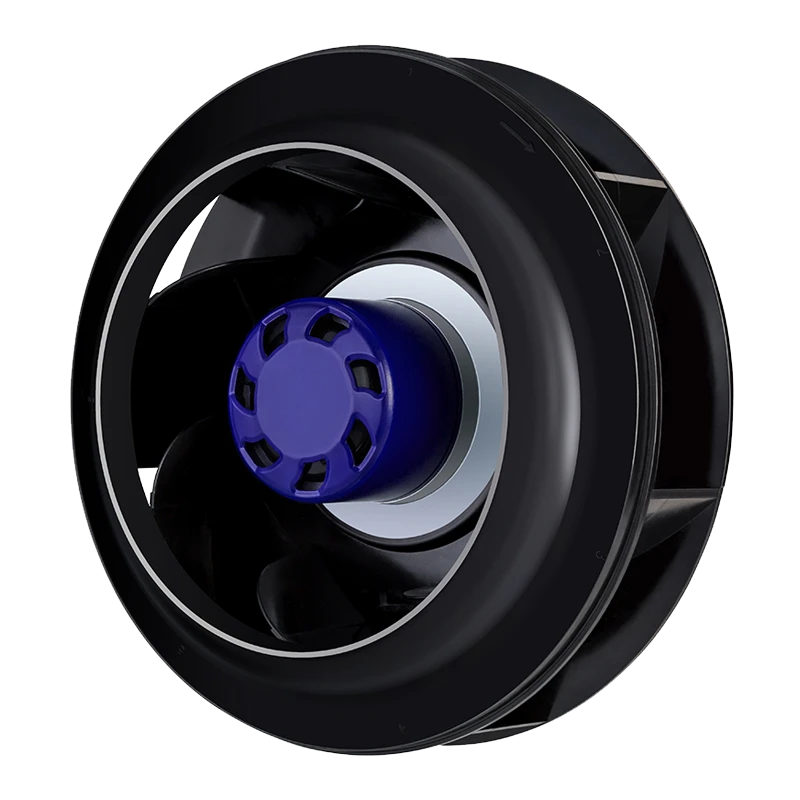
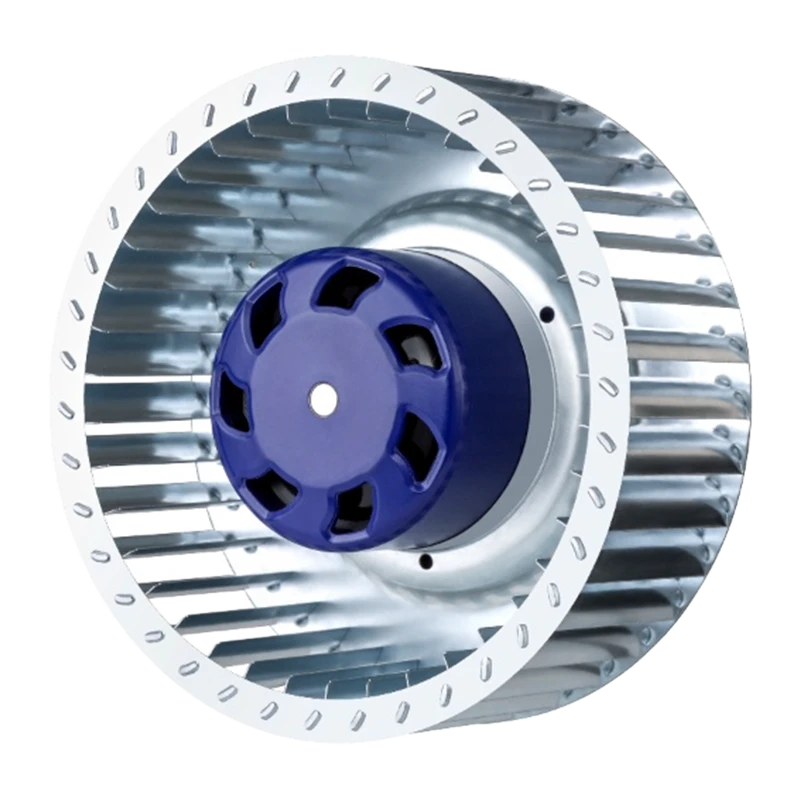
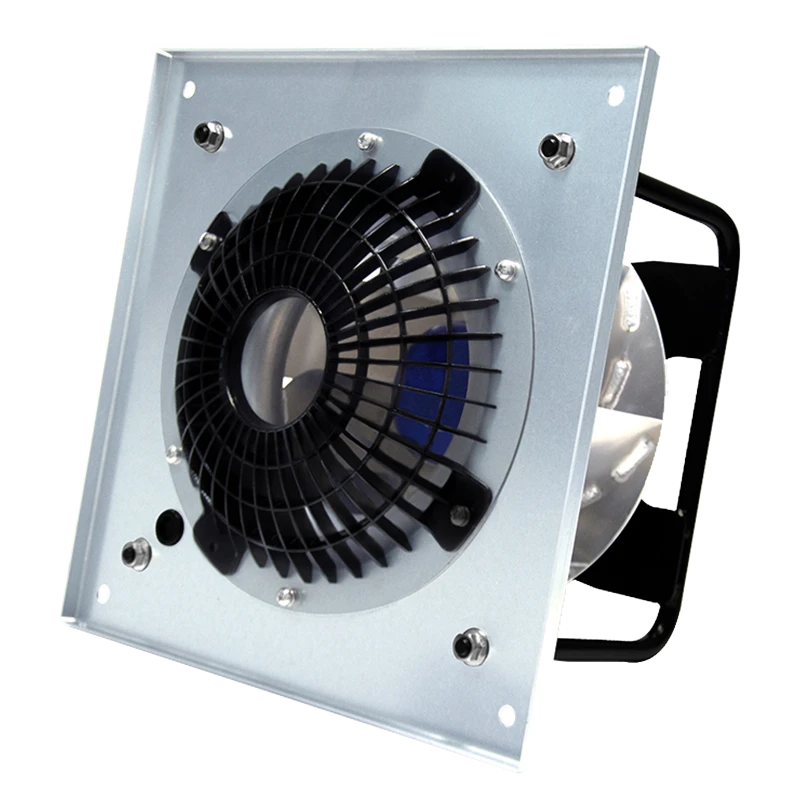
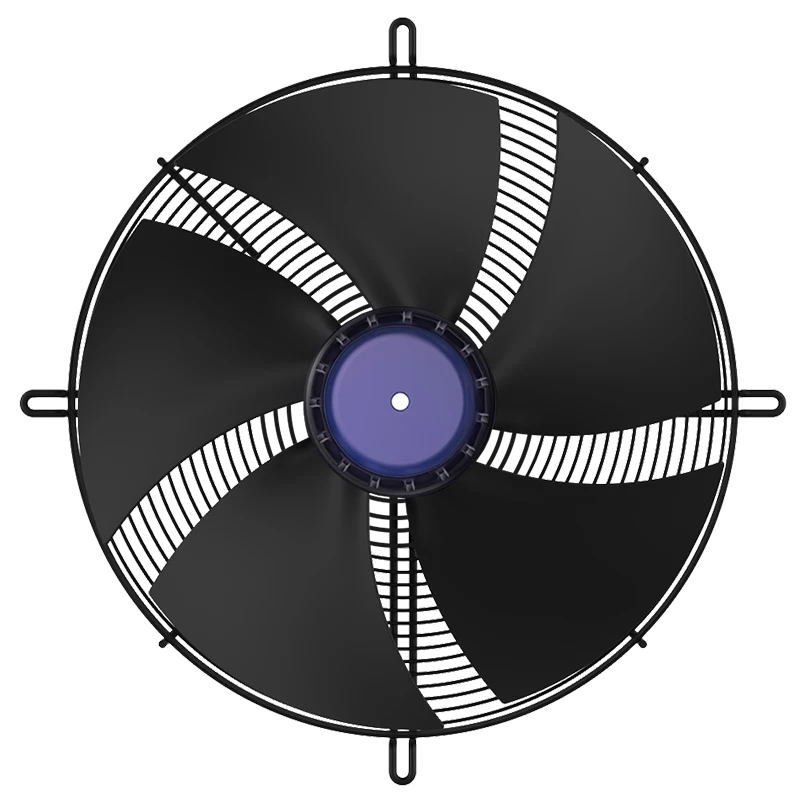
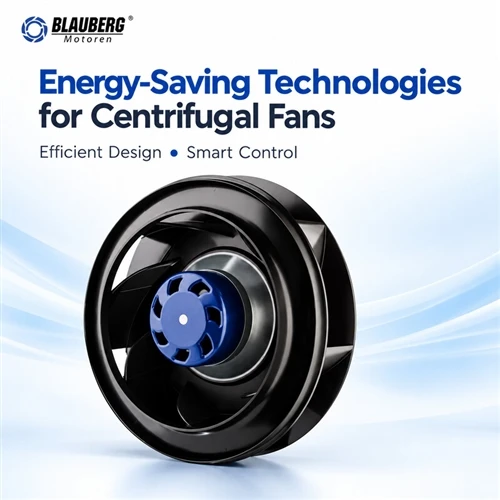
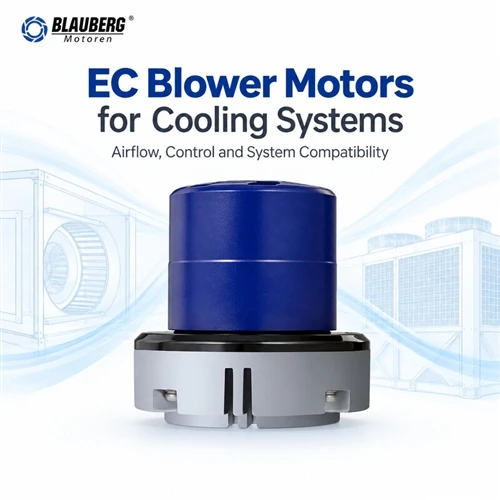
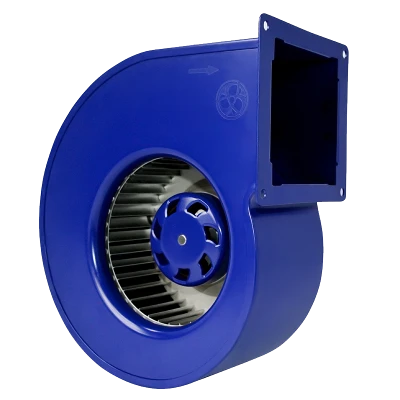
First, let's clarify what an EC centrifugal blower motor actually is. Unlike traditional AC motors that rely on synchronous alternating current to drive the rotor, EC motors use DC power with built-in electronics to control rotor speed precisely. The centrifugal design means the blower's blades pull air in parallel to the shaft, then fling it outward-perfect for moving large volumes of air at consistent pressure, which is exactly what cooling systems need: circulating conditioned air, removing heat from server racks, or regulating temperatures in industrial spaces.

Take a standard residential air conditioning system, for example. Back in the day, most used PSC (Permanent Split Capacitor) AC motors, which run at a fixed speed 24/7 unless you manually adjust them. EC motors changed that by adding variable speed control. That's a game-changer for cooling systems, because cooling demands aren't static. On a mild 70-degree day, you don't need your blower screaming at full speed; a lower, steady flow maintains comfort without wasting energy. EC motors can adjust speed in real time based on thermostat signals, duct static pressure, or even space temperature sensors. This translates to 30-50% lower energy use than AC motors, according to the U.S. Department of Energy, which is a massive win for both commercial and residential cooling budgets.
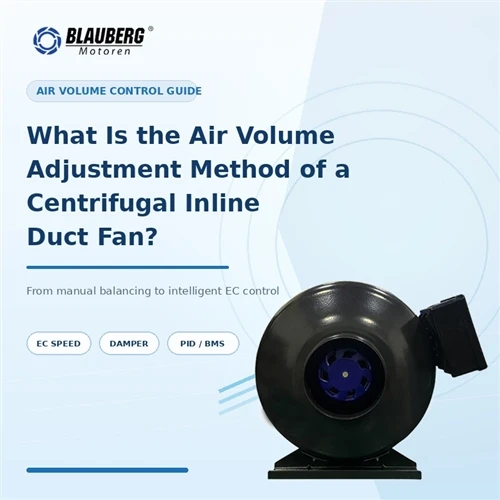
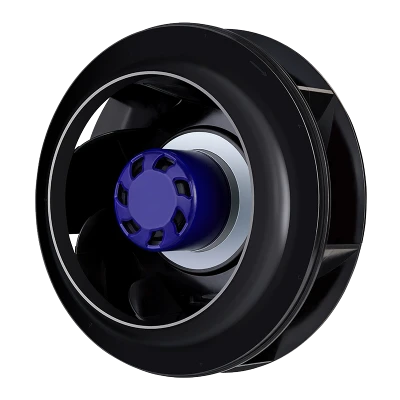
But it's not just about energy efficiency. Cooling systems often have to handle uneven loads-say, a server farm where one rack runs hotter than the others. EC centrifugal blowers excel here too, because their precise speed control lets you tailor airflow to specific zones. Many of our EC blower motors, like the 230v Centrifugal Fans with External Rotor Motor Big Motor Ec Centrifugal Fan, come with 0-10V or PWM (Pulse Width Modulation) communication ports, so they can integrate seamlessly into building management systems (BMS) or HVAC controllers. That means you can set individual cooling zones, adjust airflow in response to heat fluctuations, or even schedule runtime to align with off-peak energy rates. For data center cooling, where consistent temperature regulation prevents hardware failure, this level of control is non-negotiable-and EC motors deliver it far more reliably than old AC models.
Of course, no technology is one-size-fits-all. EC centrifugal blower motors do have considerations when used in cooling systems, starting with upfront cost. They're more expensive to manufacture than PSC or shaded-pole AC motors, so the initial investment might make you hesitate. But here's the catch: the energy savings add up quickly. For a commercial cooling system running 2,000 hours a year, an EC motor with a 170W rating (like our 230v 170W Big Motor Ec Centrifugal Fan Motors Electrical) will pay for itself in 3-5 years, thanks to lower electricity bills and reduced maintenance. We've seen clients in office buildings cut their HVAC energy costs by 40% after switching from AC blowers to EC models-so the return is real.
Which EC motor models should you review?
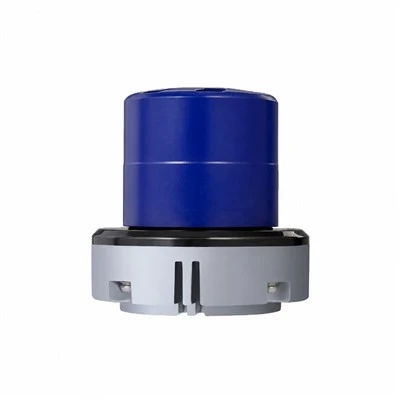
Blauberg MEC3L-72-25P 72mm 230V 115W EC Motor
View product details and specifications.

230v 115W Big Motor Ec Centrifugal Fan Brushless Motor
View product details and specifications.
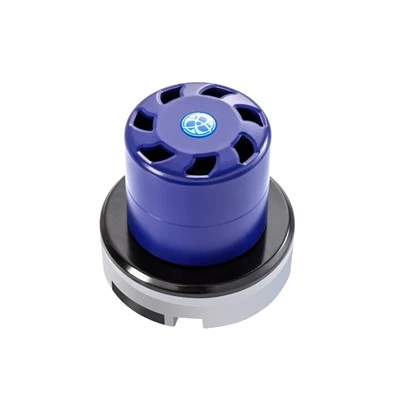
115v Motor Out Centrifugal Fan Motor 0-10v Motor Blower
View product details and specifications.
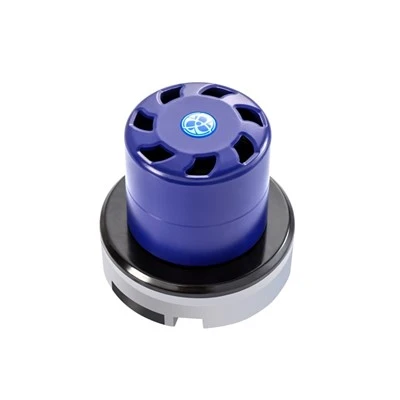
230v 170W Big Motor Ec Centrifugal Fan Motors Electrical
View product details and specifications.
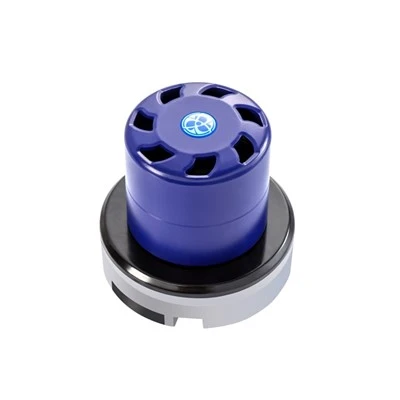
230v Centrifugal Fans with External Rotor Motor Big Motor Ec Centrifugal Fan
View product details and specifications.
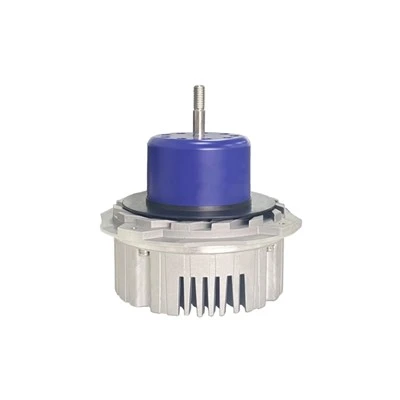
230v 750W Big Motor Ec Centrifugal Fan Motors Electrical 0-10v
View product details and specifications.
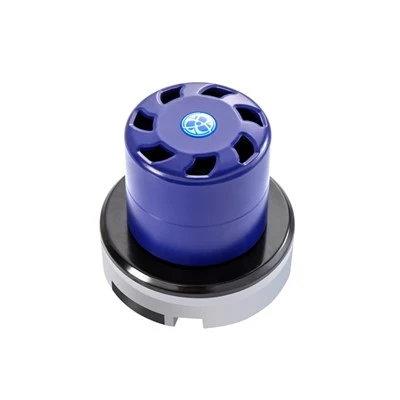
230v Centrifugal Fans with External Rotor Motor 0-10v
View product details and specifications.
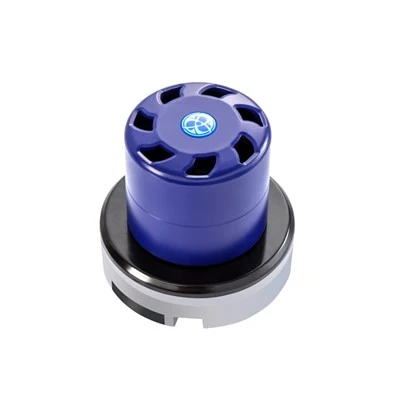
12v 85W 5060hz Centrifugal Fan Motor Out Centrifugal Fan
View product details and specifications.
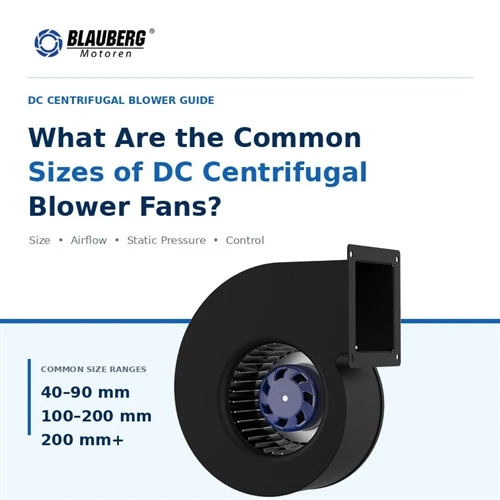
Another consideration is compatibility with existing cooling infrastructure. If you're retrofitting an old air handler or chiller, you need to make sure the EC blower motor fits the physical footprint and voltage requirements. Most of our EC motors come in popular voltages: 115v for smaller residential applications, and 230v for larger commercial or industrial setups. For example, the 115v Motor Out Centrifugal Fan Motor 0-10v is designed for compact, low-voltage cooling systems like residential AC units or small server closets, while the 230v 750W Big Motor Ec Centrifugal Fan Motors Electrical 0-10v is built for high-load cooling needs, like warehouses or industrial process cooling. It's critical to match the motor's power rating to your system's airflow demands-undersized motors will struggle to cool your space, while oversized ones waste energy.
Noise is another factor, especially for commercial spaces like offices or hospitals. Traditional AC blowers often create a droning hum because they run at fixed speeds and rely on belts or gears, which add friction and noise. EC centrifugal blower motors are brushless, so they have fewer moving parts, resulting in quieter operation. Our smaller models, like the Blauberg MEC3L-72-25P 72mm 230V 115W EC Motor, are designed for ultra-quiet cooling applications, such as home theater systems or medical equipment rooms, where noise levels are a top priority. For open-office cooling, this reduced noise not only improves employee productivity but also complies with many building noise regulations.
Now, let's talk about real-world use cases where EC centrifugal blowers outperform other cooling solutions. Industrial process cooling, for one. Factories that run heavy machinery generate massive amounts of heat-if left unregulated, this can damage equipment and slow production. EC blowers can be integrated into closed-loop cooling systems, where they circulate coolant through heat exchangers, adjusting speed based on machine temperature sensors. This not only prevents overheating but also reduces water usage in cooling towers by maintaining optimal flow rates. Another great fit is data center cooling, where cooling inefficiencies can lead to millions in downtime. EC blowers work with hot-aisle/cold-aisle containment systems, delivering precise airflow to cold aisles while pulling hot air from hot aisles, which cuts cooling load by 20-30% compared to traditional systems.
That said, there are scenarios where EC motors might not be the best choice. For very small, low-budget cooling applications-like a tiny closet fan for a storage room-the upfront cost of an EC motor may not justify the savings. In these cases, a basic AC blower might suffice. Also, if your cooling system operates in extreme environments with temperatures below -20°F or above 120°F, you'll need to check the motor's temperature rating. Most of our EC motors are rated for standard HVAC and industrial use, but specialized models are available for harsh conditions.
So, if you're considering upgrading your cooling system or designing a new one, should you go with an EC centrifugal blower motor? The answer depends on your specific needs, but for most commercial, industrial, and high-performance residential cooling applications, yes-they offer unmatched energy efficiency, precise control, and long-term reliability.

If you're ready to explore EC centrifugal blower motors for your cooling project, we have a range of options to fit your voltage, power, and size requirements. From compact 72mm motors for small cooling setups to 750W models for large industrial systems, we can help you select the right motor to match your airflow needs. Whether you're retrofitting an existing HVAC system or building a new cooling setup, our team can provide technical support to ensure a seamless installation. Reach out to discuss your cooling project details, and we'll help you find the perfect EC centrifugal blower motor to boost efficiency and performance.
References:
- U.S. Department of Energy. (2022). Energy Efficiency Improvement for HVAC Systems.
- Air-Conditioning, Heating, and Refrigeration Institute (AHRI). (2023). Variable Speed Motor Performance in Cooling Applications.
- Blauberg Group. (2021). EC Blower Motors for Precision Cooling Systems.
Category of Blauberg Products
Built on German engineering principles, focusing on precision, reliability, and long-term performance. Through efficient and scalable manufacturing, we deliver high-quality ventilation solutions with optimized cost structure, ensuring strong value for global OEM and project-based customers.