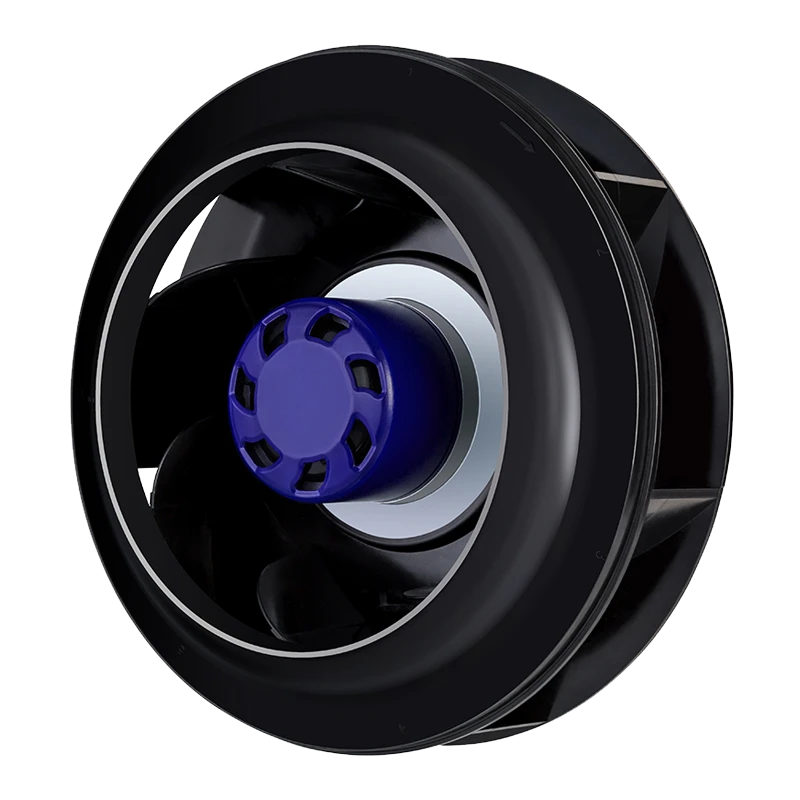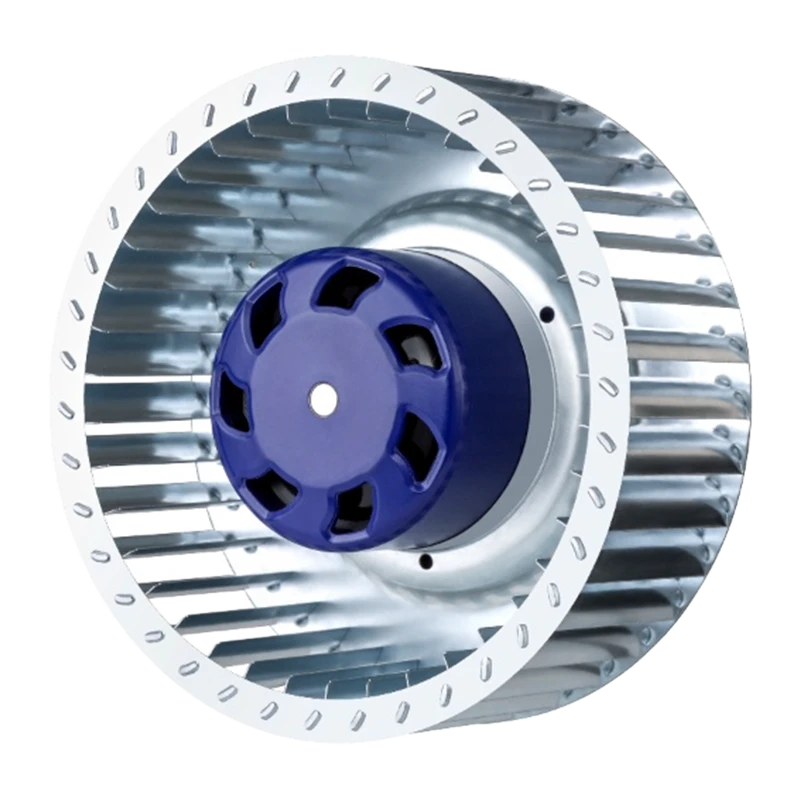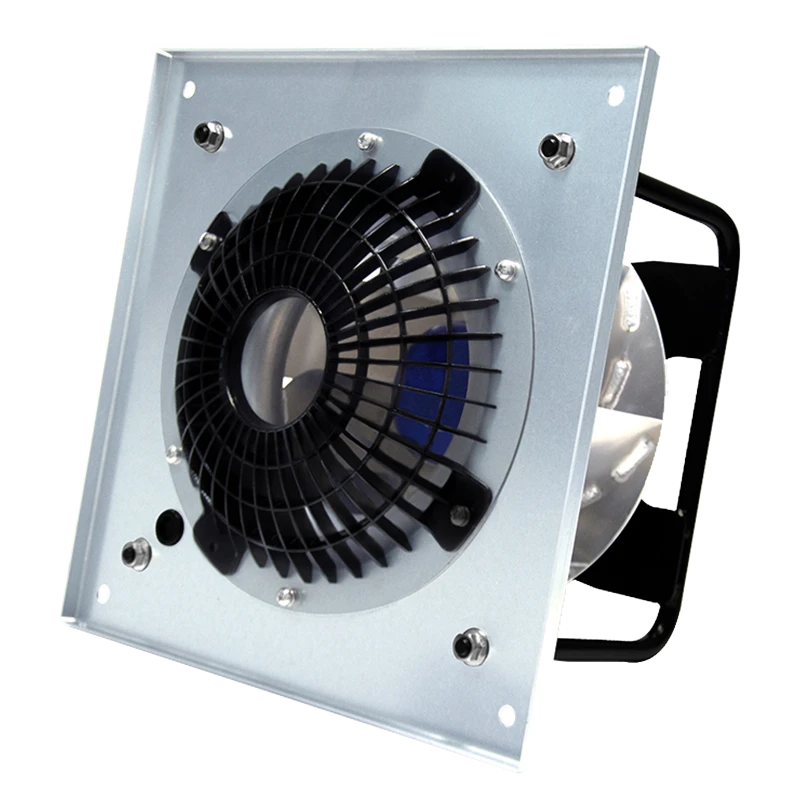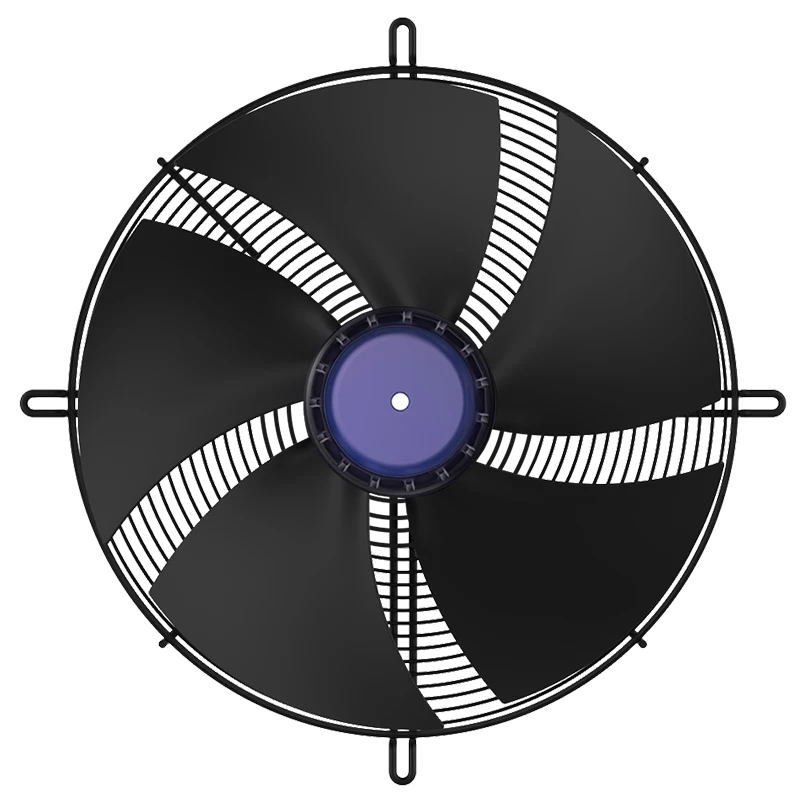
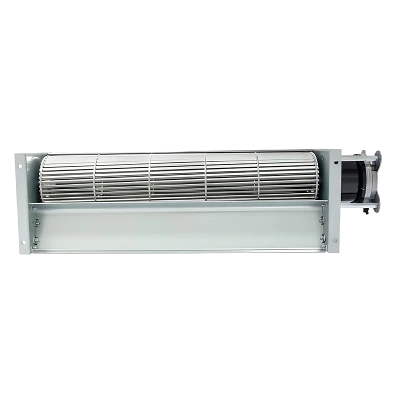
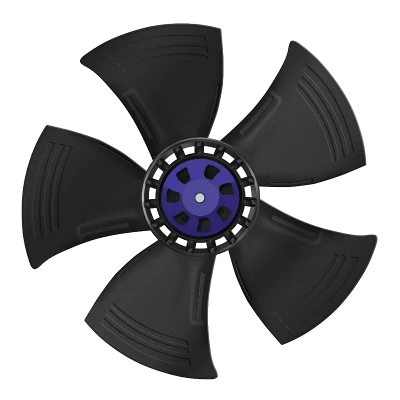
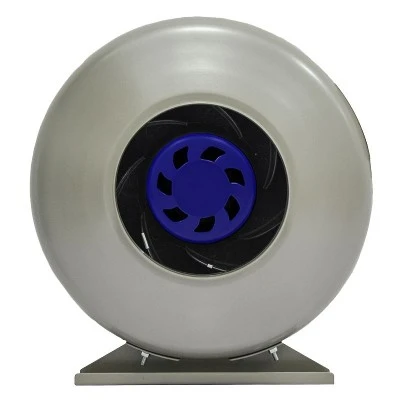
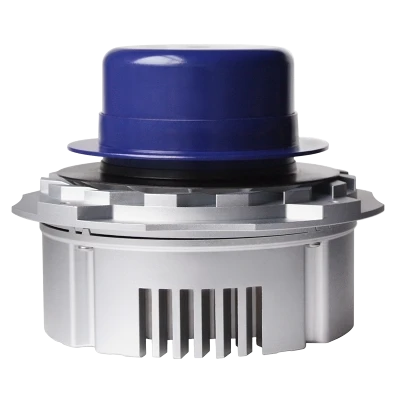

If you've ever shopped around for DC centrifugal blowers, you know how overwhelming sizing can feel. One day you're sizing for a small bathroom exhaust and the next for an industrial greenhouse ventilation system-there's no one-size-fits-all. As a DC centrifugal blower fan supplier, I get tons of questions about common sizes, why they matter, and which ones make sense for different uses. Today I'm breaking down the most popular sizes, what they're used for, and how to pick the right one without wasting time or cash.
First off, let's clear up what "size" means here when we talk about centrifugal blowers. It's not just random numbers-most of the time it references the wheel diameter in millimeters (mm) or inches, but we also throw in motor voltage, wattage, and airflow numbers because size alone doesn't tell the whole story. A tiny blower that works for a desktop PC might die in a walk-in fridge, and vice versa.
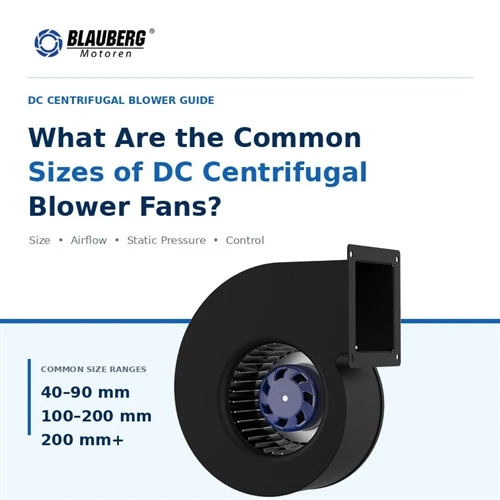
Let's start with the smallest common DC centrifugal blower sizes, usually under 100mm. These are the tiny workhorses for tight spaces. I see these used all the time in consumer electronics: gaming laptops, router cooling, small projector vents, and even mini air purifiers. The wheel diameter here ranges from 40mm up to 90mm, and most run on low DC voltages like 5V or 12V because they don't need a ton of power. I've got a lot of customers grabbing these for DIY projects too-like cooling custom 3D printer hotends or small soldering fume extractors. The airflow on these is pretty low, usually between 10 CFM (cubic feet per minute) and 100 CFM, so they're only good for small, enclosed spaces. They're compact, cheap, and easy to integrate into tight spots where a bigger blower won't fit.
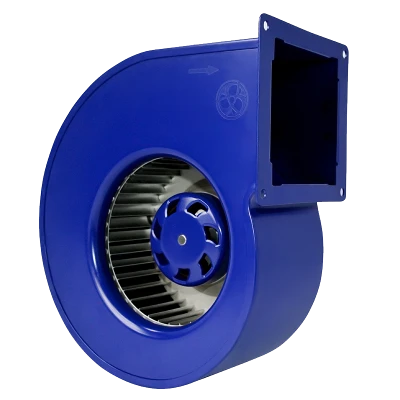
Next up, the mid-sized range-this is where most general-purpose DC centrifugal blowers live, usually between 100mm and 200mm wheel diameter. This is the sweet spot for a lot of applications, and I sell way more of these than any other size. Let's break that down. For small to medium HVAC systems, like residential bathroom exhaust fans or portable air conditioner units, you're looking at 120mm to 150mm blowers. Those push between 100 CFM and 300 CFM, which is perfect for moving air through small ducts or cooling server racks that aren't huge. If you're working with a slightly bigger space, like a small walk-in closet or a desktop fume extractor for a home workshop, a 160mm or 180mm blower will do the trick. They still run on 12V or 24V DC most of the time, which is easy to source and work with. A lot of our customers in the automotive space also use these for auxiliary cooling-like in electric vehicle charging stations or small van ventilation systems. One thing I will note about mid-sized blowers: their fan performance can vary a lot depending on the motor. If you need variable speed control, our [115v Motor Out Centrifugal Fan Motor 0-10v Motor Blower] is a solid pick for these sizes, since it gives precise airflow adjustment for different needs.

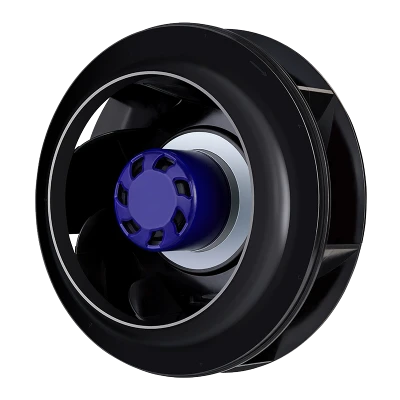
Now we get to the larger sizes, 200mm and above. These are the heavy hitters for industrial and commercial applications, moving way more air than their smaller cousins. Wheel diameters here go from 200mm all the way up to 500mm+, and airflow can hit 1,000 CFM or even more for the biggest models. Where do these get used? Think about rooftop HVAC units for office buildings, warehouse ventilation systems, greenhouse air circulation, commercial air scrubbers, and large server farm cooling. These don't run on low DC voltages usually-most are 230V, which is standard for commercial setups. For these big units, external rotor motors are super common because they provide more torque without adding extra weight to the fan wheel, which helps with efficiency. Our [230v Centrifugal Fans with External Rotor Motor 0-10v] line is made exactly for these large-scale applications, with durable motors that can run 24/7 without overheating. Another big use case for larger blowers: commercial dehumidifiers. A standard 200mm blower will push enough air to keep a 1,000-square-foot basement dry during humid months, while a 300mm blower works for bigger spaces.
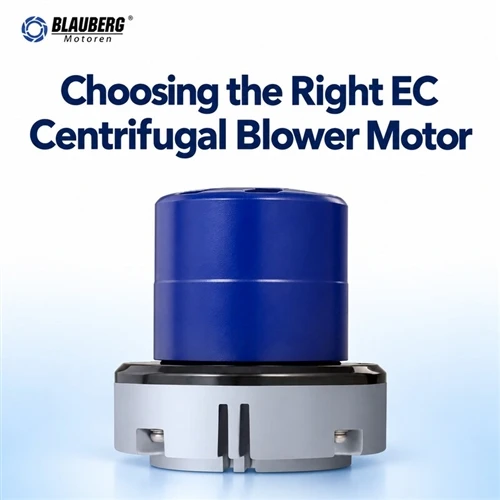
Wait, I should also mention that sometimes sizing is confused with other specs, like EC motor size, but that's a different piece. For example, our [Blauberg MEC3L-72-25P 72mm 230V 115W EC Motor] is a compact blower with an EC motor, which is great for when you need a little extra power in a small footprint. That's a great middle ground between the tiny consumer sizes and the big industrial ones, perfect for applications like compact HVAC units for tiny homes or mobile cooling systems for food trucks. And for 12V DC mid-sized blowers, our [12v 85W 5060hz Centrifugal Fan Motor Out Centrifugal Fan] is super popular with mobile and off-grid projects since it runs on standard 12V battery power.
Which EC centrifugal blower models should you review?

Blauberg DD-F133B-EC-N07 133mm DC Dual Inlet Centrifugal Blower
DD-F133B-EC-N07 133mm DC Dual Inlet Centrifugal Blower

Blauberg DD-F146B-EC-N07 146mm DC Dual Inlet Centrifugal Blower
DD-F146B-EC-N07 146mm DC Dual Inlet Centrifugal Blower

Blauberg DN-F120B-EC-00 120mm DC Dual Inlet Centrifugal Blower
DN-F120B-EC-00 120mm DC Dual Inlet Centrifugal Blower

Blauberg SN-F180A-EC-01 180mm DC Single Inlet Centrifugal Blower
SN-F180A-EC-01 180mm DC Single Inlet Centrifugal Blower

Blauberg SE-F180A-EC-01 180mm DC Single Inlet Centrifugal Blower
SE-F180A-EC-01 180mm DC Single Inlet Centrifugal Blower

Blauberg SD-F180A-EC-N07 180mm DC Single Inlet Centrifugal Blower
SD-F180A-EC-N07 180mm DC Single Inlet Centrifugal Blower

Blauberg SD-F180A-EC-01 180mm DC Single Inlet Centrifugal Blower
SD-F180A-EC-01 180mm DC Single Inlet Centrifugal Blower

Blauberg SN-F160C-EC-01 160mm DC Single Inlet Centrifugal Blower
SN-F160C-EC-01 160mm DC Single Inlet Centrifugal Blower
Explore the Blauberg centrifugal blower range. Confirm airflow at the required pressure, electrical supply and control compatibility for your project; inclusion here does not establish suitability for a specific medical installation.
A common question I get is: does size equal airflow? The short answer is mostly, but not always. Two blowers with the same wheel diameter can push different amounts of air depending on the design of the blower housing, the motor power, and whether it's a forward-curved or backward-inclined blade. Forward-curved blades (which are more common in smaller blowers) push more air at lower speeds, while backward-inclined blades are more efficient for high airflow and large systems. So when you're sizing, don't just look at the wheel diameter-check the CFM rating too, that's the real measure of how much air it moves.
Another thing to consider: static pressure. If you're pushing air through long ducts or filters, you need a blower with enough static pressure to overcome that resistance. Smaller blowers usually have low static pressure, so they work best for short, straight runs. Larger industrial blowers have higher static pressure, perfect for long ductwork or multiple vent points. I had a customer last month who bought a mid-sized blower for a small office HVAC, and it didn't work because he was running 20 feet of ductwork-he had to swap it for a larger one with higher static pressure. That's why it's important to not just size by space, but by the setup you're installing it in.
Let's also talk about why DC blowers are different from AC ones, since that's a big part of our product line. DC blowers run on direct current, which means they're more energy-efficient, have better variable speed control, and are quieter than comparable AC models. For residential uses, quiet operation is a huge selling point-no one wants a loud bathroom fan that sounds like a jet engine. Our DC centrifugal blowers are engineered to run smoothly, with low noise levels even at high speeds. That's why they're so popular for home use, office spaces, and even medical equipment like oxygen concentrators, which need quiet, reliable airflow.
When you're picking a common size for your project, here's a quick cheat sheet I give to all my customers:
- Under 100mm: Small electronics, PC cooling, small fume extractors, 10-100 CFM
- 100-200mm: Residential HVAC, portable AC, server racks, automotive auxiliary cooling, 100-300 CFM
- 200mm+: Commercial/industrial HVAC, warehouse ventilation, greenhouse, 1,000+ CFM
But wait, there are exceptions. If you're working on a mobile project, like a food truck ventilation system, a mid-sized 180mm blower might be enough instead of a huge industrial one, especially if you're running on battery power. And if you need variable speed for a project that has changing airflow needs, our [230v Centrifugal Fans with External Rotor Motor Big Motor Ec Centrifugal Fan] has built-in controls that let you adjust speed with a 0-10V signal, which is perfect for HVAC systems that need to ramp up or down based on temperature.
I've also learned over the years that a lot of people get hung up on "standard" sizes, but the best size is always the one that fits your specific space and needs. I've had customers come in looking for a "standard" 150mm blower for a custom grow tent, and depending on the tent size (4x4 vs 10x10), they needed a different static pressure rating. Don't just go for the most common size-measure your duct size, calculate the required airflow, and check if you need variable speed or high static pressure.
Now, if you're working on a new project, upgrading an existing ventilation system, or just need to replace a blower, it's easy to get stuck on sizing. But the good news is that common DC centrifugal blower sizes cover almost every use case from tiny electronics to big commercial buildings. As a supplier, I'm here to help you pick the right one-whether you need a tiny 40mm blower for a medical device or a large 500mm blower for a warehouse.
If you're tired of guessing which size will work for your application, or if you have questions about motor types, voltage, or airflow specs, reach out. We have a wide range of common sizes and custom options to fit whatever you're working on, and our team can help you figure out exactly what you need to keep your project running smoothly. Don't waste time or money on the wrong blower-let's chat about your requirements, and find the perfect DC centrifugal blower fan for your needs.

References:
- Centrifugal Blower Sizing Guide, Air Movement and Control Association (AMCA) International
- DC Centrifugal Fan Efficiency Standards, Department of Energy (DOE)
- EC Motor Application Guidelines, European Committee for Electrotechnical Standardization (CENELEC)
Category of Blauberg Products
Built on German engineering principles, focusing on precision, reliability, and long-term performance. Through efficient and scalable manufacturing, we deliver high-quality ventilation solutions with optimized cost structure, ensuring strong value for global OEM and project-based customers.