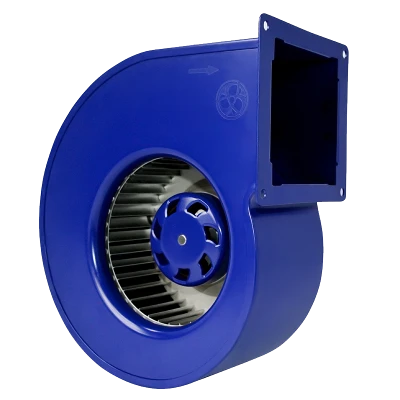
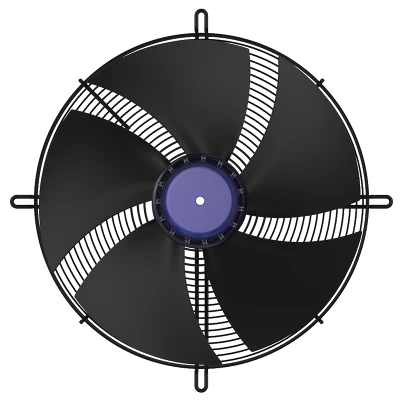
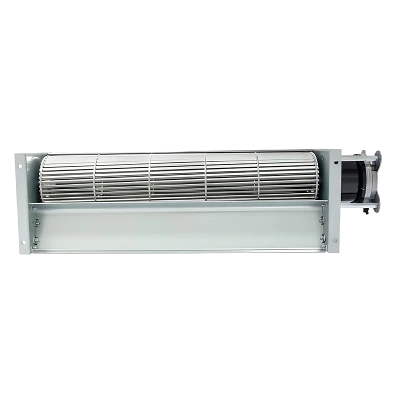

If you've ever hung around with HVAC technicians, industrial equipment operators, or people who work with ventilation systems, you've probably heard someone mumble "centrifugal fans" more than a few times. These bad boys are the unsung heroes of keeping buildings cool, warehouses properly ventilated, and manufacturing processes running smooth-but they're also major energy hogs. As a centrifugal fan supplier, I work with clients every week who are shocked to learn just how much they can save by ditching old, outdated fan tech for energy-efficient options. Let's break down the real, actionable energy-saving technologies for centrifugal fans that actually move the needle-no jargon overload, promise.

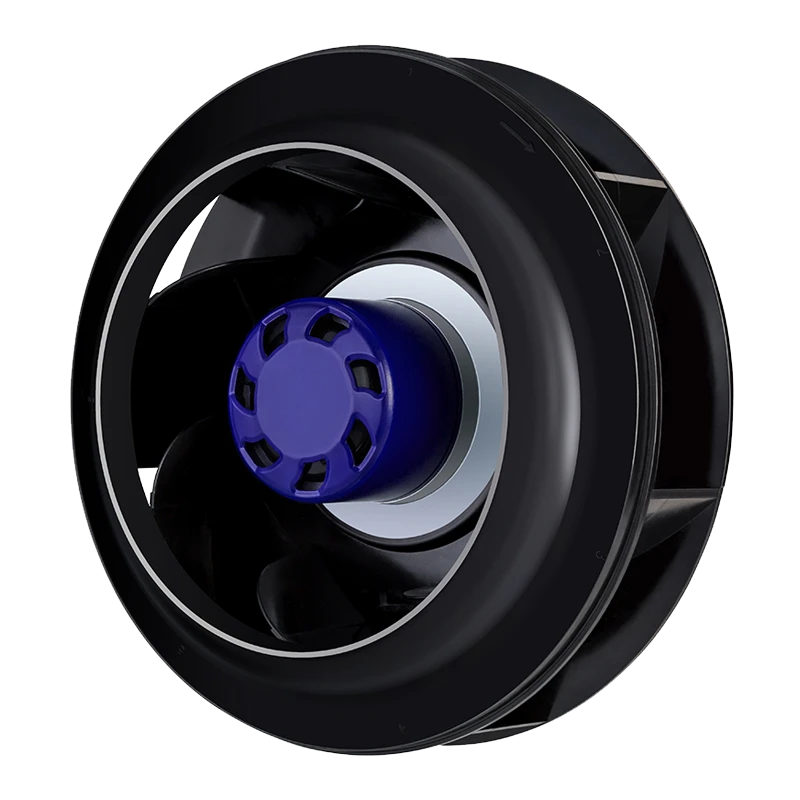
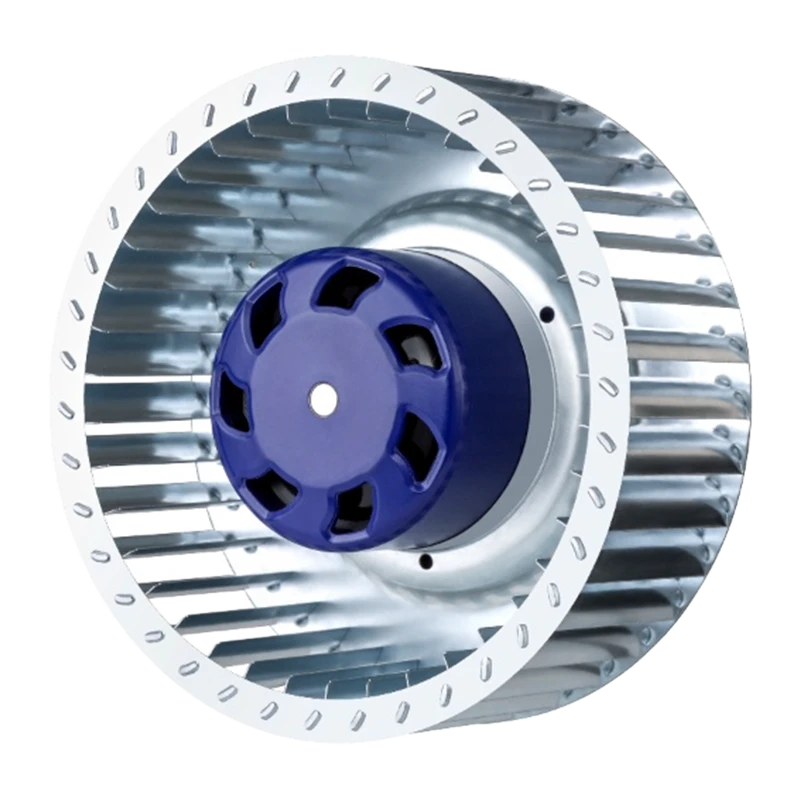
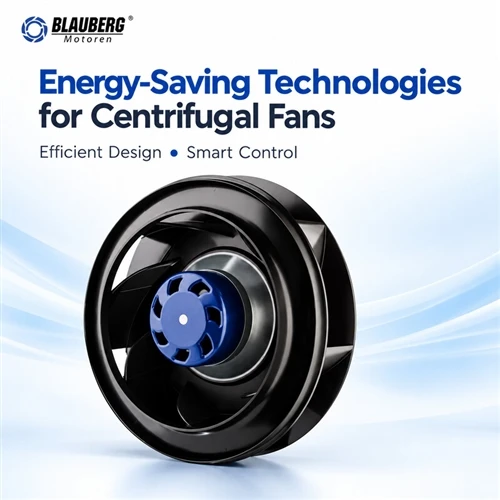
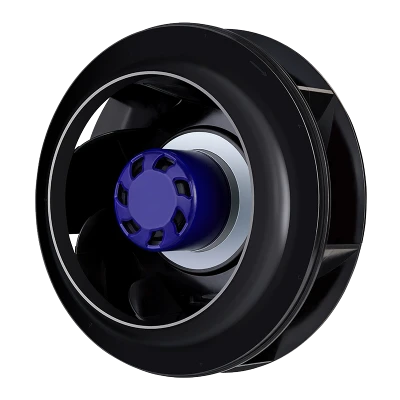
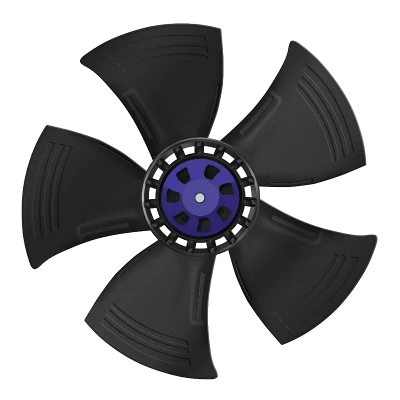
First off, let's get one thing straight: not all centrifugal fans are created equal. The blades are the foundation here, and backward-curved blades are a total game-changer compared to the old, traditional forward-curved ones. Forward-curved blades might seem like they move more air at first glance, but they waste tons of energy on extra turbulence and heat buildup in the motor. Backward-curved blades, on the other hand, are designed to curve away from the direction the fan spins, so they deliver airflow with way less friction and wasted energy. I see this all the time with clients who used to swap out forward-curved fans every couple of years because they were so inefficient-swapping to backward-curved blades cuts their energy use by 20-35% on average. A perfect example is our Blauberg BL-B175B-EC-01 175mm EC Backward Curved Centrifugal Fan, which is made for small to medium HVAC systems and crushes energy savings without skimping on airflow. It's been a go-to for office buildings and retail spaces that want to lower their utility bills without upgrading their entire ductwork setup.
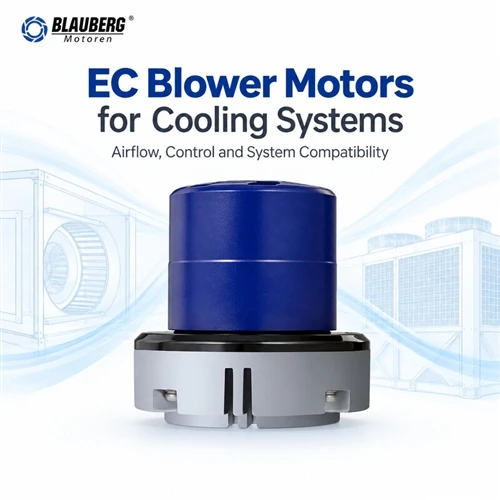
Next up, motor technology is where the real energy magic happens. Old centrifugal fans use standard induction motors, which are about as efficient as a flip phone in 2024-they work, but they waste tons of energy as heat. Today, two motor types lead the charge here: EC (Electronically Commutated) motors and DC (Direct Current) motors. EC motors are the rockstars here because they adjust their speed in real time based on the system's needs, not just running at full blast 24/7. For example, if an HVAC system only needs 50% airflow overnight, an EC motor will slow down automatically, cutting energy use by half (or more) instead of dragging that full-speed load. DC motors are similar but often used in smaller, more compact setups, like the 190mm DC Centrifugal Plug Fan Backward Curved for Extruders for Hvac-great for industrial extruders and tight HVAC spaces where size matters. I've had a food processing client who swapped their old DC fan for this exact model and cut their ventilation energy bill by 40% in the first quarter alone.
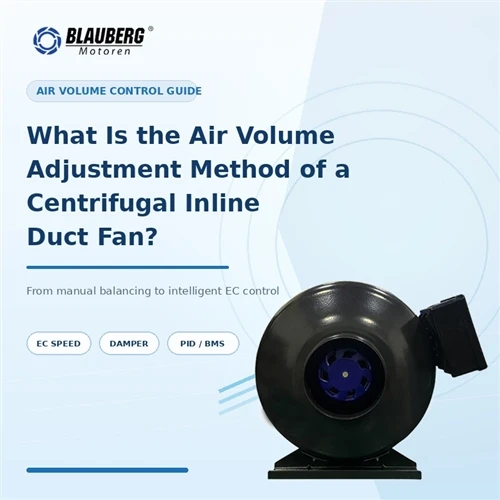
Wait, but what if your fan is part of a system that needs even more precise control? That's where variable speed drives (VSDs) come in, and they're not just for big industrial fans-they work with the backward-curved blades and EC/DC motors we talked about to make the whole system super efficient. VSDs let you adjust the fan's speed to match exactly how much air you need, instead of using dampers or vanes to restrict airflow (which wastes tons of energy fighting that restriction). Like, if you have a warehouse where airflow is different in summer vs. winter, a VSD will tweak the fan speed on the fly, no manual adjustments needed. I've helped a logistics center install VSDs with their 280mm models, specifically our Blauberg BE-B280D-EC-01 280mm DC Backward Centrifugal Fan, and they reported a 30% drop in fan-related energy costs within six months. The key here is pairing VSDs with the right fan blades and motor-you can't just stick a VSD on an old, inefficient fan and call it a day; the whole system needs to work together.

Which centrifugal fan models should you review?

Blauberg BE-B400H-EC-05 400mm DC Backward Centrifugal Fan
View product details and specifications.
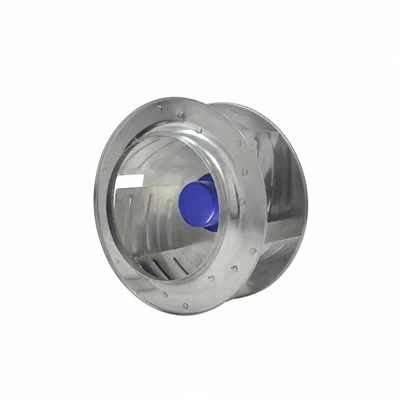
Blauberg BE-B400D-EC-05 400mm DC Backward Centrifugal Fan
View product details and specifications.
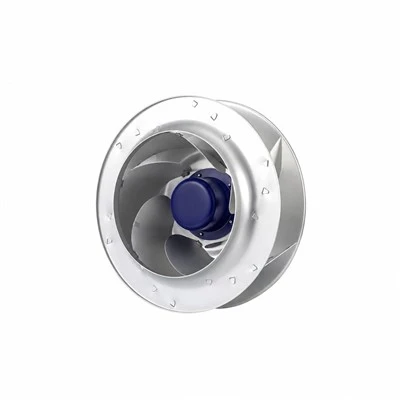
Blauberg BE-B355C-EC-05 355mm DC Backward Centrifugal Fan
View product details and specifications.
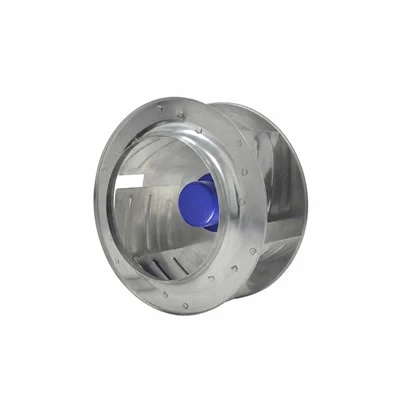
Blauberg BN-B310C-EC-01 310mm DC Backward Centrifugal Fan
View product details and specifications.
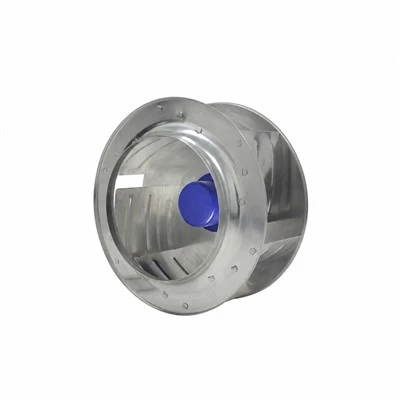
Blauberg BE-B310D-EC-N07 310mm DC Backward Centrifugal Fan
View product details and specifications.
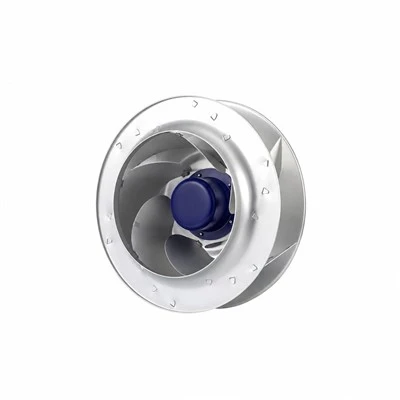
Blauberg BE-B310D-EC-05 310mm DC Backward Centrifugal Fan
View product details and specifications.
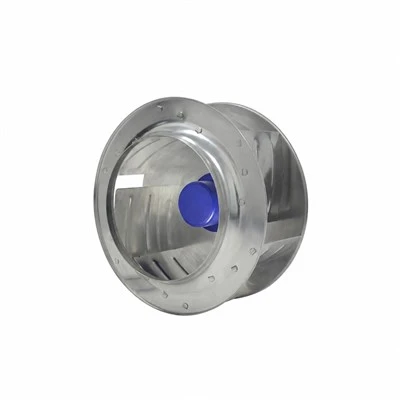
Blauberg BE-B310C-EC-01 310mm DC Backward Centrifugal Fan
View product details and specifications.
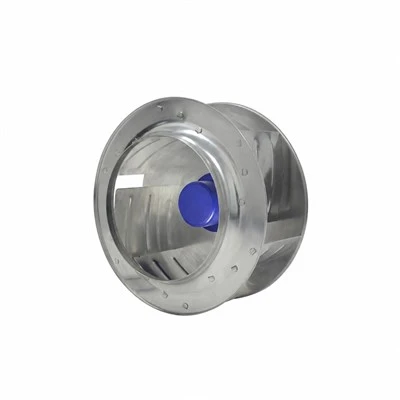
Blauberg BD-B310D-EC-N07 310mm DC Backward Centrifugal Fan
View product details and specifications.
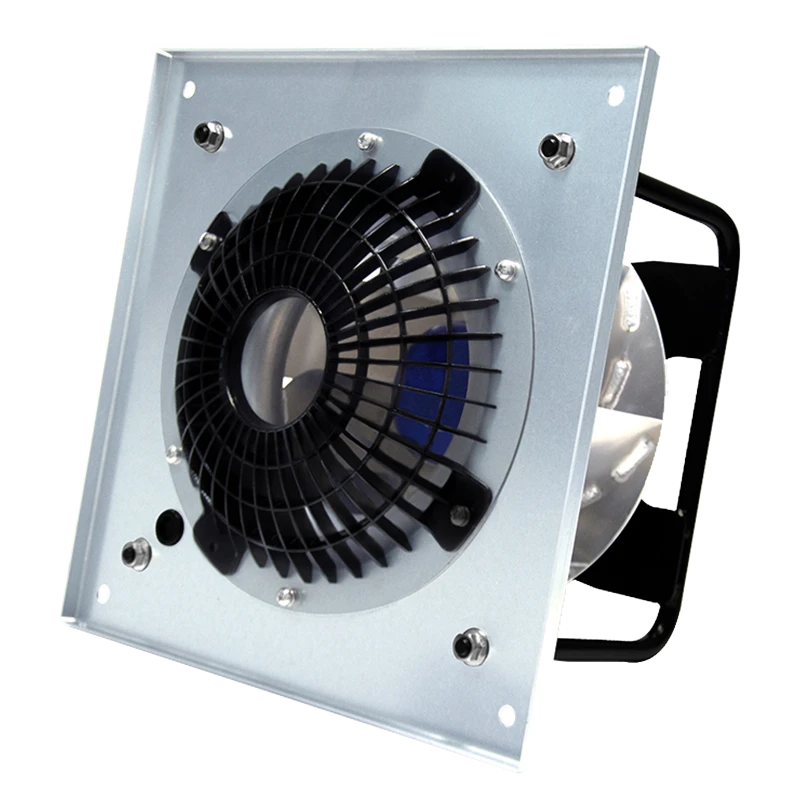
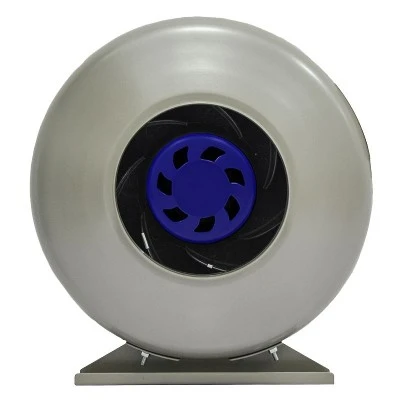
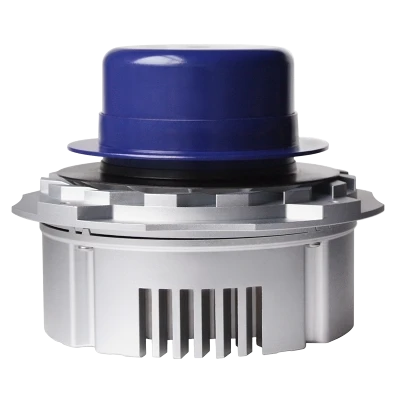
Plug fans are another underrated tech that's big on energy savings, especially for industrial and commercial applications. A plug fan is basically a centrifugal fan that's "plugged" into the duct or unit it's serving, so it doesn't need extra housing or bulky mounting parts. That design cuts down on air leakage (a huge energy waste point-leaky ducts can lose 20-30% of airflow before it even gets where it needs to go) and reduces the fan's overall load. Our line of DC plug fans, like the Blauberg GN-B310C-EC-01 310mm DC Plug Fan and Blauberg GL-B310D-EC-07 310mm EC Plug Fan, are built with that compact, leak-free design and efficient backward-curved blades. A client in the textile industry had a bunch of old, leaky plug fans in their drying process-swapping them for these EC plug fans cut their drying energy use by 25% because less air was escaping, so the fans didn't have to work as hard to keep the process running.
Now, before you go running to swap all your fans, there are a few common mistakes people make that kill energy savings. First, buying a fan that's too big for your space. I see this all the time-clients pick a fan that can move way more air than they actually need, just to "be safe." But oversized fans waste energy because they're constantly throttling down, which is less efficient than matching the fan size to the exact airflow requirement. Second, skipping regular maintenance. Even the best energy-efficient fan will lose efficiency over time if you don't clean the blades, check for air leaks, or calibrate the motor. A client who ignored their fan maintenance found that their EC fan's efficiency dropped by 15% in a year because of dusty blades-simple cleaning fixed that, no new parts needed.
Another point: system integration. It's not just the fan itself-it's how it works with the rest of your setup. If your fans are paired with smart thermostats, occupancy sensors, or building management systems (BMS), they can adjust their speed in real time based on actual needs. For example, an office building with occupancy sensors can tell the fans to slow down in empty rooms, cutting energy use when no one's there. I worked with a university that installed our EC plug fans paired with a BMS, and they saved over $12,000 a year on energy costs just by aligning fan operation with building occupancy.
As a centrifugal fan supplier, I don't just sell fans-I help clients figure out which tech works for their specific needs. Whether you're a small business with a retail HVAC system, a warehouse operator needing ventilation, or an industrial client dealing with manufacturing processes, there's an energy-efficient centrifugal fan setup that will cut your energy use without sacrificing performance. If you're tired of watching your utility bills climb because of outdated, inefficient fans, let's talk. We can walk through your specific setup, look at your airflow needs, and find the right solution that saves you money long-term.
References
- American Society of Heating, Refrigerating and Air-Conditioning Engineers (ASHRAE). (2022). Energy Efficiency Guideline for HVAC Systems. ASHRAE Press.
- U.S. Department of Energy. (2023). Centrifugal Fan Energy Savings: Technologies and Best Practices. DOE Office of Energy Efficiency and Renewable Energy.
- Blauberg Ventilation Technical Documentation. (2024). Backward Curved and Plug Centrifugal Fan Performance Specifications. Blauberg International.
- Energetics Incorporated. (2022). Variable Speed Drives for Industrial Fans: Energy Savings Potential. Energetics Technical Report.
Category of Blauberg Products
Built on German engineering principles, focusing on precision, reliability, and long-term performance. Through efficient and scalable manufacturing, we deliver high-quality ventilation solutions with optimized cost structure, ensuring strong value for global OEM and project-based customers.