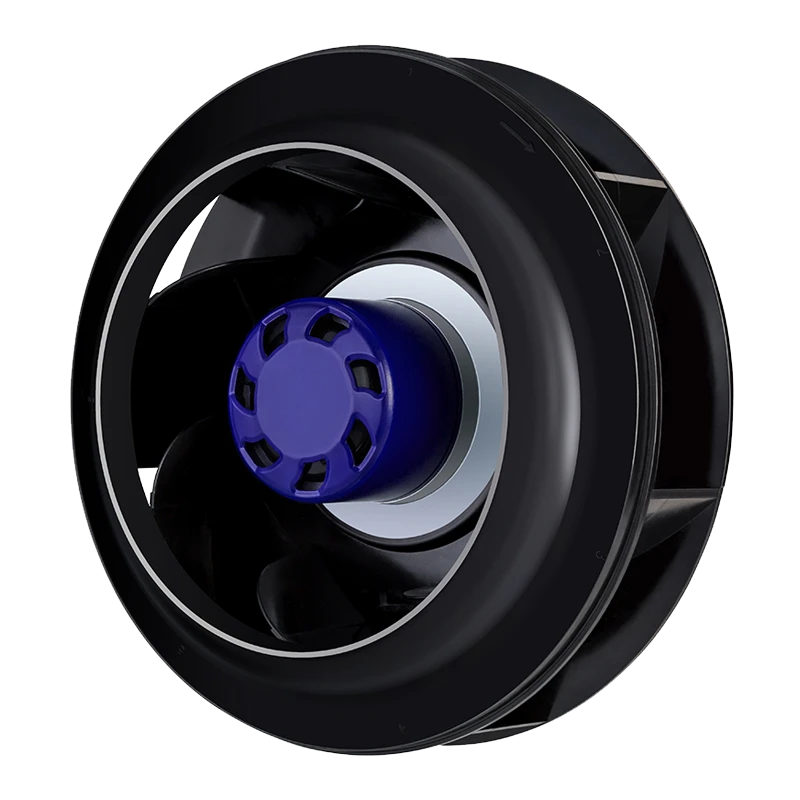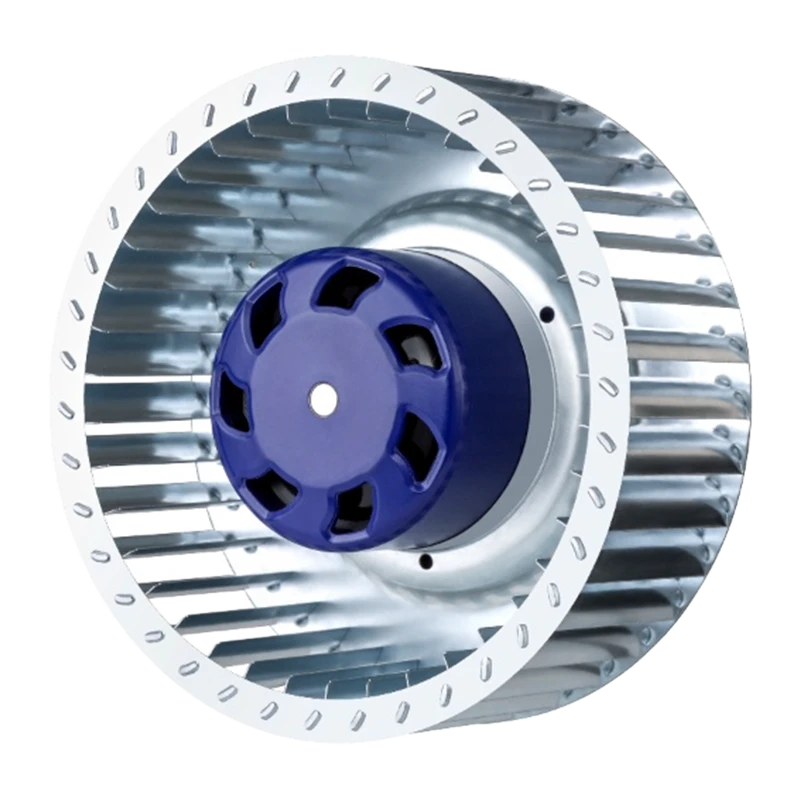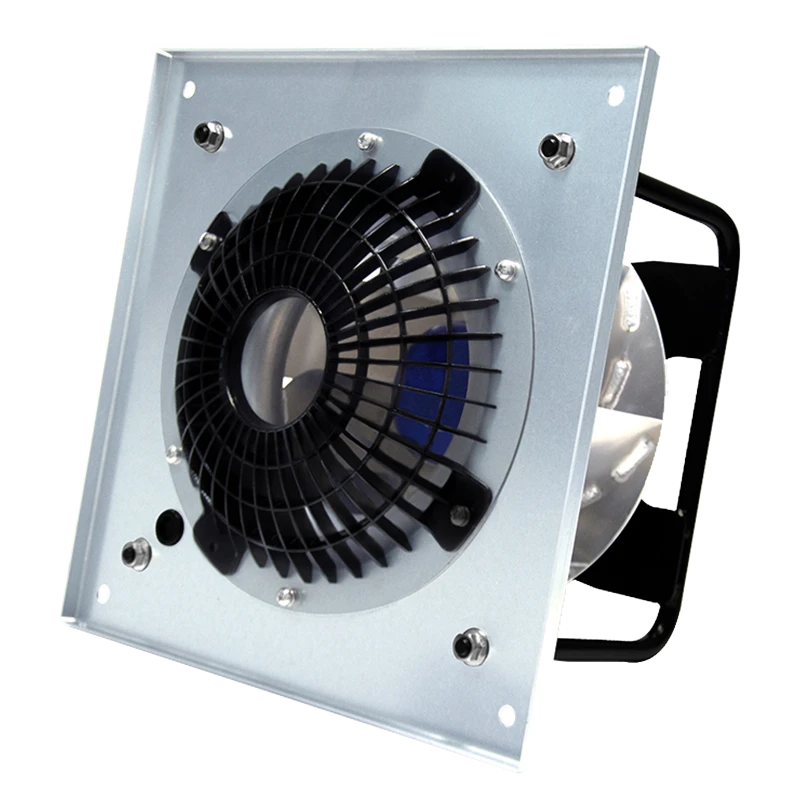
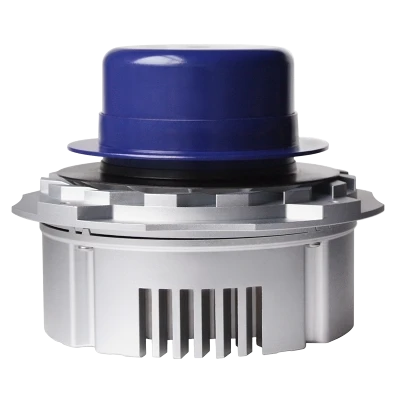

If you're here, chances are you've got a centrifugal inline duct fan and noticed it's blowing too hard (or not hard enough) - or maybe you're in the market for one and want to know how you'll tweak airflow once it's installed. As a supplier of these fans, I get asked about air volume adjustment all the time: it's one of those practical, make-or-break details that can turn a "meh" ventilation setup into something that actually works for your space. Let's break this down in plain, no-jargon terms, covering the most common methods, when to use them, and why some work better than others for different scenarios.
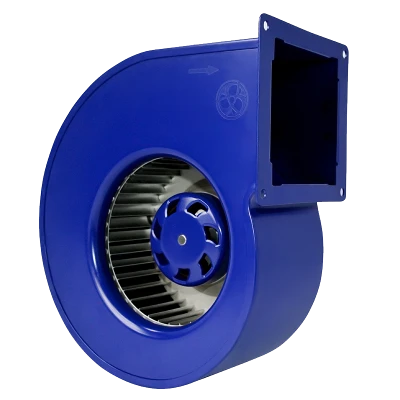
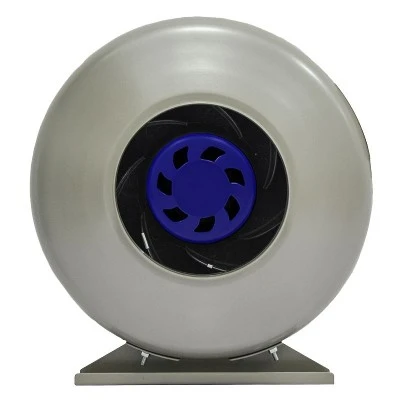
First, let's set the scene: centrifugal inline duct fans pull air in parallel to the shaft and push it out perpendicular, which is why they're great for moving air through tight duct runs, noisy spaces, or areas where you need consistent pressure. Their design makes them a step up from axial fans for longer ducts or higher static pressure, but that same design means adjusting air volume isn't just flipping a switch - there are specific ways to do it without wasting energy or damaging the motor.
Let's start with the most straightforward method: external duct dampers. These are simple, usually manual valves you install in the ductwork right before or after the fan, and twisting them opens or closes the air path to restrict flow. I see this used a lot in residential setups, like when a homeowner wants less exhaust from a bathroom or more air to a specific room. The trick here is not to close it all the way - that puts too much backpressure on the fan, which can overheat the motor over time. It's a quick fix, but not the most precise, so if you need consistent, steady airflow, you'll want something more adjustable long-term. If you're pairing this with a fan for a specific ventilation need, like a Scandinavian rekuperator toilet setup, you might look for a compatible inline valve. For example, our Inline Fan Exhaust Air Valve for Scandinavian Rekuperator Toilet Positive Pressure Ventilation (here's that link: /inline-duct-fans/inline-fan-exhaust-air-valve-for-scandinavian.html) is designed to work seamlessly with our centrifugal inline fans, so you don't have to stress about mismatched parts. It's a simple add-on, perfect for users who want manual control without messing with the fan's insides.

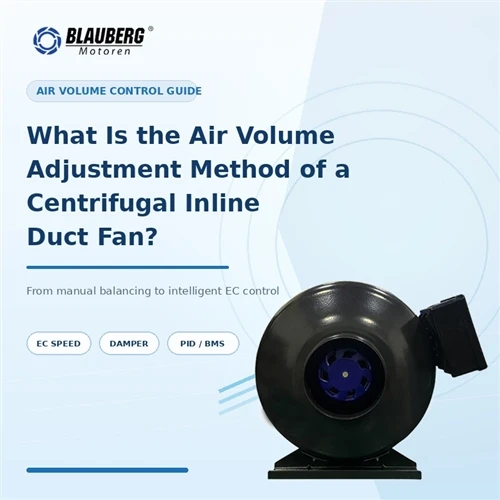
Next up: motor speed control. This is where the big adjustment happens, and it's the most energy-efficient method too. Most centrifugal inline duct fans these days use EC (electronically commutated) motors, which are way more efficient than old AC models and have built-in speed control options. You can get a variable speed controller, usually wired to the fan and mounted on a wall or near the unit, that lets you dial air volume up or down in small increments - like going from low for quiet overnight ventilation to high for a stuffy laundry room. I talk about EC motors a lot because they're the future, and our lineup reflects that. For example, our 100mm EC Strong Wind Duct Fan Energy Saving Quiet Duct Fan for Air Purifier (link here: /inline-duct-fans/100mm-ec-strong-wind-duct-fan-energy-saving.html) has a built-in speed adjuster, so you don't even need an extra controller - just twist a dial or use a remote, depending on the model. This is my go-to recommendation for most people because it lets you fine-tune airflow without risking backpressure, and it cuts down on electricity costs when you're running the fan at lower speeds. The catch? You have to make sure your speed controller is compatible with your fan's motor type. Mixing an EC fan with an old AC controller will lead to weird, inconsistent performance, so always check the specs before buying.
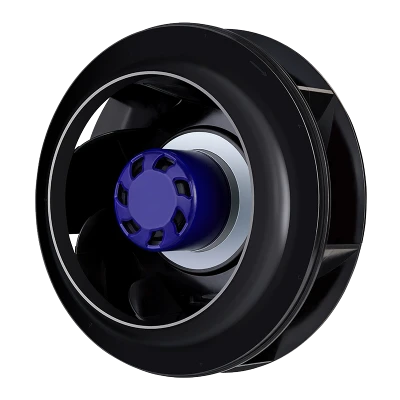
Then there's impeller trimming - wait, that sounds technical, but stick with me. The impeller is the spinning part inside the centrifugal fan that moves air, and trimming it (carefully) means cutting a small amount off the edges to reduce how much air it moves. This is a more advanced method, usually done by a professional installer or HVAC tech, because it requires precise measurements to avoid throwing the fan off balance. It's mostly used in commercial setups where a fan is oversized for the duct run - like if you bought a big centrifugal fan for a computer room and it's moving way more air than the space needs. For example, our 250mm 115V EC Duct Fan Strong Wind Duct Fan for Computer Room Cooling (check it out here: /inline-duct-fans/250mm-115v-ec-duct-fan-strong-wind-duct-fan.html) is popular for server rooms, but sometimes installers trim the impeller if the duct system is smaller than originally planned. The key here is that you only trim a small amount - more than a few millimeters and you risk damaging the fan or making it noisy. It's not something I recommend for DIYers, but it's a common trick in the pros' toolbox for getting exact airflow in custom setups.
Another method is adjusting the inlet or outlet components. Wait, centrifugal fans have an inlet (where air comes in) and an outlet (where it goes out), and modifying either can change airflow. For the inlet, some fans have a dampener or adjustable collar that lets you open or close the air entry point, similar to a duct damper but at the fan itself. The outlet is trickier - changing the duct size or adding a bend can affect how much air the fan pushes, but that's more about system design than adjusting the fan itself. If you're building a custom setup with our 160mm EC in Line Duct Fan Centrifugal Fan for Evaporative Air Cooler (link here: /inline-duct-fans/160mm-ec-in-line-duct-fan-centrifugal-fan-for.html), for example, the inlet adjustment is a quick way to tweak airflow without extra parts, just make sure you don't restrict the inlet too much - that will cause the fan to work harder than it needs to, wasting energy.
Which inline duct fan models should you review?

125mm EC Ventilation in Line Duct Fan Exhaust Fan for FFU
EC inline duct fan. View product details and specifications.

125mm EC Exhaust Duct Blower Centrifugal Fan for Condense Units
EC inline duct fan. View product details and specifications.

125mm EC Energy Saving Quiet Duct Fan Exhaust Fan Duct for Cooling Area
EC inline duct fan. View product details and specifications.

250mm EC External Rotor Duct Fan Strong Wind Duct Fan for Cold Room
EC inline duct fan. View product details and specifications.

315mm EC Ventilation Duct Blower Fan Manufacturers for Machine Cooling
EC inline duct fan. View product details and specifications.

315mm EC Fan Manufacturers Ducted Exhaust Fan Garage Exhaust Fan for Air Purifier
EC inline duct fan. View product details and specifications.

100mm EC Exhaust Strong Wind Duct Fan for Heat Pumps
EC inline duct fan. View product details and specifications.

100mm EC Strong Wind Duct Fan Energy Saving Quiet Duct Fan for Air Purifier
EC inline duct fan. View product details and specifications.
Explore the Blauberg inline duct fan range. Confirm the operating temperature range, moisture protection and airflow at the required pressure for your installation.
Now, let's talk about industrial applications, because centrifugal inline duct fans aren't just for bathrooms and bedrooms. If you're running a warehouse, manufacturing space, or large ventilation system, you'll need more robust adjustment methods. That's where our 100mm-315mm EC AC DC Inline Backward Centrifugal Fan Industrial Duct Centrifugal Fan (link: /inline-duct-fans/100mm-315mm-ec-ac-dc-inline-backward.html) comes in. These fans are built for heavy-duty use, and they often support advanced control methods like PID controllers or integration with building management systems (BMS). That means you can program them to adjust air volume automatically based on factors like temperature, CO2 levels, or humidity - super useful for industrial spaces where ventilation needs change throughout the day. For example, a factory might run at full blast during production hours and dial back at night, and these fans can do that without anyone having to manually adjust anything. It's more of an investment, but it pays off in long-term energy savings and consistent performance.
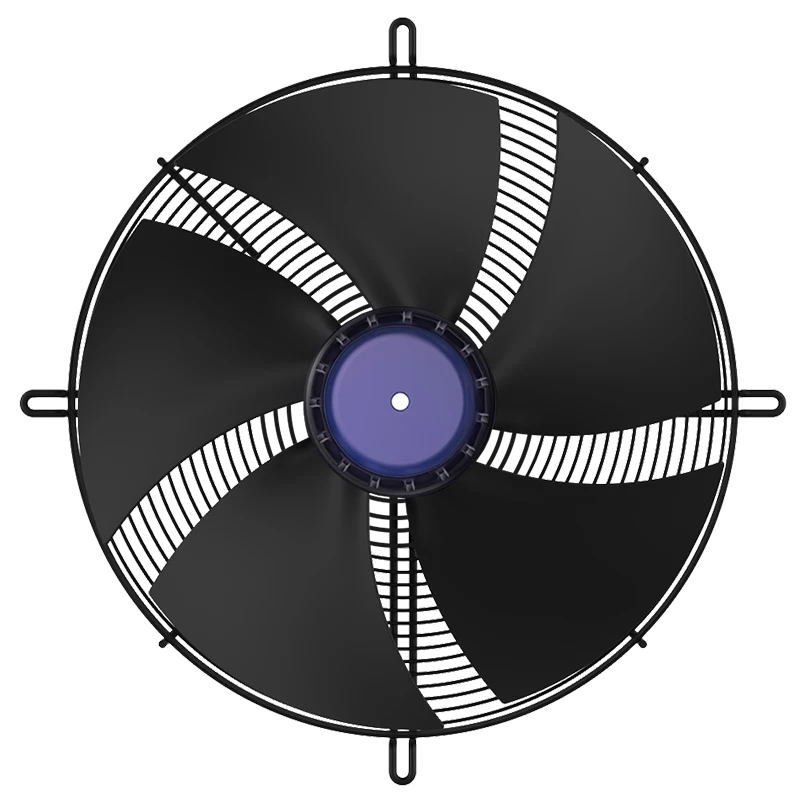
Wait, I should also mention the mistake people make all the time: trying to adjust a centrifugal fan the same way you would an axial fan. Axial fans (the kind you put in a window) have different design, and their adjustment methods (like blade pitch) don't work for centrifugal models. Centrifugal fans rely on static pressure to move air, so methods that mess with pressure will affect airflow more than you think. For example, if you try to bend the fan blades yourself - which some people do on cheap axial fans - you'll end up throwing the impeller off balance, making the fan noisy and even shortening its lifespan. Always stick to the methods we talked about: dampers, speed control, professional impeller trimming, or inlet adjustment.

Let's break down when to use which method to make this easier for you:
- If you need a quick, low-effort adjustment for a small residential or light commercial space: Go for a duct damper or our inline exhaust valve if it fits your setup. No tech needed, just twist and go.
- If you want precision and energy efficiency: EC motor speed control is the way to go. Most of our EC fans come with this built-in, so you don't have to hunt for extra parts.
- If you're in a commercial or industrial space with variable ventilation needs: Advanced control (like BMS integration for our larger industrial models) will save you time and money long-term.
- If you have an oversized fan for a small duct run: Professional impeller trimming is your best bet - just make sure you hire someone who knows what they're doing to avoid damage.
A quick note about maintenance too: Adjusting air volume isn't a set-it-and-forget-it thing. Over time, dust buildup on the impeller or ductwork can reduce airflow, so you should check your fan and dampers regularly. If you notice you're having to turn the speed up higher to get the same airflow, that's a sign it's time to clean the fan or ducts. Our EC fans are designed to handle a bit of dust, but regular upkeep will keep your adjustment methods working as they should.
At the end of the day, the best air volume adjustment method depends on your specific setup, space, and needs. If you're still not sure which one is right for you - or if you want to learn more about our centrifugal inline duct fans and compatible adjustment parts - don't hesitate to reach out for procurement and discussion. We've worked with everyone from homeowners to industrial facility managers, and we can help you pick the right fan and adjustment method that fits your exact needs.
References
- ASHRAE Handbook: HVAC Systems and Equipment, Chapter 21 – Fans and Air Distribution.
- Cengel, Y. A., & Cimbala, J. M. (2014). Fluid Mechanics: Fundamentals and Applications (3rd ed.). McGraw-Hill Education.
- Manufacturer's Technical Data for Centrifugal Inline Duct Fans and EC Motor Controllers.
- US Department of Energy: Energy Efficiency and Renewable Energy, "Fan Systems Best Practices Guide."
- Commercial Air Movement and Control Association (AMCA) Standard 99-2020: Laboratory Methods of Testing Fans for Certified Aerodynamic Performance.
Category of Blauberg Products
Built on German engineering principles, focusing on precision, reliability, and long-term performance. Through efficient and scalable manufacturing, we deliver high-quality ventilation solutions with optimized cost structure, ensuring strong value for global OEM and project-based customers.