
Hey there! As a supplier of EC centrifugal blower fans, I often get asked about the air pressure stability of these nifty devices. So, I thought I'd take a moment to break it down for you in a way that's easy to understand.
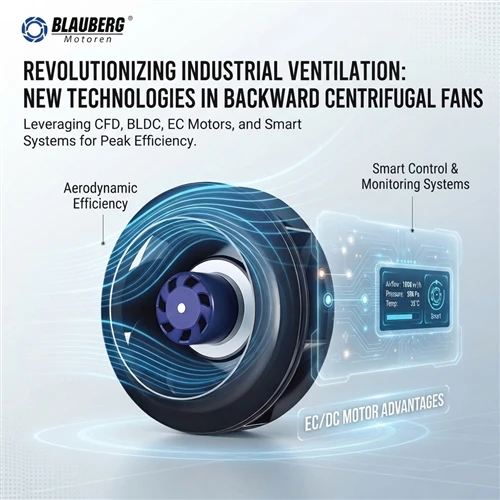
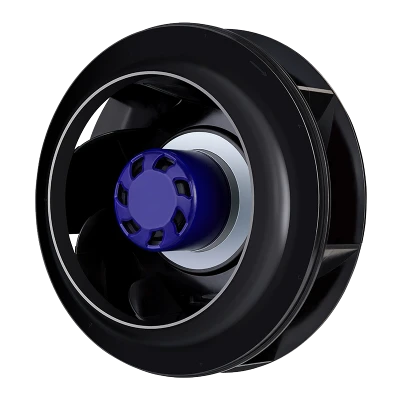
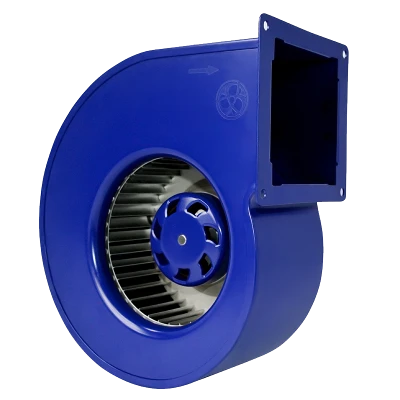
First off, let's talk about what an EC centrifugal blower fan is. EC stands for Electronically Commutated, which means these fans use a brushless DC motor that's controlled by an electronic circuit. This setup offers a bunch of advantages over traditional AC motors, like better energy efficiency, longer lifespan, and more precise control. Centrifugal fans, on the other hand, work by using an impeller to accelerate air radially outwards from the center of the fan. This motion creates a pressure difference that draws air in and pushes it out through the fan outlet.
Now, when we're talking about air pressure stability, we're essentially looking at how well the fan can maintain a consistent air pressure over time. This is super important in a lot of applications, especially those where a steady flow of air is needed to keep things running smoothly. For example, in HVAC (Heating, Ventilation, and Air Conditioning) systems, stable air pressure helps ensure that the right amount of conditioned air is delivered to different parts of a building. In industrial processes, it can be crucial for things like drying, cooling, or pneumatic conveying.
So, what affects the air pressure stability of an EC centrifugal blower fan? Well, there are a few key factors.
Design and Construction
The design of the fan itself plays a huge role. High - quality fans are engineered with precision to ensure that the impeller is balanced correctly. An unbalanced impeller can cause vibrations, which in turn can lead to fluctuations in air pressure. The shape and size of the impeller blades also matter. Blades that are designed to optimize airflow can help maintain a more stable pressure. Additionally, the housing of the fan needs to be well - sealed and properly shaped. A leaky housing can cause air to escape, reducing the overall pressure and making it less stable.
Motor Control
As I mentioned earlier, EC motors are controlled by an electronic circuit. This allows for very precise control of the motor speed. A stable motor speed is essential for maintaining a consistent air pressure. The control system can adjust the speed of the motor based on the demand for air. For example, if the system senses a drop in air pressure, it can increase the motor speed to bring the pressure back up. This kind of intelligent control is one of the reasons why EC centrifugal blower fans are so great at maintaining air pressure stability.
System Resistance
The resistance in the air duct system that the fan is connected to also affects air pressure stability. If the ductwork is too long, has too many bends, or is restricted in some way, it can increase the resistance. This means the fan has to work harder to push the air through, and it can cause fluctuations in pressure. It's important to design the duct system carefully to minimize resistance and ensure that the fan can operate efficiently.
External Conditions
External factors like temperature and humidity can also have an impact. For example, changes in temperature can affect the density of the air. Warmer air is less dense than cooler air, so the fan may need to work harder to maintain the same air pressure when the temperature rises. Humidity can also affect air density, and in some cases, it can cause moisture to build up in the fan or the ductwork, which can lead to blockages and changes in pressure.
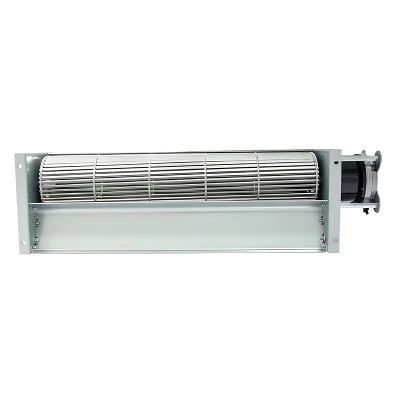
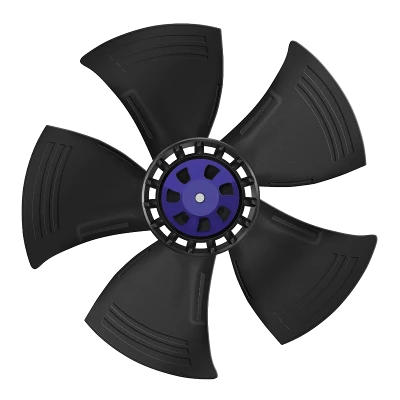
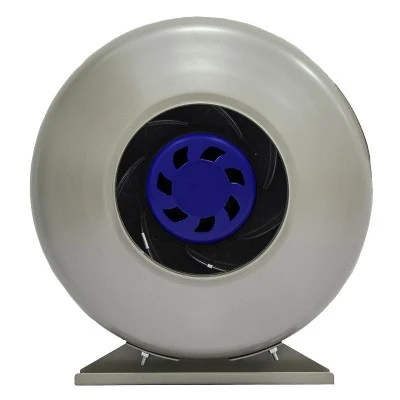
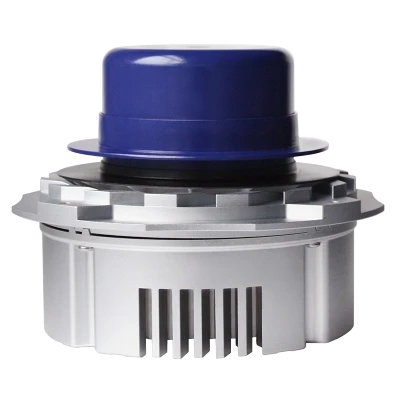
Now, let's talk about our product lineup. We offer a range of EC centrifugal blower fans to meet different needs. Check out these great products:
- 230v Centrifugal Fans with External Rotor Motor Big Motor Ec Centrifugal Fan
- 230v 170W Big Motor Ec Centrifugal Fan Motors Electrical
- 48V 85W 5060hz Motor Centrifugal Exhaust Fan Motor Blower Ec Fan Manufacturers
- 230v 115W Big Motor Ec Centrifugal Fan Brushless Motor
- 12v 85W 5060hz Centrifugal Fan Motor Out Centrifugal Fan
All of these fans are designed with air pressure stability in mind. We use high - quality materials and advanced manufacturing techniques to ensure that our fans are reliable and perform well. Our EC motors provide excellent speed control, and our impellers are carefully balanced to minimize vibrations.
If you're in the market for an EC centrifugal blower fan, you want to make sure you choose one that offers good air pressure stability. It can save you a lot of headaches in the long run, whether you're using it in a small HVAC system for a home or a large industrial process.
When you're considering a fan for your application, take the time to look at the specifications. Pay attention to things like the maximum static pressure, the airflow rate, and the motor speed control range. These can give you a good idea of how well the fan will hold up in terms of air pressure stability.


If you have any questions about which fan is right for you, or if you want to learn more about air pressure stability, don't hesitate to reach out. We're here to help you make the best choice for your needs. Whether you're a contractor looking for a reliable fan for a new installation or a facility manager in need of a replacement, we've got you covered.
We understand that every application is different, and we're committed to providing you with the best possible solution. Our team of experts can work with you to determine the most suitable fan based on your specific requirements, including the air pressure stability you need.
So, if you're interested in learning more about our EC centrifugal blower fans, feel free to get in touch with us. We'll be happy to discuss your project and help you find the perfect fan. Start the conversation today and see how our fans can improve the air pressure stability in your system.
References
- Incropera, F. P., & DeWitt, D. P. (2002). Fundamentals of Heat and Mass Transfer. John Wiley & Sons.
- Cengel, Y. A., & Boles, M. A. (2010). Thermodynamics: An Engineering Approach. McGraw - Hill.