
Hey there! As a supplier of centrifugal fans, I often get asked about the differences between centrifugal fans and axial fans. So, I thought I'd write a blog post to clear things up.
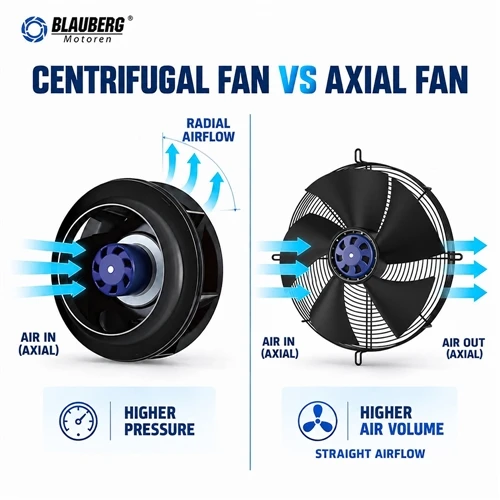
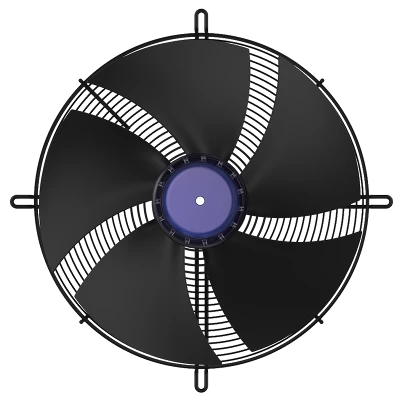
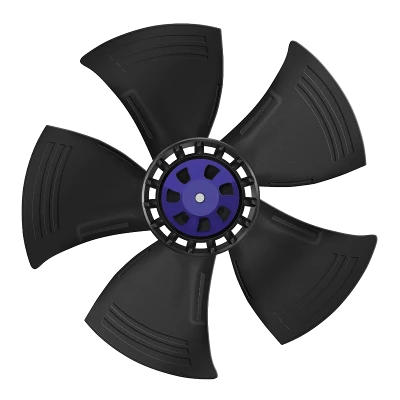
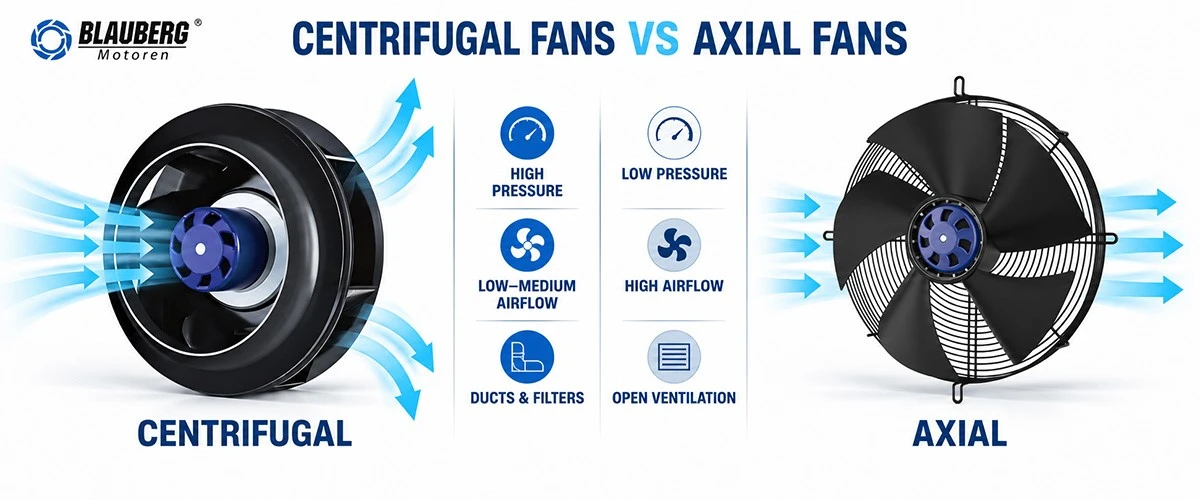
Let's start with the basics. Both centrifugal fans and axial fans are designed to move air, but they do it in different ways. Axial fans are the ones you're probably most familiar with. They look like the fans you see on your computer or in a window. The blades of an axial fan are arranged parallel to the axis of rotation, and they push air straight through the fan in a linear direction, kind of like a propeller on a plane.
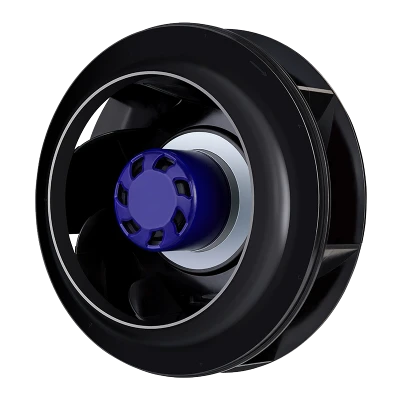
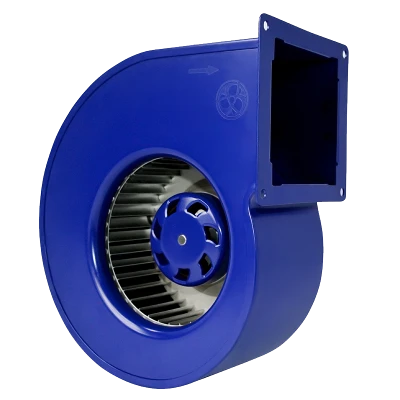
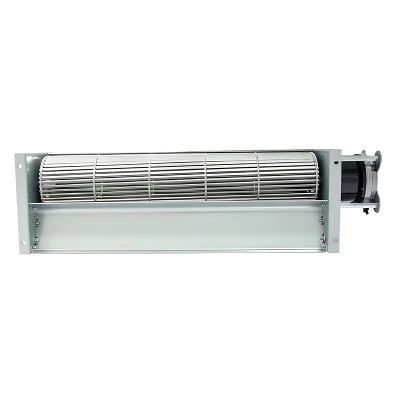
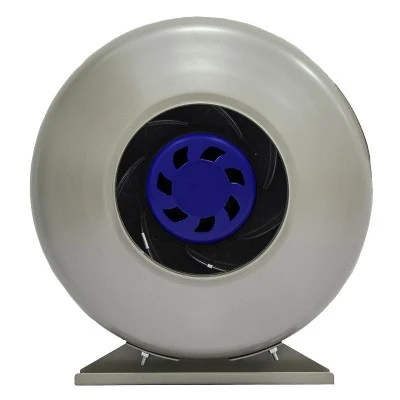
On the other hand, centrifugal fans work in a more roundabout way. The air enters the fan axially (from the side), then gets spun around by the impeller blades. As it spins, the air is thrown outwards radially by centrifugal force. It exits the fan at a 90 - degree angle to the direction it entered.
Performance Differences
One of the big differences between the two is in their performance. Axial fans are great at moving large volumes of air, but they don't generate much pressure. They're like a gentle breeze on a hot day. You can feel the air moving, but it doesn't have a lot of "oomph". That's why they're commonly used in applications where you just need to circulate air, like in a room or in a computer case to cool the components.
Centrifugal fans, however, are all about pressure. They can generate high pressures while moving a relatively smaller volume of air compared to axial fans. This makes them ideal for applications where the air has to move through a duct system or against some kind of resistance. For example, in HVAC systems (heating, ventilation, and air - conditioning), where the air has to travel through long pipes and filters, centrifugal fans can get the job done more effectively.
Noise Levels
Noise is another factor to consider. Axial fans tend to be noisier, especially at high speeds. The fast - moving blades cutting through the air create a lot of turbulence, which results in a loud, whirring sound. You know that annoying noise your old desktop computer used to make? That was probably the axial fan.
Centrifugal fans, in general, are quieter. The design of the impeller and the way the air flows through the fan reduces turbulence. So, if noise is a concern in your application, a centrifugal fan might be the way to go.
Space Requirements
When it comes to space, axial fans are more compact and take up less space in the direction of airflow. They're flat and can be easily mounted on a wall or a panel. This makes them a good choice for applications where space is limited in the axial direction.
Centrifugal fans, though, are bulkier. They need more space in the radial direction because of the way the air is thrown out. However, they can be a better fit for applications where the space is more available in the radial direction and you need that high - pressure performance.
Types of Centrifugal Fans
Now, as a centrifugal fan supplier, I'd like to introduce you to some of the centrifugal fans we offer.
First up is the 160mm External Rotor Motor Radial EC forward Curved Centrifugal Fan. This fan is designed with forward - curved blades. Forward - curved fans are known for their high airflow at low to medium pressures. They're often used in applications like air handling units and ventilation systems where you need a good amount of air movement without extremely high pressures.
Next is the 250mm EC Ip55 Low Noise Variable Centrifugal Fan 115v Backward for FFU. The backward - curved blades on this fan allow it to operate more efficiently, especially at high pressures. The IP55 rating means it's dust - tight and protected against water jets, making it suitable for harsh environments. And as the name suggests, it runs quietly and can be adjusted to different speeds.
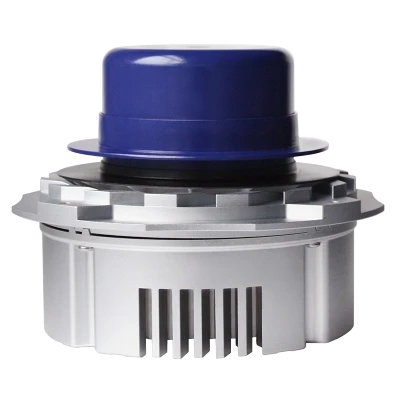
We also have the Blauberg GL - B220C - EC - M0 220mm EC Backward Curved Centrifugal Plug Fan. This is a top - notch fan with EC (electronically commutated) technology, which means it's more energy - efficient compared to traditional fans. The backward - curved design gives it good pressure and efficiency characteristics, and it's easy to install.
The 225mm EC Backward Housing Ball Bearings Fan for Ventilation is another great option. The ball bearings ensure smooth operation and a long lifespan. It's designed for ventilation applications where you need a reliable and efficient fan to move air in a pressurized system.
Finally, the 310mm EC Air Conditioner Blower Fan Airflow Exhaust Fan for Smoking Room is specifically tailored for specific applications. In a smoking room, it can effectively exhaust the stale air and smoke, thanks to its high - pressure performance.
Which One to Choose?
So, how do you know which type of fan to choose? Well, it depends on your application. If you need to move a large amount of air in an open space with little resistance, an axial fan would be a good choice. But if you're dealing with a closed - duct system, high - pressure requirements, or noise concerns, a centrifugal fan is likely the better option.
If you're still not sure which fan is right for you, don't hesitate to reach out. We have a team of experts who can help you select the best fan for your specific needs. Whether you're working on a small ventilation project or a large - scale HVAC installation, we've got the knowledge and the products to support you.
In conclusion, both axial and centrifugal fans have their own unique strengths and weaknesses. Understanding these differences is key to making the right choice for your air - moving needs. And if you think a centrifugal fan might be what you need, we're here to provide you with the best products and service. Let's have a chat about your requirements and see how we can help you out!
References
- Dayananda, S.R., Singh, A. Fan performance impact on airside systems: A review. SN Appl. Sci. 4, 119 (2022).
- Jørgensen, J. H. (2014). Axial and centrifugal fans in ventilation systems. In Building ventilation systems (pp. 45 - 68). Routledge.
- Cohen, A. G. (2013). The selection and application of fans. Industrial Ventilation: A Manual of Recommended Practice, 28.