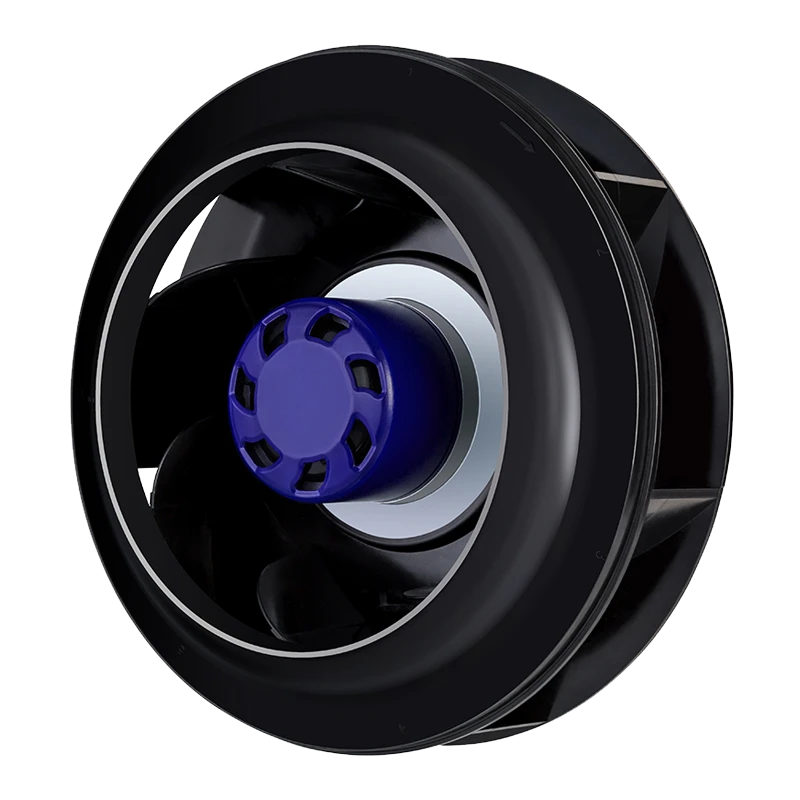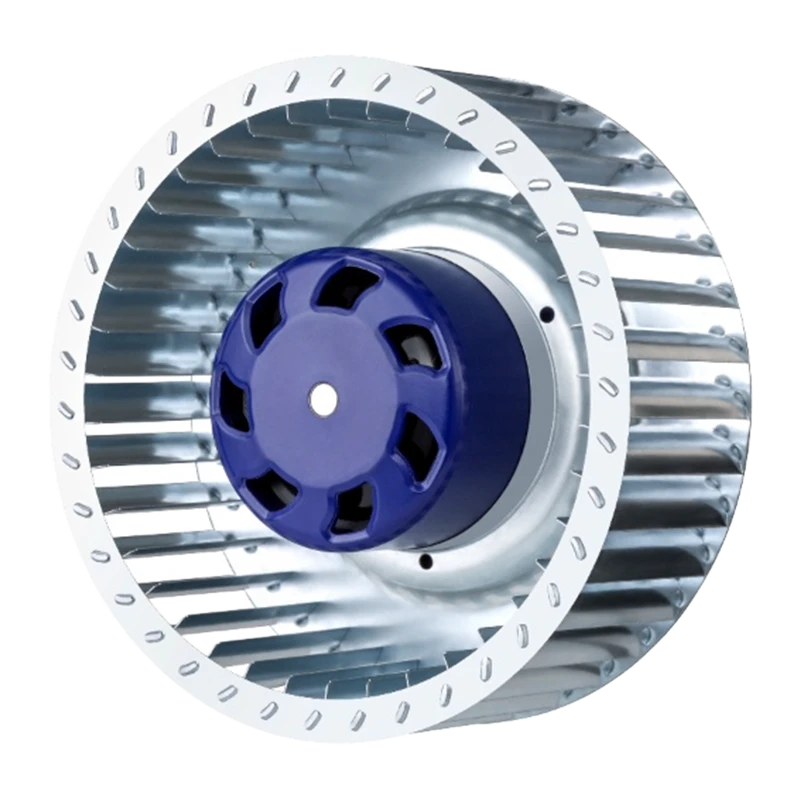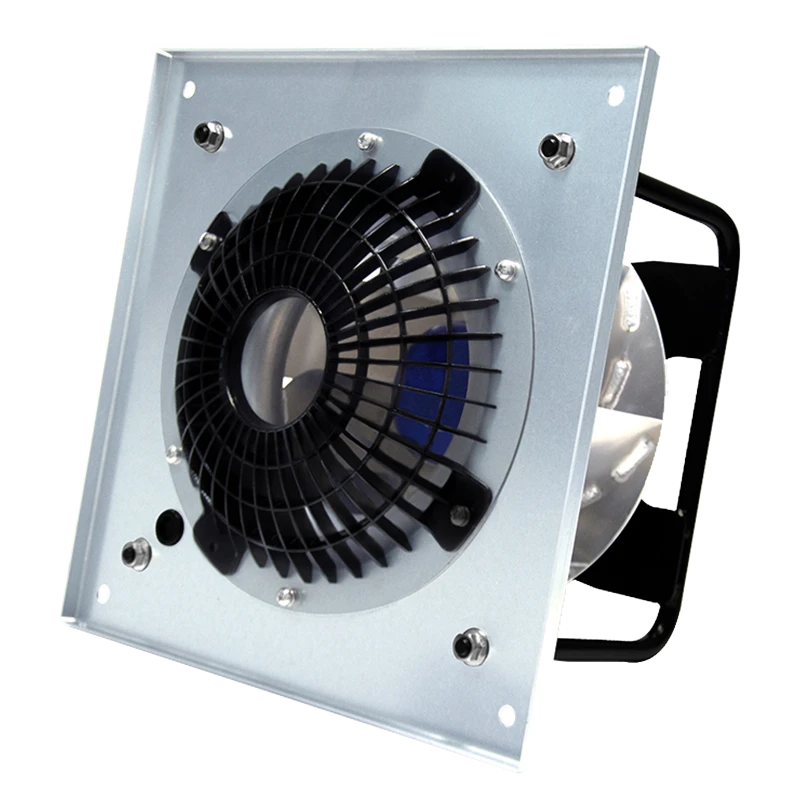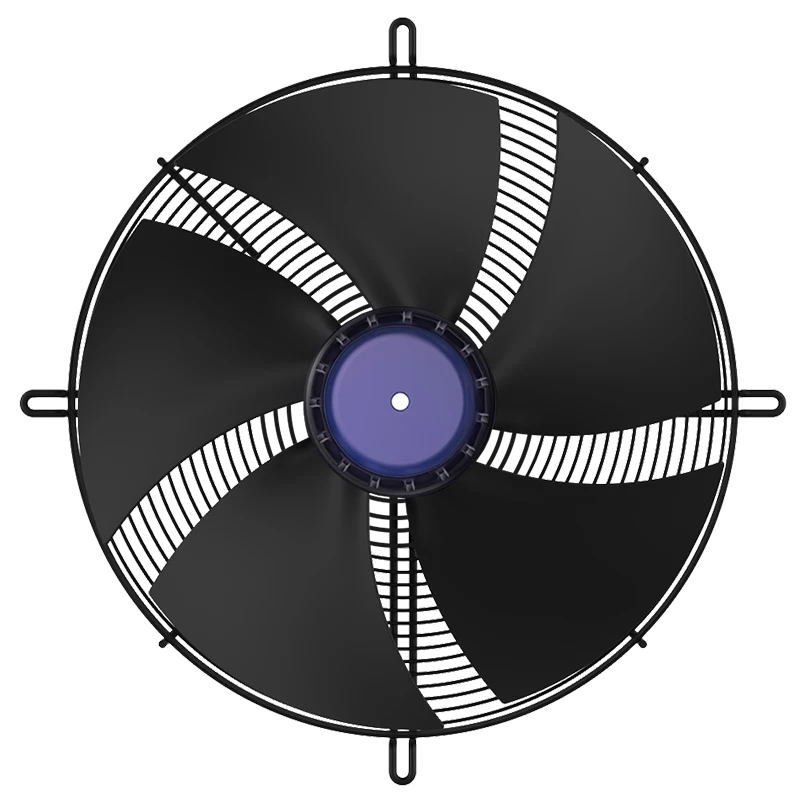

Hey there, fellow HVAC techs, facility managers, and anyone who's ever spent way too long troubleshooting a finicky EC centrifugal motor fan installation. I'm Jake, part of the team at AB Motors-we've been supplying EC centrifugal fans for years, and let's be real: nothing kills a project timeline faster than a wonky installation. EC fans are awesome because they're energy-efficient, super precise, and way quieter than their AC counterparts, but their biggest superpower only kicks in when you get the install right. Over the past few years, we've had guys hit us up with horror stories: fans vibrating themselves apart on day three, speed controls acting like they're possessed, or worst of all, a fan that just… refuses to turn on even when the power's flowing. Most of the time? It's not a broken fan-it's a botched installation step. So today, I'm breaking down exactly how we standardize EC centrifugal motor fan installations at our shop, so you can skip the headaches and get your fans running like they're supposed to.
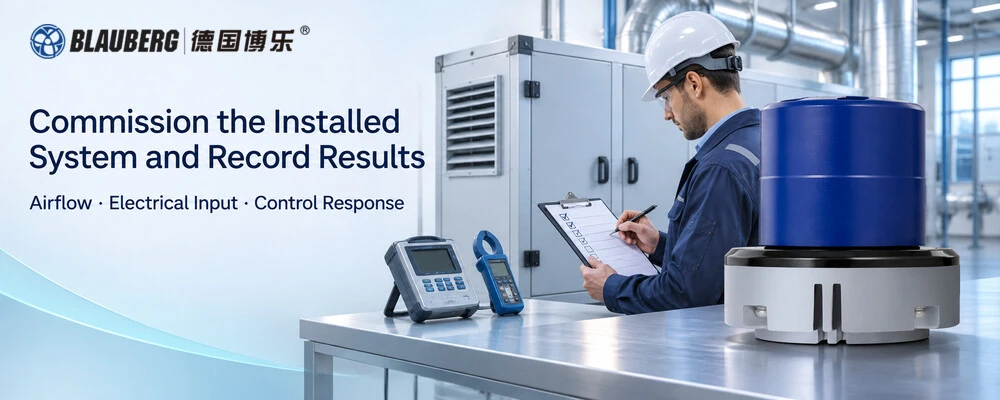
First up, let's get one thing straight: EC fans aren't your old-school AC shaded-pole motors. They have built-in electronics-little control boards that handle speed, feedback, and safety features-so you can't just wire 'em up like any fan you've worked with before. That's why we've developed a step-by-step process that we walk every customer through, whether they're a first-time installer or a seasoned pro. Let's start with the pre-install prep, because skipping this part is where most people mess up.
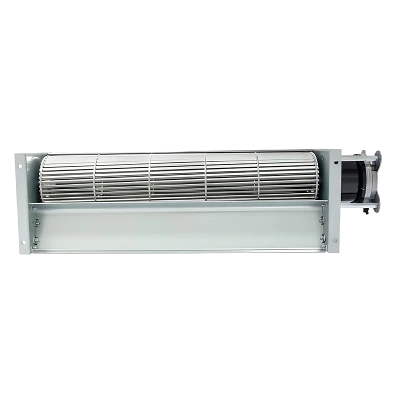
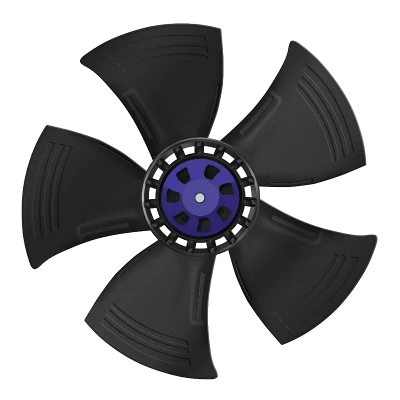
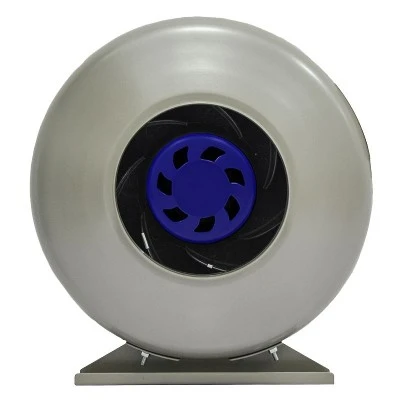
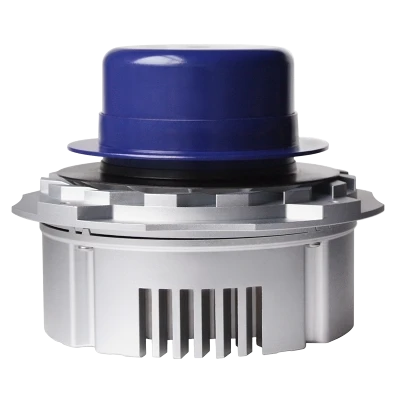
Before you even grab a screwdriver, you gotta do your homework on the fan itself. EC fans come in all voltages and wattages, and if you grab the wrong one for your space, you're already setting yourself up for failure. I've seen a guy drop a 12V fan into a 115V system and wonder why the fan didn't spin at all-duh. So first, confirm the fan specs match your application. For example, if you need a compact fan for a small bathroom or server closet, our 12v 85W 5060hz Centrifugal Fan Motor Out Centrifugal Fan is a solid pick-it's small, low-voltage, and perfect for tight spaces. If you're working on a bigger commercial HVAC unit that needs more oomph, our 230v 170W Big Motor Ec Centrifugal Fan Motors Electrical has the power you need. And for those who need ultra-precise speed control, our 115v Motor Out Centrifugal Fan Motor 0-10v Motor Blower works great-its 0-10V control interface lets you dial in exact speeds, which is perfect for variable-air-volume (VAV) systems.
Next, pre-install checks of the installation site. This isn't just "is there space?" EC fans are sensitive to their mounting environment. First, make sure the mounting surface is flat and rigid-no wobbly drywall or thin metal panels that can flex when the fan runs. Flexing surfaces cause vibration, and EC fans don't play well with vibration-it can damage the internal control board over time. We also recommend checking the ambient temperature of the space where the fan will live. If it's a hot attic or a dusty warehouse, you'll want to make sure the fan's rated for that. For example, our Blauberg MEC3L-72-25P 72mm 230V 115W EC Motor is designed for enclosed spaces, so it handles dust and moderate temps well, but our 48V exhaust fan is better for cooler, more open areas. Also, make sure there's enough clearance on the inlet and outlet sides-blocked airflow will make the fan work twice as hard, leading to premature failure. I can't tell you how many times I've seen a fan installed with ducting crammed right up to the inlet, and the customer wonders why their energy bills skyrocketed.

Okay, so pre-install checks are done-now we get to the actual installation steps. First step: mounting the fan. This seems basic, but there's a right way and a wrong way. For all our EC centrifugal fans, we use vibration-dampening gaskets when mounting. Even if the surface is flat, a little rubber gasket between the fan and the mounting bracket absorbs vibration, which keeps the fan quiet and extends its life. We always torque the mounting bolts to the spec in the manual-don't over-tighten, because that can crack the fan's housing, and don't under-tighten, because it will come loose. For duct-connected fans, make sure the ductwork is aligned properly-no forcing the fan into the duct, which can bend the fan blades or crack the housing. If you're using flexible duct, make sure it's not kinked, which restricts airflow.
Which centrifugal fan models should you review?

Blauberg BE-B400H-EC-05 400mm DC Backward Centrifugal Fan
View product details and specifications.
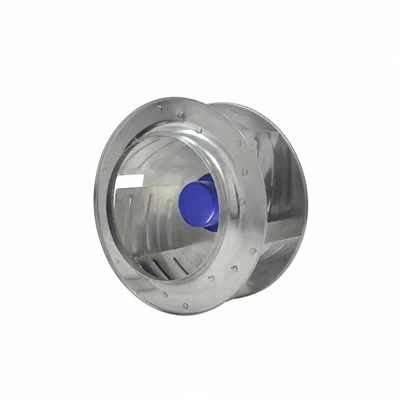
Blauberg BE-B400D-EC-05 400mm DC Backward Centrifugal Fan
View product details and specifications.
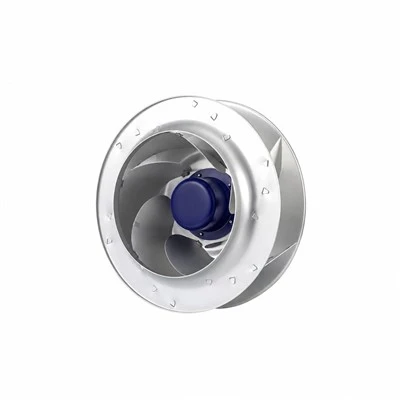
Blauberg BE-B355C-EC-05 355mm DC Backward Centrifugal Fan
View product details and specifications.
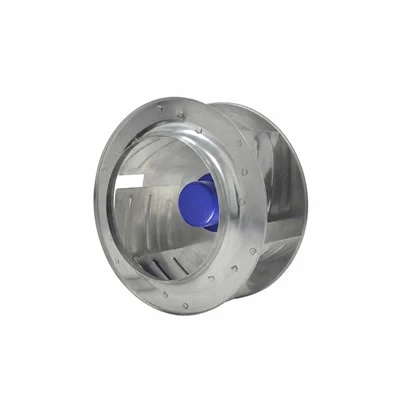
Blauberg BN-B310C-EC-01 310mm DC Backward Centrifugal Fan
View product details and specifications.
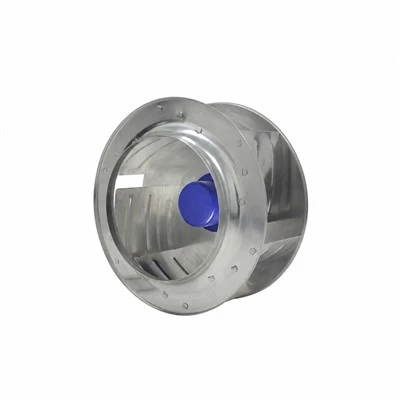
Blauberg BE-B310D-EC-N07 310mm DC Backward Centrifugal Fan
View product details and specifications.
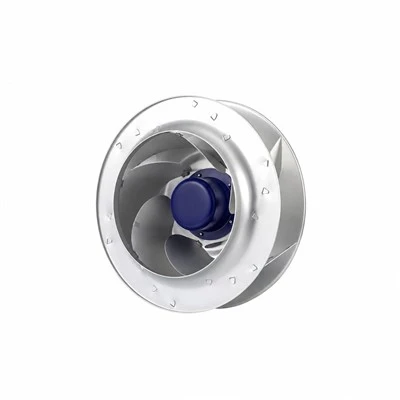
Blauberg BE-B310D-EC-05 310mm DC Backward Centrifugal Fan
View product details and specifications.
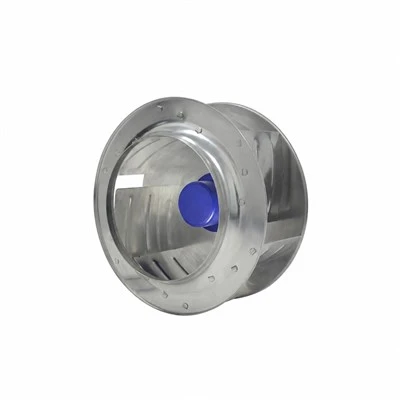
Blauberg BE-B310C-EC-01 310mm DC Backward Centrifugal Fan
View product details and specifications.
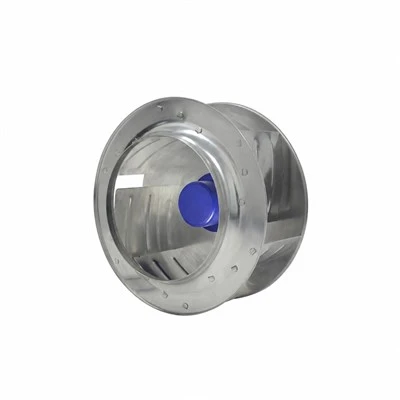
Blauberg BD-B310D-EC-N07 310mm DC Backward Centrifugal Fan
View product details and specifications.
Next up, wiring-this is the make-or-break step for EC fans, because if you wire it wrong, the fan either won't run, or it will run erratically. Let's keep this simple, no tech jargon overload. First, always turn off the power at the breaker or disconnect before you touch any wires-safety first, always. EC fans have three main wire sets: power wires, control wires, and ground. The power wires are for the main voltage-matches the fan's voltage rating, right? So if you have the 230V big fan, you'll use 230V power, not 115V. The control wires are for speed or functionality-this is where a lot of people mess up. For our 0-10V fan, the control wires are separate from the power wires, so you don't mix them. Ground is non-negotiable-always connect the ground wire, no exceptions. We also recommend using stranded wire for EC fan connections, because it's more flexible and holds up better to vibration than solid wire. And always label your wires as you go-you'll thank yourself when you're troubleshooting later at 2 a.m.
Once the fan is mounted and wired, the next step is the control setup. This is where EC fans really shine, but it's also where a lot of installers get stuck. Most EC fans can be set to different operating modes: constant speed, variable speed, or even automatic speed based on input from sensors. For example, if you're using our 0-10V fan, you'll need to connect it to a 0-10V controller or building automation system. The key here is calibrating the speed properly. If you set the control signal wrong, the fan will be too fast (loud, uses too much energy) or too slow (doesn't move enough air). We always recommend using a multimeter to check the control signal after wiring-set it to DC voltage, and make sure it's reading the correct 0-10V range when you adjust the controller. If the fan's supposed to run at 50% speed, the signal should be around 5V, easy peasy. Also, make sure any external controls (like thermostats or pressure sensors) are compatible with your EC fan-our team can help you confirm that before you buy, so you don't end up with a controller that doesn't play nice.
Now, pre-startup checks-another step that's skipped way too often. Before you flip the power on, do a quick walkthrough: check all wire connections to make sure they're tight, make sure there's nothing blocking the fan blades (a tool left inside the duct, a piece of insulation, that kind of thing), and double-check that all the mounting bolts are secure. Once you power on, don't just walk away-stand there and listen for a minute. The fan should spin smoothly, with a low hum, no loud rattling or grinding. If it's making noise, turn the power off immediately-chances are, it's either mounted wrong, or there's a wire touching the fan blade. Also, check the airflow-hold a piece of tissue paper up to the outlet, it should be pulled firmly against the duct. If it's barely moving, there's a restriction somewhere, and you'll need to track it down.
Finally, post-install testing and documentation. You don't want to leave the site and get a call an hour later that the fan's broken. We always run the fan at different speed settings to make sure everything works-test max speed, mid speed, low speed, whatever you'll be using in the real world. Also, take a picture of the wiring diagram inside the control box, and leave a copy for the building manager or next tech who works on the system. That way, if something goes wrong later, they don't have to guess how it was wired. And if you run into any issues, don't hesitate to reach out to our team-we've seen every install problem under the sun, and we can help you troubleshoot fast.
At the end of the day, standardizing EC centrifugal fan installations isn't rocket science-it's just about following a consistent process that accounts for the unique electronics and design of EC fans. No more guessing, no more last-minute fixes, no more customers frustrated with a fan that doesn't work like it should. Whether you're a small contractor doing a bathroom fan, a big commercial company outfitting an office building, or someone who just wants to get their EC fan running right, our team at AB Motors has the parts and the know-how to help. We carry a wide range of EC centrifugal fans for every application, from the compact 48V 85W 5060hz Motor Centrifugal Exhaust Fan Motor Blower Ec Fan Manufacturers to the heavy-duty commercial models. If you need help picking the right fan for your project, or if you have questions about installation, hit us up to connect and discuss your needs. We're here to make EC fan installs easy, not stressful.
References
- HVAC Efficiency Association. (2022). Installation Best Practices for EC Centrifugal Fans. Retrieved from HVACEA.org
- Blom, J. (2021). Troubleshooting Common EC Motor Fan Issues. Industrial Ventilation Magazine
- National Electrical Code (NEC). (2023). Article 430: Motors, Motor Circuits, and Controllers
Category of Blauberg Products
Built on German engineering principles, focusing on precision, reliability, and long-term performance. Through efficient and scalable manufacturing, we deliver high-quality ventilation solutions with optimized cost structure, ensuring strong value for global OEM and project-based customers.