
Hey there! As a motors supplier, I've seen firsthand how crucial it is to protect motors from short - circuits. Short - circuits can cause a whole bunch of problems, from minor glitches to complete motor failure. So, let's dive into the protection methods for a motor against short - circuits.
Fuses
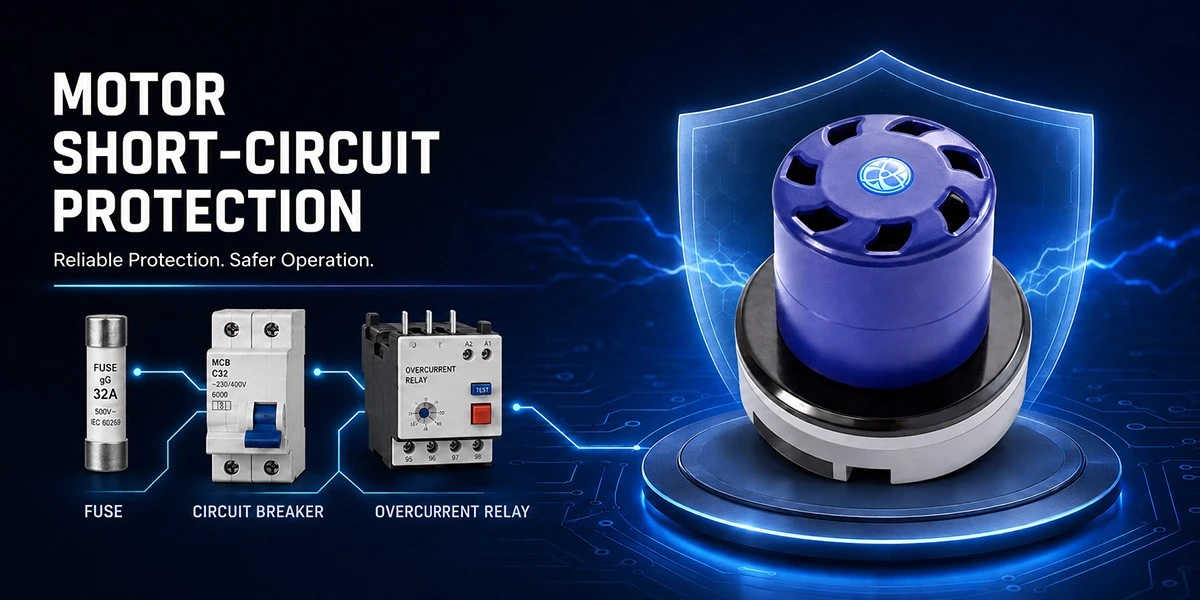
Fuses are one of the oldest and most reliable ways to protect motors from short - circuits. A fuse is basically a small piece of wire that melts when too much current flows through it. When a short - circuit occurs, the current in the circuit spikes. The fuse senses this increase in current and blows, breaking the circuit and stopping the flow of electricity.
The great thing about fuses is that they're simple and inexpensive. They're easy to install and replace. However, once a fuse blows, it needs to be replaced. And if the wrong type of fuse is used, it might not provide adequate protection. For example, if a fuse with a too - high current rating is installed, it won't blow when it should, and the motor will still be at risk of damage from a short - circuit.
Circuit Breakers
Circuit breakers are another popular choice fr motor short - circuit protection. Unlike fuses, circuit breakers can be reset after they trip. They work by using an electromagnet or a thermal element. When the current in the circuit exceeds a certain level, the electromagnet or thermal element causes the breaker to open, interrupting the flow of electricity.
There are two main types of circuit breakers: thermal and magnetic. Thermal circuit breakers use a bimetallic strip that bends when heated by the excess current. This bending action causes the breaker to trip. Magnetic circuit breakers, on the other hand, use an electromagnet that pulls a switch open when the current is too high.
Circuit breakers offer the advantage of being reusable. You don't have to keep buying new fuses every time there's a short - circuit. They also provide more precise protection, as the trip current can be set more accurately compared to fuses. But they are generally more expensive than fuses and can be more complex to install.
Overcurrent Relays
Overcurrent relays are a bit more sophisticated than fuses and circuit breakers. They are used in more complex electrical systems to protect motors. An overcurrent relay monitors the current in the circuit and can be set to trip at a specific current level.
There are different types of overcurrent relays, such as instantaneous overcurrent relays and time - delay overcurrent relays. Instantaneous overcurrent relays trip immediately when the current exceeds the set level. This is useful for protecting against severe short - circuits. Time - delay overcurrent relays, on the other hand, have a built - in delay before they trip. This can be helpful in situations where there are normal temporary current surges, such as when a motor starts up.
Overcurrent relays are often used in industrial applications where motors need to be protected in a more controlled and reliable way. They can be integrated into a larger control system, allowing for more advanced monitoring and protection features. However, they are more expensive and require more technical knowledge to install and maintain.
Ground Fault Circuit Interrupters (GFCIs)
GFCIs are mainly used to protect against ground faults, but they can also provide some protection against short - circuits. A ground fault occurs when current leaks from the electrical circuit to the ground. GFCIs work by constantly monitoring the current flowing in the hot and neutral wires. If there's an imbalance between the two, it means that current is leaking somewhere, and the GFCI will trip, cutting off the power.
In the context of motor protection, a short - circuit can sometimes cause a ground fault. So, having a GFCI installed can add an extra layer of protection. GFCIs are commonly used in residential and commercial applications, especially in areas where there's a risk of electrical shock, such as near water sources.
Surge Protectors
Surge protectors are not specifically designed to protect against short - circuits, but they can play a role in safeguarding motors. A power surge is a sudden increase in voltage that can occur due to lightning strikes, power grid fluctuations, or the switching on and off of large electrical equipment.
Surge protectors work by diverting the excess voltage to the ground. By preventing high - voltage spikes from reaching the motor, surge protectors can reduce the risk of damage to the motor's insulation, which could potentially lead to a short - circuit. They are relatively inexpensive and easy to install, and they can be used in both residential and commercial settings.
Motor Protection Relays
Motor protection relays are specialized devices designed to protect motors from a variety of faults, including short - circuits. These relays can monitor multiple parameters of the motor, such as current, voltage, temperature, and speed.
For short - circuit protection, motor protection relays can detect abnormal current increases and trip the circuit to prevent damage to the motor. They can also provide additional features like overload protection and phase - imbalance protection. Motor protection relays are commonly used in industrial and commercial applications where the reliable operation of motors is critical.
Importance of Proper Sizing and Installation
No matter which protection method you choose, proper sizing and installation are crucial. Using the wrong size of fuse or circuit breaker can lead to inadequate protection or false tripping. For example, if a fuse is too small, it might blow during normal motor operation, causing unnecessary downtime. If it's too large, it won't provide effective protection against short - circuits.
Similarly, when installing protection devices, it's important to follow the manufacturer's instructions carefully. Incorrect wiring or installation can compromise the effectiveness of the protection system.
Our Motors and Protection
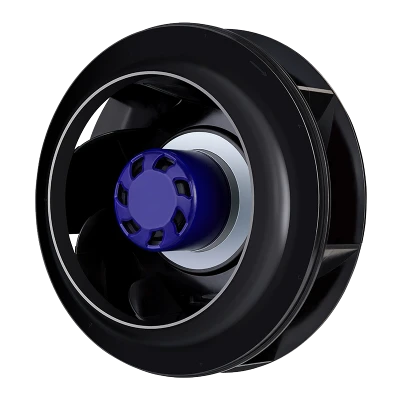
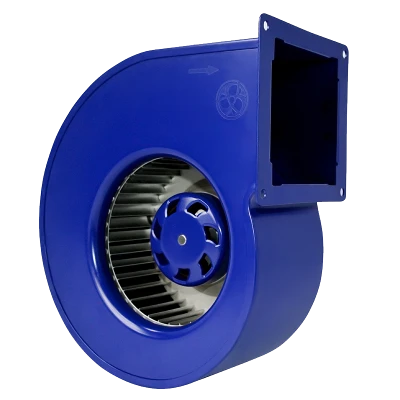
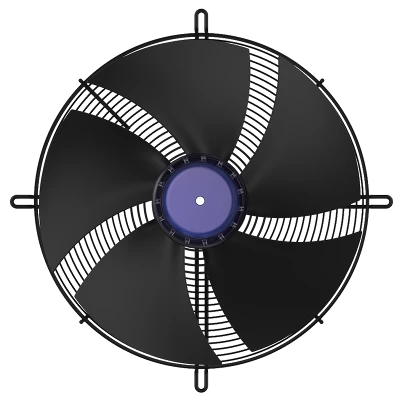
At our company, we offer a wide range of motors, including 230v Centrifugal Fans with External Rotor Motor 0 - 10v, 230v 115W Big Motor Ec Centrifugal Fan Brushless Motor, 230v Centrifugal Fans with External Rotor Motor Big Motor Ec Centrifugal Fan, 48V 85W 5060hz Motor Centrifugal Exhaust Fan Motor Blower Ec Fan Manufacturers, and 12v 85W 5060hz Centrifugal Fan Motor Out Centrifugal Fan. We understand the importance of motor protection, and we can provide guidance on the best protection methods for each type of motor.
Whether you're a small business owner looking for a simple motor for a ventilation system or an industrial operator in need of a high - power motor for heavy machinery, we've got you covered. Our team of experts can help you select the right motor and the appropriate protection devices to ensure the long - term and reliable operation of your equipment.
If you're interested in purchasing motors or need more information about motor protection, don't hesitate to get in touch. We're always happy to have a chat and discuss how we can meet your specific requirements. Let's work together to keep your motors running smoothly and safely!
References
- Electric Machinery Fundamentals by Stephen J. Chapman
- Electrical Installation Work by John Towler
- Industrial Motor Control by Thomas J. Glover