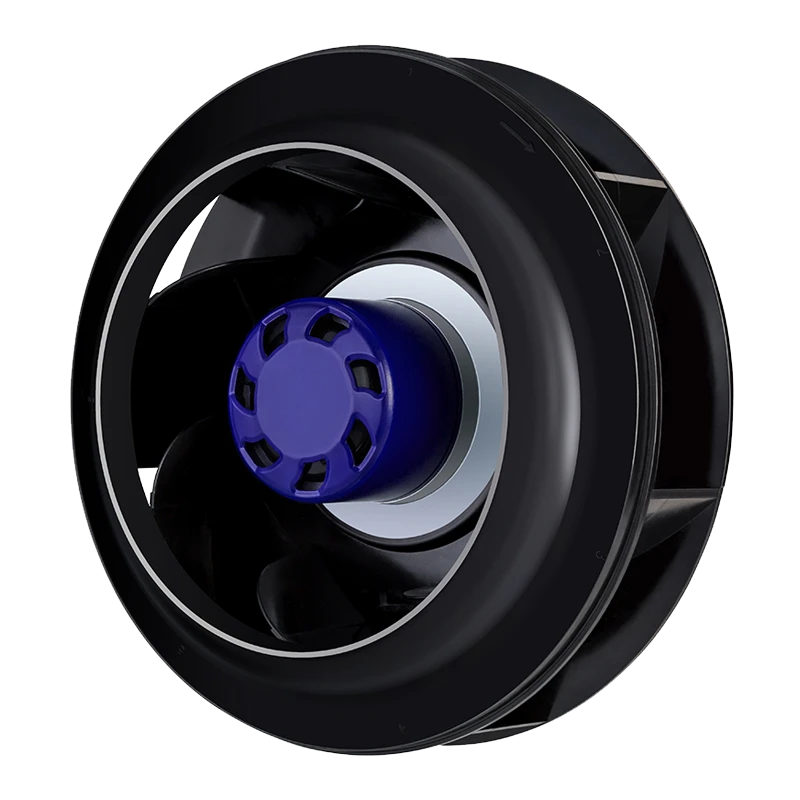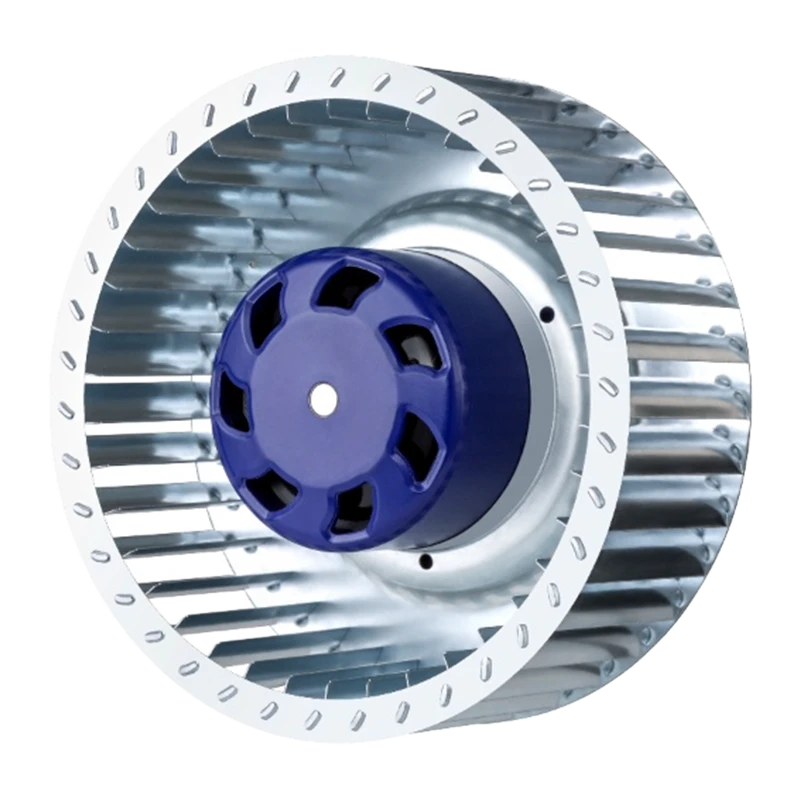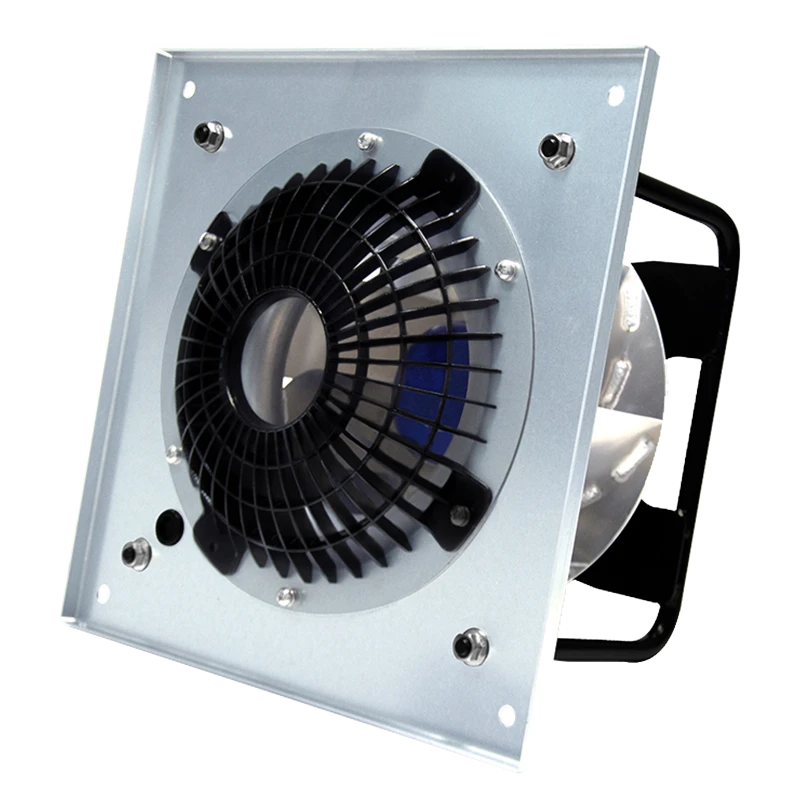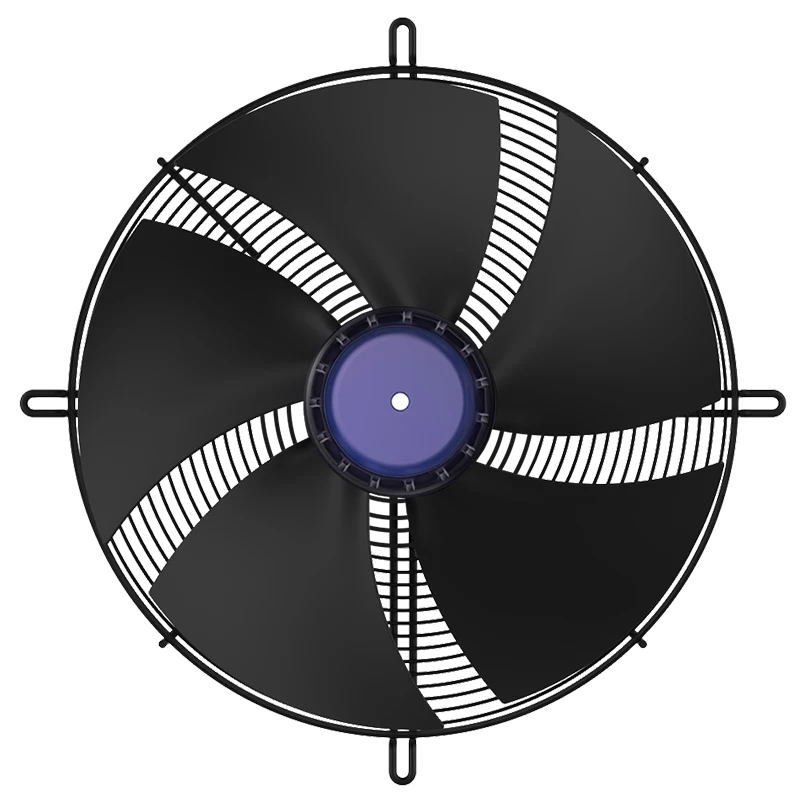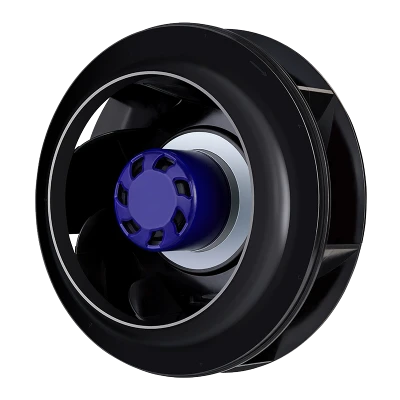
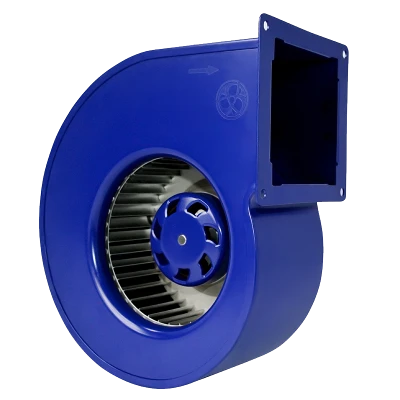
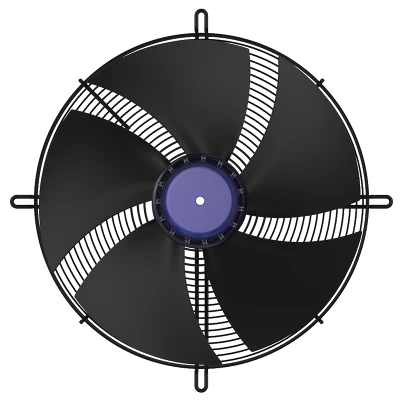
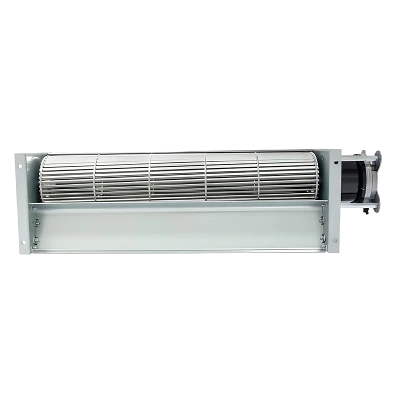

As a supplier of EC centrifugal motor fans, I often receive inquiries about the temperature rise of these motors during operation. Understanding the temperature rise is crucial for ensuring the efficient and safe performance of the fans. In this blog post, I will delve into the factors influencing the temperature rise of EC centrifugal motor fans, how to measure it, and what the acceptable limits are.
Factors Influencing Temperature Rise
Electrical Losses
One of the primary sources of heat generation in an EC centrifugal motor fan is electrical losses. These losses occur due to the resistance in the motor windings. When an electric current passes through the windings, some of the electrical energy is converted into heat according to Joule's law ((P = I^{2}R)), where (P) is the power loss, (I) is the current, and (R) is the resistance of the windings. Higher currents or larger resistances will result in more significant electrical losses and, consequently, a higher temperature rise.
Magnetic Losses
Magnetic losses also contribute to the temperature increase in the motor. These losses are mainly divided into hysteresis losses and eddy - current losses. Hysteresis losses occur because the magnetic domains in the motor core need to realign with the changing magnetic field during each cycle of the alternating current. Eddy - current losses are caused by the induced currents in the motor core due to the changing magnetic field. These induced currents flow in circular paths within the core, generating heat.
Mechanical Losses
Mechanical losses in an EC centrifugal motor fan are another factor affecting temperature rise. These losses include friction losses in the bearings and windage losses due to the rotation of the motor and fan blades in the air. Friction in the bearings can cause heat to be generated at the contact points, while windage losses result from the energy dissipated in moving the air around the rotating parts.
Environmental Conditions
The operating environment also plays a crucial role in the temperature rise of the motor fan. High ambient temperatures, poor ventilation, and dusty or dirty environments can all lead to increased temperature rise. In a high - temperature environment, the motor has to work harder to dissipate heat, and the cooling effect of the surrounding air is reduced. Poor ventilation restricts the flow of air around the motor, preventing efficient heat transfer. Dust and dirt can accumulate on the motor surface, acting as an insulator and reducing the heat dissipation rate.
Measuring Temperature Rise
To accurately assess the temperature rise of an EC centrifugal motor fan, we need to measure the temperature at different points on the motor. The most common method is to use temperature sensors, such as thermocouples or resistance temperature detectors (RTDs).
Thermocouples
Thermocouples are widely used for temperature measurement due to their simplicity, durability, and wide temperature range. They work based on the Seebeck effect, which generates a voltage proportional to the temperature difference between two junctions. One junction is placed at the point where the temperature needs to be measured (e.g., on the motor winding or the motor housing), and the other is kept at a reference temperature.
Resistance Temperature Detectors (RTDs)
RTDs are more accurate than thermocouples, especially in the lower - temperature range. They operate on the principle that the electrical resistance of a metal changes with temperature. By measuring the resistance of the RTD, we can determine the temperature. RTDs are often used in applications where high - precision temperature measurement is required.
When measuring the temperature rise, it is essential to record the initial temperature (ambient temperature) and the temperature after the motor has reached a steady - state operation. The temperature rise is then calculated as the difference between the steady - state temperature and the ambient temperature.
Acceptable Temperature Limits
The acceptable temperature rise of an EC centrifugal motor fan depends on several factors, including the motor insulation class and the application requirements.
Motor Insulation Class
The insulation class of a motor determines the maximum allowable temperature at which the insulation can operate safely over an extended period. Common insulation classes include Class A (105°C), Class E (120°C), Class B (130°C), Class F (155°C), and Class H (180°C). The temperature rise limit for a motor is typically specified relative to the maximum allowable temperature of its insulation class. For example, for a Class B motor, the maximum allowable temperature rise above the ambient temperature is usually around 80°C.
Application Requirements
In some applications, such as in a clean room or a sensitive electronic environment, lower temperature rises are required to ensure the stability and reliability of the overall system. In contrast, in industrial applications with harsh environments, the motor may be able to tolerate a slightly higher temperature rise.
Which EC motor models should you review?
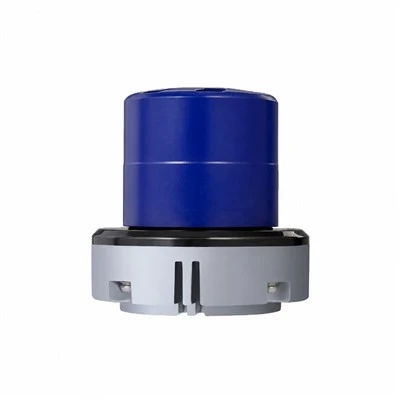
Blauberg MEC3L-72-25P 72mm 230V 115W EC Motor
View product details and specifications.

230v 115W Big Motor Ec Centrifugal Fan Brushless Motor
View product details and specifications.
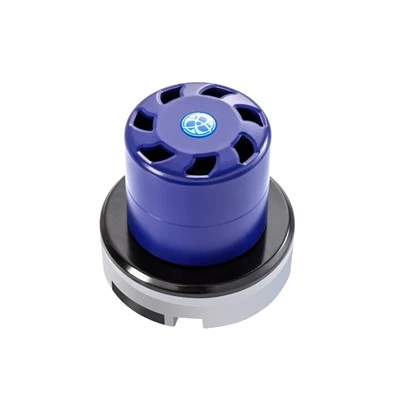
115v Motor Out Centrifugal Fan Motor 0-10v Motor Blower
View product details and specifications.
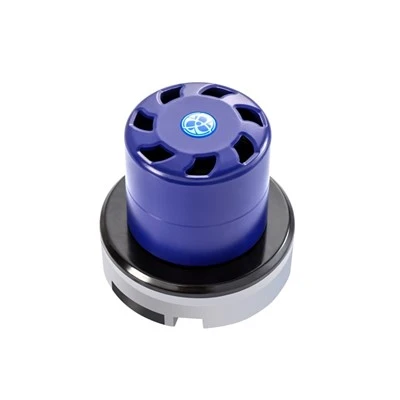
230v 170W Big Motor Ec Centrifugal Fan Motors Electrical
View product details and specifications.
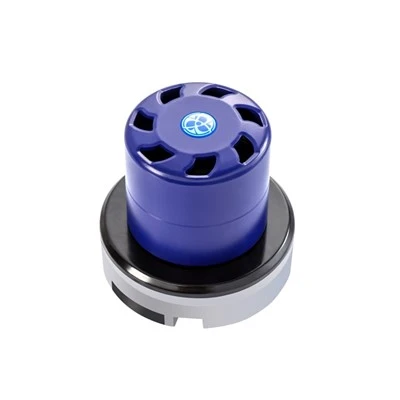
230v Centrifugal Fans with External Rotor Motor Big Motor Ec Centrifugal Fan
View product details and specifications.
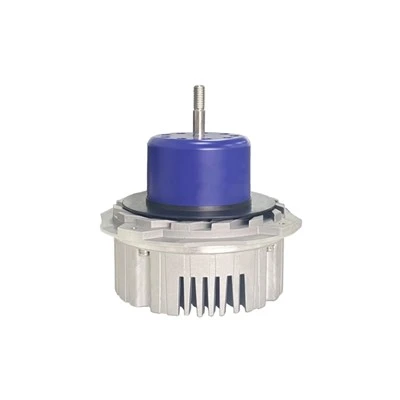
230v 750W Big Motor Ec Centrifugal Fan Motors Electrical 0-10v
View product details and specifications.
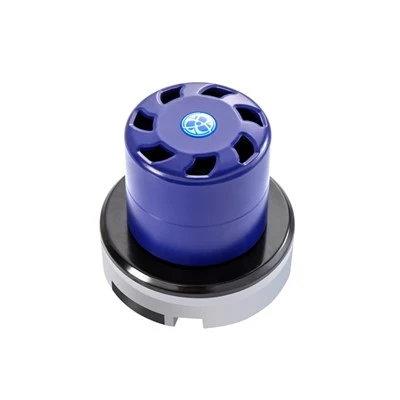
230v Centrifugal Fans with External Rotor Motor 0-10v
View product details and specifications.
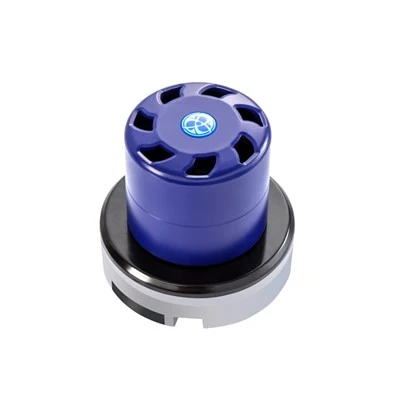
12v 85W 5060hz Centrifugal Fan Motor Out Centrifugal Fan
View product details and specifications.
Importance of Controlling Temperature Rise
Controlling the temperature rise of an EC centrifugal motor fan is essential for several reasons.
Motor Efficiency
Excessive temperature rise can lead to a decrease in motor efficiency. As the motor temperature increases, the resistance of the windings also increases, resulting in higher electrical losses. This not only wastes energy but also reduces the fan's performance.
Motor Lifespan
High temperatures can significantly reduce the lifespan of the motor. The insulation materials in the motor can degrade more rapidly at elevated temperatures, leading to insulation breakdown and potential short - circuits. In addition, the lubricants in the bearings can lose their properties at high temperatures, causing increased friction and wear.
System Reliability
Uncontrolled temperature rise can also affect the reliability of the entire system. If the motor fan fails due to overheating, it can cause problems in the ventilation, cooling, or air - circulation functions of the system, which may lead to equipment damage or even system failures.

Our EC Centrifugal Motor Fans
At our company, we offer a wide range of EC centrifugal motor fans that are designed to minimize temperature rise and ensure reliable performance. Our fans are engineered with high - quality materials and advanced technologies to reduce electrical, magnetic, and mechanical losses.
For example, our 230v 750W Big Motor Ec Centrifugal Fan Motors Electrical 0 - 10v is equipped with efficient motor windings and superior insulation materials to withstand high temperatures. The fan is also designed with optimized blade geometry to reduce windage losses and improve overall efficiency.
Another popular product is our 48V 85W 5060hz Motor Centrifugal Exhaust Fan Motor Blower Ec Fan Manufacturers. This fan is suitable for a variety of applications, including ventilation and exhaust systems. Its compact design and low - power consumption make it an ideal choice for energy - efficient solutions.
Our 230v 115W Big Motor Ec Centrifugal Fan Brushless Motor features a brushless design, which reduces mechanical losses and improves the reliability of the motor. The fan also comes with built - in temperature protection to prevent overheating.
The 230v Centrifugal Fans with External Rotor Motor Big Motor Ec Centrifugal Fan is designed with an external rotor motor, which provides better heat dissipation compared to traditional internal rotor motors. This results in a lower temperature rise during operation.
Finally, our 12v 85W 5060hz Centrifugal Fan Motor Out Centrifugal Fan is a compact and powerful fan suitable for applications where space is limited. It is designed to operate efficiently at low voltages and has a low temperature rise even under continuous operation.
Conclusion and Call to Action
Understanding the temperature rise of EC centrifugal motor fans is essential for ensuring their efficient and safe operation. At our company, we are committed to providing high - quality fans that meet the highest standards of performance and reliability.
If you are interested in our EC centrifugal motor fans or have any questions about temperature rise and motor performance, please feel free to contact us for a detailed discussion. We look forward to working with you to find the best solutions for your specific needs.
References
- Fitzgerald, A. E., Kingsley, C., & Umans, S. D. (2003). Electric Machinery (6th ed.). McGraw - Hill.
- Chapman, S. J. (2012). Electric Machinery Fundamentals (5th ed.). McGraw - Hill.
- Kirtley, J. L. (2001). Electric Machines. MIT Press.
Category of Blauberg Products
Built on German engineering principles, focusing on precision, reliability, and long-term performance. Through efficient and scalable manufacturing, we deliver high-quality ventilation solutions with optimized cost structure, ensuring strong value for global OEM and project-based customers.