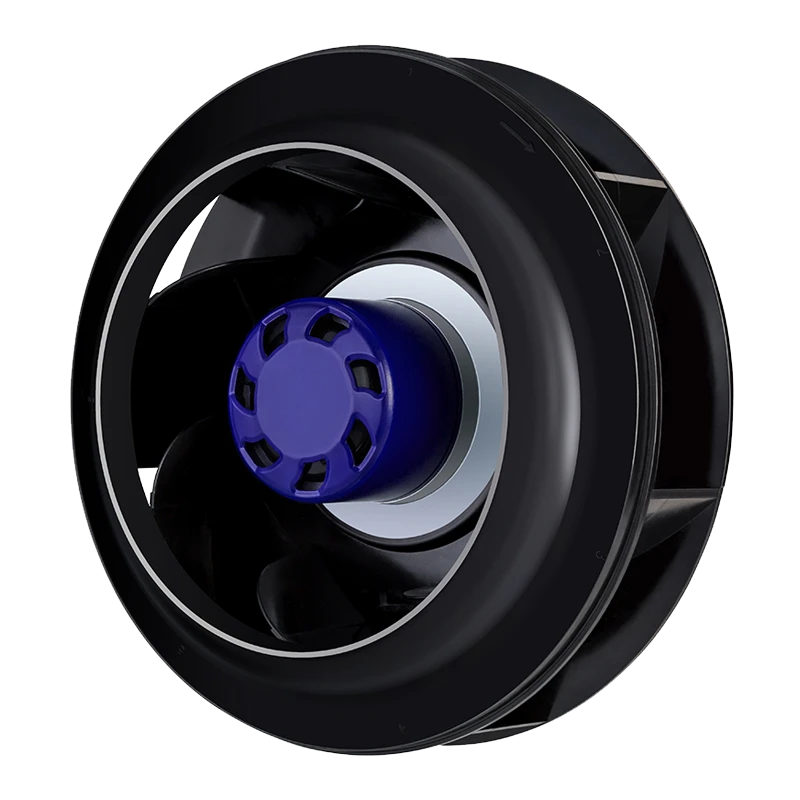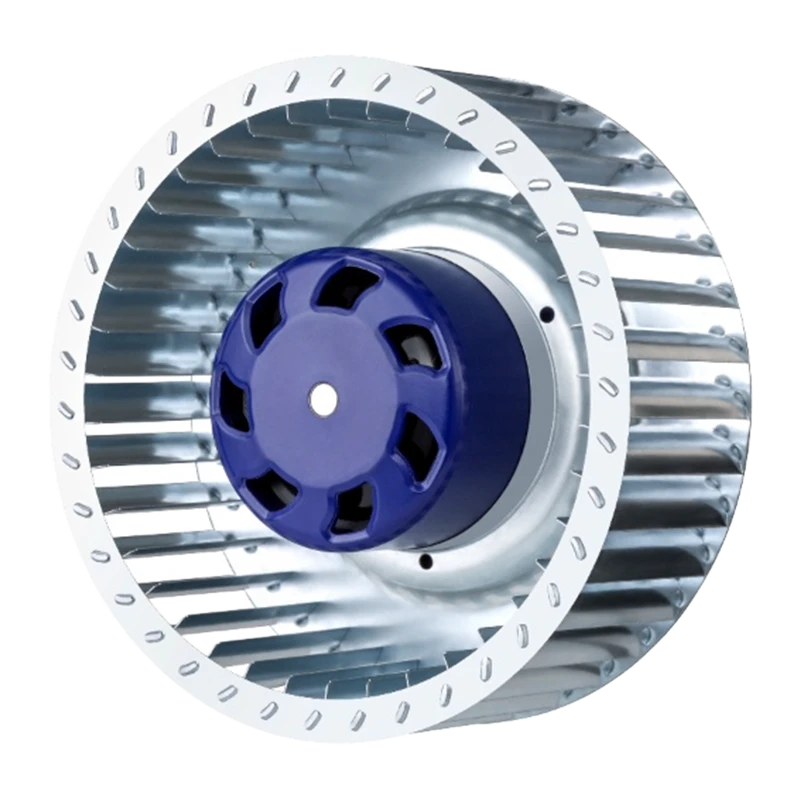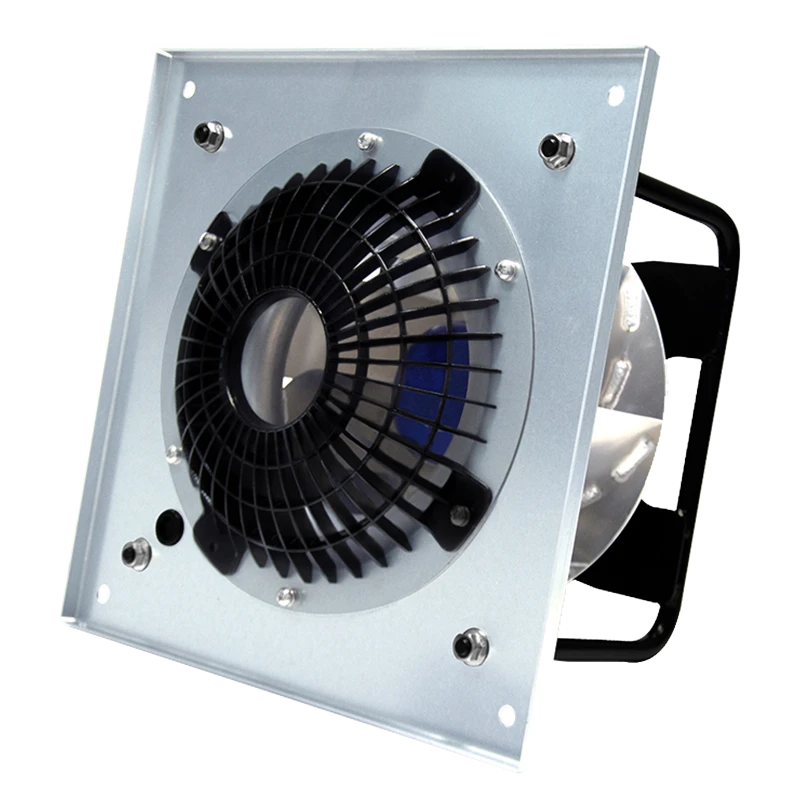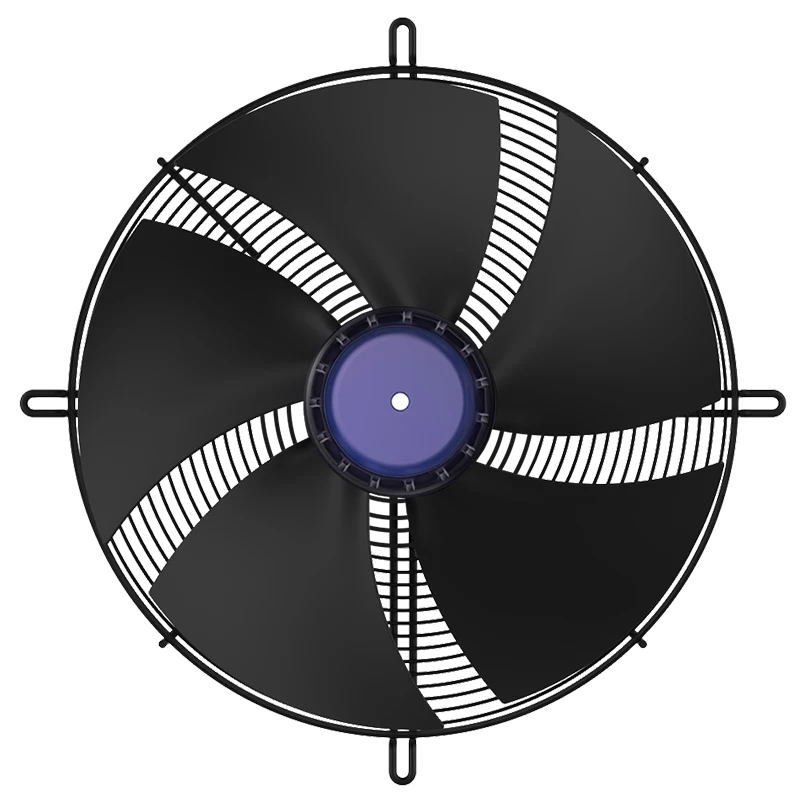
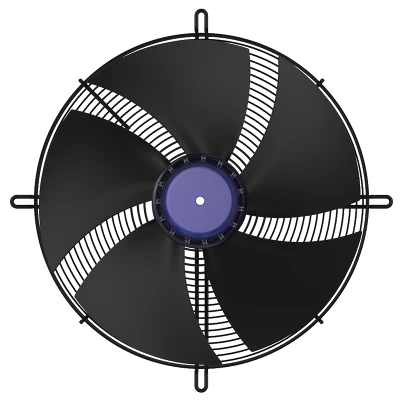
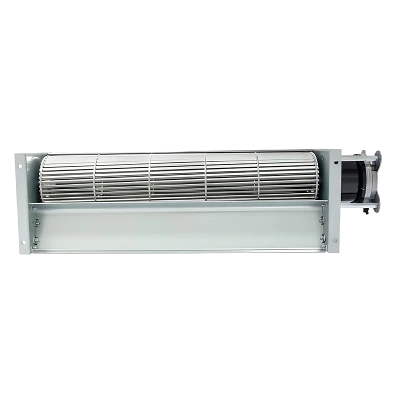
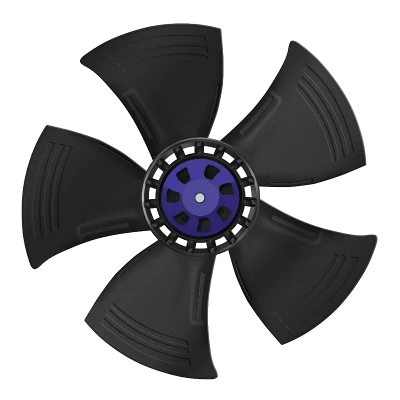
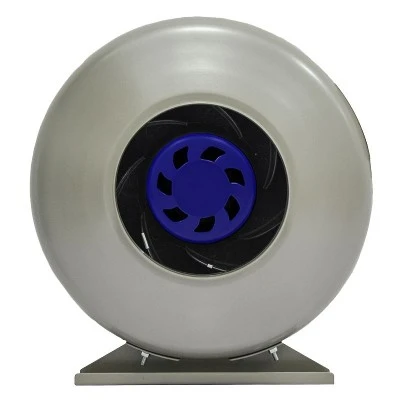
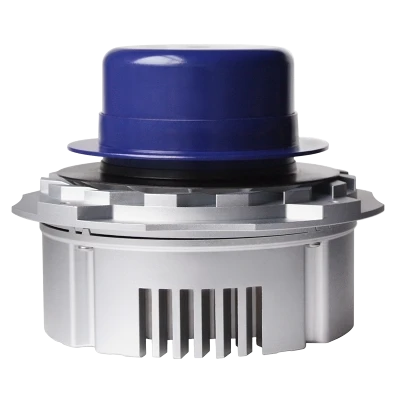

Hey there, thanks for swinging by! If you've ever shopped around for HVAC, ventilation, or industrial air movement gear, you've probably seen "EC centrifugal fan" pop up next to efficiency specs that sound way more impressive than your old AC-powered fans. As someone who's been selling EC fan motors for years (I work directly with a solid team of engineers and manufacturers, so I know this stuff inside and out), I get that efficiency ratings aren't just random numbers on a spec sheet-they're what save you cash on electricity, keep your space running smoothly, and avoid unnecessary downtime. Today we're breaking down exactly what an EC centrifugal fan's efficiency rating actually means, how it's calculated, what factors mess with it, and why it's a big deal for your next project.
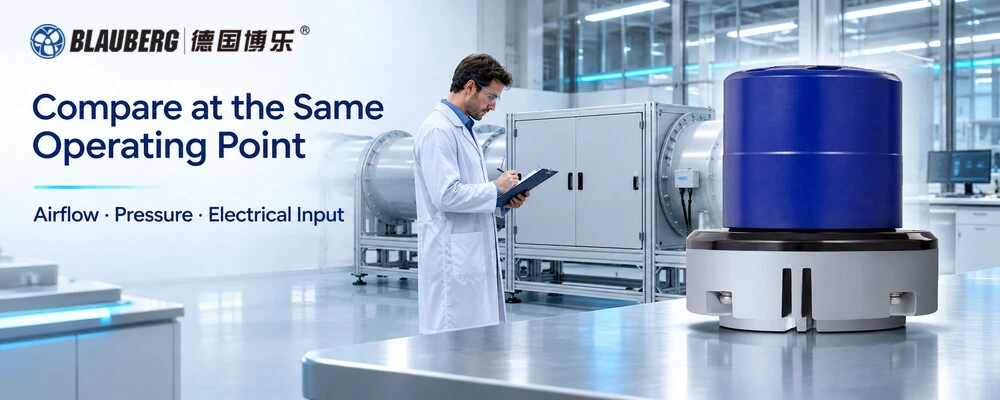
First off, let's keep this simple: EC stands for Electronically Commutated, right? Unlike old AC fans that use a brush-and-commutator system that wastes energy on friction and heat, EC fans have a built-in microcontroller that adjusts power exactly to the airflow you need. That's why their efficiency ratings are way higher-we're talking 60% to 90% efficient, sometimes even higher, compared to 30% to 50% for most traditional AC fans. But here's the thing: that number isn't just pulled out of thin air. There are standard tests to make sure we're all comparing apples to apples, not just marketing hype.
The main test for fan efficiency is called "fan total efficiency," and it's calculated by dividing the actual useful air power output (that's the airflow times the pressure the fan generates-think cubic feet per minute, or CFM, times inches of water gauge, or IWG) by the total electrical power the fan draws from the wall, usually measured in watts. It's a ratio, so it's always expressed as a percentage. For EC fans, this is way more accurate than AC fans because their microcontroller can adjust speed smoothly instead of using inefficient belt drives or on/off switches. I've seen 48V models hit 88% efficiency, and even smaller 12V units clock in around 82%-that's huge when you're running a fan 24/7, like in server rooms or commercial kitchens.
Now, not all EC centrifugal fans are created equal. I've had customers ask me all the time: "Is a 100W EC fan more efficient than a 200W AC fan?" Not necessarily-you have to look at the CFM-to-watt ratio, which is tied right to that efficiency rating. For example, let's take our 48V 85W 5060hz Motor Centrifugal Exhaust Fan Motor Blower Ec Fan [link1]. That model's efficiency clocks in at around 83%, so it moves about 250 CFM on just 85 watts. Compare that to a similar-sized AC fan that might use 120 watts and only move 180 CFM-you're getting more airflow for less energy, which is the whole point of efficiency.
Another big factor that affects efficiency is voltage and power rating. We sell everything from tiny low-voltage units for RVs or small electronics all the way up to heavy-duty industrial models. Take our 12V 85W 5060hz Centrifugal Fan Motor Out Centrifugal Fan [link2]-this is a compact, low-power model perfect for small off-grid systems or portable ventilation. It's rated at 81% efficiency, which is impressive for such a small, low-voltage setup. Then we have our 230V 115W Big Motor Ec Centrifugal Fan Brushless Motor [link3], a mid-sized workhorse for retail store HVAC or warehouse zones. That one hits around 86% efficiency, and its variable speed control (standard on all our EC models) lets you dial it up or down based on actual need, so you're not wasting energy blowing full speed when you don't need to. For bigger industrial jobs, our 230V 750W Big Motor Ec Centrifugal Fan Motors Electrical 0-10v [link4] is a beast-rated at 89% efficiency, it's designed for large spaces like manufacturing plants or data centers where consistent, high airflow is non-negotiable. We also carry 115V Motor Out Centrifugal Fan Motor 0-10v Motor Blower [link5], a versatile model that works for both residential and light commercial use, with an efficiency rating around 84%.
Wait, let's clear up a common misconception here: efficiency ratings don't mean a fan uses less power, always. They mean it uses power more effectively. A higher-efficiency EC fan will give you the same or better airflow than a lower-efficiency fan, but draw less watts to do it. So if you've been running a 500W AC fan that moves 1,000 CFM, replacing it with a 250W EC fan that moves 1,100 CFM is a no-brainer-your electric bill will drop, and you'll get better performance. I had a customer last year who owned a 10,000 sq ft warehouse, running three big AC fans 12 hours a day. Swapping them for our 230V 750W EC models cut his fan energy use by 55%-that's hundreds of dollars saved every month. Pretty big difference, right?
Another thing to keep in mind: efficiency isn't static. A fan's rating is usually given at its "best efficiency point" (BEP)-that's the sweet spot where it's moving the most airflow for the least amount of power. But if you run a fan at too high or too low a pressure, or a speed way outside its design range, its efficiency will drop. That's why variable speed controls (which all our EC fans have, by the way, some with 0-10V or PWM control) are so important. They let you operate the fan right around its BEP, so you're always getting peak efficiency, no matter the conditions. Old AC fans, on the other hand, often have only a couple of fixed speeds, so you're usually running them away from their BEP, wasting energy.
Which centrifugal fan models should you review?

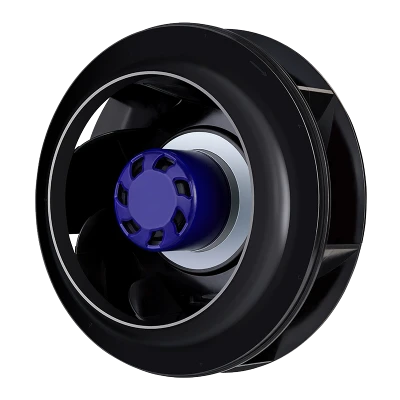
Blauberg BE-B400H-EC-05 400mm DC Backward Centrifugal Fan
View product details and specifications.
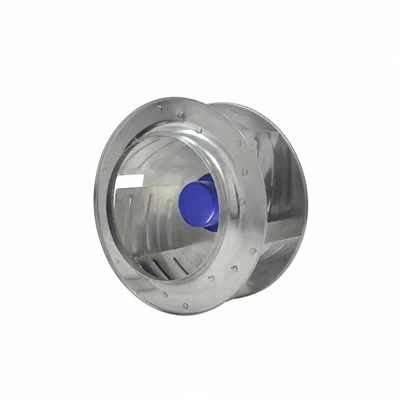
Blauberg BE-B400D-EC-05 400mm DC Backward Centrifugal Fan
View product details and specifications.
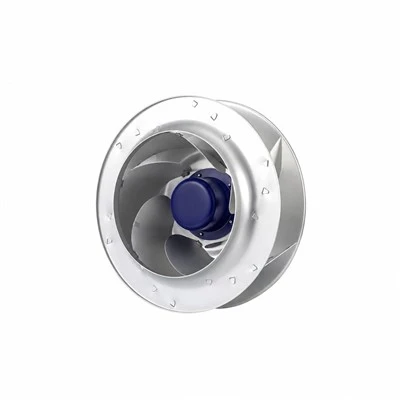
Blauberg BE-B355C-EC-05 355mm DC Backward Centrifugal Fan
View product details and specifications.
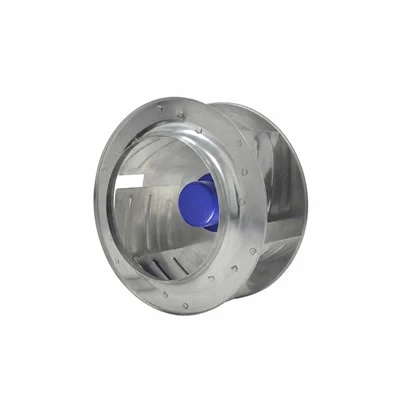
Blauberg BN-B310C-EC-01 310mm DC Backward Centrifugal Fan
View product details and specifications.
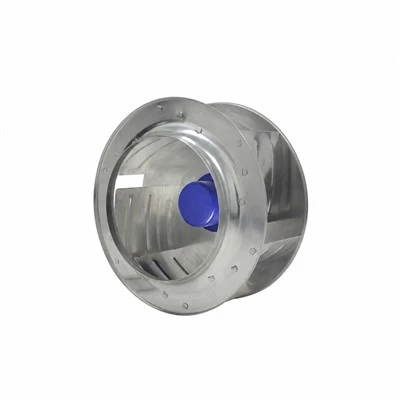
Blauberg BE-B310D-EC-N07 310mm DC Backward Centrifugal Fan
View product details and specifications.
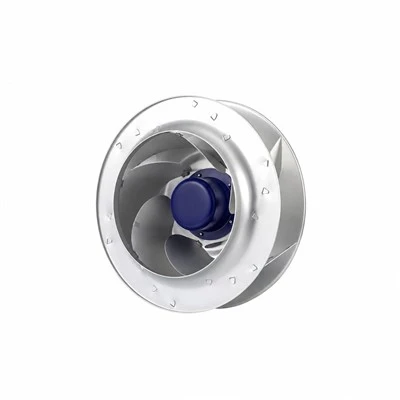
Blauberg BE-B310D-EC-05 310mm DC Backward Centrifugal Fan
View product details and specifications.
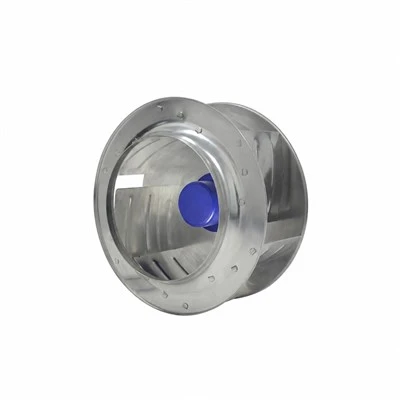
Blauberg BE-B310C-EC-01 310mm DC Backward Centrifugal Fan
View product details and specifications.
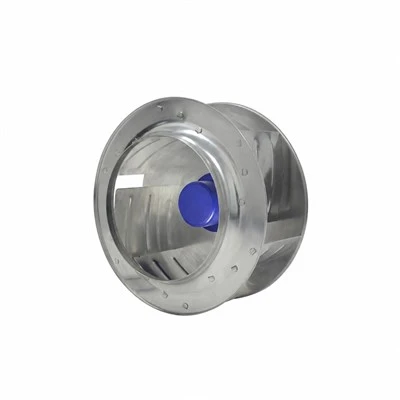
Blauberg BD-B310D-EC-N07 310mm DC Backward Centrifugal Fan
View product details and specifications.
There's also the difference between "motor efficiency" and "fan efficiency," which trips a lot of people up. The motor is part of the fan system, but the fan blade design, housing, and ductwork all play a role too. A high-efficiency motor won't help if the blade is poorly designed or there's too much friction in the duct. That's why we test every fan we sell as a complete system, not just the motor. When you buy one of our EC centrifugal fans, the efficiency rating you get is for the whole fan unit, not just the motor-so you know exactly what you're getting, no fine print.
I should also mention energy efficiency standards, because these days, a lot of regions have regulations mandating minimum efficiency ratings for fans. In the US, that's the Department of Energy (DOE) standards, and in the EU, it's the ErP Directive. Our EC fans all meet or exceed these standards, so you won't have to worry about getting shut down for non-compliance. For example, our 115V 0-10V model is DOE-certified, and our 230V industrial models are ErP-compliant, which is a big plus for commercial and industrial projects where codes are strict.
Let's talk about real-world use cases, because that's where efficiency actually matters. Take a server room-you need constant, consistent airflow to keep servers from overheating, but you don't want to waste energy blowing full speed 24/7. An EC centrifugal fan with a 85% efficiency rating, paired with a temperature sensor that adjusts speed, will use way less energy than an AC fan turning at full tilt all the time. Another example: a restaurant kitchen exhaust fan. Those run all day, and if you have a low-efficiency fan, that's a huge chunk of your utility bill. Swapping for our mid-sized EC model? You'll cut that exhaust fan energy use by almost half, and still keep your kitchen up to code with ventilation requirements.
Now, what about when you're sizing a fan? A lot of people just look at the wattage and figure lower is better, but that's not right. You need to match the fan's airflow (CFM) and pressure (IWG) to your space. If you get a fan that's too big, you'll run it at low speed, which is less efficient-even if it's an EC model. That's why it's worth reaching out to someone who knows EC fans, like my team, to help you size it right. We get questions every day from people who bought the wrong fan and are unhappy with performance or energy bills, so sizing is key to actually getting the efficiency you're paying for.
I also want to touch on long-term savings, not just upfront cost. Sure, EC fans might cost a bit more than AC fans at first, but the efficiency gains add up fast. Let's do a quick math example: if you run a fan 24/7, 365 days a year, at $0.15 per kWh. A 100W AC fan uses (0.1 kW x 24h x 365d) = 876 kWh per year, costing $131.40. A 100W EC fan with 85% efficiency would move the same airflow as a 175W AC fan, so it uses (0.175 kW x 24h x 365d) = 1533 kWh? Wait no, wait-no, let's correct that. Wait, if the EC fan is 85% efficient, to get the same CFM as a 50% efficient AC fan, the EC fan's power is lower. Let's say AC fan is 50% efficient, uses 200W to get 500 CFM. The EC fan is 85% efficient, so to get 500 CFM, it only uses (200W x 50%) / 0.85 = ~117W. So that's 117W vs 200W, so annual cost is (0.117 x 8760) x $0.15 = ~$153, vs AC's (0.2 x 8760) x $0.15 = ~$263. That's $110 saved per year, per fan. Over 5 years, that's $550, which is more than the extra cost of the EC fan. That's the math that makes EC fans worth it, no question.
One last thing to keep an eye on: fake efficiency claims. A lot of brands will list their motor efficiency, not the whole fan system, or test efficiency at only the BEP, not real-world operating conditions. That's why it's important to buy from a reputable supplier, like my team, who provides third-party test data for every fan. We don't fudge numbers-our efficiency ratings are based on independent lab tests, so you can trust what you see on the spec sheet.
At the end of the day, the efficiency rating of an EC centrifugal fan isn't just a metric to brag about. It's about saving money, reducing your carbon footprint, and making sure your ventilation, HVAC, or air movement system works as well as it can, for as little cost as possible. Whether you're a small business owner looking to cut utility bills, an industrial manager needing reliable air movement, or someone just trying to pick the right fan for a project, understanding that efficiency rating will help you make a better choice.

If you're not sure which EC centrifugal fan is right for you, or you want to run the numbers on how much you'll save, my team is here to help. We work with all kinds of clients, from small residential projects to large industrial facilities, and we can guide you to the perfect fit. No pushy sales tactics, just straight talk and quality products. Reach out to us to chat through your needs, get a custom quote, or learn more about our range of EC fans, from compact 12V models to heavy-duty 750W industrial units.
References
- Air Movement and Control Association International (AMCA). (2022). Standard 210: Method of Testing Air Moved by Fans.
- U.S. Department of Energy (DOE). (2023). Minimum Energy Efficiency Standards for Commercial and Industrial Fans.
- European Committee for Standardization (CEN). (2021). ErP Directive Requirements for Ventilation Fans.
- Fan Efficiency Alliance. (2022). Best Practices for Calculating and Testing Fan Total Efficiency.
- Electronically Commutated Motor Association (ECMA). (2023). EC Fan Performance and Application Guidelines.
Category of Blauberg Products
Built on German engineering principles, focusing on precision, reliability, and long-term performance. Through efficient and scalable manufacturing, we deliver high-quality ventilation solutions with optimized cost structure, ensuring strong value for global OEM and project-based customers.