
If you've ever stood next to an older electric motor that's humming loudly while barely moving the tool or fan it's supposed to power, you know how frustrating efficiency gaps can be. As someone who's spent the last 10 years supplying motors for everything from small HVAC setups to industrial processing lines, I've seen firsthand how even a 5% efficiency gain on a single motor can add up to thousands of dollars in energy savings over its lifespan-and cut down on maintenance time, too. The truth is, many motor owners treat efficiency like a "set-it-and-forget-it" detail, but small, consistent adjustments can make a huge difference. Let's walk through practical, science-backed ways to boost motor efficiency, plus how choosing the right motor for your application can set you up for long-term success.
First, let's start with the basics: efficiency here means the percentage of electrical power a motor turns into mechanical power, rather than wasting it as heat, noise, or vibration. For example, a motor with 90% efficiency converts 90 out of every 100 watts of power into work, while a 85% model wastes 15 watts. Most of these waste losses come from three main areas: copper loss (heat from electricity moving through the motor's windings), iron loss (heat from the magnetic field moving through the motor's core), and mechanical loss (friction from bearings, fans, and air resistance inside the motor). Fixing these areas is where you'll see the biggest improvements.
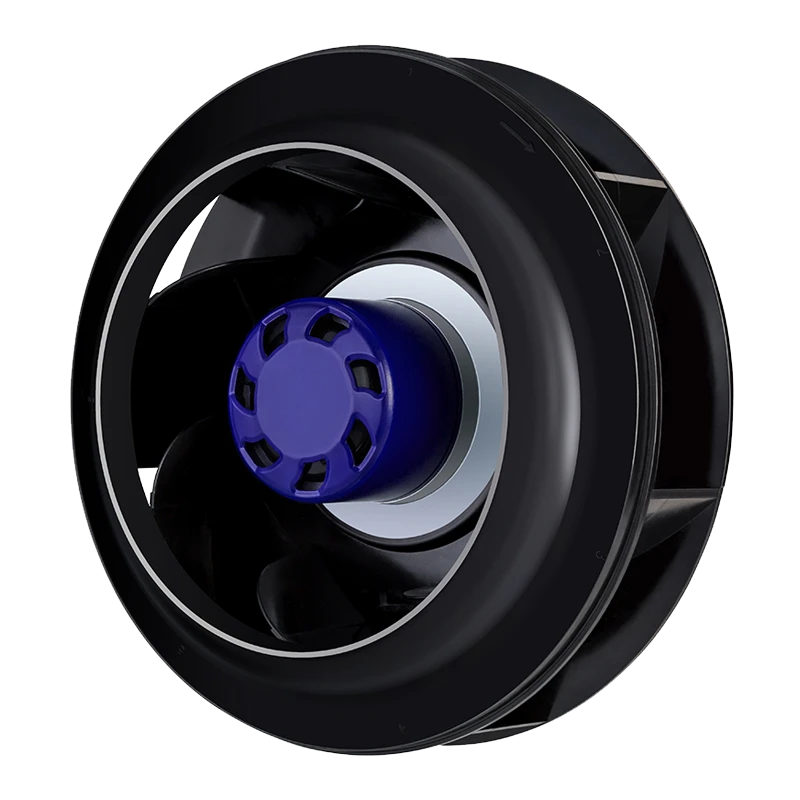
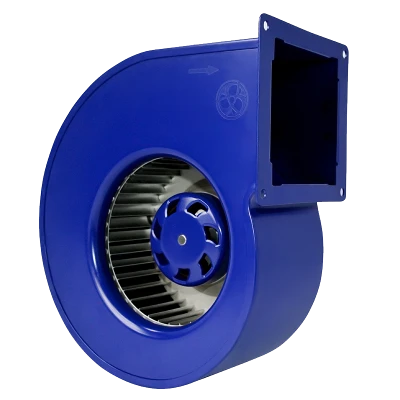
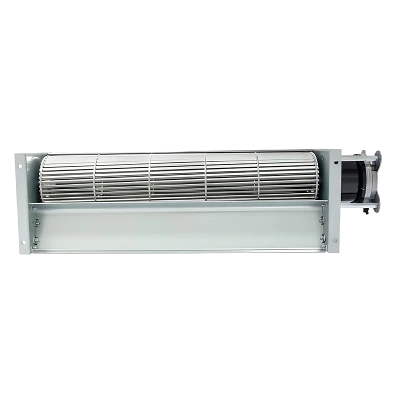
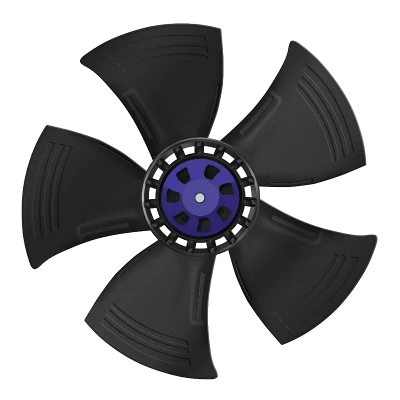
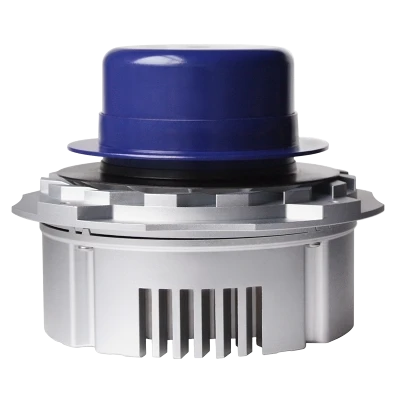
One of the easiest, most overlooked fixes is keeping your motor properly sized. I can't stress this enough: an oversized motor is a lazy motor. If a motor is built to handle 2 horsepower but you're only running a 1-horsepower load, it's operating at low load, which crushes its efficiency. Most AC motors are only most efficient when they're running at 75-100% of their rated load. When they're underloaded, their power factor drops-meaning they're drawing more reactive power from the grid, which not only wastes energy but can also lead to higher utility bills. I've seen customers install a 12v 85W 5060hz Centrifugal Fan Motor Out Centrifugal Fan [/motors/12v-85w-5060hz-centrifugal-fan-motor-out.html] for a small bathroom vent, only to swap it months later because the oversized motor was running at 40% load, wasting almost 10 watts of power every hour. The fix? Match motor size exactly to your load, or use a variable frequency drive (VFD) if your load varies. VFDs adjust the motor's speed to match the exact demand of the tool or fan, so it doesn't spin faster than needed. For a warehouse with fluctuating ventilation needs, a VFD paired with a high-efficiency motor like the Blauberg MEC3L-72-25P 72mm 230V 115W EC Motor [/motors/mec3l-72-25p-72mm-ec-motor.html] can cut energy use by 30% or more, because EC motors are designed to be highly efficient at partial loads.
Next, regular maintenance is non-negotiable for keeping efficiency high, but it's not just about changing oil (though that is part of it). Bearings are a common culprit of mechanical loss. If a bearing gets dirty, misaligned, or lubricated poorly, the friction between the rotating shaft and the bearing can increase by 50% or more, forcing the motor to draw extra power just to turn. I once worked with a food processing plant that thought their motor was failing because its energy bill spiked 15% in a month; when we pulled the bearing, we found it was caked with flour dust, which had turned the lubricant into a thick paste. After cleaning and repacking the bearings, efficiency went back to normal, and they saved over $2,000 that year on energy costs. The rule of thumb for small motors (under 5 horsepower) is to lubricate bearings every 12 months, and for larger industrial motors, every 6 months-though always check the manufacturer's specs, since over-lubricating is just as bad as under-lubricating.
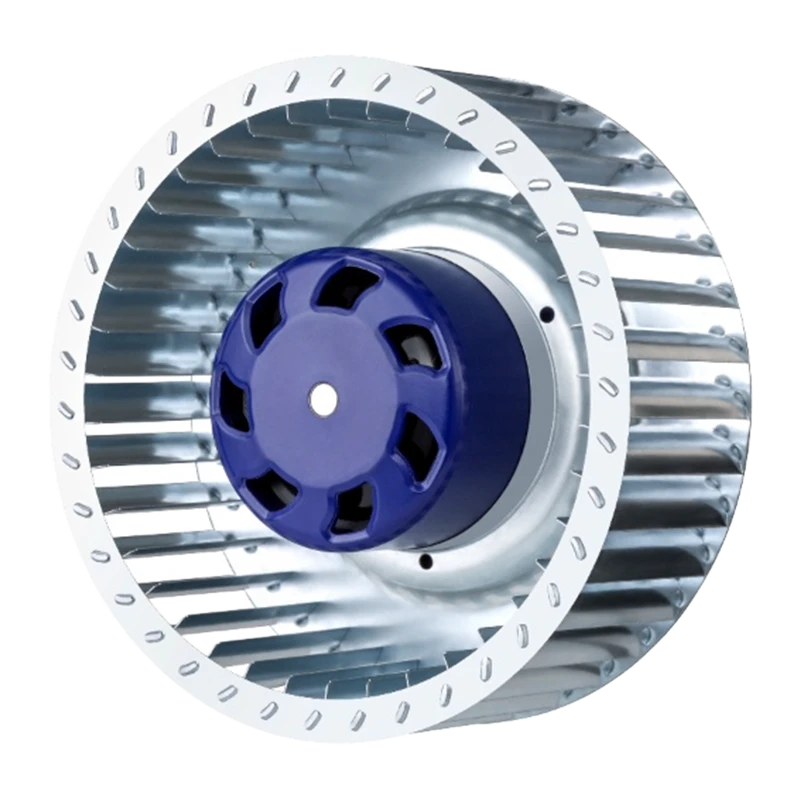
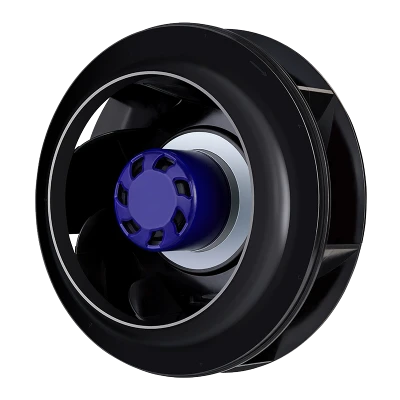
Another big loss source is the motor's air gap. The air gap is the small space between the rotor (the rotating part of the motor) and the stator (the stationary part that creates the magnetic field). If that gap is uneven or too large, the magnetic field has to work harder to cross the gap, which increases iron and copper losses. This usually happens because the motor is misaligned, either from installation or from wear over time. Shaft misalignment is common in motors connected to pumps, fans, or conveyors, and even a 0.5-degree misalignment can increase energy use by 10%. The fix here is regular alignment checks, either with a laser alignment tool (for large motors) or a simple dial indicator (for small to medium motors). We've had clients who checked alignment on their 230v Centrifugal Fans with External Rotor Motor 0-10v [/motors/230v-centrifugal-fans-with-external-rotor.html] every quarter and saw a steady 7-8% efficiency gain, because the motor didn't have to fight against the uneven pull from a misaligned shaft.
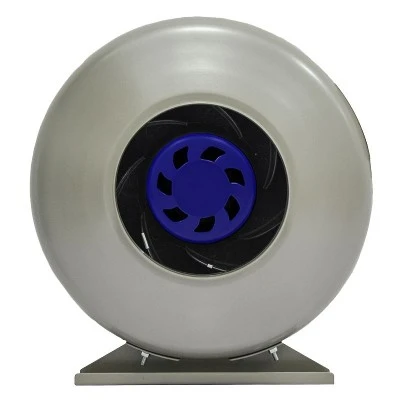
Choosing the right motor technology for your application is also a game-changer. There are three main types of motors on the market: standard induction motors, high-efficiency induction motors, and EC (electronically commutated) motors. Standard induction motors are cheap, but they top out at around 85% efficiency, and drop off sharply at partial loads. High-efficiency induction motors use better quality copper windings and thinner steel in the core to cut iron and copper losses, hitting around 92-95% efficiency, but still struggle with partial loads. EC motors, on the other hand, use permanent magnets instead of the rotor windings in induction motors, and their built-in electronics adjust power to match demand, making them 15-30% more efficient than standard motors, even at partial loads. For example, a 230v 170W Big Motor Ec Centrifugal Fan Motors Electrical [/motors/230v-170w-big-motor-ec-centrifugal-fan-motors.html] for a server room ventilation system will run at peak efficiency even when the room is only at 50% load, whereas a standard motor would waste power idling at full speed. EC motors are especially great for applications where load varies-like HVAC, exhaust fans, and refrigeration systems-because they don't have the same efficiency drop as induction motors when they're not running at full capacity.
Which EC motor models should you review?
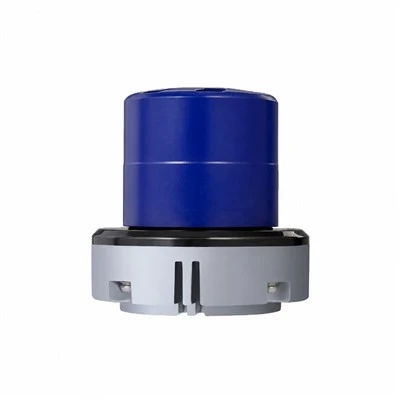
Blauberg MEC3L-72-25P 72mm 230V 115W EC Motor
View product details and specifications.

230v 115W Big Motor Ec Centrifugal Fan Brushless Motor
View product details and specifications.
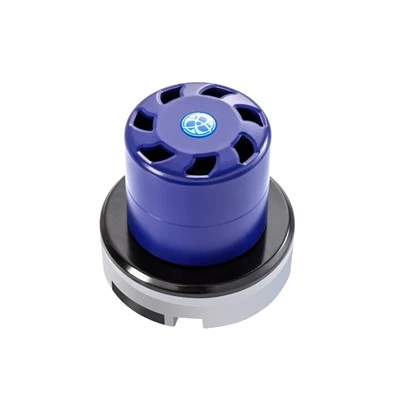
115v Motor Out Centrifugal Fan Motor 0-10v Motor Blower
View product details and specifications.
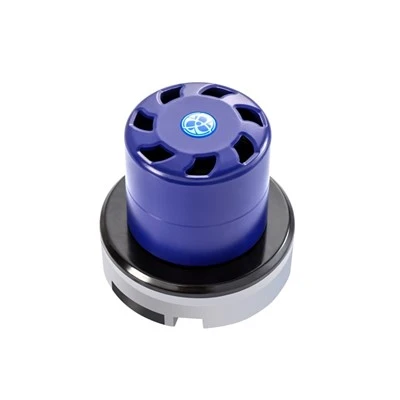
230v 170W Big Motor Ec Centrifugal Fan Motors Electrical
View product details and specifications.
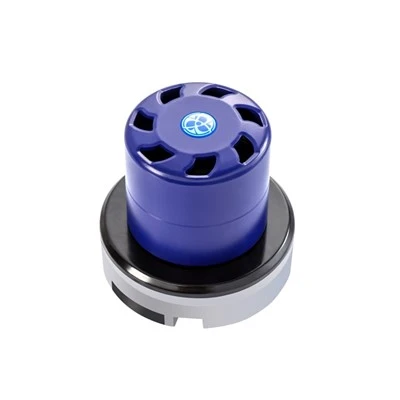
230v Centrifugal Fans with External Rotor Motor Big Motor Ec Centrifugal Fan
View product details and specifications.
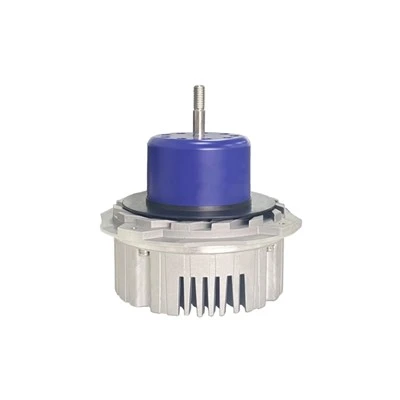
230v 750W Big Motor Ec Centrifugal Fan Motors Electrical 0-10v
View product details and specifications.
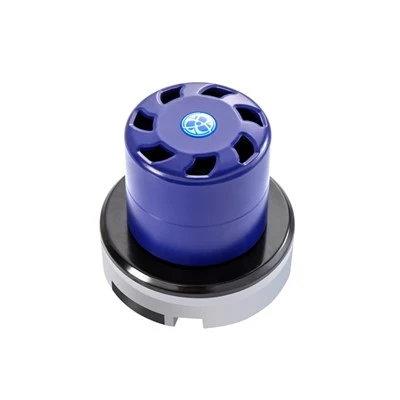
230v Centrifugal Fans with External Rotor Motor 0-10v
View product details and specifications.
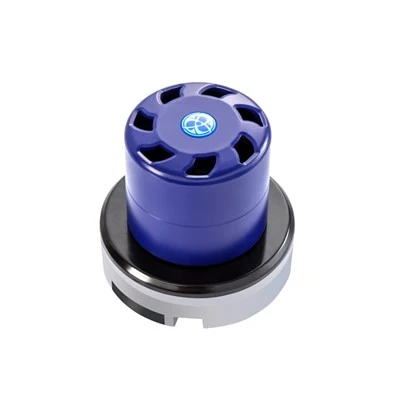
12v 85W 5060hz Centrifugal Fan Motor Out Centrifugal Fan
View product details and specifications.
You also can't ignore the motor's environment, because heat kills efficiency. Motors generate their own heat, and if they can't dissipate that heat, their internal temperature rises. High temperatures increase copper loss (resistance goes up as temperature increases) and can damage the windings over time, shortening the motor's lifespan. If a motor is installed in a hot, dusty, or cramped space, it can run 10-15 degrees hotter than it should, cutting efficiency by 2-3%. To fix this, make sure the motor has at least 6 inches of clearance on all sides for air flow, avoid installing it near heat sources like boilers or compressors, and keep the ventilation grilles clean (dust buildup blocks air flow, just like it does with bearings). For example, a 230v Centrifugal Fans with External Rotor Motor Big Motor Ec Centrifugal Fan [/motors/230v-centrifugal-fans-with-external-rotors.html] installed in a dusty warehouse will need its air intake filter changed every 2 months, instead of every 6 months in a clean office, to keep cooling working properly.
Wait, there's one more thing a lot of people miss: wiring quality. The wiring that connects the motor to the power supply can cause significant energy loss if it's too thin, too long, or has loose connections. Thin wires have higher resistance, so more power is lost as heat traveling from the breaker to the motor. For a 50-foot wire run, using a wire gauge that's too small can increase losses by 5% or more. Loose connections, on the other hand, create resistance at the junction, which can lead to overheating and power waste. I once had a customer who complained their motor was running hot, and after checking the wiring, we found a loose terminal on the breaker that had created a small arc, wasting over 8 watts of power. Tightening the terminal and upgrading the wiring to the correct gauge fixed the issue immediately. It's worth noting that for motors running 24/7-like those in industrial facilities or HVAC systems over the summer-upgrading to the right wire gauge can pay for itself in energy savings in less than a year.
Let's talk about real-world results, because numbers matter. A small café I worked with a few years ago had three exhaust fans running 12 hours a day, using standard induction motors that were 10 years old. Their energy bill for the fans was around $1,800 a year. We replaced the three standard motors with the Blauberg MEC3L-72-25P 72mm 230V 115W EC Motor [/motors/mec3l-72-25p-72mm-ec-motor.html] (since their exhaust load varied with how many customers were in the café) and installed VFDs to adjust speed based on air quality sensors. Within the first year, their fan energy bill dropped to $1,100- a 39% savings. That's $700 back in their pocket every year, for a one-time investment of around $2,000. For a larger operation, like a warehouse with 20 motors, the savings multiply quickly. A client with 15 centrifugal fans and 5 conveyor motors upgraded all the standard motors to high-efficiency models, aligned shafts, and replaced worn bearings, saving over $12,000 a year on energy costs, with payback in 18 months.
I know motor efficiency can feel like a daunting topic, but it doesn't have to be. The best part is that most of these steps are either low-cost (regular maintenance, alignment checks) or a smart one-time investment (upgrading to high-efficiency or EC motors, adding VFDs) that pays for itself over time. If you're not sure where to start, start with an energy audit of your existing motors: check their load, their condition, their wiring, and their environment. Even small fixes like cleaning a clogged air filter or tightening a loose bearing can make a noticeable difference.
If you're in the market for new motors, we have a wide range of options for every application-from small 12v fans for residential use to high-powered EC motors for industrial systems. Whether you need a replacement for a bathroom vent, a centrifugal fan for a warehouse, or a motor for a conveyor system, our team can help you find the right fit for your load, space, and efficiency goals. Don't let inefficient motors drain your energy budget or shorten your equipment's lifespan. Reach out to our team to discuss your project, and let's work together to find the best motor solution for your needs.

References
- U.S. Department of Energy. (2022). Motor Master: Efficiency Guidelines for Electric Motors. Office of Energy Efficiency and Renewable Energy.
- EC Motor Technology Association. (2021). Performance Analysis of Electronically Commutated Motors in Variable Load Applications.
- Institute of Electrical and Electronics Engineers (IEEE). (2020). Loss Mechanisms in Induction Motors: A Review of Mitigation Strategies. Transactions on Energy Conversion.
- Air Movement and Control Association International (AMCA). (2022). Centrifugal Fan Motor Efficiency Standards and Best Practices.
Category of Blauberg Products
Built on German engineering principles, focusing on precision, reliability, and long-term performance. Through efficient and scalable manufacturing, we deliver high-quality ventilation solutions with optimized cost structure, ensuring strong value for global OEM and project-based customers.