
In the complex landscape of ventilation systems, the compatibility of equipment is a critical factor that directly impacts the efficiency, performance, and reliability of the overall setup. As a supplier of centrifugal blowers, I am frequently asked whether our centrifugal blowers are compatible with other ventilation equipment. This question is of utmost importance as it directly relates to the seamless integration and optimal operation of ventilation systems in various applications. In this blog, I will delve into the intricacies of this topic, exploring the factors that influence compatibility and providing insights into how our centrifugal blowers can work harmoniously with other ventilation components.
Understanding Centrifugal Blowers
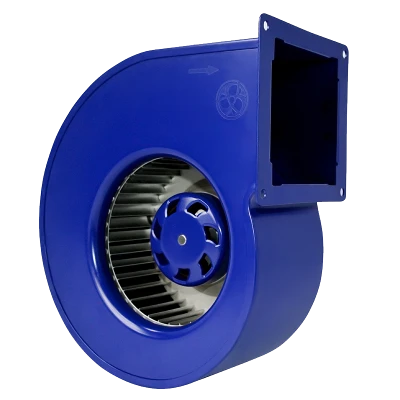
Before we discuss compatibility, it's essential to understand what centrifugal blowers are and how they function. Centrifugal blowers are mechanical devices that use a rotating impeller to increase the pressure and flow of air or gas. They operate on the principle of centrifugal force, where the impeller accelerates the air radially outward, converting the kinetic energy into pressure energy. This results in a high-pressure, high-volume airflow, making centrifugal blowers ideal for applications that require significant air movement against resistance, such as ventilation, air handling, and industrial processes.
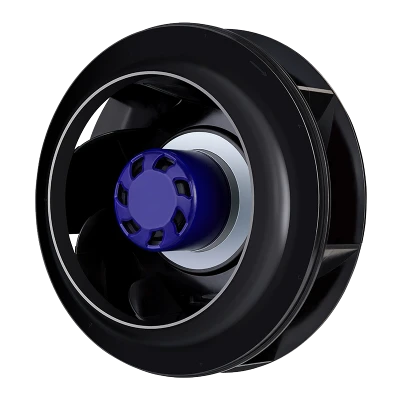
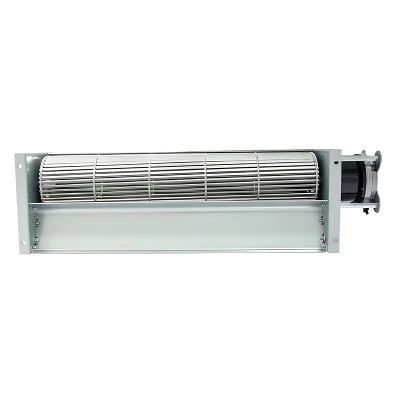
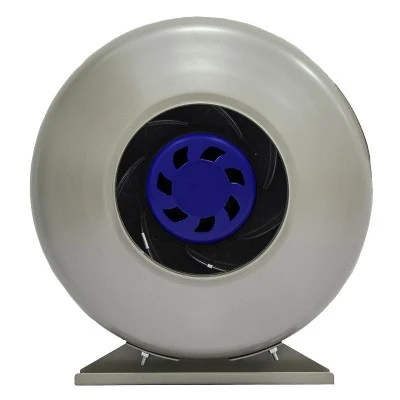
Our company offers a diverse range of centrifugal blowers, including the 160mm EC Single Inlet Blower Centrifugal Fan, 2023 New Products Single Inlet Mini Centrifugal Blower Single Inlet Blower, 120mm Dc forward Centrifugal Exhaust Fan Blower for Ventilation, AC/EC 230V Backward/forward Centrifugal Fan Inline Duct Ventilation Exhaust Fan Single/double Inlet Fan, and 160mm Dc Blower Impeller Centrifugal Fan forward Curved for Air Handling Units. Each of these products is designed to meet specific ventilation requirements, offering a combination of high performance, energy efficiency, and reliability.
Factors Affecting Compatibility
The compatibility of centrifugal blowers with other ventilation equipment depends on several factors, including airflow requirements, pressure ratings, power supply, and control systems. Let's take a closer look at each of these factors:
Airflow Requirements
One of the primary considerations when integrating centrifugal blowers with other ventilation equipment is the airflow requirements of the system. The blower must be able to deliver the required volume of air to meet the ventilation needs of the space or process. This means that the airflow capacity of the blower should be compatible with the airflow requirements of other components in the system, such as air ducts, filters, and diffusers.
For example, if a ventilation system requires a high volume of air to be circulated through a large space, a centrifugal blower with a high airflow capacity would be necessary. On the other hand, if the system is designed for a smaller space or a more specific application, a blower with a lower airflow capacity may be sufficient. It's important to carefully assess the airflow requirements of the entire system to ensure that the centrifugal blower is properly sized and compatible.
Pressure Ratings
In addition to airflow requirements, the pressure ratings of the centrifugal blower and other ventilation equipment must also be compatible. Pressure is a measure of the resistance that the blower must overcome to move air through the system. Different components in a ventilation system, such as ductwork, filters, and dampers, can create resistance, which affects the pressure requirements of the system.
The centrifugal blower must have a pressure rating that is sufficient to overcome the total resistance of the system. If the blower's pressure rating is too low, it may not be able to deliver the required airflow, resulting in poor ventilation performance. Conversely, if the pressure rating is too high, it can lead to excessive energy consumption and increased wear and tear on the equipment. Therefore, it's crucial to match the pressure ratings of the blower and other components to ensure optimal system performance.
Power Supply
Another important factor to consider when determining compatibility is the power supply of the centrifugal blower and other ventilation equipment. The blower must be compatible with the available power source in terms of voltage, frequency, and phase. Most centrifugal blowers are available in a range of power options, including AC and DC, to accommodate different electrical systems.
When selecting a centrifugal blower, it's essential to ensure that the power supply requirements match those of the other equipment in the system. This may involve consulting with an electrical engineer or a ventilation specialist to determine the appropriate power supply configuration for the entire system.
Control Systems
The control systems used in a ventilation system also play a crucial role in determining compatibility. Centrifugal blowers can be controlled using a variety of methods, including manual switches, variable frequency drives (VFDs), and building automation systems (BAS). The control system of the blower must be compatible with the control systems of other components in the system to ensure coordinated operation and efficient energy management.
For example, if a ventilation system is equipped with a BAS, the centrifugal blower should be able to communicate and interface with the BAS to receive control signals and adjust its operation accordingly. This allows for centralized control and monitoring of the entire ventilation system, improving energy efficiency and system performance.
Compatibility with Different Types of Ventilation Equipment
Centrifugal blowers can be integrated with a wide range of other ventilation equipment, including air ducts, filters, dampers, heat exchangers, and exhaust fans. Here's a closer look at how our centrifugal blowers can work with some of these common ventilation components:
Air Ducts
Air ducts are used to distribute the air from the centrifugal blower to different areas of a building or process. The size, shape, and layout of the air ducts can have a significant impact on the performance of the ventilation system. Our centrifugal blowers are designed to be compatible with a variety of air duct systems, providing a high-pressure airflow that can effectively overcome the resistance of the ducts.
When designing a ventilation system, it's important to ensure that the air ducts are properly sized and installed to minimize resistance and ensure efficient airflow. Our technical team can provide guidance on the selection and installation of air ducts to ensure optimal compatibility with our centrifugal blowers.
Filters
Filters are an essential component of any ventilation system, as they help to remove dust, dirt, and other contaminants from the air. The type and efficiency of the filters can affect the airflow and pressure requirements of the system. Our centrifugal blowers are capable of working with different types of filters, including particulate filters, activated carbon filters, and HEPA filters.
When selecting filters for a ventilation system, it's important to consider the filter's efficiency rating, pressure drop, and compatibility with the centrifugal blower. Our experts can assist in choosing the right filters to ensure optimal performance and compatibility with our blowers.
Dampers
Dampers are used to control the airflow and direction in a ventilation system. They can be manually operated or automated, depending on the specific requirements of the system. Our centrifugal blowers can be integrated with dampers to provide precise control over the airflow and pressure in the system.
When using dampers in a ventilation system, it's important to ensure that they are properly sized and installed to minimize resistance and ensure efficient operation. Our technical team can provide guidance on the selection and installation of dampers to ensure optimal compatibility with our centrifugal blowers.
Heat Exchangers
Heat exchangers are used to transfer heat between two fluids, such as air and water. They are commonly used in ventilation systems to recover heat from the exhaust air and preheat the incoming fresh air, improving energy efficiency. Our centrifugal blowers can be used in conjunction with heat exchangers to provide the necessary airflow for the heat transfer process.
When integrating heat exchangers with our centrifugal blowers, it's important to consider the airflow and pressure requirements of the heat exchanger. Our experts can assist in choosing the right heat exchanger and optimizing the system design to ensure optimal performance and compatibility.
Exhaust Fans
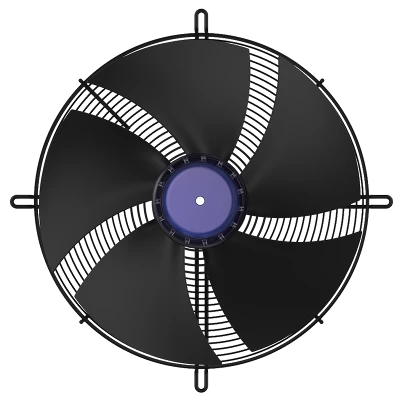
Exhaust fans are used to remove stale air and pollutants from a building or process. They can be installed in combination with centrifugal blowers to provide a complete ventilation solution. Our centrifugal blowers can work in tandem with exhaust fans to ensure efficient air movement and ventilation.
When connecting exhaust fans to our centrifugal blowers, it's important to consider the airflow and pressure requirements of the exhaust fans. Our technical team can provide guidance on the selection and installation of exhaust fans to ensure optimal compatibility with our centrifugal blowers.
Conclusion
In conclusion, our centrifugal blowers are highly compatible with a wide range of other ventilation equipment, provided that the appropriate factors, such as airflow requirements, pressure ratings, power supply, and control systems, are carefully considered. By working closely with our customers and providing expert guidance, we can ensure that our centrifugal blowers are seamlessly integrated into their ventilation systems, delivering optimal performance, energy efficiency, and reliability.
If you are in the process of designing or upgrading a ventilation system and are considering the use of centrifugal blowers, we invite you to contact us for more information. Our team of experts is ready to assist you in selecting the right equipment and ensuring its compatibility with your existing or planned ventilation setup. Let's work together to create a ventilation solution that meets your specific needs and exceeds your expectations.
References
- ASHRAE Handbook - Fundamentals. American Society of Heating, Refrigerating and Air-Conditioning Engineers.
- Fan Engineering, 9th Edition. Buffalo Forge Company.
- HVAC Systems Design Handbook. Mc-Graw Hill Education.