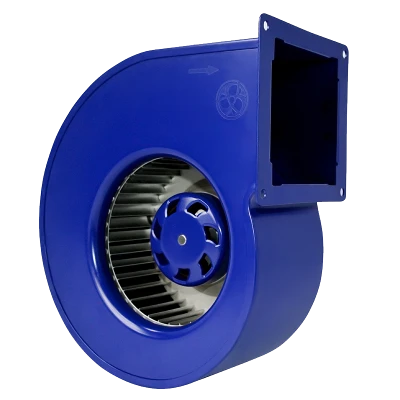
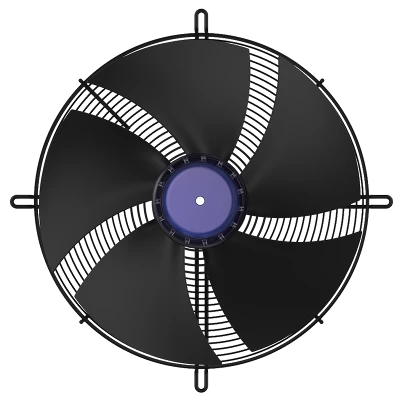
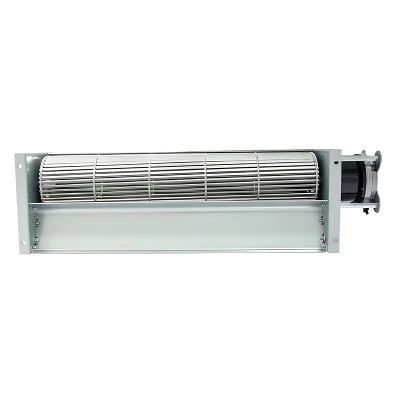
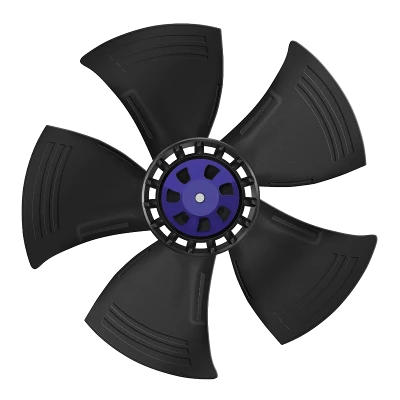
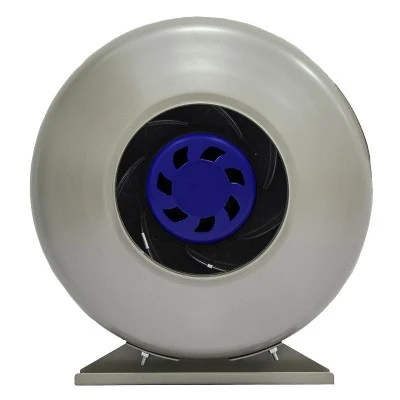
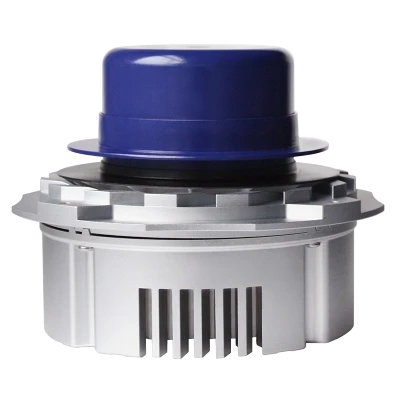

Hey there! As a supplier of backward centrifugal fans, I've had the chance to dig deep into the special needs of different industries. Today, I'm gonna focus on the textile industry. Let's talk about what makes the requirements for backward centrifugal fans in this industry so unique.
1. Dust and Lint Resistance
The textile industry is notorious for generating tons of dust and lint. Fabrics are constantly being cut, woven, and processed, which releases all sorts of fine particles into the air. These particles can be a real headache for fans. If a fan isn't designed to handle them, it'll quickly get clogged up.
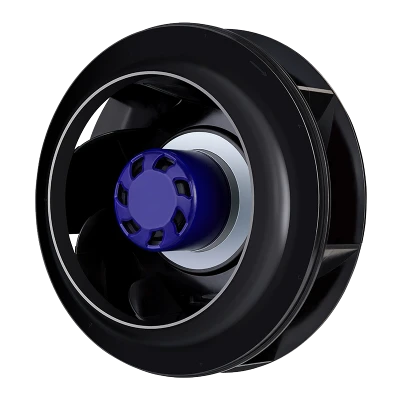
Backward centrifugal fans used in the textile industry need to have a high level of dust and lint resistance. The impellers, for example, should be made of materials that don't attract or hold onto these particles easily. Smooth surfaces are a must. Also, the fan's housing should be sealed well to prevent dust from getting inside and causing damage to the motor or other internal components.
Our 400mm Ec Backward Curve Centrifugal Fan Exhaust Fan for Communication is a great example. It's designed with a special coating on the impeller that repels dust and lint. This means it can keep running efficiently for a long time, even in a dusty textile environment.
2. High Airflow and Pressure Requirements
Textile factories have large areas that need proper ventilation. There are spinning machines, looms, and drying equipment, all of which generate heat and moisture. To keep the air quality in check and prevent overheating, backward centrifugal fans need to provide high airflow and pressure.
High airflow is necessary to move a large volume of air through the factory quickly. This helps in removing the heat and moisture generated by the machines. At the same time, high pressure is required to push the air through ductwork and around obstacles in the factory layout.
Our 190mm EC Backward Industrial Cooling Fans for Refrigeration Equipment are built to deliver just that. They can produce a significant amount of airflow and pressure, making them ideal for keeping the textile production areas well - ventilated.

3. Noise Reduction
In a textile factory, there are already a lot of noisy machines. The last thing workers need is a loud fan adding to the noise pollution. Excessive noise can not only be annoying but also cause long - term hearing problems.
Backward centrifugal fans for the textile industry should be designed to run quietly. This can be achieved through careful design of the impeller and the housing. The shape of the impeller can be optimized to reduce the turbulence of the air, which in turn reduces noise. Additionally, using high - quality bearings can also help minimize noise.
Our 310mm EC High Quality Centrifugal Fan Backward Extractor Fan with Light has been engineered with noise reduction in mind. It operates at a low noise level, ensuring a more comfortable working environment in the textile factory.
4. Corrosion Resistance
Textile processes often involve the use of chemicals such as dyes, bleaches, and finishing agents. These chemicals can be corrosive to the metal parts of the fans. If a fan isn't corrosion - resistant, it'll start to deteriorate quickly, reducing its lifespan and performance.
The materials used in backward centrifugal fans for the textile industry should be able to withstand the exposure to these chemicals. Stainless steel is a popular choice for the impellers and housing as it has excellent corrosion resistance.
Our 355mm EC Backward Curve Centrifugal Fan Ec Fan Manufacturers 115v for Ventilation features a stainless - steel construction, making it highly resistant to corrosion. This ensures that it can last a long time in the harsh chemical - laden environment of a textile factory.
5. Energy Efficiency
Energy costs are a major concern for textile manufacturers. The fans in a textile factory usually run for long hours, so even a small improvement in energy efficiency can lead to significant cost savings over time.
Backward centrifugal fans should be designed to be energy - efficient. This can be achieved through the use of high - efficiency motors and well - designed impellers. Advanced control systems can also be integrated to adjust the fan speed according to the actual demand, further reducing energy consumption.
Our 400mm EC Motor Fan High Pressure 30W - 4300W Ball Bearings Fan Bracket Centrifugal Fan is equipped with an energy - efficient EC motor. It consumes less power compared to traditional motors while still delivering high performance.
Conclusion
In conclusion, the textile industry has some very specific requirements for backward centrifugal fans. From dust and lint resistance to energy efficiency, each aspect plays a crucial role in ensuring the proper functioning of the fans in a textile factory.
If you're in the textile industry and looking for high - quality backward centrifugal fans that meet these special requirements, feel free to reach out. We're here to help you find the perfect solution for your ventilation needs. Whether it's a large - scale factory or a small workshop, we've got the right fans for you. Contact us today to discuss your project and let's work together to improve the air quality and efficiency of your textile operation.
References
- Industry reports on textile manufacturing processes and ventilation requirements.
- Technical documents on the performance and design of backward centrifugal fans.