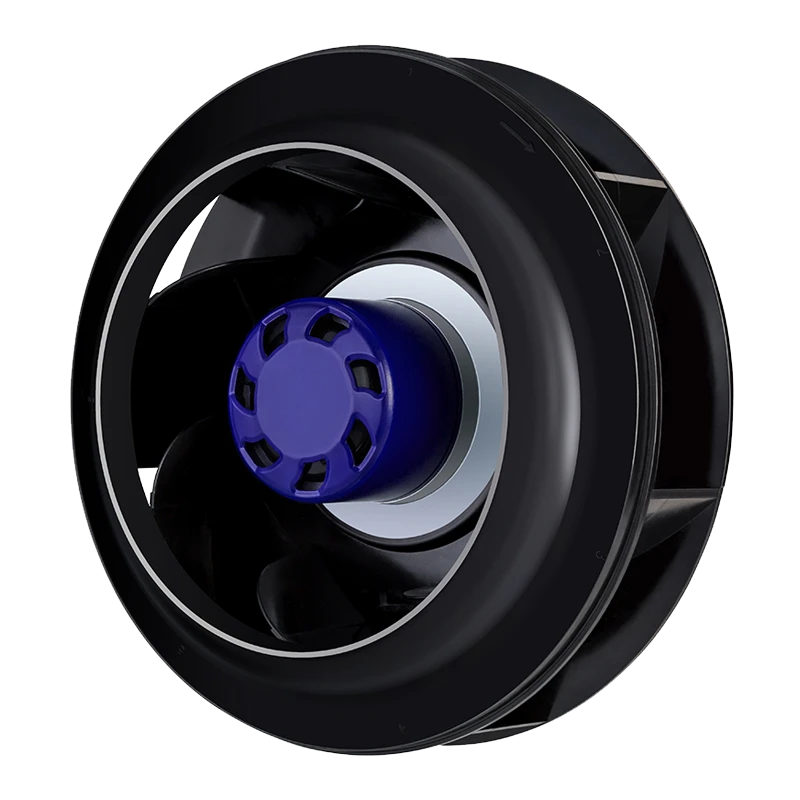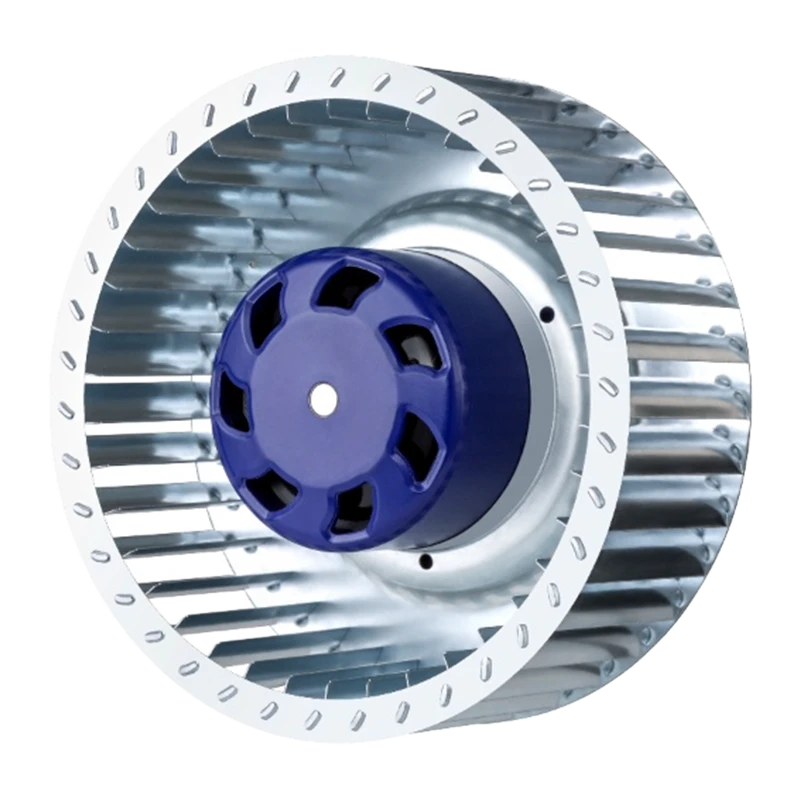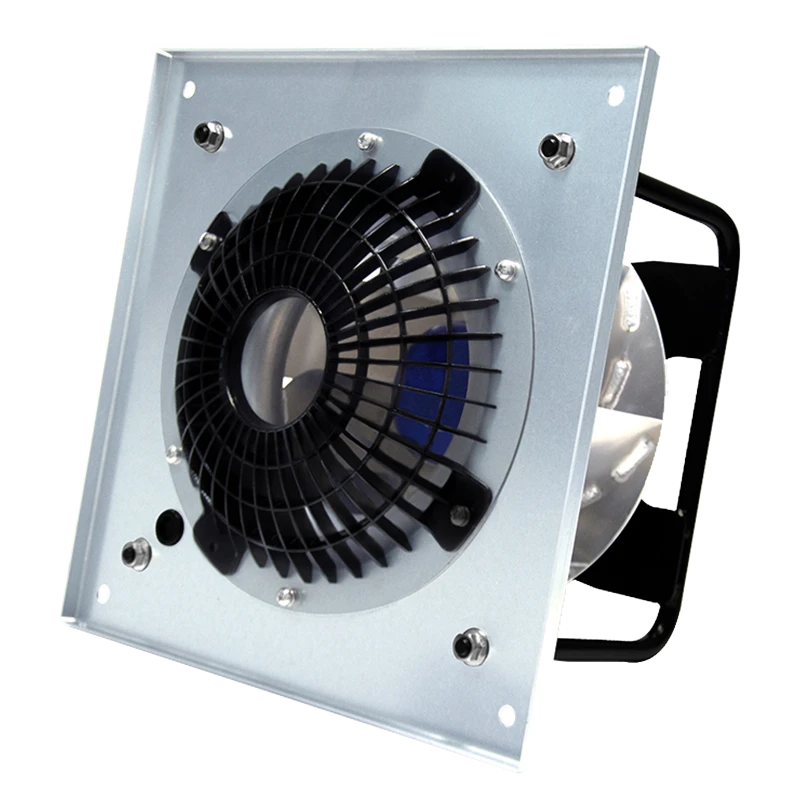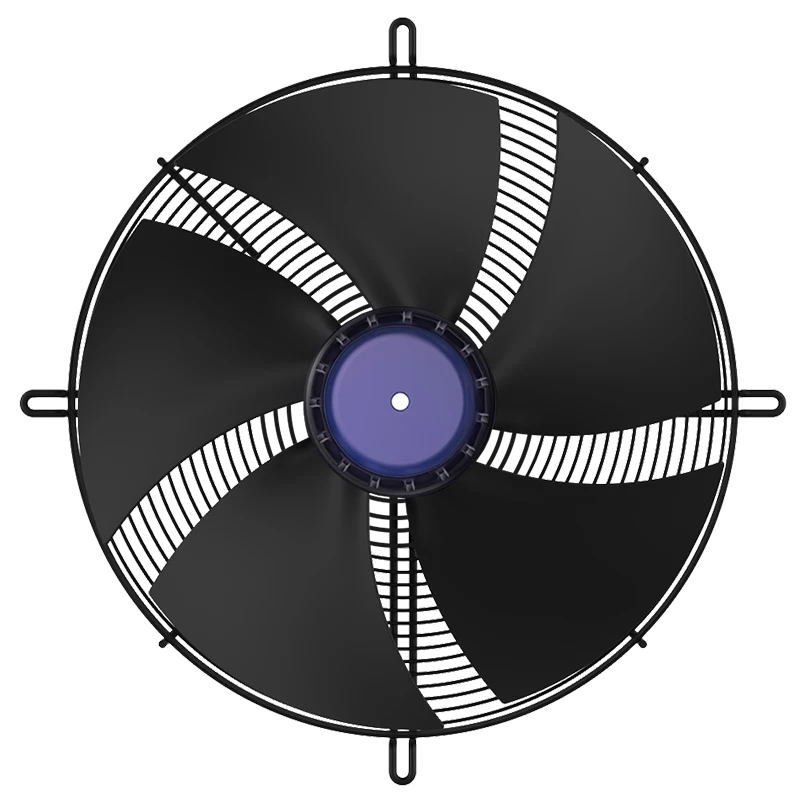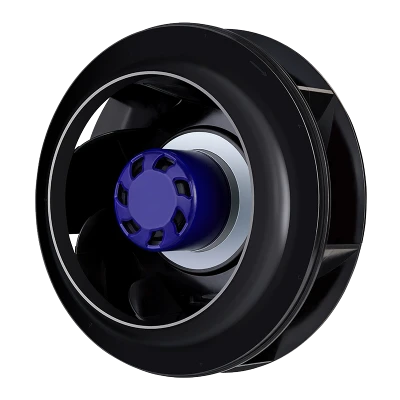
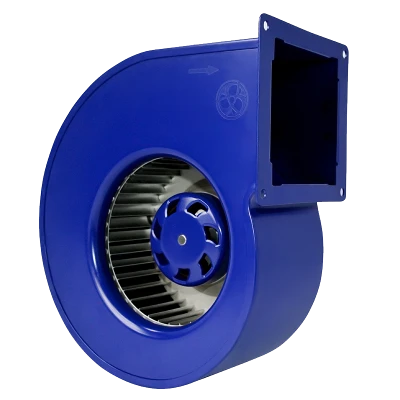
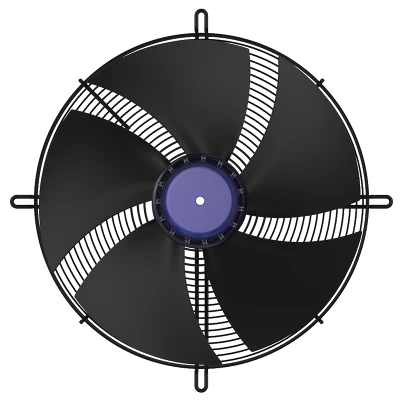
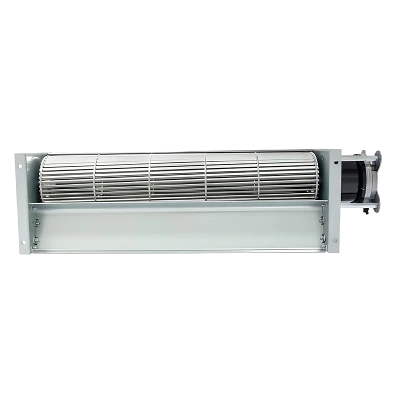

If you've ever been involved in specifying, purchasing, or installing air movement equipment-whether for commercial HVAC, industrial ventilation, or even process cooling-you've likely encountered EC centrifugal motor fans. These aren't your average fan components; their electronically commutated (EC) motors deliver superior energy efficiency compared to traditional AC models, making them a go-to choice for businesses looking to cut utility costs and reduce their carbon footprint. But if you're a supplier like me, or someone in the market for these fans, you might be asking: Are there specific energy-saving regulations that govern EC centrifugal motor fans? The short answer is yes, and navigating these rules is critical to ensuring your products meet compliance standards, your projects avoid costly delays, and you're investing in equipment that actually delivers on its efficiency promises.
I've been in the business of providing high-performance EC centrifugal motor fans for over a decade, and I've watched energy regulations evolve from vague guidelines to strict, standardized requirements across regions. What many people don't realize is that these regulations aren't one-size-fits-all; they vary by country, application, and even the specific type of fan you're working with. For example, in the European Union, the ErP (Energy-related Products) Directive has been a major driver of efficiency improvements for air movement equipment, while in the U.S., the Department of Energy (DOE) has set minimum energy efficiency standards for both residential and commercial fans. Let's break down what these regulations mean for EC centrifugal motor fans, and how suppliers and specifiers can stay compliant.

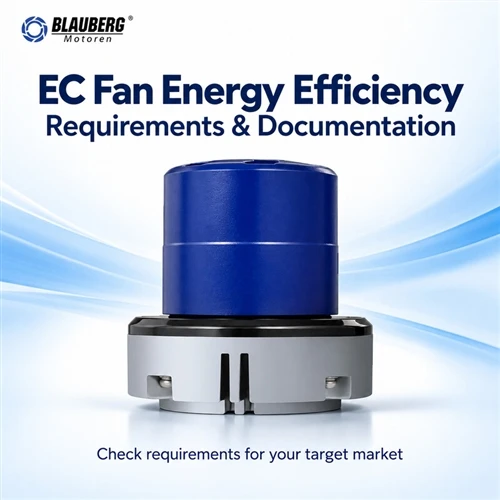
First, let's clarify what makes EC centrifugal motor fans different-and why they're at the center of these regulations. Unlike AC motors, which rely on alternating current and have fixed speed control (wasting energy when demand is low), EC motors use direct current (DC) with built-in electronics to adjust speed precisely based on airflow needs. This variable speed capability is where their efficiency shines; they can use up to 50% less energy than AC fans in the same application. Regulators have taken notice of this potential, and many regions now have specific rules that either mandate EC motors in certain use cases or set minimum efficiency levels that EC fans must meet to be sold.
Take the EU's ErP Directive, which was updated most recently in 2021 to cover ventilation products for residential and commercial use. For EC centrifugal motor fans used in HVAC systems, the directive sets strict efficiency thresholds based on the fan's total efficiency (a measure of how well the fan converts electrical energy into airflow) and motor efficiency. For example, fans used in small residential ventilation systems must have a total efficiency of at least 0.35, while larger commercial units need to hit 0.40 or higher. What's important here is that traditional AC fans struggle to meet these thresholds without additional components, but EC motors-when designed correctly-consistently exceed them. As a supplier, I make sure every fan we offer is tested to meet or exceed these ErP standards, because selling non-compliant equipment can result in fines, product recalls, and lost reputation.
In the U.S., the DOE has implemented minimum energy efficiency standards for central air conditioners and heat pumps that include fans, but there are also separate standards for commercial and industrial fans. For EC centrifugal motor fans used in general ventilation, the DOE's 2020 standards require that fan motors above 1 horsepower have an efficiency of at least 90%, which is easily achievable with modern EC technology. For smaller fans (below 1 horsepower), the standards are also being tightened to phase out low-efficiency AC motors by 2025. I frequently work with contractors and engineers who need these DOE-compliant fans for federal or state-funded projects, and our lineup of EC centrifugal motor fans-including models like the Blauberg MEC3L-72-25P 72mm 230V 115W EC Motor and the 230v 115W Big Motor Ec Centrifugal Fan Brushless Motor-are all tested to meet these requirements, so our clients never have to worry about compliance.
Beyond regional regulations, there are also industry-specific standards that apply to EC centrifugal motor fans. For example, in the data center industry, where cooling fans run 24/7, many operators voluntarily adopt stricter efficiency standards to reduce operational costs, but some data center certifications (like Uptime Institute's Tier Standard) require fans to meet certain efficiency levels. In industrial applications, such as warehouse ventilation or paint booth exhaust, OSHA has safety standards that overlap with energy efficiency rules, requiring fans to be both safe and energy-efficient. This is where EC fans really stand out; their variable speed control allows them to adjust to changing air quality or temperature needs, so they don't waste energy blowing air when it's not needed-helping businesses meet both OSHA safety rules and energy goals.
Which centrifugal fan models should you review?

Blauberg BE-B400H-EC-05 400mm DC Backward Centrifugal Fan
View product details and specifications.
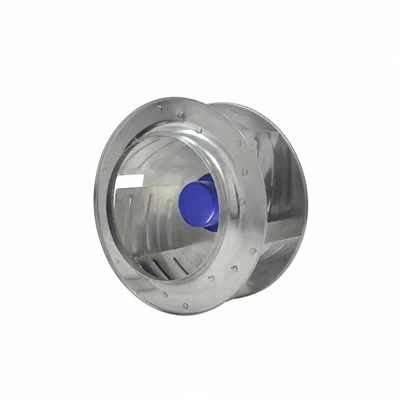
Blauberg BE-B400D-EC-05 400mm DC Backward Centrifugal Fan
View product details and specifications.
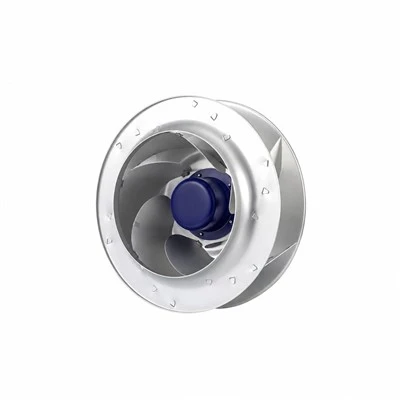
Blauberg BE-B355C-EC-05 355mm DC Backward Centrifugal Fan
View product details and specifications.
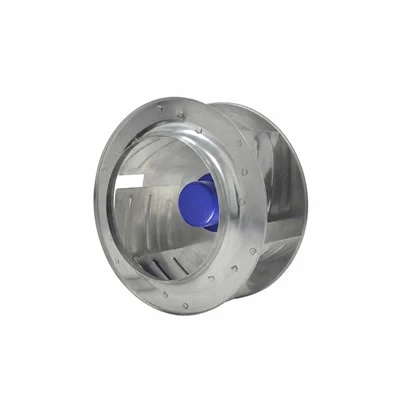
Blauberg BN-B310C-EC-01 310mm DC Backward Centrifugal Fan
View product details and specifications.
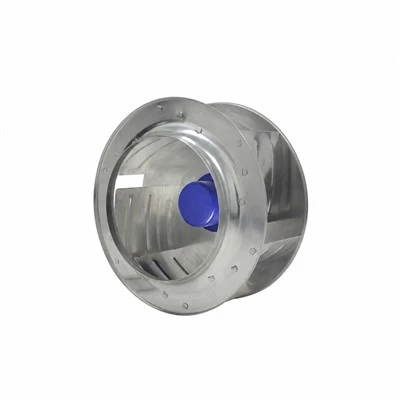
Blauberg BE-B310D-EC-N07 310mm DC Backward Centrifugal Fan
View product details and specifications.
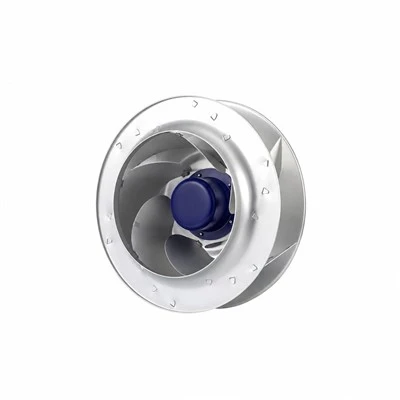
Blauberg BE-B310D-EC-05 310mm DC Backward Centrifugal Fan
View product details and specifications.
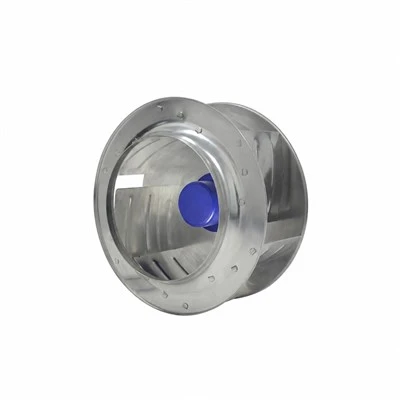
Blauberg BE-B310C-EC-01 310mm DC Backward Centrifugal Fan
View product details and specifications.
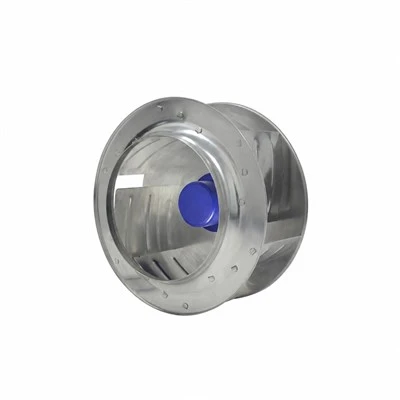
Blauberg BD-B310D-EC-N07 310mm DC Backward Centrifugal Fan
View product details and specifications.
One common misconception I hear is that all EC centrifugal motor fans are automatically energy-efficient and compliant. That's not true. Not all EC motors are created equal; some low-quality EC fans on the market cut corners on motor design or control electronics, resulting in efficiency levels that barely meet minimum standards, or in some cases, don't meet them at all. This is why it's important to source EC fans from reputable suppliers who can provide third-party test data showing compliance with regulations. For example, our 48V 85W 5060hz Motor Centrifugal Exhaust Fan Motor Blower Ec Fan Manufacturers line undergoes independent testing to verify its efficiency, so our customers can be confident they're investing in a product that meets all local, regional, and industry regulations.
Another key aspect of these regulations is labeling and documentation. In the EU, every EC centrifugal motor fan sold must have an ErP label that displays its efficiency rating, while in the U.S., DOE requires a yellow EnergyGuide label that shows the fan's energy use and estimated annual operating cost. These labels aren't just for show; they help specifiers choose the most efficient equipment for their projects and ensure that products on the market are transparent about their energy performance. As a supplier, I make sure every fan we ship comes with all required documentation, including test reports and compliance certificates, so our clients can easily pass inspections and meet project requirements.
What does this mean for the future of EC centrifugal motor fans? It's clear that regulations will only continue to get stricter as governments worldwide work to reduce greenhouse gas emissions. The International Energy Agency (IEA) estimates that improving the efficiency of motor-driven systems-including fans-could reduce global electricity use by 10% by 2030, which means more regions will adopt or update energy standards for these products. For suppliers like me, this is an opportunity to innovate; we're already working on next-generation EC fans with even higher efficiency ratings, smart control capabilities, and built-in connectivity to optimize performance in real time.
If you're a specifier, contractor, or facility manager working on a project that requires EC centrifugal motor fans, navigating these regulations doesn't have to be a headache. The key is to partner with a supplier who understands the compliance landscape, can provide verified compliant products, and can help you choose the right fan for your specific application. For example, our 230v Centrifugal Fans with External Rotor Motor 0-10v line is designed for commercial HVAC systems, with 0-10v speed control that makes it easy to integrate with building management systems, ensuring maximum efficiency while meeting all ErP and DOE standards. For smaller residential or light commercial projects, our 115v Motor Out Centrifugal Fan Motor 0-10v Motor Blower offers the same compliance and efficiency benefits in a compact, easy-to-install package.
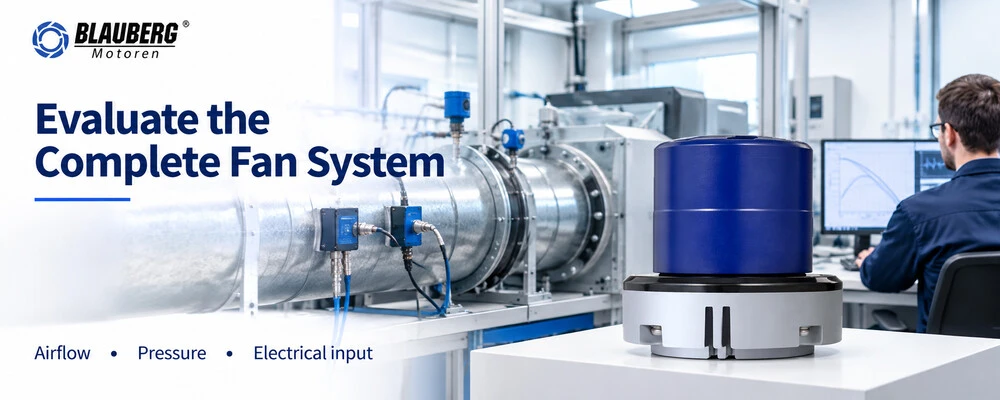
At the end of the day, energy-saving regulations for EC centrifugal motor fans aren't just red tape-they're a way to ensure that we're using our resources wisely, reducing energy costs for businesses and consumers, and minimizing the environmental impact of air movement systems. As someone who's seen the difference that high-quality EC fans can make for a client's bottom line, I'm passionate about helping people stay compliant while getting the most efficient, reliable equipment possible. If you're in the market for EC centrifugal motor fans and have questions about compliance, efficiency ratings, or choosing the right model for your project, we're here to help. Reach out to our team to discuss your needs and find the perfect solution that meets all regulatory requirements and delivers long-term value.
References
- European Commission. (2021). Energy-related Products (ErP) Directive: Ventilation Products. Retrieved from ec.europa.eu/energy/efficiency/erp
- U.S. Department of Energy. (2020). Minimum Energy Efficiency Standards for Commercial Fans. Retrieved from energy.gov
- International Energy Agency. (2023). The Future of Motor-Driven Systems: Efficiency Opportunities. Retrieved from iea.org
- Uptime Institute. (2022). Tier Standard for Data Centers: Energy Efficiency Requirements. Retrieved from uptimeinstitute.com
Category of Blauberg Products
Built on German engineering principles, focusing on precision, reliability, and long-term performance. Through efficient and scalable manufacturing, we deliver high-quality ventilation solutions with optimized cost structure, ensuring strong value for global OEM and project-based customers.