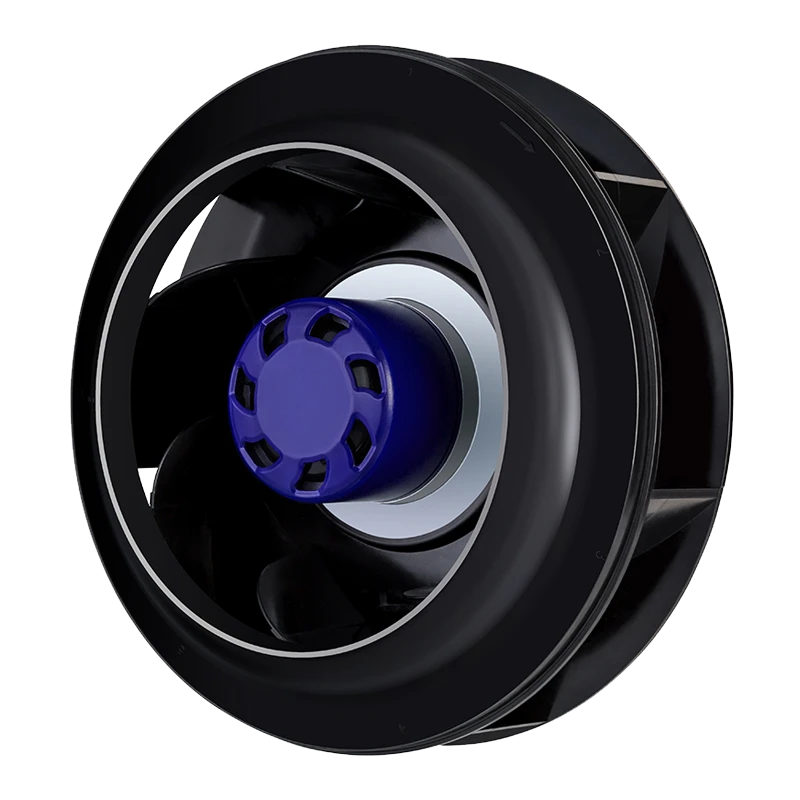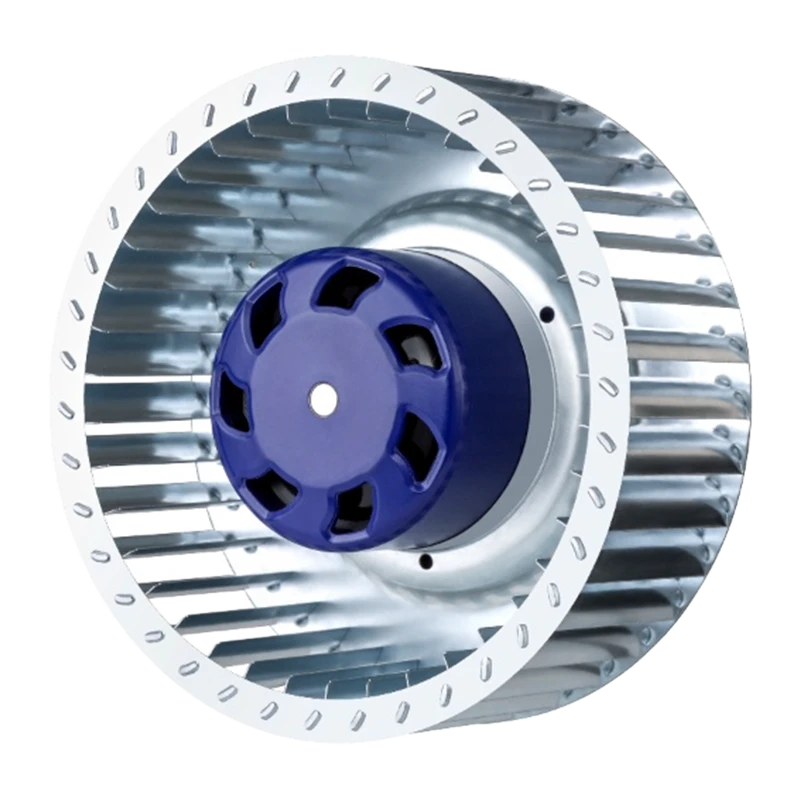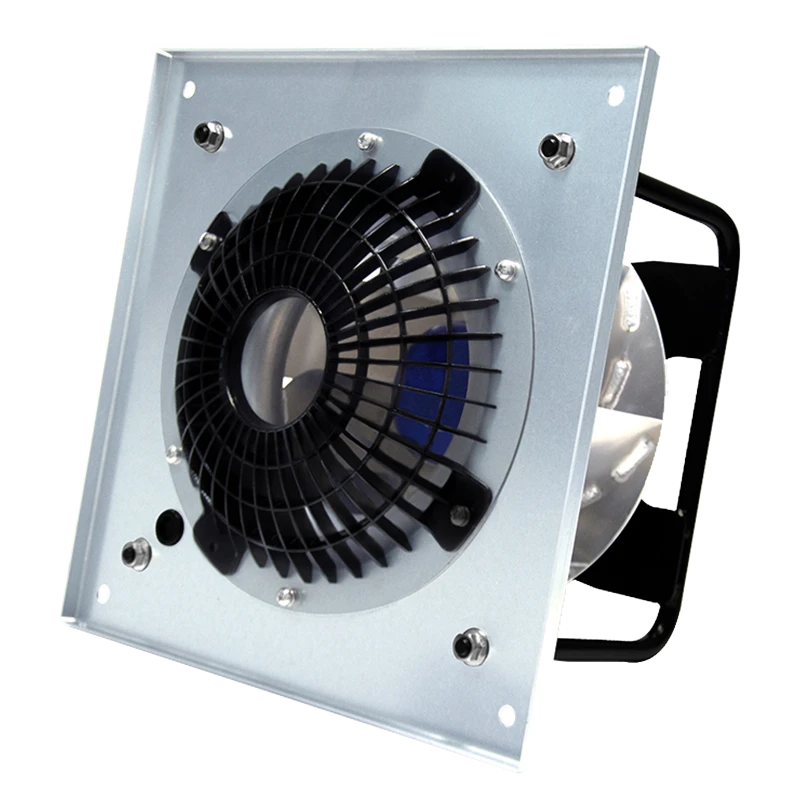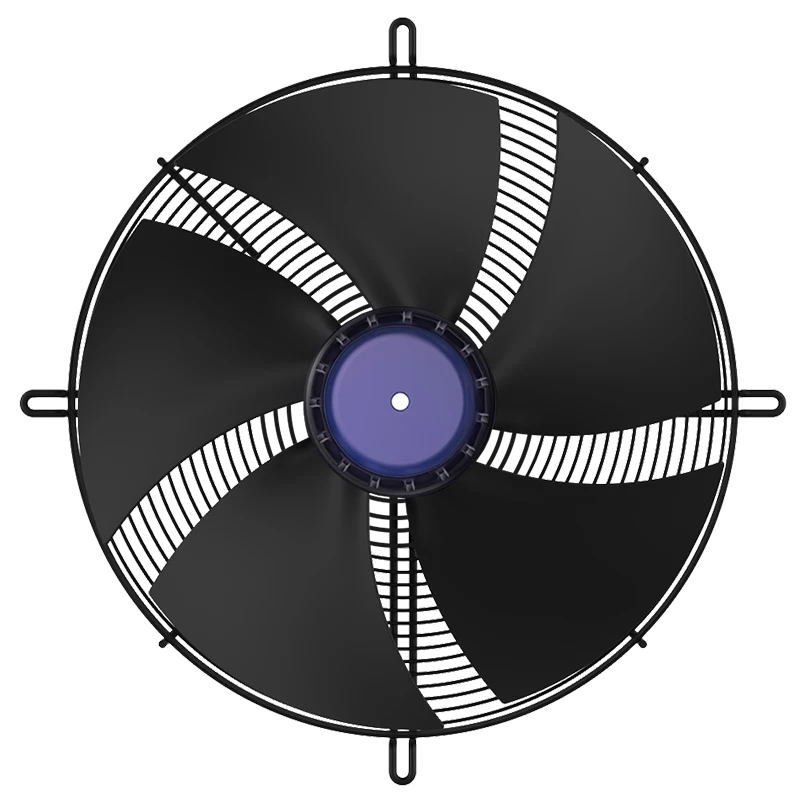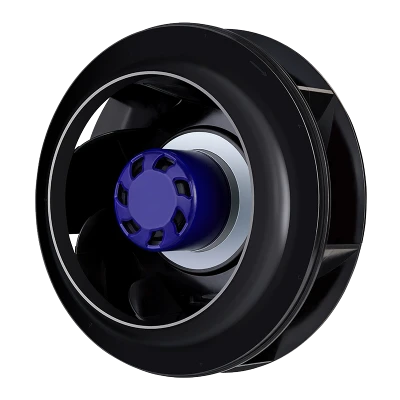
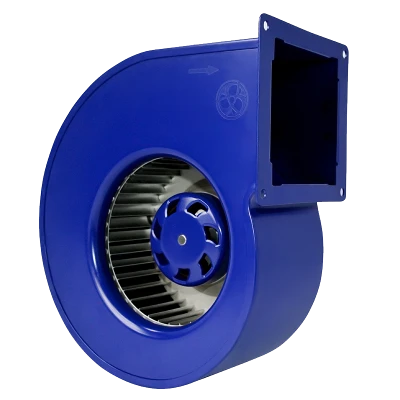
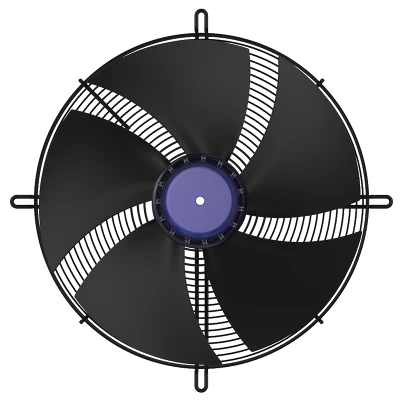
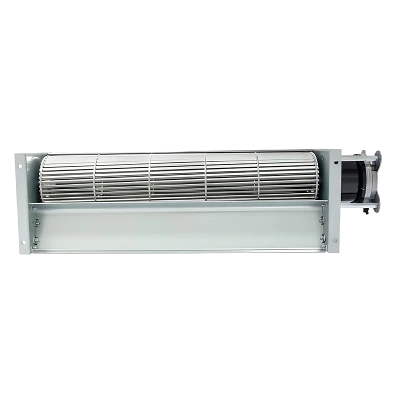
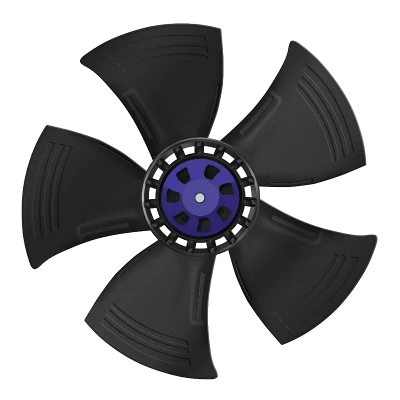
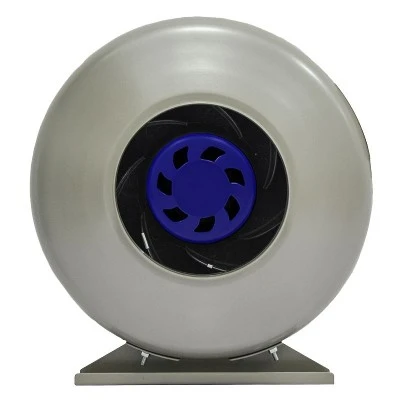
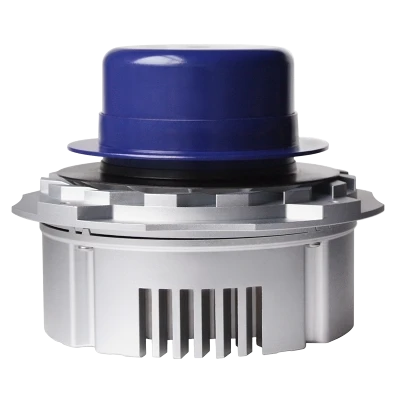

If you're in the market for air movement solutions-whether for industrial ventilation, commercial HVAC, or specialized applications like smoke extraction or cleanroom air handling-you've likely come across axial flow fans. As a supplier of axial flow fans with years of experience serving industries ranging from manufacturing to healthcare, I've seen firsthand how these fans outperform alternative technologies in many key scenarios. Unlike centrifugal fans, which push air outward in a radial direction, axial flow fans move air parallel to their axis of rotation, a simple yet elegant design that delivers unique advantages worth exploring. Let's break down the main benefits that make axial flow fans a go-to choice for so many operations, with real-world context from the products we offer and insights into how they solve common challenges.
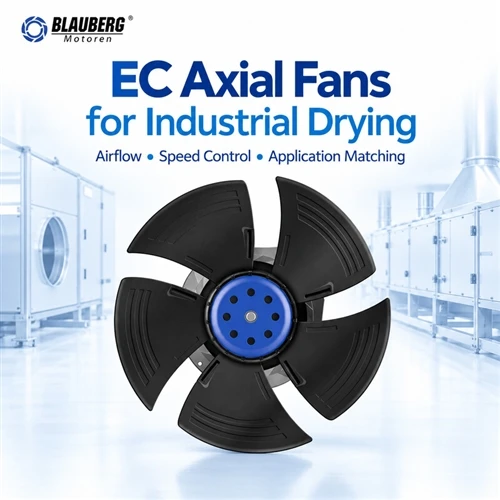
First and foremost, axial flow fans are exceptionally efficient at moving large volumes of air at low to medium pressure, a core strength that sets them apart from other fan types. Think of a tube aerator or the fan in a desktop computer: they move a lot of air without requiring a lot of extra energy, and that same logic scales up to industrial and commercial applications. For example, when your facility needs to exhaust stale air from a warehouse, cool a production line, or supply fresh air to a crowded retail space, you don't need to push air through tight, restrictive ductwork at high pressure-you just need to move as much air as possible as quickly as you can. Axial flow fans excel here because their straight-through design minimizes air resistance, meaning almost every bit of the motor's energy goes toward moving air instead of wasting it on redirecting airflow. This efficiency translates directly to lower operational costs for our customers, a big selling point in an era where energy prices are a top concern for every business. That's why our line of EC-powered axial fans, which combine electronically commutated motors with axial design, consistently hit high efficiency benchmarks: take our 400mm EC Axial Fan High Efficiency Centrifugal Fan, for instance, which is engineered to deliver 10% better airflow than comparable AC models while using 15% less energy, making it perfect for 24/7 ventilation applications.

Another major advantage is their compact, lightweight, and modular design, which makes them easy to install, integrate, and adjust to fit tight or unique spaces. Industrial facilities, commercial buildings, and even specialized setups like cleanrooms often have limited room for ventilation equipment-you can't always carve out space for bulky ductwork or large fan assemblies. Axial flow fans, with their cylindrical shape and small footprint, can be mounted directly in wall openings, ceiling vents, or inline duct runs without major structural modifications. They're also much lighter than centrifugal fans of the same airflow capacity, which eases installation on rooftops, suspended ceilings, or mezzanine floors where weight limits are a concern. For smaller applications, like spot cooling a machine or ventilating a small commercial bathroom, compact axial fans are ideal: our 200mm EC Brushless Axial Fan Air Flow Ventilation Industrial Axial Blower Exhaust Fan is just 200mm in diameter, making it easy to fit into tight spaces without sacrificing performance. What's more, many axial fans (including our EC models) are modular, meaning you can link multiple fans together to create a unified airflow system. For example, in a cleanroom or pharmaceutical facility, you can group fans to feed an FFU (Fan Filter Unit) system-our 450mm EC Smoke Exhaust Speed Control Axial Fan for FFU Groups is designed specifically for this use case, with speed control that lets you match airflow to the needs of different cleanroom zones, from manufacturing to packaging.
Which EC axial fan models should you review?
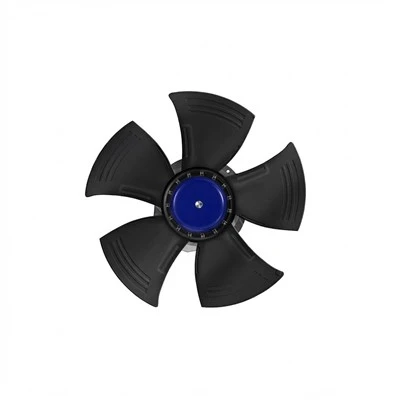
Blauberg BL-A500C-EC-05 500mm EC Axial Fan
View product details and specifications.
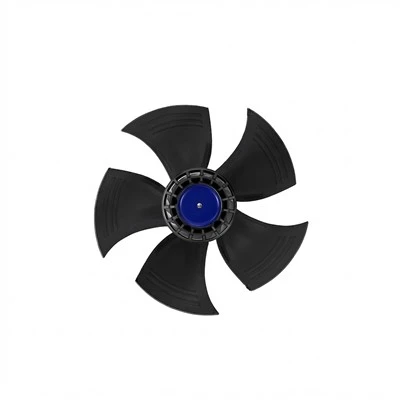
Blauberg BL-A450C-EC-05 450mm EC Axial Fan
View product details and specifications.
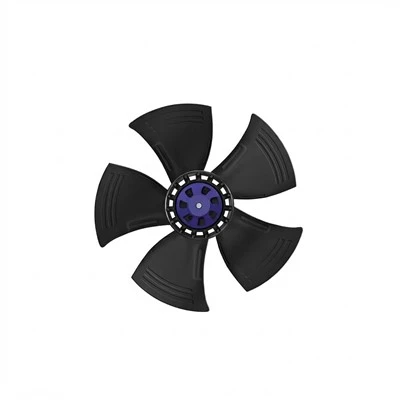
Blauberg BL-A400C-EC-07 400mm EC Axial Fan
View product details and specifications.
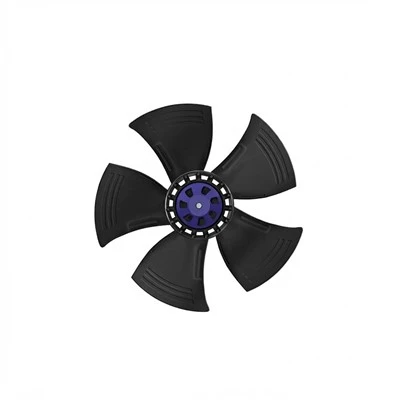
Blauberg BL-A400C-EC-05 400mm EC Axial Fan
View product details and specifications.
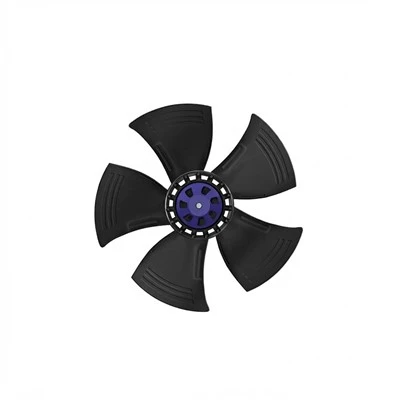
Blauberg BC-A400C-EC-07 400mm EC Axial Fan
View product details and specifications.
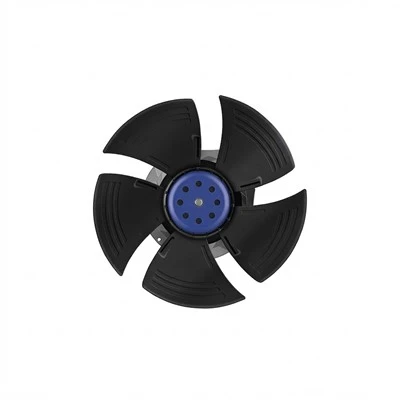
Blauberg BL-A350C-EC-F05 350mm EC Axial Fan
View product details and specifications.
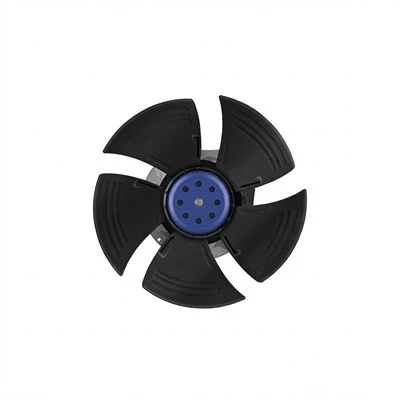
Blauberg BL-A350C-EC-07 350mm EC Axial Fan
View product details and specifications.
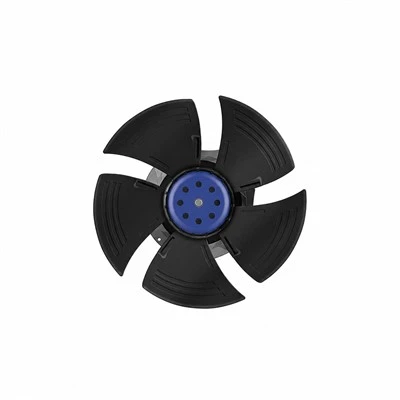
Blauberg BL-A350C-EC-05 350mm EC Axial Fan
View product details and specifications.
Versatility across a wide range of applications is another key benefit of axial flow fans, which can be customized to handle everything from routine ventilation to specialized, demanding tasks. Unlike some fan types that are limited to one or two uses, axial flow fans can be adapted with different blade designs, motor types, and housing materials to suit almost any environment. For general industrial ventilation, our standard EC axial fans (like the 400mm Axial Flow Industrial EC Axial Fan High Efficiency Centrifugal Fan) handle everyday needs like removing heat from machinery or exchanging air in a factory. For smoke exhaust-critical in commercial buildings, warehouses, and stairwells to keep escape routes safe during fires-axial fans excel because they can move large volumes of hot, turbulent air quickly without clogging, especially when paired with speed controls that adjust to rising temperatures. We also have models designed for specific environments, like the Blauberg BL-A350C-EC-F05 350mm EC Axial Fan, which is built with corrosion-resistant housing to handle humid or chemically aggressive spaces, like food processing plants or chemical storage facilities. This adaptability means axial flow fans aren't just a "one-size-fits-all" solution; they're tailored to solve specific problems, which is why we work with customers across industries to match their unique needs to the right model.
Durability and low maintenance round out the core advantages of axial flow fans, a big plus for businesses that rely on continuous operation without costly downtime. Axial flow fans have fewer moving parts than many other fan types-no complex impeller housings, no intricate duct connections, just a motor and blades-so there's less that can go wrong. The blades, often made of heavy-duty plastic, aluminum, or galvanized steel, are designed to withstand repeated use, even in dusty, humid, or high-vibration environments. EC motors, which we use across most of our axial fan line, have a longer lifespan than traditional AC motors, with fewer brush-related components that wear out over time. This translates to lower maintenance costs: instead of scheduling frequent repairs or part replacements, you can rely on axial fans to run smoothly for years with only basic upkeep, like periodic cleaning of the blades to remove dust or debris. For industrial facilities that run 24 hours a day, 7 days a week, this reliability is invaluable-unplanned downtime for ventilation can disrupt production, compromise air quality, or even create safety hazards, so choosing a durable, low-maintenance fan is a smart long-term investment.
Of course, it's important to note that axial flow fans aren't the right choice for every scenario-they work best when you need high airflow at low to medium pressure, rather than moving air through long, restrictive ductwork or against high resistance. But for the vast majority of ventilation, cooling, and exhaust applications, their advantages make them the optimal pick. As an axial flow fan supplier, we've seen customers come to us looking for solutions to specific pain points: high energy bills, cramped installation spaces, hard-to-handle applications, or frequent maintenance issues, and in many cases, an axial flow fan addresses all of those. Whether you're outfitting a new facility, upgrading an old ventilation system, or need a specialized fan for a unique task, our range of axial flow fans-from compact 200mm models for small spaces to large 450mm units for FFU groups-are designed to deliver the efficiency, versatility, and durability your operation needs.

If you're ready to learn more about how an axial flow fan can benefit your specific application, or if you'd like to discuss custom solutions for your ventilation, cooling, or exhaust needs, don't hesitate to reach out. Our team has years of experience working with businesses across industries, and we're here to help you find the right fan to fit your budget, space, and performance requirements. We're committed to providing high-quality axial flow fans that solve real problems, and we're ready to partner with you to take your air movement system to the next level.
References
- ASHRAE. (2021). HVAC Systems and Equipment Handbook: Fans and Ventilation. American Society of Heating, Refrigerating and Air-Conditioning Engineers.
- Miller, D. S. (2019). Fan Engineering: Handbook of Airflow Systems. Elsevier.
- Blauberg Group. (2022). Axial Flow Fan Technology and Application Guide. Blauberg Ventilation Systems.
- U.S. Department of Energy. (2020). Energy-Efficient Fans for Commercial and Industrial Applications. Office of Energy Efficiency and Renewable Energy.
Category of Blauberg Products
Built on German engineering principles, focusing on precision, reliability, and long-term performance. Through efficient and scalable manufacturing, we deliver high-quality ventilation solutions with optimized cost structure, ensuring strong value for global OEM and project-based customers.