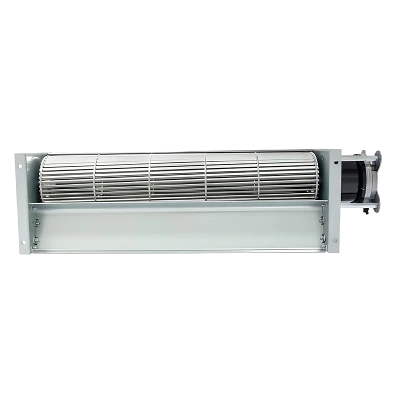
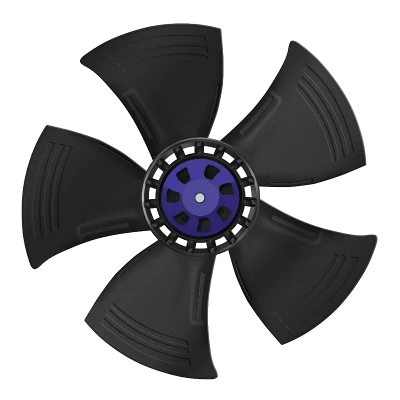
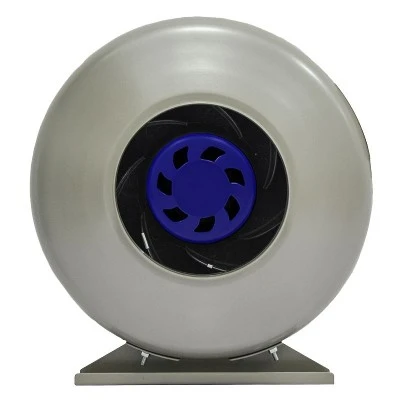
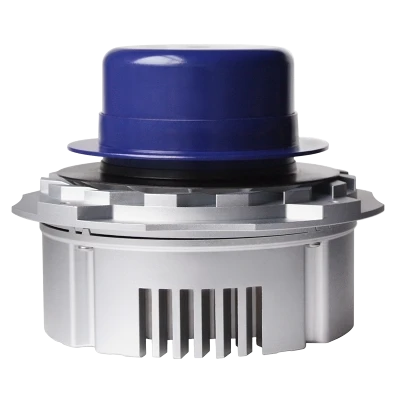

If you're running commercial or industrial HVAC systems, air purification units, or electronic equipment cooling setups, you've probably encountered a common pain point: forward centrifugal fans delivering too much or too little airflow for your space. As a supplier who's worked with engineers, facility managers, and small business owners for years, I've seen firsthand how misadjusted fan air volume leads to wasted energy, uneven temperature control, or even premature fan wear. Forward centrifugal fans, with their curved forward blades, are prized for high static pressure and compact sizing-so getting their airflow right is non-negotiable. Today, I'll break down practical, science-backed ways to adjust their air volume, plus share real fan models I've sourced that work perfectly for fine-tuned setups.
First, let's start with the basics: what makes forward centrifugal fans different from their backward-curved or radial counterparts? These fans draw air into the center of the impeller, then push it outward along the curved blades, generating the pressure needed to move air through ductwork, filters, or tight equipment enclosures. That same design also means their performance is tightly linked to how you adjust key parameters-so unlike simpler axial fans, you can't just tweak a single setting and call it a day. The goal of adjusting air volume, or CFM (cubic feet per minute) as it's standardly measured, is to match the fan's output to your specific application: an air purifier doesn't need the same airflow as a server room cooling system, for example.

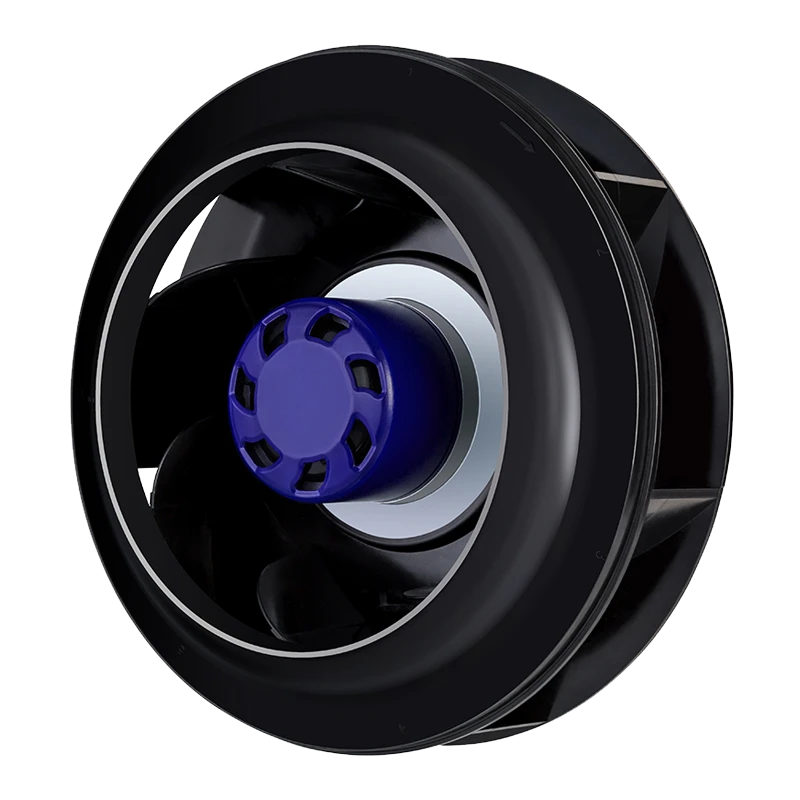
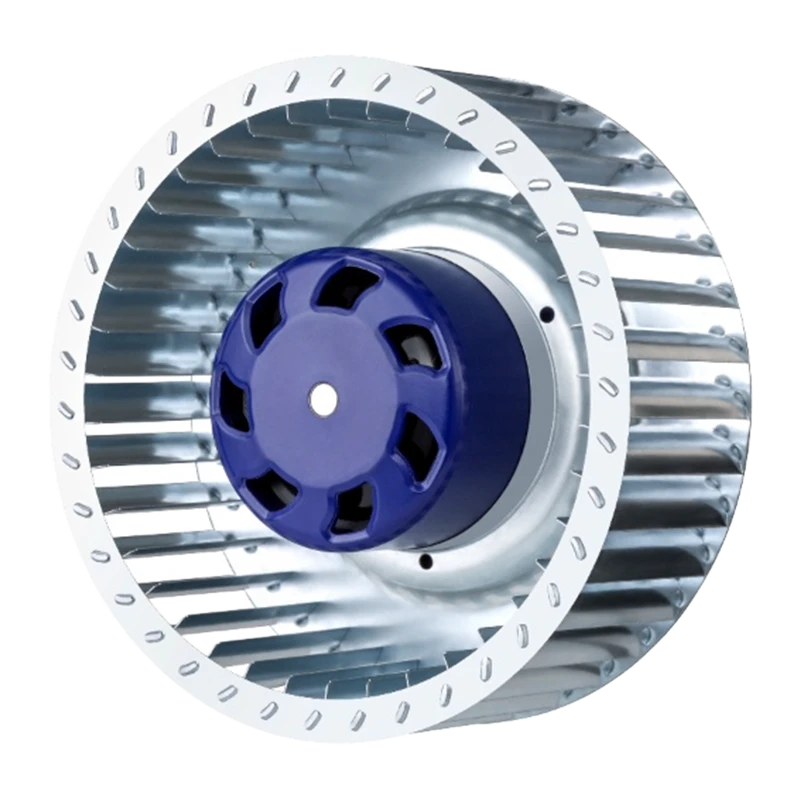
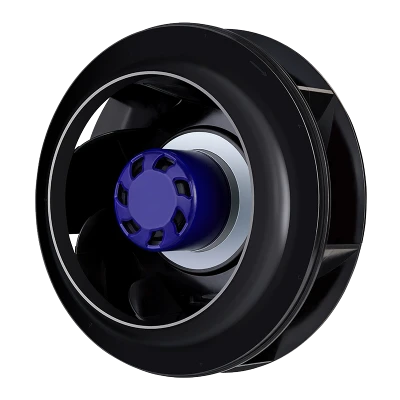
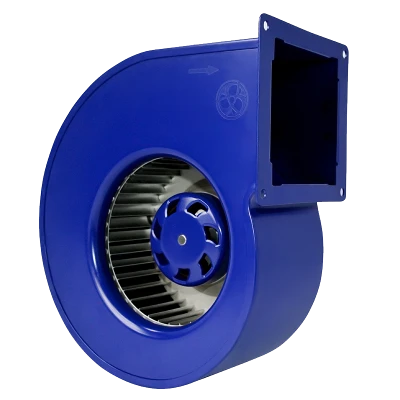
The first and most accessible adjustment method is modifying fan speed. For DC or EC (electronically commutated) forward centrifugal fans, changing voltage or input power is the fastest way to dial back or ramp up airflow. I often recommend this for applications where airflow needs to be dynamic-like office spaces that need more cooling during work hours and less at night. For DC models, most 12V, 24V, or 48V fans have a built-in speed controller that lets you adjust voltage gradually; cranking up voltage from 12V to 24V on a 24V unit, for example, can boost CFM by 30-40%, while dropping it to 5V will cut output by nearly half. For EC fans, which run on alternating current but use digital controls, you can set exact CFM targets via a programmable controller, which is far more precise than analog settings. A popular option for medium-sized applications is the Blauberg BL-F200E-EC-07 200mm EC Forward Curved Centrifugal Fan, which offers variable speed control and a performance curve tailored for steady airflow in commercial HVAC or air purification systems. If you need a compact DC fan for smaller setups like desktop air purifiers, the 140mm 24V Plastic DC forward Curved Centrifugal Fan for Air Purifier is lightweight, energy-efficient, and easy to integrate with simple PWM (pulse-width modulation) speed controls for fine adjustments.
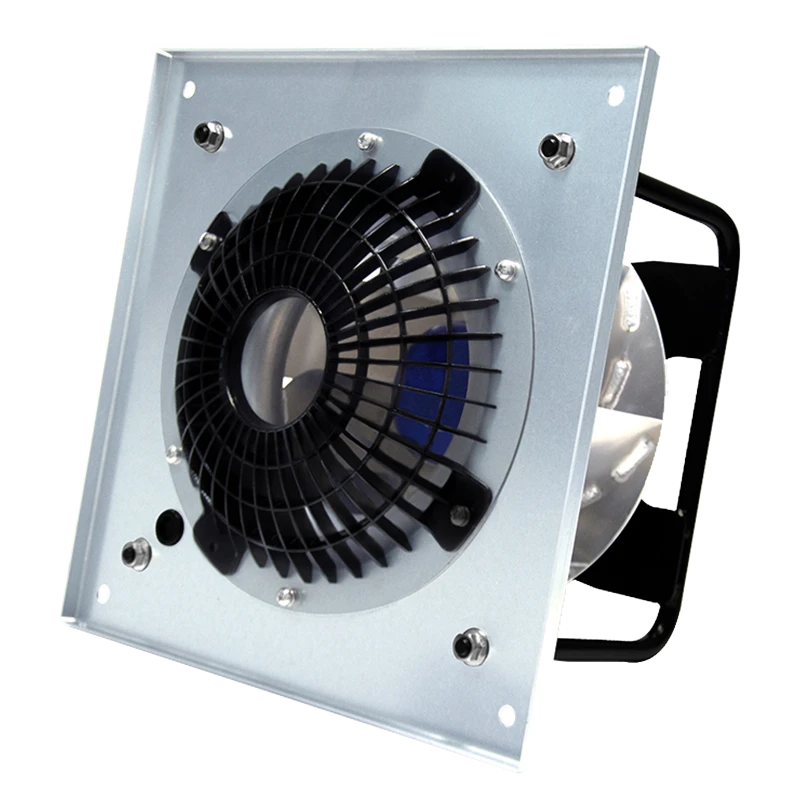
Next, ductwork and system resistance play a huge, often overlooked role in how much air your forward centrifugal fan moves. Even if you set the fan speed correctly, clogged filters, narrow duct elbows, or mismatched duct sizes will force the fan to work harder, cutting airflow by 20-50% depending on the obstruction. This is called system static pressure, and forward centrifugal fans are particularly sensitive to changes in static pressure because their performance curve peaks at a specific pressure level. If you're finding that your fan's airflow is lower than expected, check your ductwork first: replace dirty air filters, use smooth, properly sized ducting (avoid sharp bends that create turbulence), and seal any duct leaks with mastic or foil tape. Conversely, if airflow is too high for your space, you can add a properly sized damper to the ductwork to restrict the amount of air moving through the system. I've seen this fix work wonders for server rack cooling setups, where too much airflow can dry out equipment components or create unnecessary noise-often, adjusting a simple damper on a 160mm Computer Room Cooling DC forward Centrifugal Fan for Air Purifier is all you need to get the perfect CFM.

Which forward centrifugal fan models should you review?
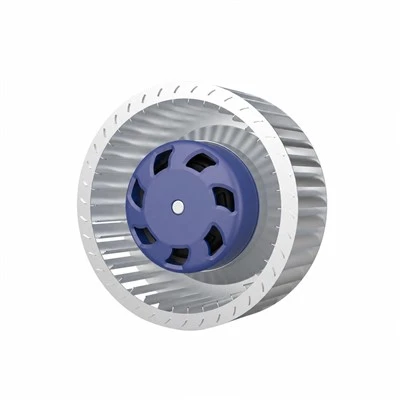
Blauberg BD-F180A-EC-01 180mm DC Forward Curved Centrifugal Fan
View product details and specifications.
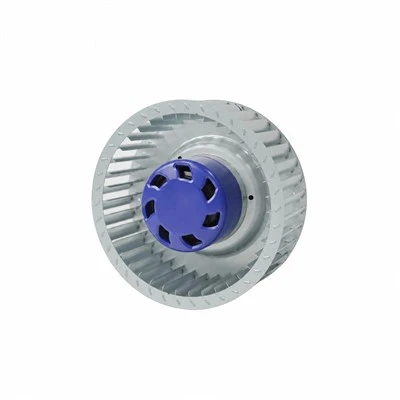
Blauberg BN-F160C-EC-01 160mm DC Forward Curved Centrifugal Fan
View product details and specifications.
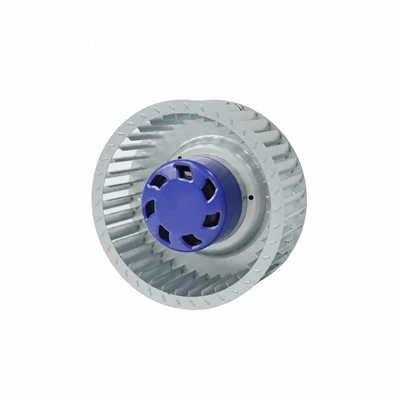
Blauberg BD-F160C-EC-01 160mm DC Forward Curved Centrifugal Fan
View product details and specifications.
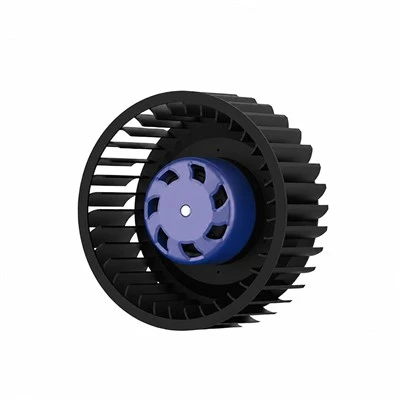
Blauberg BD-F160B-EC-01 160mm DC Forward Curved Centrifugal Fan
View product details and specifications.
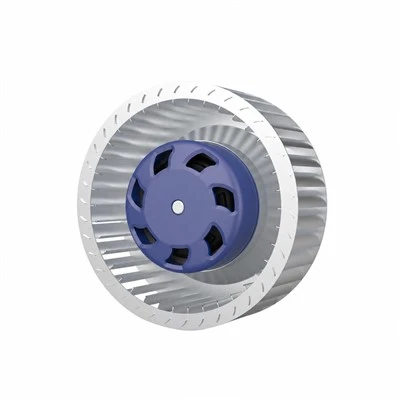
Blauberg BD-F140B-EC-00 140mm DC Forward Curved Centrifugal Fan
View product details and specifications.
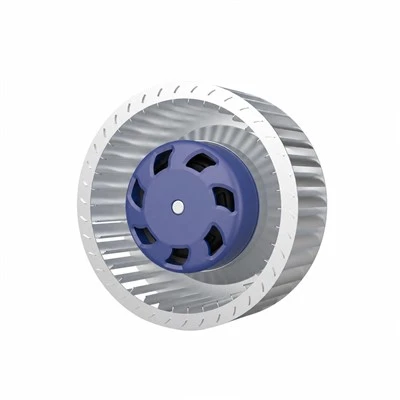
Blauberg BN-F120B-EC-00 120mm DC Forward Curved Centrifugal Fan
View product details and specifications.
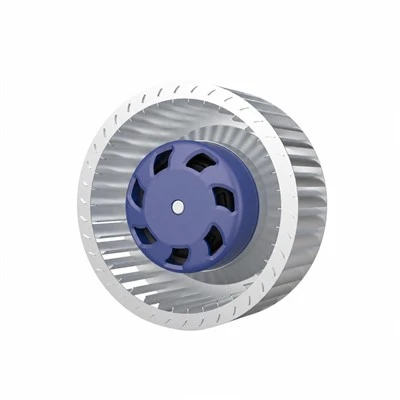
Blauberg BD-F120B-EC-N02 120mm DC Forward Curved Centrifugal Fan
View product details and specifications.
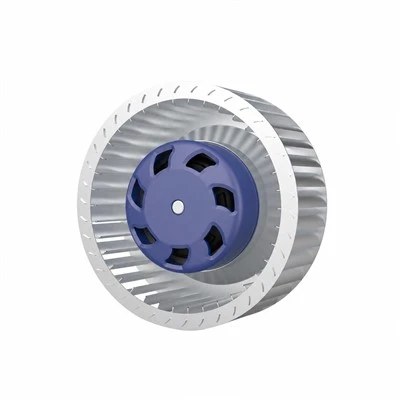
Blauberg BD-F120B-EC-00 120mm DC Forward Curved Centrifugal Fan
View product details and specifications.
Another adjustment method for forward centrifugal fans is changing the impeller size or blade pitch, though this is more suited for custom setups than quick fixes. The impeller's diameter and blade curve directly impact airflow: a larger impeller will move more air at the same speed, while a more pronounced forward curve boosts static pressure (ideal for long duct runs) at the cost of slightly lower maximum airflow. For users who need to swap out a fan to adjust volume, I keep several models in stock to match different requirements: the 160mm 48V Circular Equipments Cooling DC forward Curved Centrifugal Fan is perfect for telecom equipment enclosures where high static pressure is needed, while the Blauberg BL-F180A-EC-07 180mm EC Forward Curved Centrifugal Fan offers a balance of compact size and adjustable airflow for small commercial systems. One tip here: always check your original fan's performance curve before swapping impellers, as mismatched sizes can lead to fan overheating or unstable operation.
You also need to calibrate the fan to your application's static pressure for accurate adjustment. Every forward centrifugal fan has a published performance curve that shows CFM at different static pressure levels and speeds. To get the right volume, measure your system's static pressure with a manometer-this is the resistance your fan has to overcome to push air through filters, ducts, and other components. Once you have that number, match it to the fan's curve to find the correct speed setting. For example, if your air purifier has a static pressure of 0.2 inches of water, you can look at the curve for the 140mm 24V DC curved fan to find what speed gives you the CFM you need. Skipping this step often leads to incorrect adjustments, where you either run the fan too fast (wasting energy) or too slow (not cooling or cleaning effectively).
I've run into a lot of common mistakes when people adjust forward centrifugal fans, so let's cover those to avoid issues. First, don't assume that higher speed always equals better airflow-if your system has high static pressure, a faster fan might actually deliver less air because it can't move against the resistance. Second, avoid tampering with the fan's internal components (like blade angles) unless you have experience with centrifugal fans, as this can unbalance the impeller and cause noise or premature failure. Third, don't ignore noise levels: adjusting airflow too high can lead to excess noise, especially in spaces like offices or bedrooms, so always balance your CFM target with noise requirements. If you're working on a noise-sensitive application, the Blauberg BL-F200E-EC-07 EC fan has built-in noise reduction features that let you adjust speed without sacrificing quiet operation.
At the end of the day, adjusting your forward centrifugal fan's air volume is all about matching the fan's capabilities to your specific needs, whether that's air purification, server cooling, or HVAC systems. The key steps are: set the right speed using voltage or PWM controls, adjust ductwork resistance to eliminate obstructions, calibrate to your system's static pressure, and choose the right fan model for your application.
If you're still unsure about how to adjust your specific forward centrifugal fan, or need a replacement fan that fits your airflow requirements, feel free to reach out to discuss your project in detail. We work with small businesses, engineers, and facility managers to find the right fan solutions, from compact air purifier models to larger units for industrial cooling, and can help you fine-tune airflow to match your exact needs.
References
- ASHRAE Handbook - HVAC Systems and Equipment, Chapter 19: Fans and Air Movement
- Blauberg Fan Performance Curves, Forward Centrifugal Fans for Commercial Applications
- Air Movement and Control Association (AMCA) Standard 99: Laboratory Methods of Testing Fans for Aerodynamic Performance Rating
- DC and EC Fan Speed Control Best Practices, Delta Electronics Industrial Fan Division
Category of Blauberg Products
Built on German engineering principles, focusing on precision, reliability, and long-term performance. Through efficient and scalable manufacturing, we deliver high-quality ventilation solutions with optimized cost structure, ensuring strong value for global OEM and project-based customers.