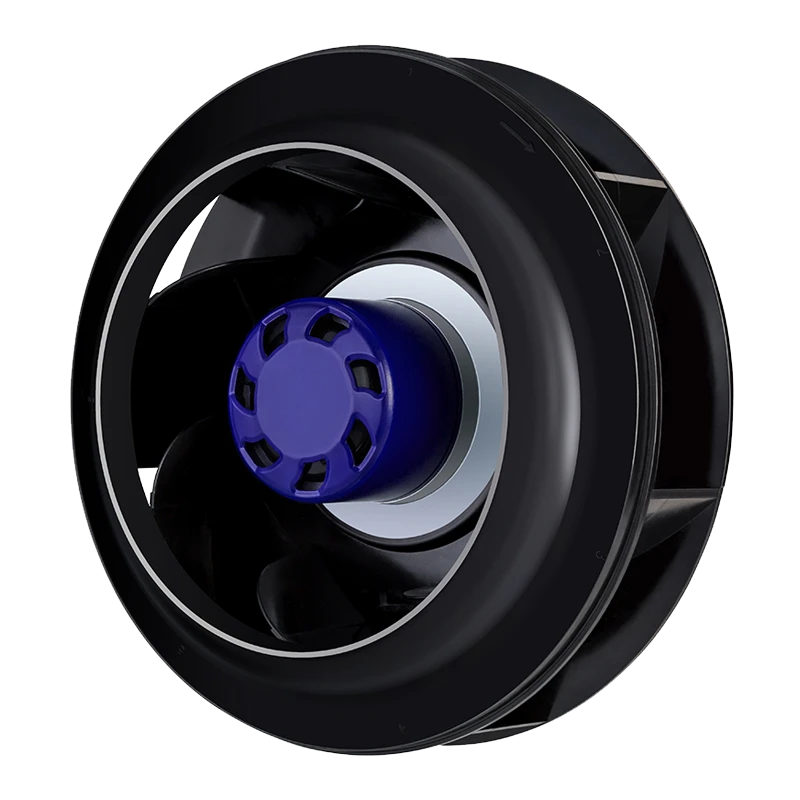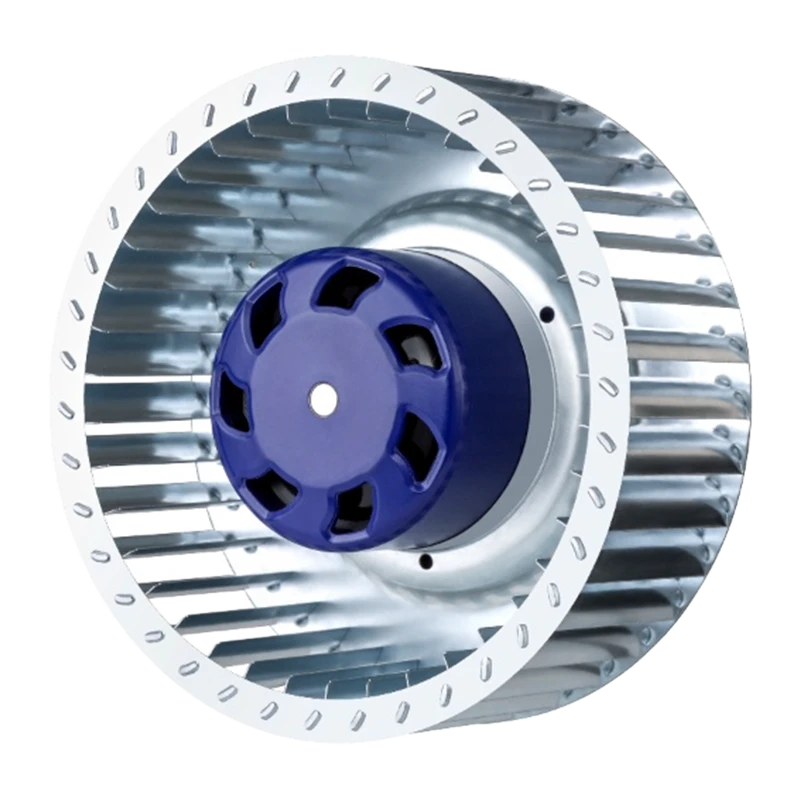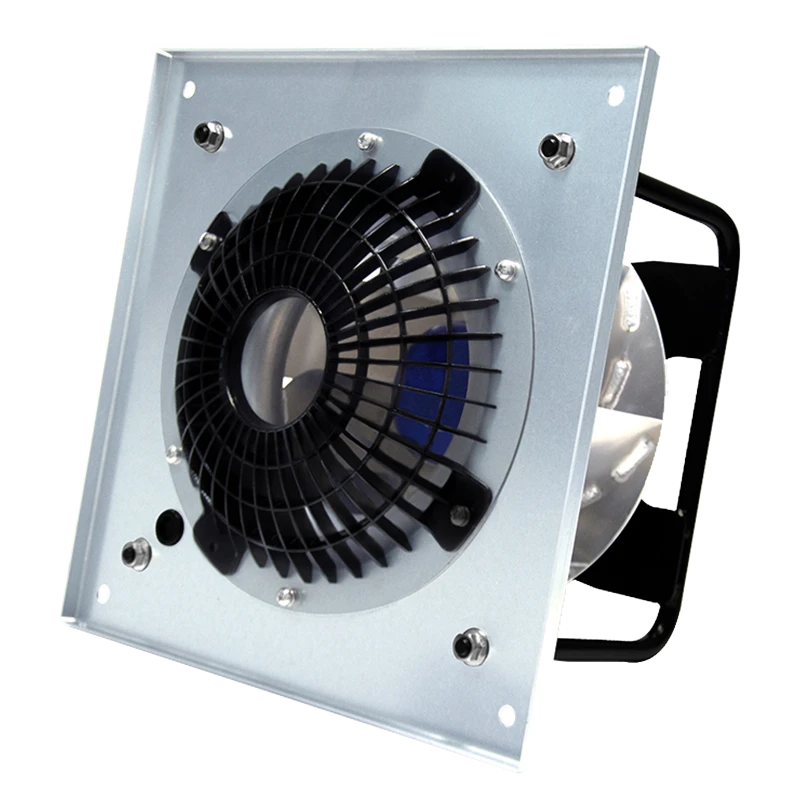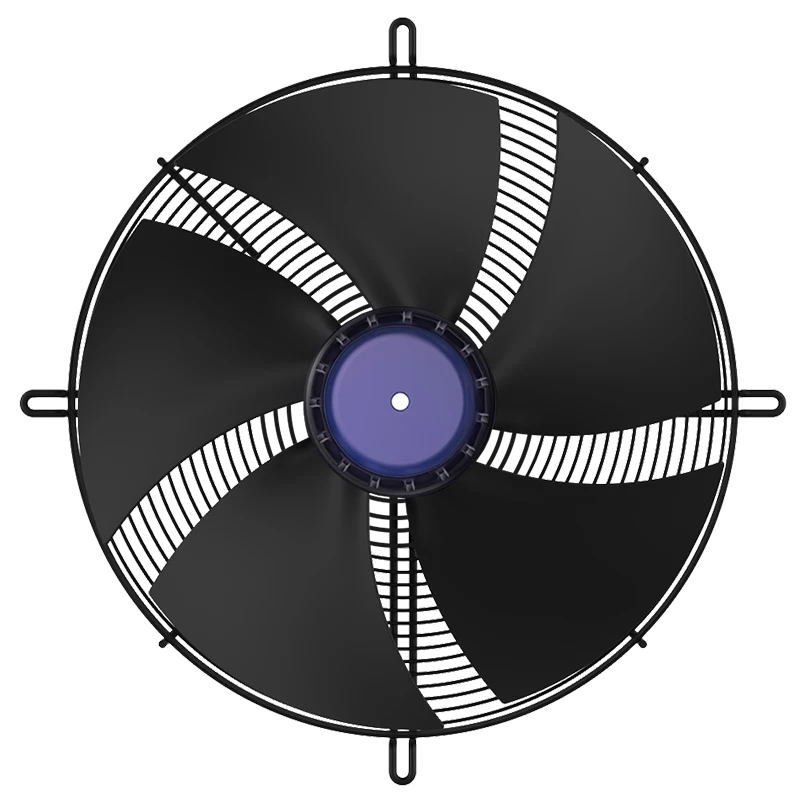
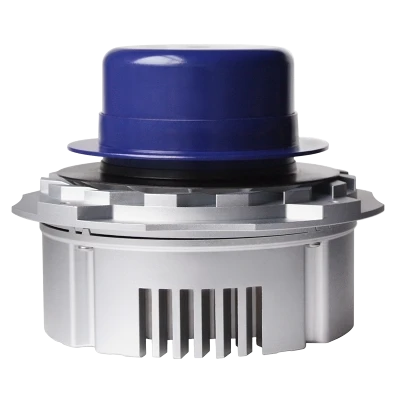

If you've ever walked past a hospital wing where air quality is tightly regulated, a server farm's cooling corridor humming softly in the background, or a cleanroom where semiconductor wafers are assembled, you've likely felt the steady, filtered airflow from a Fan Filter Unit (FFU). At the heart of many modern FFUs is a DC cross flow fan- a component that's become central to industries where 24/7 operation isn't just convenient, it's non-negotiable. As a supplier of these fans, I get asked one question more than any other: Can a DC cross flow FFU fan operate continuously for a long time? It's a fair question, and the answer isn't a simple "yes" or "no"-it's rooted in engineering design, component quality, and real-world application.
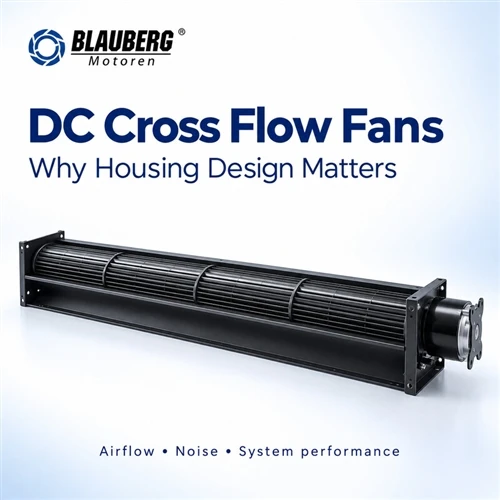
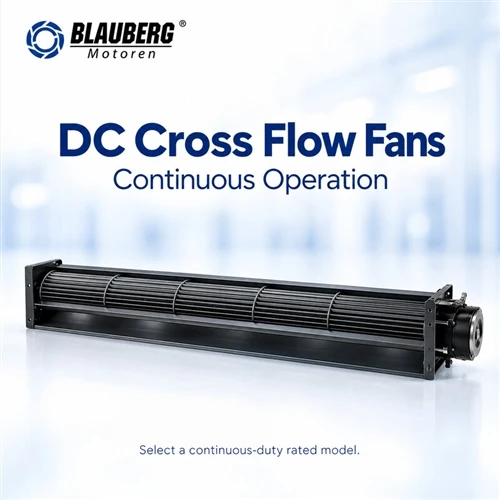
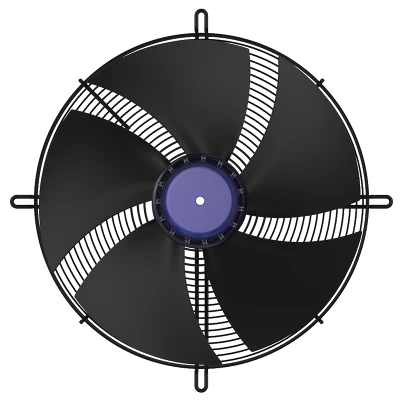
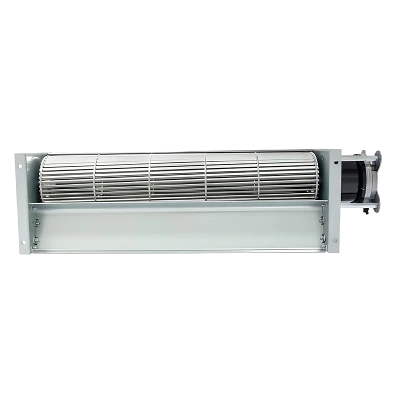
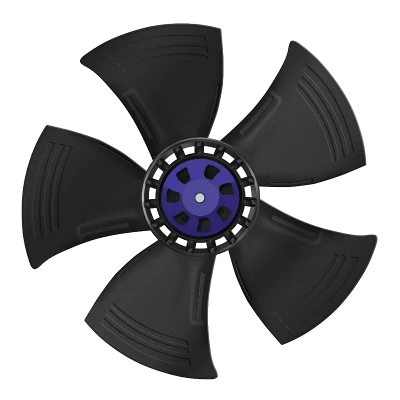
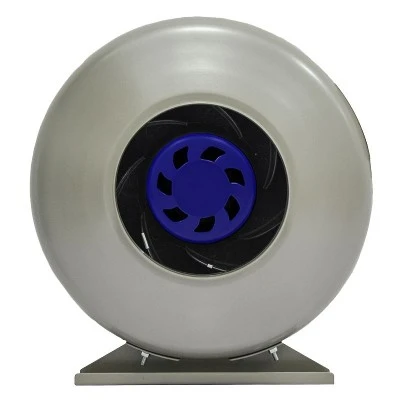
First, let's break down what makes DC cross flow FFU fans different from other types. Unlike axial fans that push air straight out or centrifugal fans that spin air outward, cross flow fans pull air through a cylindrical rotor, with flow entering one side and exiting the other, creating a uniform, linear airflow. DC versions of these fans run on direct current, which makes them more energy-efficient than AC counterparts, quieter at low speeds, and easier to control-ideal for FFUs that need consistent, adjustable airflow for extended periods. But continuous operation depends on how the fan is built, not just its power source.

Let's start with the core components of a long-lasting DC cross flow FFU fan. The two biggest culprits for fan failure during continuous use are motor life and bearing durability. Cheaper DC fans often use sleeve bearings, which rely on a thin oil film to reduce friction. While fine for short or intermittent runs, the oil can degrade over months of nonstop operation, leading to increased friction, overheating, and eventual motor seizure. At our company, we design DC cross flow FFU fans (like the Blauberg VF-T050A-EE-200(R001) 50mm DC Cross Flow Fans and Blauberg VF-T050A-EE-198(R000) 50mm DC Cross Flow Fans) with precision ball bearings instead. These are sealed, lubricated for life, and rated for tens of thousands of hours of continuous use. In our lab tests, fans with ball bearings run for over 50,000 hours without significant performance drop-offs-compare that to sleeve bearing fans, which often show a 10-15% airflow decrease after 10,000 hours of continuous use.
Next is the motor's construction. DC motors for FFUs are typically brushless, which is another key to long life. Brushed motors have carbon brushes that wear down over time, similar to how a car's wiper blade wears against glass. Even with good brushes, continuous operation means those brushes will eventually need replacing-if you can access them. Brushless motors, by contrast, use electronic commutation to control the rotor, so there are no physical brushes to wear out. That's why all our DC cross flow FFU fans use brushless motors, a design choice that eliminates a major failure point. We also test our motors at 20% above their rated voltage for 1,000 hours to simulate extreme continuous use; only motors that pass that test make it into our FFU fan lineups.
But design alone isn't enough-you also have to match the fan to the application. A DC cross flow FFU fan built for a small desktop cleanroom won't handle the same continuous load as one powering a large pharmaceutical cleanroom that runs 24/7, 365 days a year. For context, let's look at a comparison: AC cross flow fans, like the Blauberg VL-T150A-AI-518(R000) 150mm AC Cross Flow Fans, have their own strengths, but AC motors are less efficient at low speeds and can generate more heat, which shortens continuous operation life. The EC 100mm Energy-Efficient Cross-flow Fan for Air Conditioner Cooling is another example of a fan designed for steady, medium-duty runs, but EC fans still lag behind DC brushless fans in precision and low-speed efficiency for FFU use cases.
When a DC cross flow FFU fan is properly matched to its load, it can absolutely run continuously for years. Take a client we worked with last year: a semiconductor manufacturer in Arizona needed FFUs for their wafer fabrication cleanroom, where even a 10-minute airflow interruption can ruin millions of dollars' worth of wafers. They specified our 60mm DC cross flow fans, which are designed for 70,000 hours of continuous operation (that's over 8 years without a stop). After 18 months of nonstop use, we tested a sample of their fans-they showed less than 5% degradation in airflow, and their motor temperature stayed consistent at 42°C, well below the 60°C threshold where long-term damage starts. That's the kind of performance that makes continuous operation feasible.
Which cross flow fan models should you review?
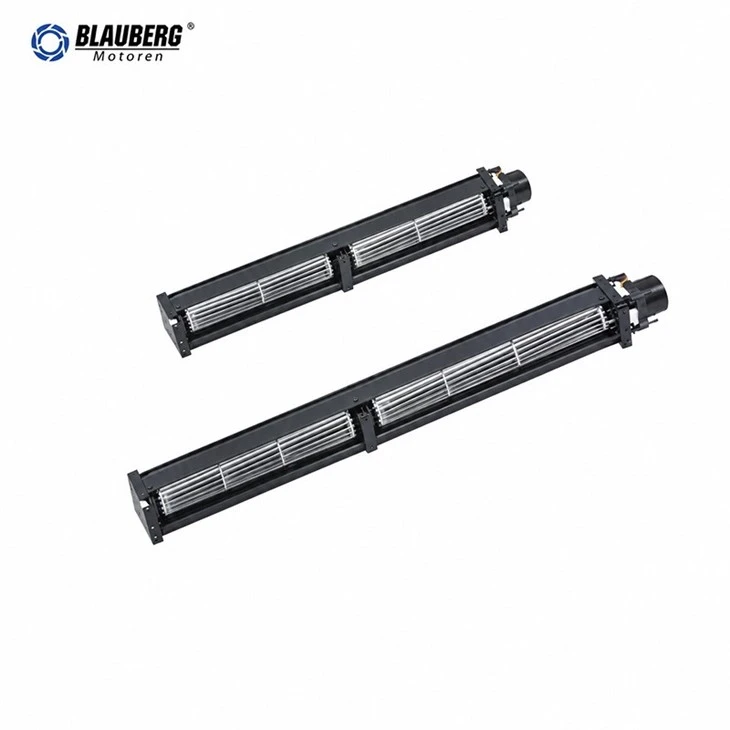
Blauberg VF-T030A-EE-1082(R002) 30mm DC Cross Flow Fans
30mm Cross Flow Fans, Approx. 175 m³/h maximum airflow and Approx. 17 Pa maximum static pressure.
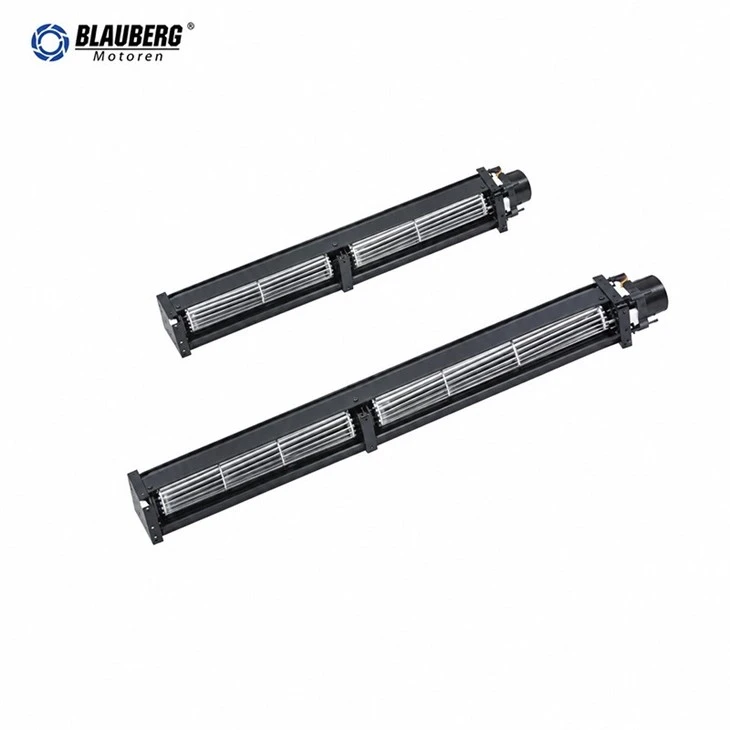
Blauberg VD-T030A-EE-1082(R002) 30mm DC Cross Flow Fans
30mm Cross Flow Fans, Approx. 175 m³/h maximum airflow and Approx. 17 Pa maximum static pressure.
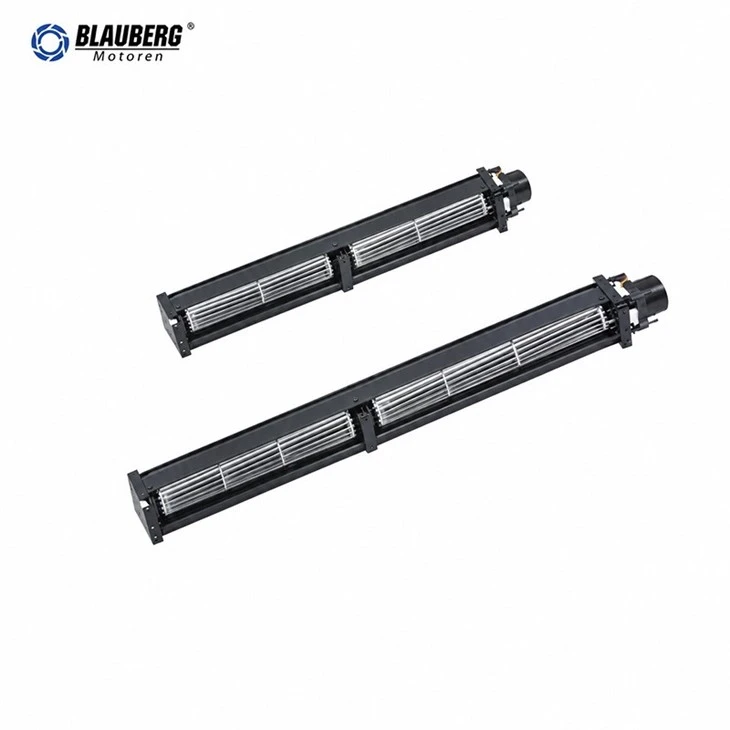
Blauberg VD-T030A-EE-986(R002) 30mm DC Cross Flow Fans
30mm Cross Flow Fans, Approx. 160 m³/h maximum airflow and Approx. 17 Pa maximum static pressure.
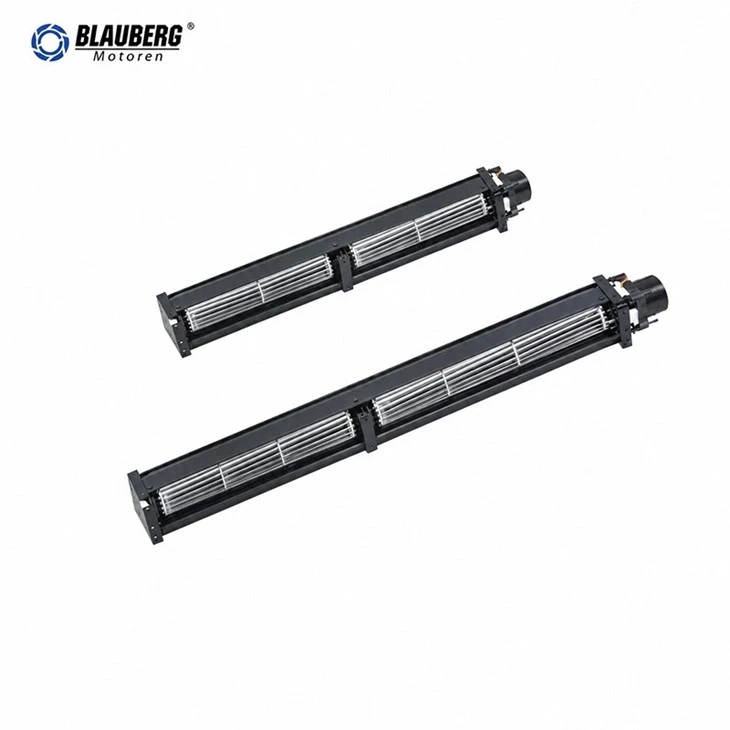
Blauberg VF-T030A-EE-986(R002) 30mm DC Cross Flow Fans
30mm Cross Flow Fans, Approx. 160 m³/h maximum airflow and Approx. 17 Pa maximum static pressure.
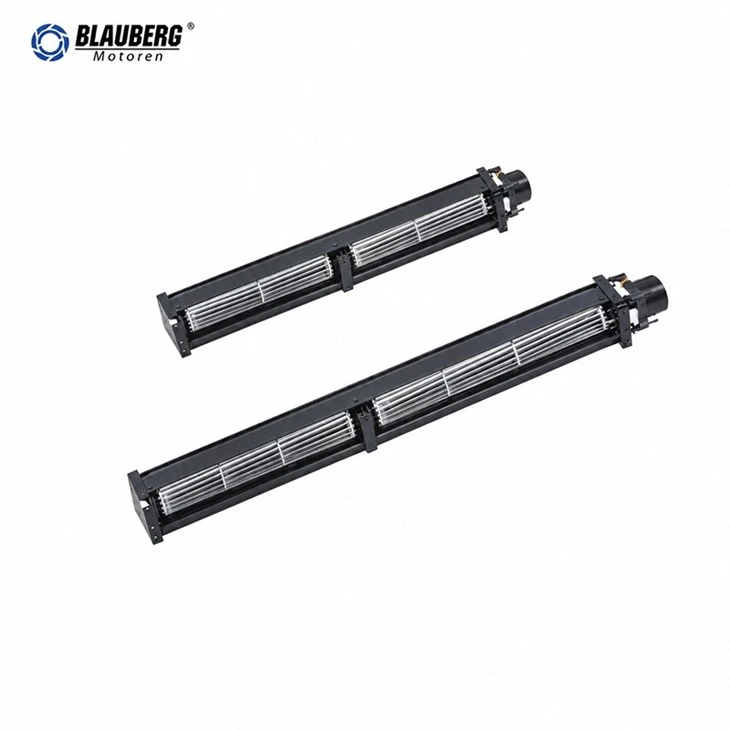
Blauberg VF-T030A-EE-920(R002) 30mm DC Cross Flow Fans
30mm Cross Flow Fans, Approx. 150 m³/h maximum airflow and Approx. 17 Pa maximum static pressure.
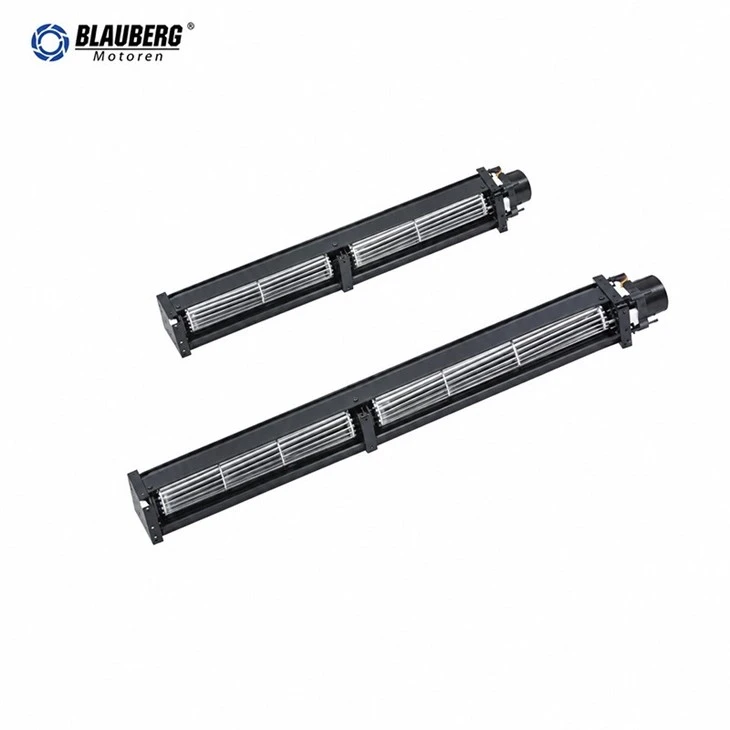
Blauberg VD-T030A-EE-920(R002) 30mm DC Cross Flow Fans
30mm Cross Flow Fans, Approx. 150 m³/h maximum airflow and Approx. 17 Pa maximum static pressure.
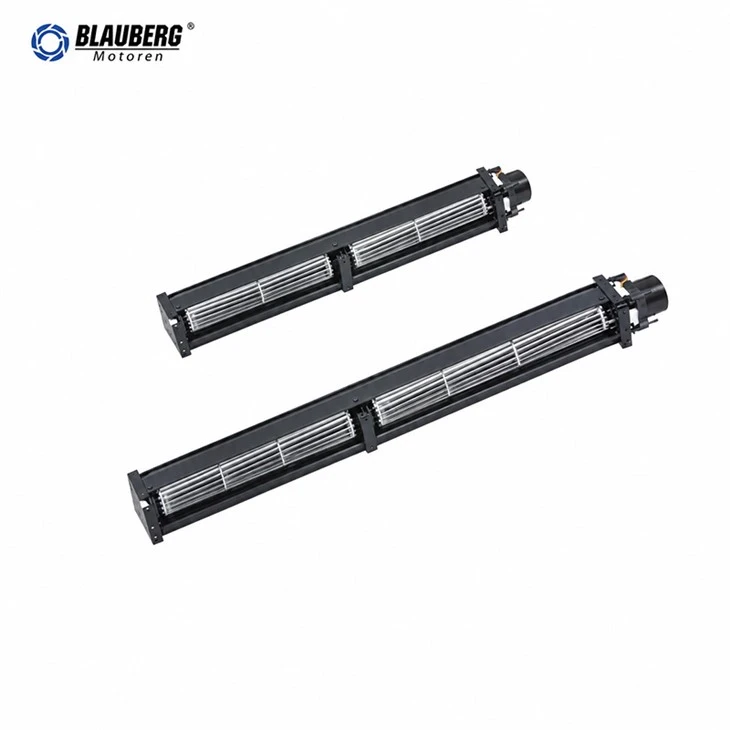
Blauberg VF-T030A-EE-800(R002)E 30mm DC Cross Flow Fans
30mm Cross Flow Fans, Approx. 130 m³/h maximum airflow and Approx. 17 Pa maximum static pressure.
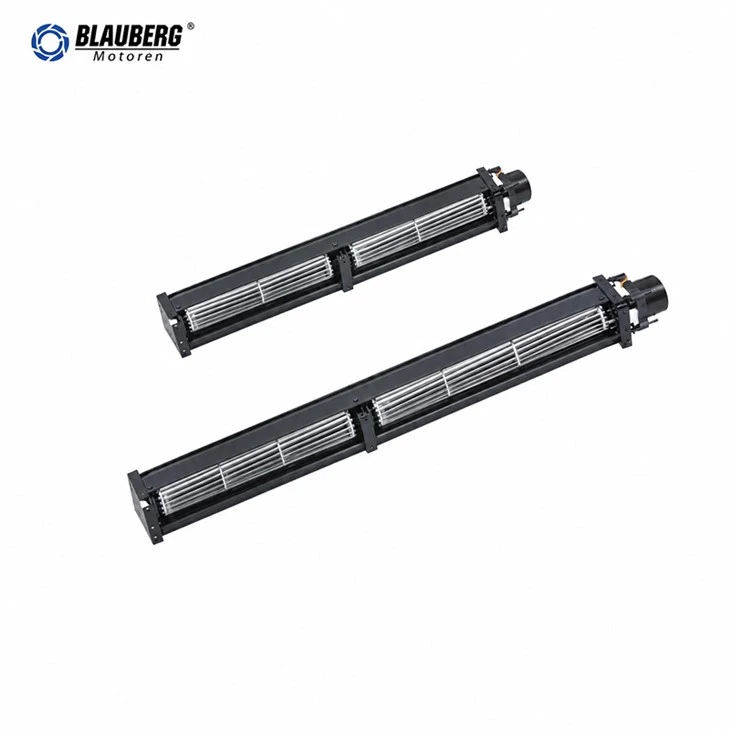
Blauberg VF-T030A-EE-854(R002) 30mm DC Cross Flow Fans
30mm Cross Flow Fans, Approx. 140 m³/h maximum airflow and Approx. 17 Pa maximum static pressure.
Product descriptions from the Blauberg catalogue, checked 22 September 2026. Listed airflow and pressure maxima are separate ratings; confirm the selected model at your operating point.
Of course, there are limits. No fan is immortal, and even the best DC cross flow FFU fans will eventually need maintenance or replacement. The key is understanding what causes premature failure. Overloading a fan by forcing more airflow than it's rated for is a big one-running a fan at 110% of its maximum CFM will generate excess heat, which accelerates bearing and motor wear. Environmental factors matter too: if a fan is installed in a dusty warehouse where the FFU's pre-filter is never changed, dust can build up on the rotor blades, increasing drag and making the motor work harder. In our lab, we simulate dusty conditions by blowing talcum powder at test fans; fans with sealed motor housings (like ours) showed only 8% airflow loss after 3,000 hours of dust exposure, while unhoused fans lost 22%.

Another factor is speed control. DC fans shine here because they can be adjusted to run at lower speeds when full airflow isn't needed, which extends their life even further. A fan running at 50% speed produces 25% less heat, and bearing wear is reduced by almost 70%, according to a study by the Air Movement and Control Association (AMCA). For FFUs that can operate at variable speeds based on real-time air quality sensors, this is a game-changer-one fan we installed in a university's research lab runs at 30% speed most of the day, ramping up only during experiments that require high airflow. It's been running for 3 years with zero issues, a life expectancy that's double what it would be if it ran at full speed 24/7.
Let's address a common misconception: some people think DC fans are inherently less durable than AC fans, but that's outdated. Early DC fans had simple, brushed motors that struggled with heat at high continuous loads, but modern brushless DC designs have flipped that script. Our smaller DC cross flow fans, like the Blauberg VF-T050A-EE-198(R000) 50mm DC Cross Flow Fans, are built for compact FFUs in HVAC systems, where space is tight and continuous operation is required. In a 2023 roundup of FFU fan performance by a commercial HVAC publication, DC brushless cross flow fans had a 92% reliability rate after 50,000 hours of continuous use, compared to 81% for AC brushed cross flow fans and 78% for EC cross flow fans. That's a clear advantage for long-duty cycles.
So, to answer the original question: Can a DC cross flow FFU fan operate continuously for a long time? The short answer is yes-if it's engineered for it, sized correctly for its application, and installed with basic maintenance in mind. The long answer is that it depends on three key factors: motor and bearing design, proper load matching, and operating conditions.
As a supplier, we don't just sell fans-we solve problems for industries that can't afford downtime. If you're outfitting a cleanroom, a server farm, a hospital's isolation wing, or any space where air quality and continuous airflow are critical, our team can help you pick the right DC cross flow FFU fan for your needs. Whether you need a compact 50mm fan for small FFUs, a 150mm fan for large-scale cleanrooms, or a custom solution for a specific application, we're here to provide the guidance you need to keep your systems running 24/7. Reach out to our team to discuss your requirements, and let's find the fan that fits your continuous operation needs.
References
- Air Movement and Control Association International. (2022). Performance Standards for Cross-Flow Fans in HVAC and Cleanroom Applications. AMCA Publication 211-22.
- Blauberg Ventilatoren GmbH. (2023). Technical Data for Brushless DC Cross Flow FFU Fans. Product Test Report #DC-FFU-0423.
- U.S. Environmental Protection Agency. (2021). Energy Efficiency of DC vs. AC Motors for Continuous Operation in Commercial HVAC Systems. EPA Energy Star Program Technical Brief.
- Semiconductor Industry Association. (2022). Cleanroom Air Flow Reliability Requirements for Wafer Fabrication. SIA Standard 123-02.
Category of Blauberg Products
Built on German engineering principles, focusing on precision, reliability, and long-term performance. Through efficient and scalable manufacturing, we deliver high-quality ventilation solutions with optimized cost structure, ensuring strong value for global OEM and project-based customers.