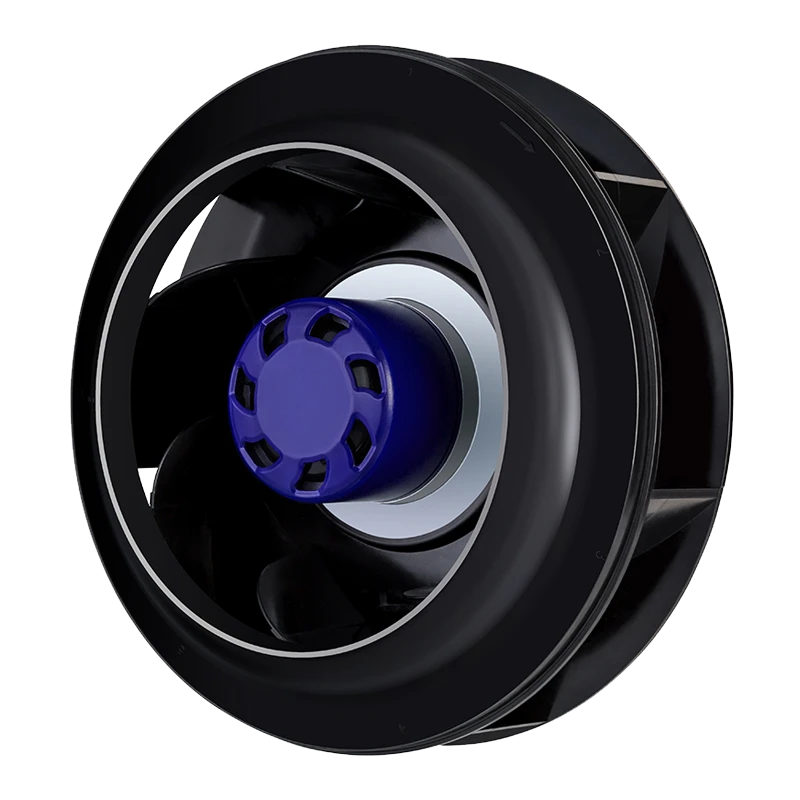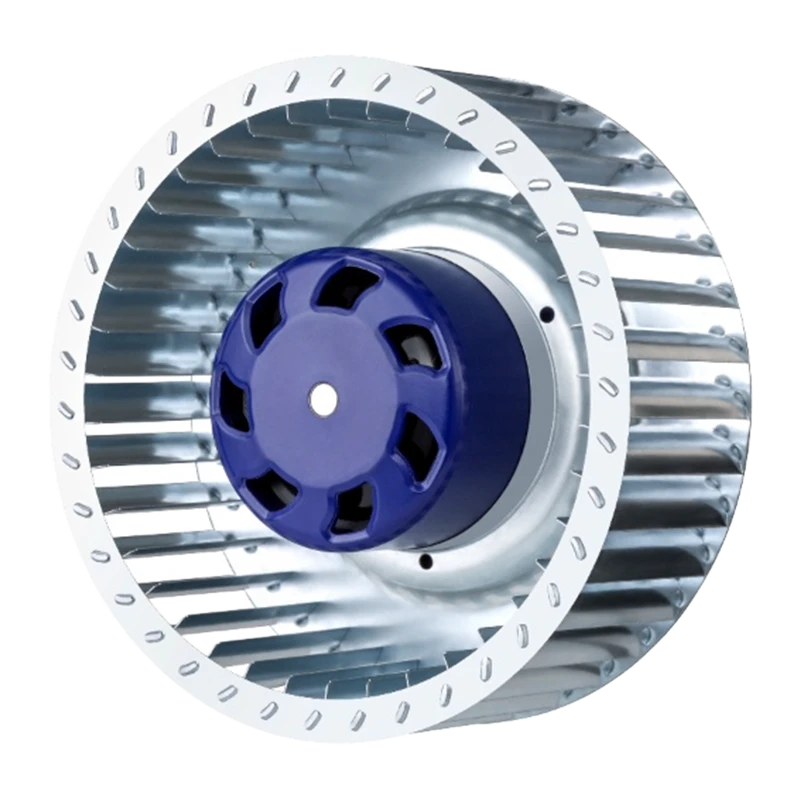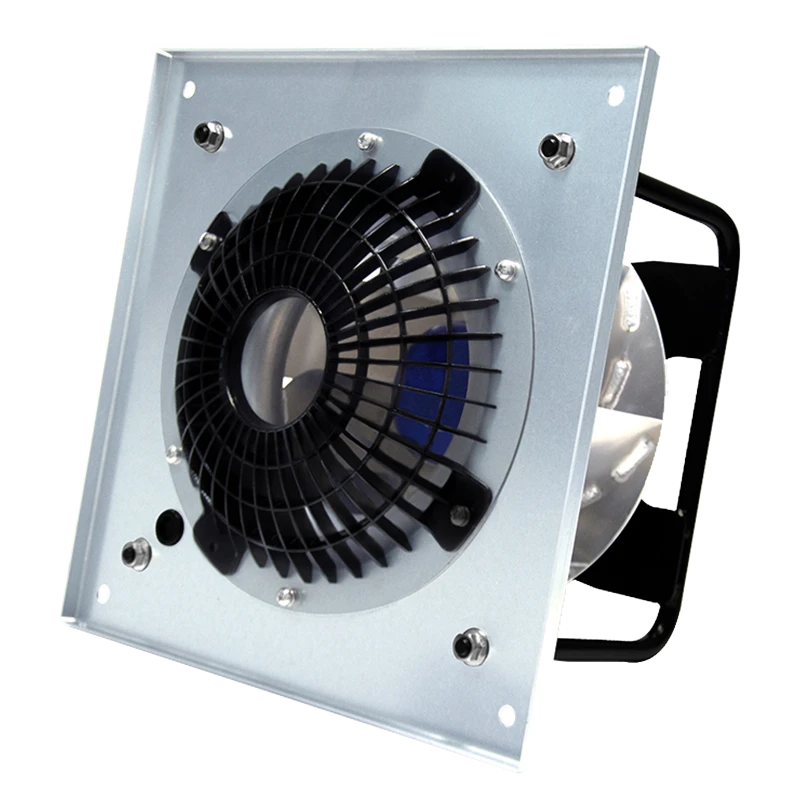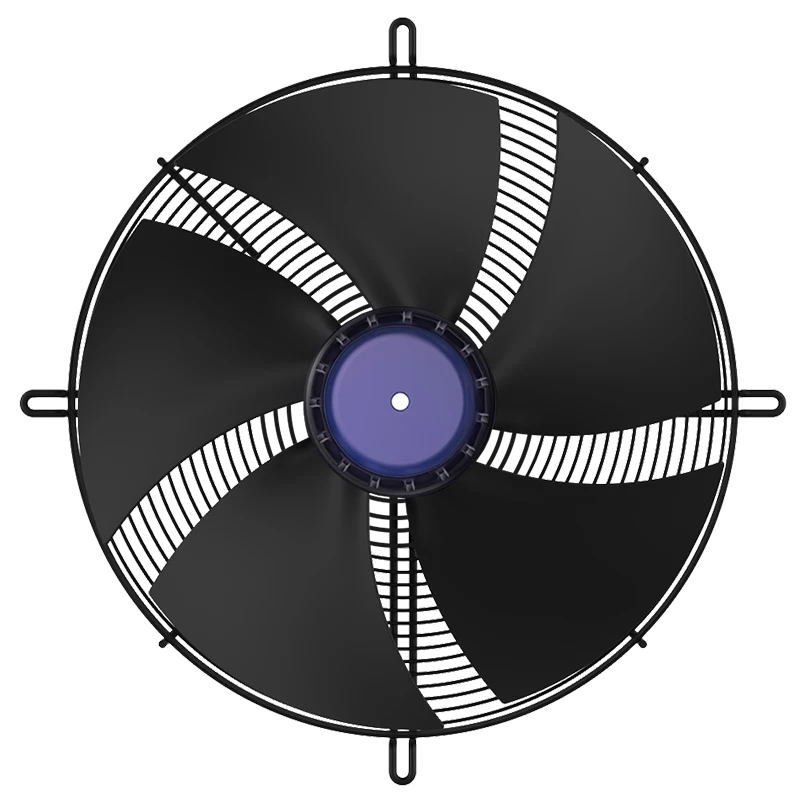
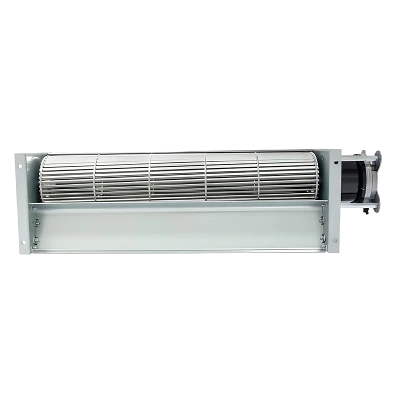

Hey there, if you've ever taken apart an HVAC unit, a mini fridge, or even a projector that's been running too hot, chances are you've stumbled across a DC cross flow fan. These little workhorses move air sideways, right through a long cylindrical blade assembly, which makes them way more compact and quiet than regular axial fans for tight spaces. I've been supplying these fans for years, and one thing I hear all the time from customers is: "Wait, the fan itself is the same size-why does one perform way better than another?"
If you guessed fan housing design, you'd be 100% correct. I see this every single day, and it's not just about "making it look nice." It's about how the housing shapes the air before it hits the blades, how it captures the air that's already moved, and how it cuts down on all the wasted energy that makes a fan hum louder than it needs to. Let's break this down like we're chatting over a coffee, no boring engineering jargon (well, not too much, anyway).

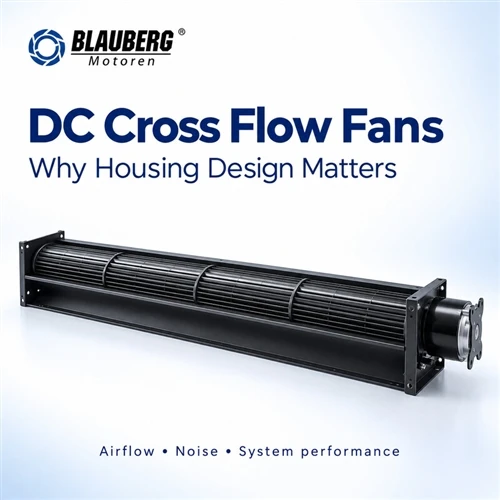
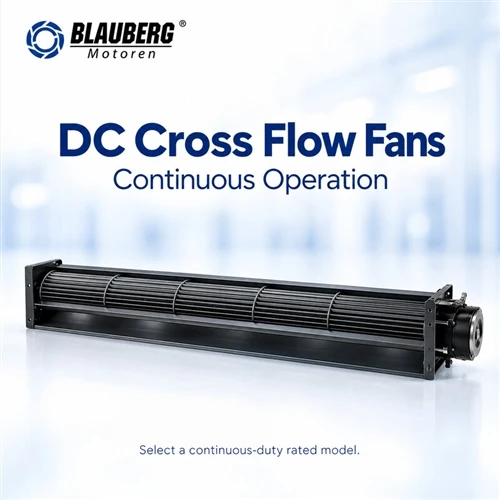
First off, let's keep the basics simple. A DC cross flow fan has a long, round rotor with curved blades, spinning inside a plastic or metal sleeve- that's the housing. When the blades turn, they pull air in from one side, slingshot it around the inside of the housing, and push it out the other side as a steady, flat stream. If the housing isn't shaped right, half that air just bounces around and gets lost, which means you're wasting power to move less air than you should. That's the #1 mistake I see smaller manufacturers make: cutting corners on the housing to save a few cents, and ending up with a fan that's loud, weak, or dies way too fast.
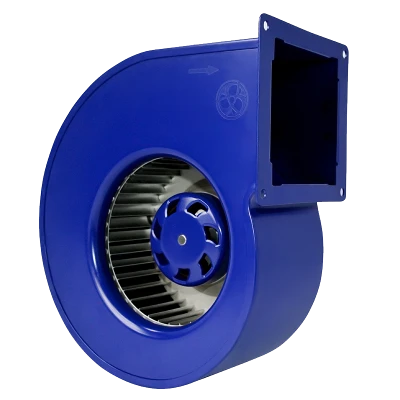
Let's talk about the biggest housing design feature: the scroll curve. You know, that curved part on the housing that wraps around the rotor, like a snail shell. This isn't just decoration. The scroll's shape is calculated to match the speed of the air coming off the blades, so the air doesn't get turbulence or backwash before it even leaves the fan. Turbulence is that noisy, chaotic movement of air, right? Imagine blowing up a balloon and then letting the air out in a wobbly stream instead of a smooth line-that's turbulence, and it's a huge waste of energy.
I've tested this myself. Last year, a customer brought in two identical-sized DC cross flow fans for a medical device they build. Same rotor diameter, same blade count, same power input. The only difference? One had a professionally engineered scroll curve, and the other had a "generic" curved housing from a cheap supplier. The good one moved 18% more air at the same voltage, and was 12% quieter. That's not a small difference when your device has to run all day, every day. If you're looking for high-quality options, one of the DC cross flow models I stock is the Blauberg VF-T050A-EE-418(R000) 50mm DC Cross Flow Fans - their housing uses a precision-machined scroll that's been optimized for low-turbulence air flow, which is why they're such a go-to for compact cooling setups.
Next up: the outlet lip. That's the little bend at the end of the housing where the air pushes out. If the lip is too short or too sharp, the air stream gets pulled back into the fan's inlet, which is called "backflow" - another big energy waster. Think of it like trying to blow air through a straw and having some of it swirl back up around your mouth instead of going straight. A well-designed outlet lip guides that air to stay steady, so every bit of the air the blades move goes where it's supposed to, not bouncing around inside the fan.
I've seen this play out with the Blauberg AC cross flow fans I supply, too. For example, the Blauberg VC-T043A-SP-300(R000) 43mm AC Cross Flow Fans has a tapered outlet lip that's been tested to minimize backflow even at low speeds. When a customer was using a cheaper 43mm fan for their countertop air purifier, they were complaining that the fan would stall when the filter got dirty. Swapping to this one solved the problem because the lip kept the air stream consistent, even when there was more resistance from the filter.
Then there's the housing material and surface finish. Yeah, that matters more than you'd think. If the housing is made of thin, flimsy plastic, it can vibrate when the fan spins- that vibration adds noise, and over time, it can even throw off the scroll curve, making the performance drop. A smooth, low-friction surface is also key. If the housing is rough, air sticks to the walls and creates drag, like water sticking to a rough pipe instead of a smooth one. Drag means more energy needed to move the same amount of air.
I always recommend the Blauberg VL series for this. The Blauberg VL-T045A-SP-870(R000) 45mm AC Cross Flow Fans use high-grade ABS plastic with a matte, low-friction finish that cuts down on air drag. Another one, the Blauberg VL-T060A-AI-870(R001) 60mm AC Cross Flow Fans, uses a reinforced plastic that's rigid enough to eliminate vibration, so even when it's running at full speed, it stays quiet and consistent. I had a client building a commercial display case last year-they were using the 60mm fan for cooling the LED strips inside, and they told me it was 3dB quieter than their previous supplier's fan, which was a huge win for keeping the display noise-free in a retail store.
Which cross flow fan models should you review?
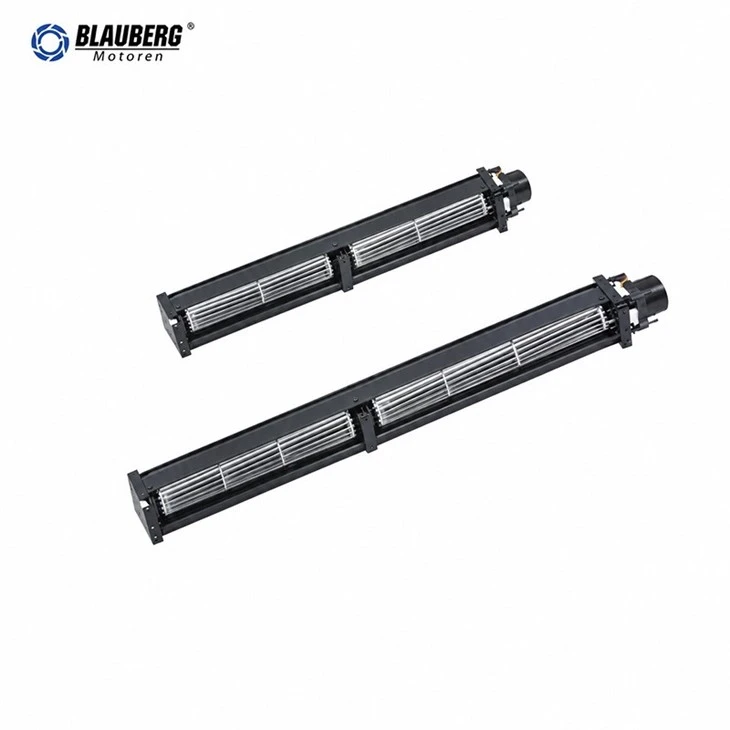
Blauberg VF-T030A-EE-1082(R002) 30mm DC Cross Flow Fans
30mm Cross Flow Fans, Approx. 175 m³/h maximum airflow and Approx. 17 Pa maximum static pressure.
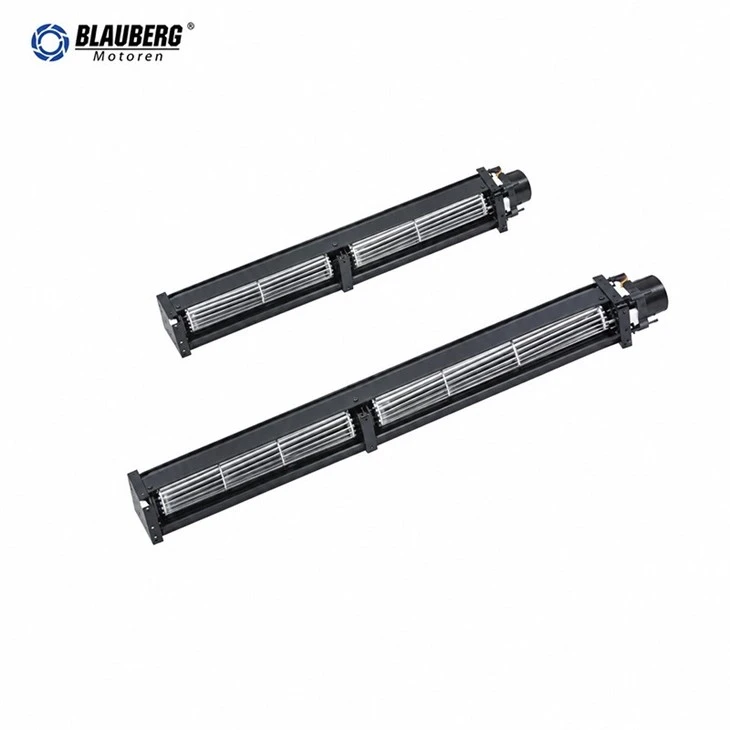
Blauberg VD-T030A-EE-1082(R002) 30mm DC Cross Flow Fans
30mm Cross Flow Fans, Approx. 175 m³/h maximum airflow and Approx. 17 Pa maximum static pressure.
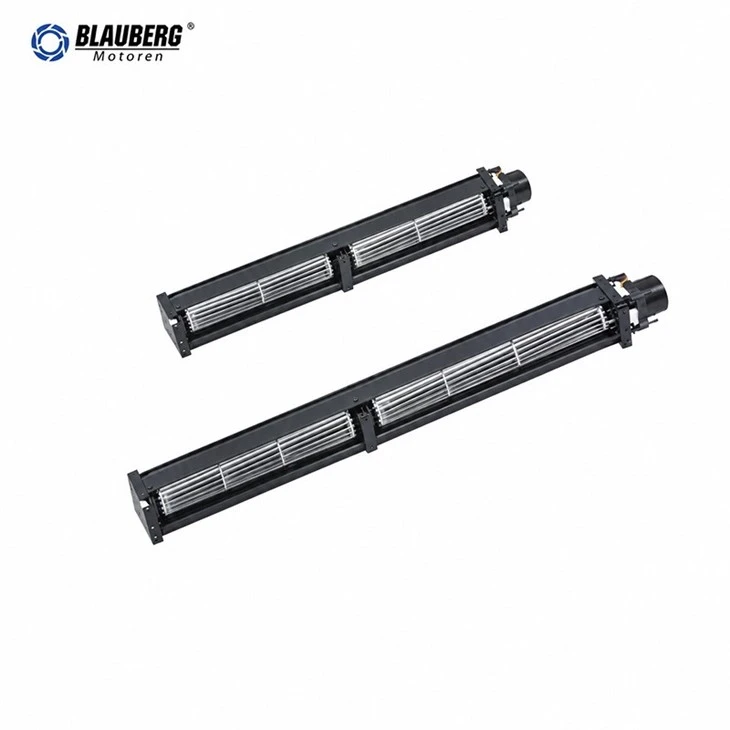
Blauberg VD-T030A-EE-986(R002) 30mm DC Cross Flow Fans
30mm Cross Flow Fans, Approx. 160 m³/h maximum airflow and Approx. 17 Pa maximum static pressure.
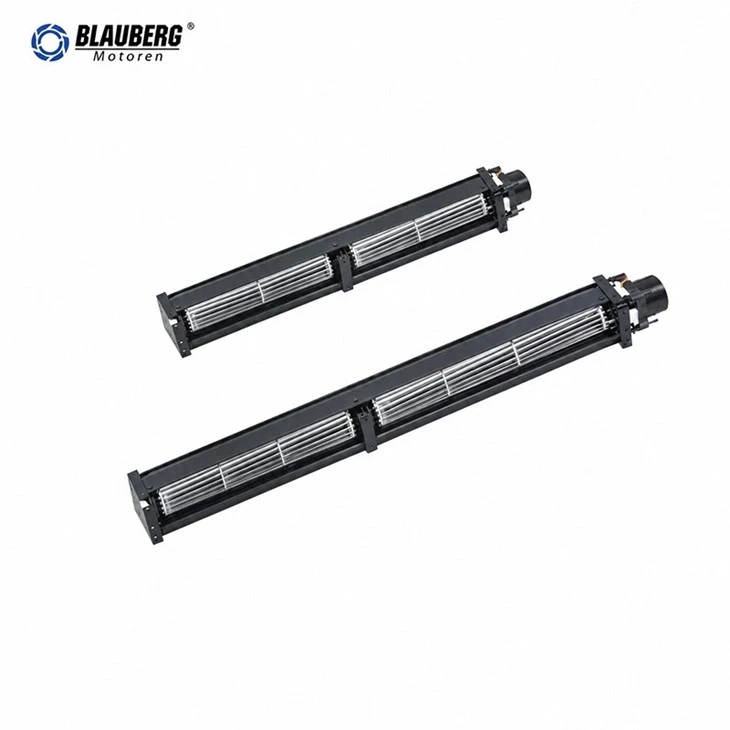
Blauberg VF-T030A-EE-986(R002) 30mm DC Cross Flow Fans
30mm Cross Flow Fans, Approx. 160 m³/h maximum airflow and Approx. 17 Pa maximum static pressure.
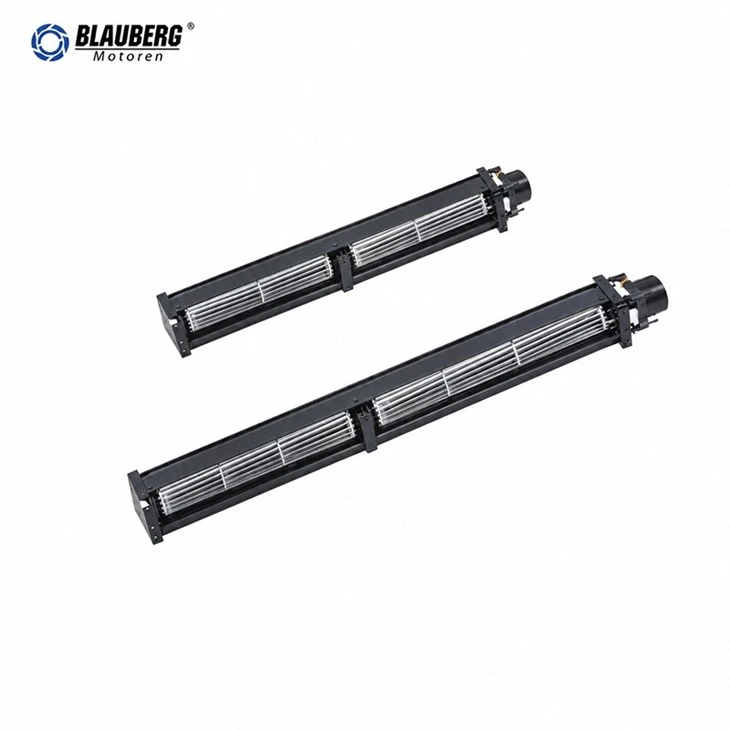
Blauberg VF-T030A-EE-920(R002) 30mm DC Cross Flow Fans
30mm Cross Flow Fans, Approx. 150 m³/h maximum airflow and Approx. 17 Pa maximum static pressure.
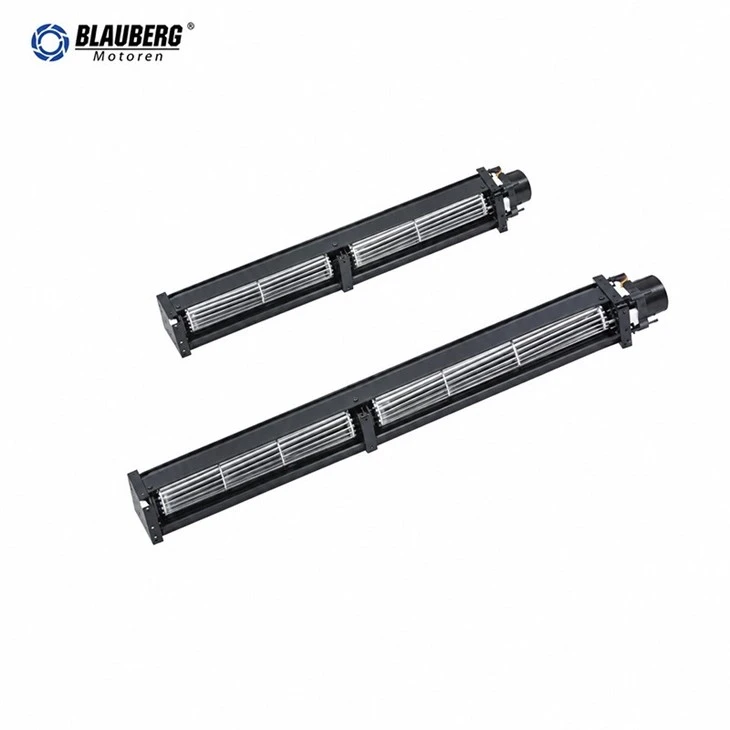
Blauberg VD-T030A-EE-920(R002) 30mm DC Cross Flow Fans
30mm Cross Flow Fans, Approx. 150 m³/h maximum airflow and Approx. 17 Pa maximum static pressure.
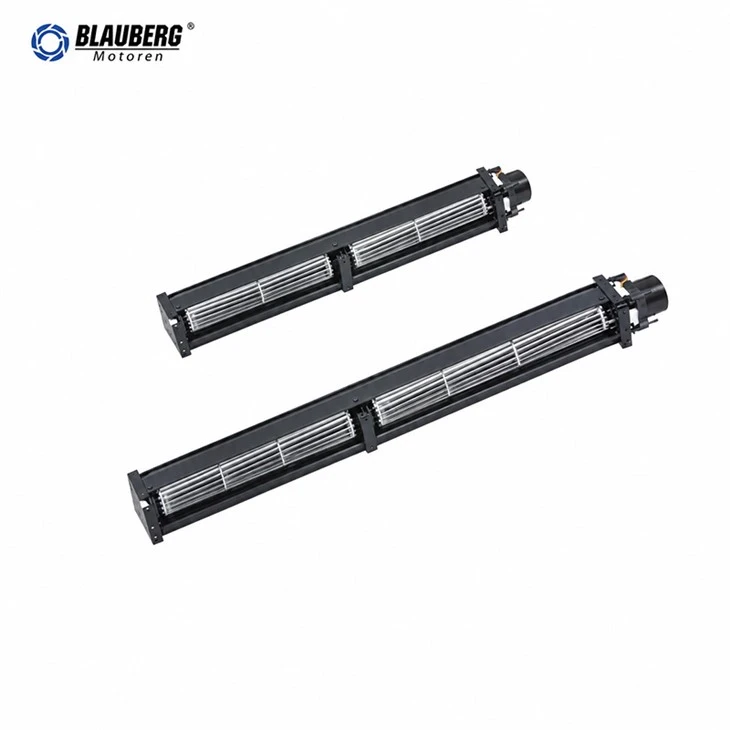
Blauberg VF-T030A-EE-800(R002)E 30mm DC Cross Flow Fans
30mm Cross Flow Fans, Approx. 130 m³/h maximum airflow and Approx. 17 Pa maximum static pressure.
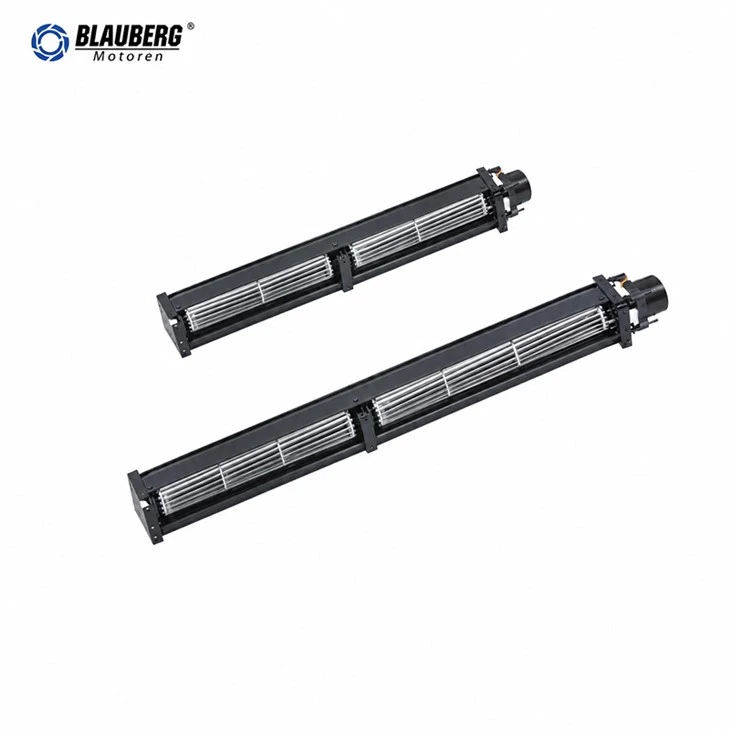
Blauberg VF-T030A-EE-854(R002) 30mm DC Cross Flow Fans
30mm Cross Flow Fans, Approx. 140 m³/h maximum airflow and Approx. 17 Pa maximum static pressure.
Product descriptions from the Blauberg catalogue, checked 22 September 2026. Listed airflow and pressure maxima are separate ratings; confirm the selected model at your operating point.
Wait, what about smaller fans, you ask? A lot of people think housing design only matters for big fans, but that's not true. Take the tiny Blauberg VC-T030A-SP-352(R001) 30mm AC Cross Flow Fans-these are used in things like portable humidifiers and small projectors, where space is super tight. Their housing is molded to an ultra-precise 0.1mm tolerance, which is basically impossible to get with cheap injection molding for small parts. That precision means the scroll curve is exactly where it needs to be, so even at 30mm diameter, they move more air than a bigger, poorly designed fan. I can't tell you how many times customers have swapped in these tiny fans and been shocked at the performance jump-they figured a smaller fan would be weak, but the housing makes all the difference.
Another thing I see a lot of people overlook: the gap between the rotor and the housing. If the gap is too big, air leaks out between the blades and the housing instead of being pushed out the outlet. If it's too small, the blades touch the housing, which causes friction, noise, and even damage over time. The perfect gap is usually between 0.2mm and 0.5mm, depending on the fan size, and it's something that good suppliers like Blauberg get right every time. I've had a customer come to me with a homemade cross flow fan for a DIY robot-they machined a housing themselves, and the gap was 1mm too big. We swapped in a pre-made Blauberg DC cross flow fan, and their robot's cooling performance went up 25% without changing anything else about their design. That's the gap making a huge difference, plain and simple.

Now, let's talk real-world performance-because specs on paper don't always translate to what works. A lot of manufacturers will hype a fan's "max airflow" at free air, but real life has obstacles: filters, grilles, ducts. That's where the housing design matters most. A well-designed housing will maintain a steady airflow even when there's resistance, whereas a bad one will drop off sharply as soon as you put anything in front of it.
I had a HVAC company reach out to me last month because their previous fan supplier's units would fail the industry's static pressure test. They were using generic cross flow fans that only moved air well when there was no resistance. When they switched to the Blauberg VF-T050A-EE-418(R000) 50mm DC Cross Flow Fans, they passed the test on their first try. Why? The housing's scroll curve was optimized to keep air moving through even small static pressure, which is exactly what you need in a duct system.
So what does all this mean for you, whether you're designing a medical device, a display case, a humidifier, or anything else that needs a cross flow fan? If you skip the housing details, you're paying for a fan that's underperforming, noisy, and won't last. If you invest in a well-engineered housing, you get better airflow, lower energy use, less noise, and longer fan life. All of that adds up to lower long-term costs for your product and happier customers.
I've been working with Blauberg's cross flow fans for years, and I've seen how consistent their housing design is across their entire line-from the tiny 30mm fan all the way up to the 60mm models. Every one of their housings is designed with the same attention to detail: precise scroll curves, optimized outlet lips, controlled rotor gaps, and high-quality materials that don't vibrate or wear out fast.
If you're looking to upgrade your current fan or source a reliable DC cross flow fan for your project, I'm here to help. Whether you need a small 30mm fan for a portable device or a 60mm unit for a commercial application, I've got the options you need. Just reach out, share the details of your project, and I'll point you to the right model-we can work through any questions you have about performance, noise levels, or compatibility. Don't settle for a fan that underperforms just because you think "a fan is a fan"-the housing makes all the difference, and getting that right will make your product stand out.
References
- ASHRAE Handbook: HVAC Systems and Equipment, Chapter 21 (Air Distribution)
- Blauberg Cross Flow Fan Engineering Design Specifications, 2024
- American Society of Mechanical Engineers (ASME) Paper on Cross Flow Fan Housing Optimization, 2022
- Fan Performance Test Standards, AMCA International Standard 210-211
Category of Blauberg Products
Built on German engineering principles, focusing on precision, reliability, and long-term performance. Through efficient and scalable manufacturing, we deliver high-quality ventilation solutions with optimized cost structure, ensuring strong value for global OEM and project-based customers.