
If you've ever stood outdoors on a cool evening, craving a gentle, focused heat blast to fend off the chill, you've probably wondered: Can a DC cross flow heating fan be used outdoors? As a DC cross flow heating fan supplier who's fielded this question dozens of times from customers looking for outdoor heating solutions, I get why it's such a common ask. Cross flow fans-known for their sleek, slim profile and even air distribution-are popular in indoor applications like space heaters, oven convection systems, and even HVAC unit heaters, but moving them outside adds a whole layer of considerations. The short answer? It's possible, but only if you match the right fan model to your outdoor environment, account for weather exposure, and address key performance limits. Let's break this down, starting with what makes DC cross flow fans different from their AC counterparts, and how that translates to outdoor use cases.
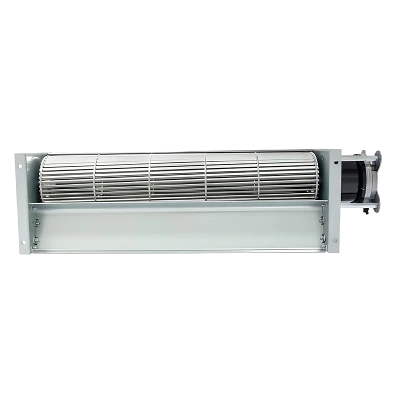
First, let's clarify what a DC cross flow heating fan is, and how it operates differently from the AC cross flow fans you might already know. Cross flow fans work by drawing air in through one side of the cylindrical impeller, then pushing it radially outward in a uniform curtain through the opposite side-this design is why they deliver such steady, even airflow, unlike axial fans that blow air in a direct stream. DC cross flow fans run on direct current power, which makes them more energy-efficient than AC models, and often lets them operate on lower-voltage power sources like batteries or solar panels-huge perks for off-grid outdoor spaces. That's a big reason people want to bring them outside: for patios, gazebos, covered workyards, or even small outdoor event spaces where plug-in power might be limited.
But here's the catch: outdoor environments are harsh, far more so than controlled indoor spaces. Dust, rain, humidity, temperature swings, and even accidental spills can damage a fan if it's not rated for outdoor use. To put this in perspective, let's compare the DC models we offer and their AC counterparts, since many people might assume a cross flow fan is a cross flow fan-regardless of power type. For example, our DC cross flow models like the [Blauberg VD-T110A-EE-620(R000) 110mm DC Cross Flow Fans] and [Blauberg VF-T065A-EE-820(R000) 65mm DC Cross Flow Fans] are designed with motor and impeller enclosures that prioritize energy efficiency, not weather resistance. Most of our standard DC models have an IP rating of IP20, meaning they're only protected against solid objects larger than 12.5mm (like fingers) and have no protection against water at all. That means leaving one out in the rain, or even setting it on a damp patio, could cause short circuits or corrosion that kills the motor.
In contrast, AC cross flow fans like the [Blauberg VL-T080A-AE-250(R000) 80mm AC Cross Flow Fans] and [Blauberg VL-T040A-SP-250(R001) 40mm AC Cross Flow Fans]-wait, hold on-don't get me wrong, those AC models aren't automatically outdoor-rated either, but some of our AC cross flow lines do have higher IP ratings for specialty applications. The key distinction is that DC cross flow heating fans are optimized for indoor use, where the environment is temperature-stable, low-dust, and dry. Their motor windings aren't coated to resist moisture, and their impellers are often made of thin plastic that can warp in extreme outdoor temperatures, or degrade from UV exposure over time.

That's not to say DC cross flow heating fans have zero outdoor utility. There are specific outdoor scenarios where a DC model works perfectly, as long as you set it up correctly. Let's talk about use cases where DC cross flow fans shine outside:
- Covered, low-exposure spaces: If you're heating a screened-in porch, a gazebo with a solid roof that blocks rain and direct sun, or a covered patio where the fan won't get splashed, a DC cross flow fan can work great here. The key is to place it in a spot where it's protected from direct water. Even a small overhang that keeps rain off the unit is enough to extend its lifespan. For these spaces, the energy efficiency of DC models is a big win-you can run it on a small solar panel system, so you don't need to run an extension cord across your patio, which is a safety hazard in rainy weather.
- Temporary outdoor setups: If you're using the fan for a weekend outdoor event, a job site's temporary break area, or a tailgate, a portable DC cross flow heating fan is ideal. But again, you need to keep it covered-use a plastic canopy or a small waterproof enclosure for the fan itself if it's going to be out for long. The portability of DC models (many have built-in battery packs) makes them perfect for these short-term, low-exposure uses.
- Cold, dry outdoor environments: If you're in a place with low humidity and rarely gets rain, a DC cross flow fan can handle mild outdoor conditions. Just make sure to bring it indoors when you're done using it, and store it in a dry spot. Extreme cold won't harm the DC motor (most are rated for temperatures down to -10°C, which is fine for most cool outdoor uses), but extreme heat and moisture are the real enemies.
Which cross flow fan models should you review?
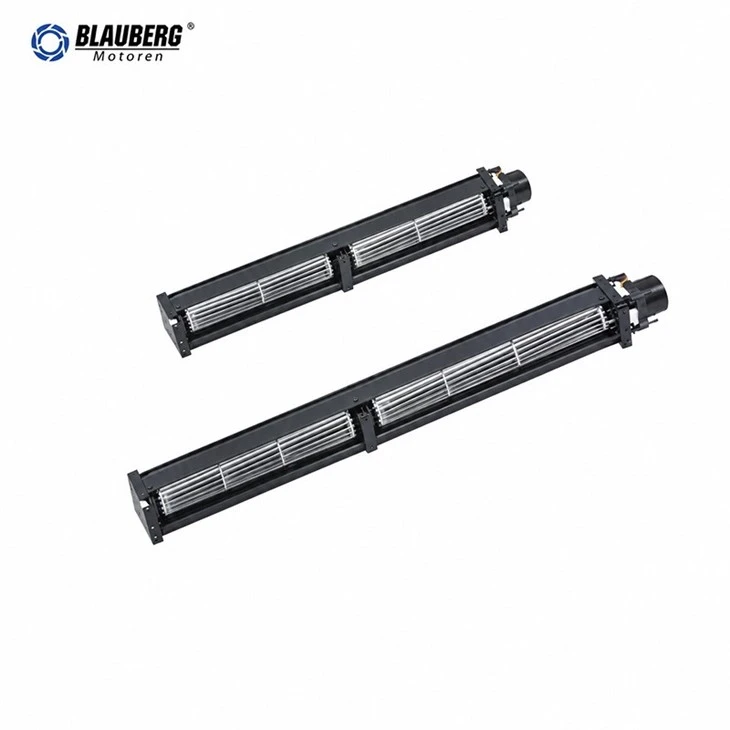
Blauberg VF-T030A-EE-1082(R002) 30mm DC Cross Flow Fans
30mm Cross Flow Fans, Approx. 175 m³/h maximum airflow and Approx. 17 Pa maximum static pressure.
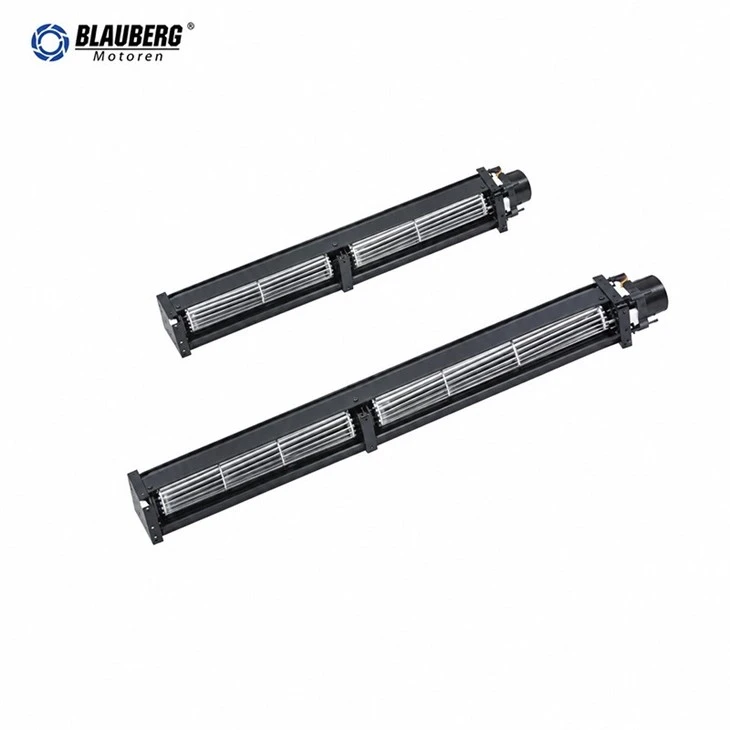
Blauberg VD-T030A-EE-1082(R002) 30mm DC Cross Flow Fans
30mm Cross Flow Fans, Approx. 175 m³/h maximum airflow and Approx. 17 Pa maximum static pressure.
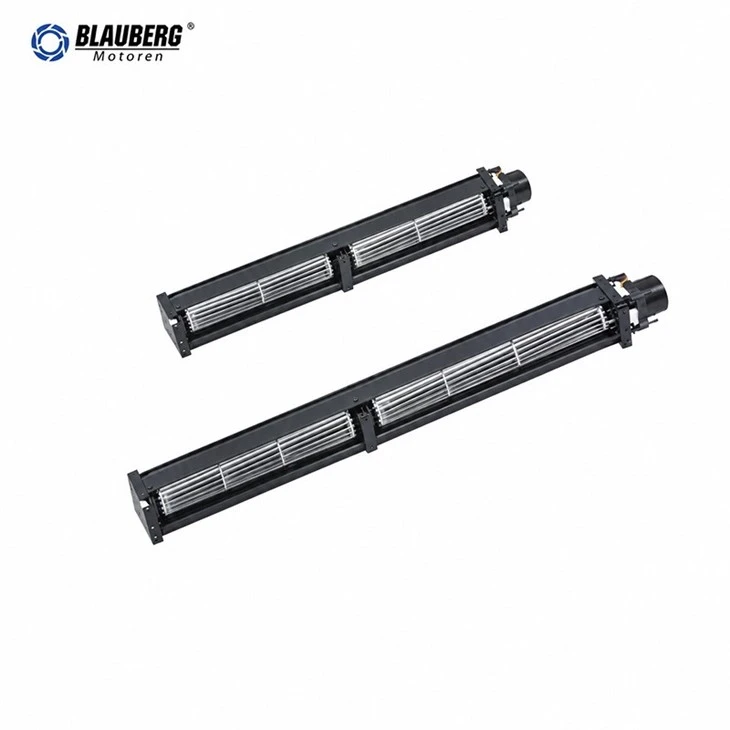
Blauberg VD-T030A-EE-986(R002) 30mm DC Cross Flow Fans
30mm Cross Flow Fans, Approx. 160 m³/h maximum airflow and Approx. 17 Pa maximum static pressure.
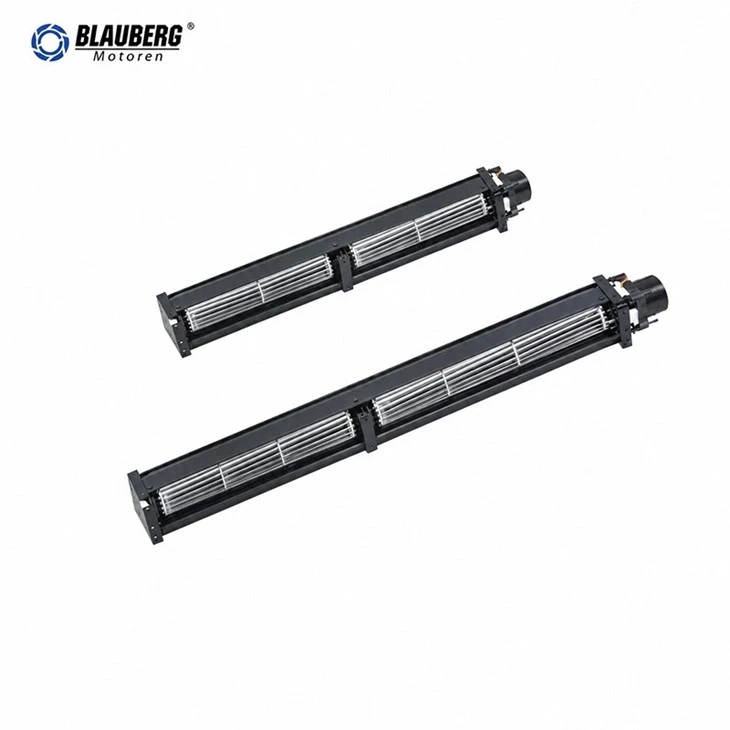
Blauberg VF-T030A-EE-986(R002) 30mm DC Cross Flow Fans
30mm Cross Flow Fans, Approx. 160 m³/h maximum airflow and Approx. 17 Pa maximum static pressure.
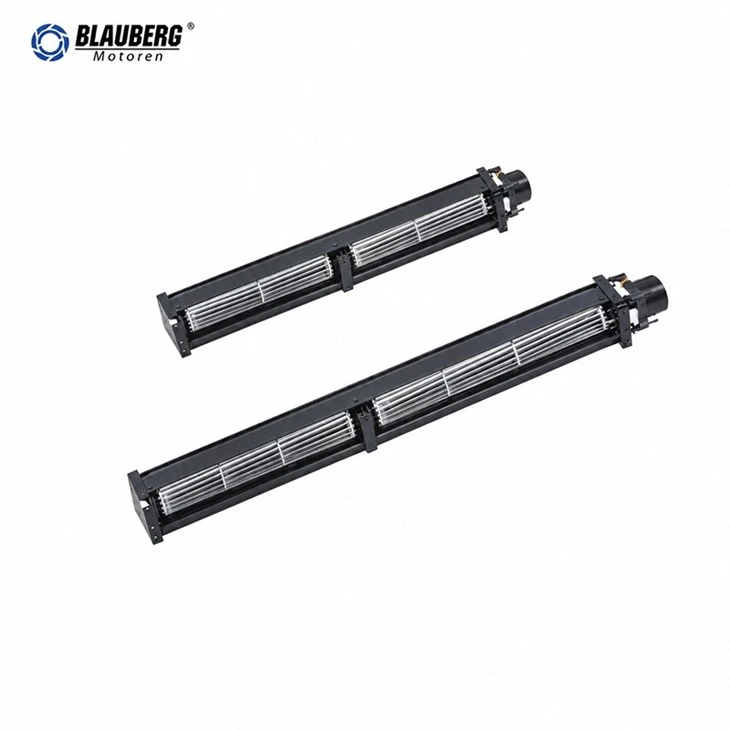
Blauberg VF-T030A-EE-920(R002) 30mm DC Cross Flow Fans
30mm Cross Flow Fans, Approx. 150 m³/h maximum airflow and Approx. 17 Pa maximum static pressure.
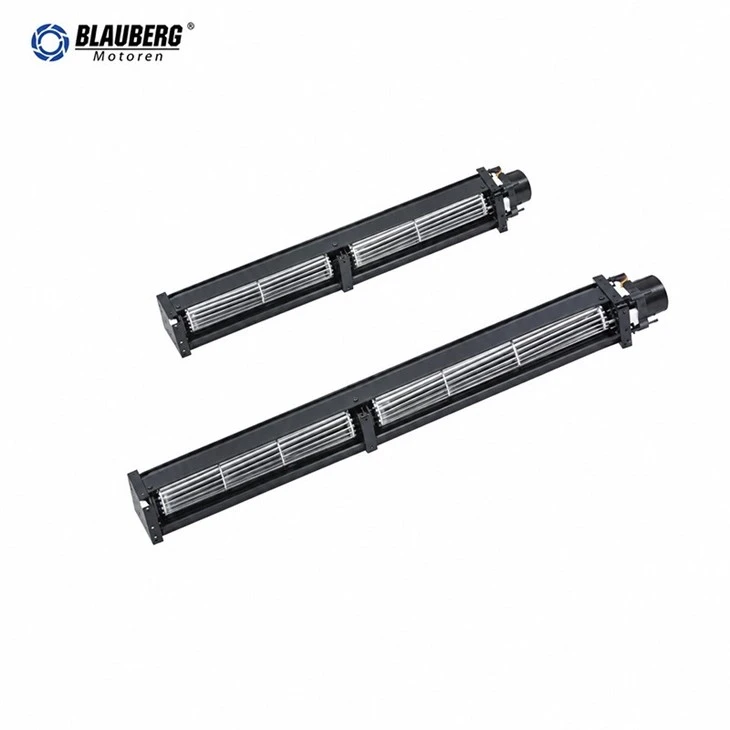
Blauberg VD-T030A-EE-920(R002) 30mm DC Cross Flow Fans
30mm Cross Flow Fans, Approx. 150 m³/h maximum airflow and Approx. 17 Pa maximum static pressure.
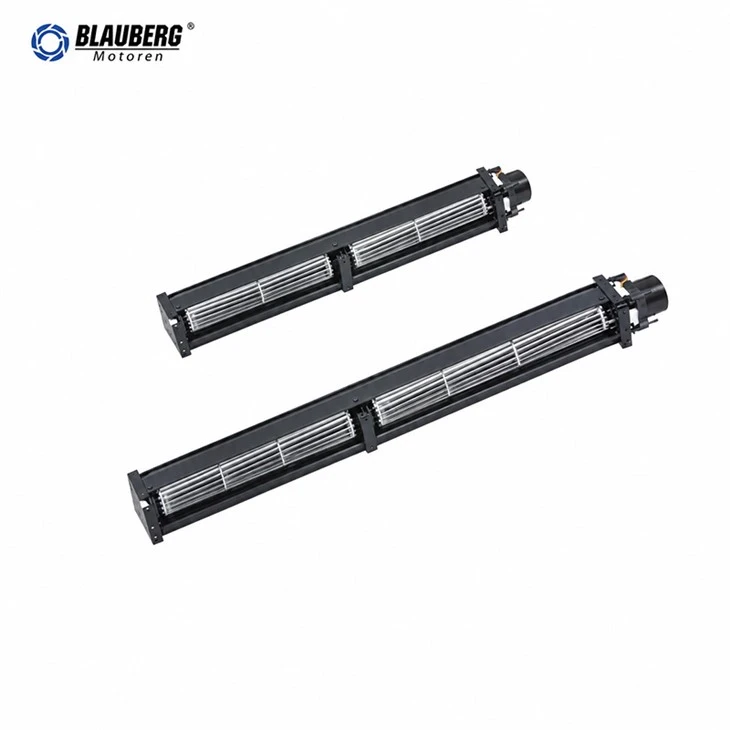
Blauberg VF-T030A-EE-800(R002)E 30mm DC Cross Flow Fans
30mm Cross Flow Fans, Approx. 130 m³/h maximum airflow and Approx. 17 Pa maximum static pressure.
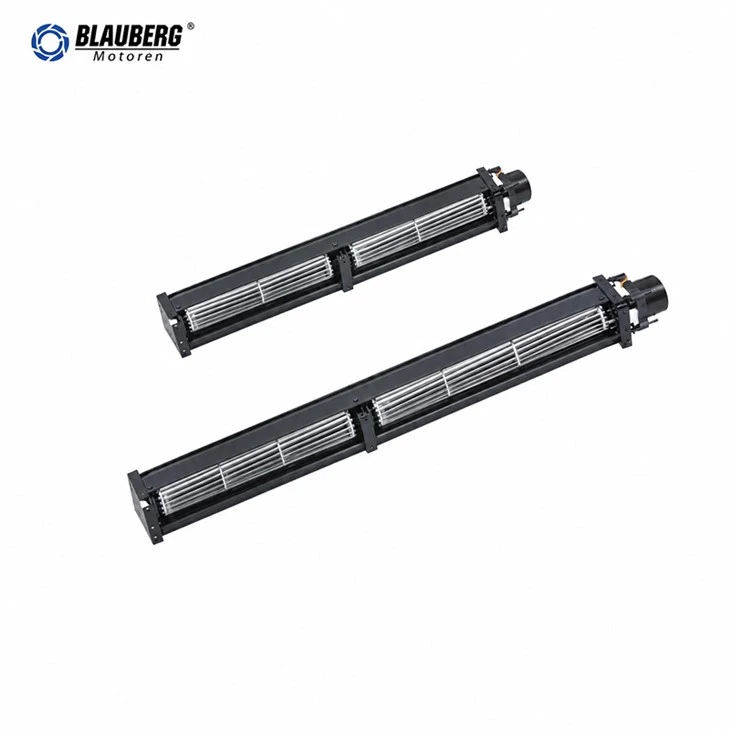
Blauberg VF-T030A-EE-854(R002) 30mm DC Cross Flow Fans
30mm Cross Flow Fans, Approx. 140 m³/h maximum airflow and Approx. 17 Pa maximum static pressure.
Product descriptions from the Blauberg catalogue, checked 22 September 2026. Listed airflow and pressure maxima are separate ratings; confirm the selected model at your operating point.
Now, let's talk about the mistakes people make when using DC cross flow heating fans outdoors. I've seen customers try to use a standard indoor DC fan out in the open without any protection, and within a month, it stops working. Here are the top pitfalls to avoid:
-
Using the wrong IP rating: If a fan is rated IP20, it means no water protection. Even a light rain can seep into the motor housing. If you're dead set on using a cross flow fan outdoors, you need to look for models with at least IP44 rating, which protects against splashing water from any direction. But as I mentioned earlier, most of our DC cross flow heating fans are IP20, while some AC models like the [Blauberg VL-T100A-AI-365(R000) 100mm AC Cross Flow Fans] have higher IP ratings for commercial outdoor HVAC applications. The gap here is that DC models' energy efficiency is a huge benefit for outdoor use, but the IP ratings don't always match up. If you really want DC power for outdoor use, you might need to modify your fan with a waterproof enclosure-though I always advise against modifying factory units, as it voids warranties and can cause airflow issues.
-
-
Ignoring temperature and UV exposure: DC cross flow fan impellers are usually made of ABS plastic, which can become brittle in cold temperatures and warp in temperatures over 40°C. Direct sunlight also breaks down plastic over time, so leaving your fan out in full sun will cause the impeller to lose its shape, which reduces airflow and makes the fan noisy. If you must place it in a sunny spot, invest in a UV-resistant cover for the fan, and bring it indoors when not in use.
-
-
Inadequate power sources: DC fans run on lower voltage, but if you're using them outdoors, you need a reliable power source that's also weather-resistant. Extension cords are a common cause of accidents-if you use an indoor extension cord outside, it can get wet and cause electric shock. Instead, use a heavy-duty outdoor-rated extension cord, or a solar panel with a waterproof battery pack. This not only keeps you safe, but it also ensures the fan runs at consistent voltage, which is important for its heating performance.
-
Another factor to consider is heating output. DC cross flow heating fans are designed to move air at a consistent rate, which makes them good for spot heating-they don't blow a wide, forceful stream like an axial fan, but instead create a gentle, even heat curtain that's perfect for keeping a small area warm. That spot heating capability is why people love them for outdoor use, but it also means they're not ideal for large, open spaces like a backyard patio with no enclosure. They work best for spaces up to 200 square feet where the heat won't dissipate too quickly-exactly the kind of spaces that are covered or semi-enclosed.
So, when should you choose a DC cross flow fan over an AC cross flow fan for outdoor use? It comes down to your power source and your needs. If you have access to a permanent outdoor power outlet, and you need a fan for a semi-permanent covered outdoor space, a high-IP AC model like the Blauberg VL-T100A-AI might be a better choice, since it's built to handle outdoor conditions. But if you need portability, off-grid power, or lower energy costs for a temporary setup, a DC cross flow heating fan can work-if you take the right precautions to protect it from the elements.
Let me wrap this up with some actionable tips if you decide to use a DC cross flow heating fan outdoors:
-
Always keep it covered: Even a small waterproof cover or a spot under an overhang will protect it from rain, dew, and splashes. If possible, store it indoors when not in use.
-
Check the IP rating before you buy: If you're buying a DC model, look for one with at least IP44 for outdoor use. Most standard DC heating fans have IP20, so if your model doesn't have that rating, stick to very low-exposure spaces.
-
Use the right power source: Invest in an outdoor-rated extension cord or a waterproof solar battery pack to avoid safety hazards and inconsistent power.
-
Clean it regularly: Outdoor dust and debris can build up in the cross flow impeller, reducing airflow and heating efficiency. Wipe it down with a dry cloth every few weeks, and blow out dust with compressed air (set to low pressure) if it's dirty.
If you have questions about which DC or AC cross flow fan is right for your outdoor heating needs, I'm here to help. We offer a full range of cross flow fans, from small 40mm AC models for compact outdoor heaters to 110mm DC models for larger spot heating applications. Whether you're setting up a covered patio, a temporary job site, or a screened-in porch, we can help you find the right fan that balances performance, energy efficiency, and durability for your outdoor space. Reach out to our team to discuss your specific requirements and get a personalized recommendation for your outdoor heating project.

References
ASHRAE. (2021). HVAC Applications Handbook: Outdoor Ventilation and Heating Systems. American Society of Heating, Refrigerating and Air-Conditioning Engineers.
International Electrotechnical Commission. (2019). IEC 60529: Degrees of Protection Provided by Enclosures (IP Code). IEC Standard.
National Fire Protection Association. (2020). NFPA 70: National Electrical Code, Article 400 for Outdoor Cord Sets and Power Supply Cords. NFPA Standard.
Category of Blauberg Products
Built on German engineering principles, focusing on precision, reliability, and long-term performance. Through efficient and scalable manufacturing, we deliver high-quality ventilation solutions with optimized cost structure, ensuring strong value for global OEM and project-based customers.