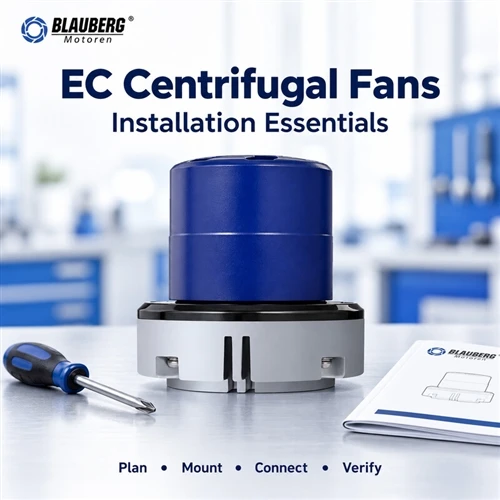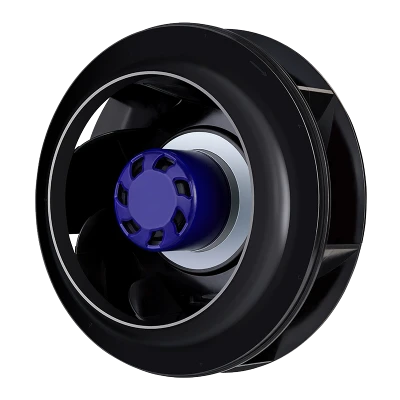
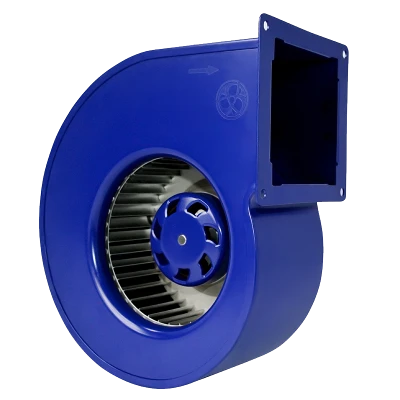
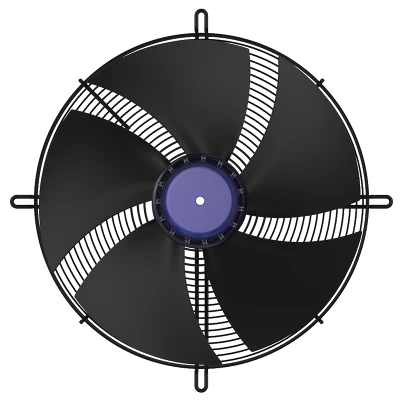
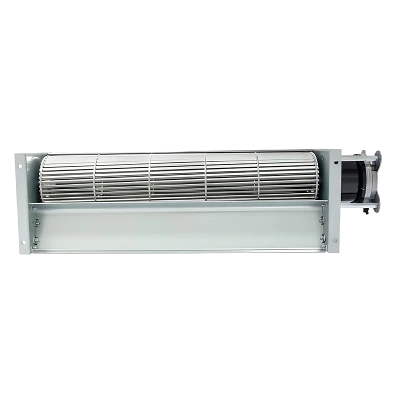

As an EC centrifugal fan supplier who's worked with countless HVAC, industrial ventilation, and air purification projects over the past 8 years, I've seen firsthand how even a small installation mistake can turn a high-efficiency fan into a costly underperformer. EC (Electronically Commutated) centrifugal fans are a game-changer for energy savings, precise airflow control, and long lifespans-but their benefits only hold if installed correctly. In this post, I'll walk through every step of a safe, effective EC centrifugal fan installation, from pre-planning to post-install testing, and share pro tips I've learned from troubleshooting hundreds of setups.
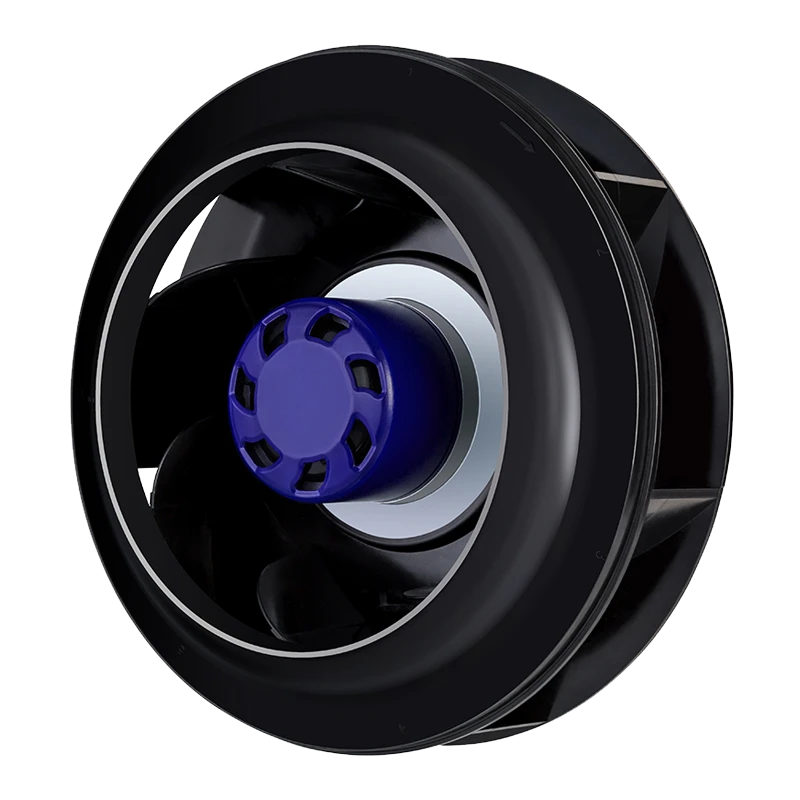
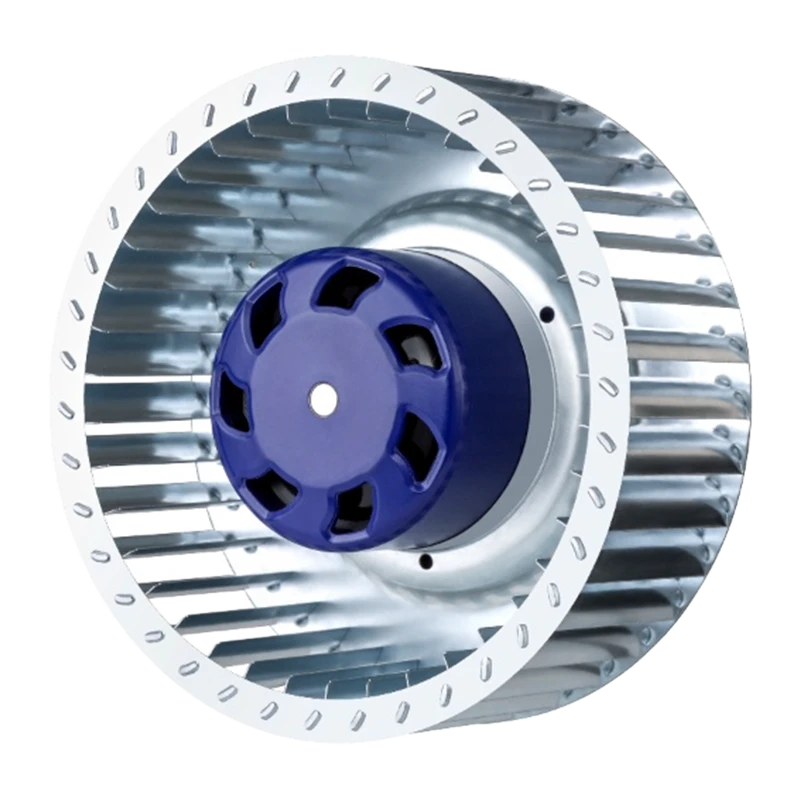
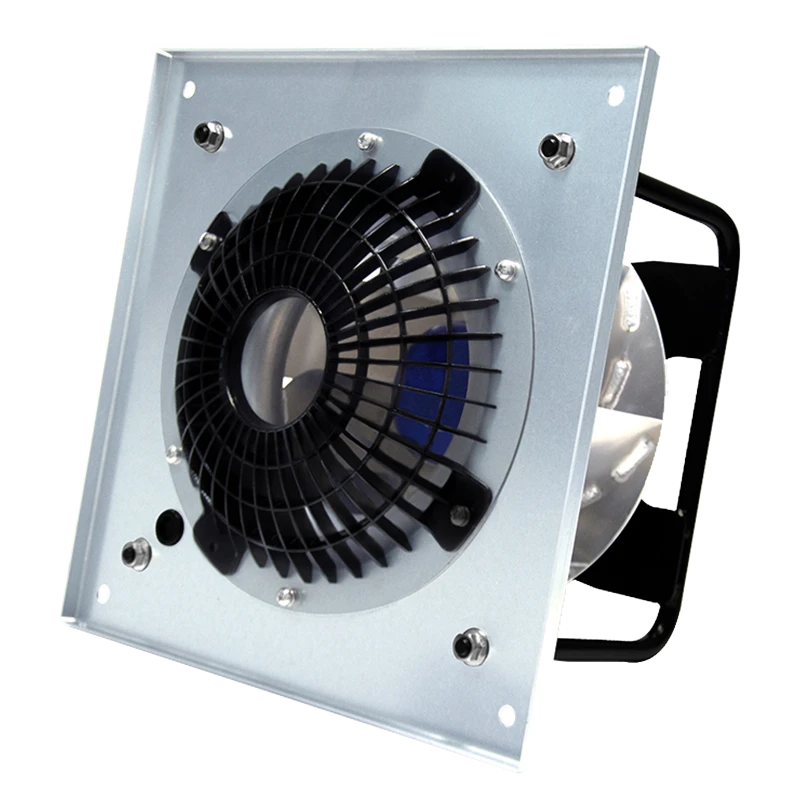
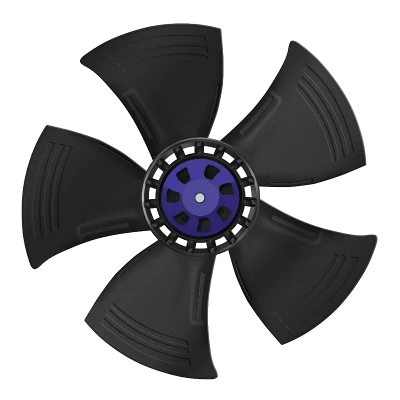
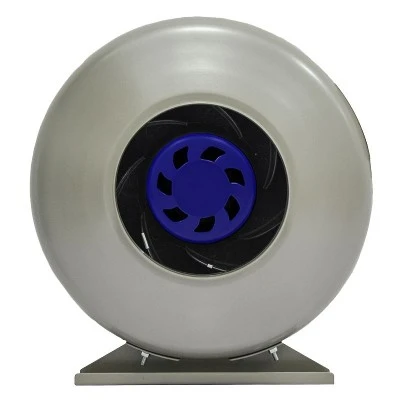
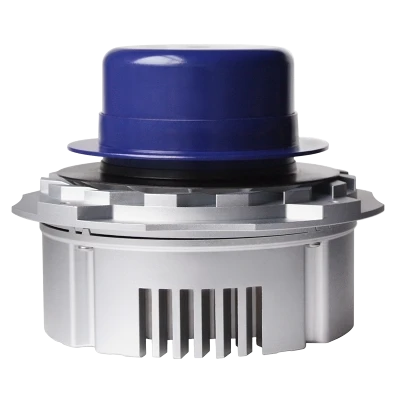
First, let's start with a critical pre-install step: choosing the right fan for your application. Many installers skip this and end up with a fan that's too small (can't cool your space) or too big (wastes energy on unnecessary airflow). Let's break down the selection basics. EC centrifugal fans come in a range of voltages, power ratings, and control options to fit different needs. For example, if you're looking for a robust motor for industrial exhaust or commercial HVAC systems, our 230v 170W Big Motor EC Centrifugal Fan Motors Electrical is a popular pick-its high power output and 230V compatibility make it ideal for spaces requiring consistent, moderate airflow. If you need variable-speed control for system balancing, our 230v Centrifugal Fans with External Rotor Motor 0-10v lets you adjust airflow in real time, which is perfect for green buildings looking to cut energy costs. For high-power applications, the 230v 750W Big Motor EC Centrifugal Fan Motors Electrical 0-10v delivers heavy-duty performance, while our 48V 85W 5060hz Motor Centrifugal Exhaust Fan Motor Blower Ec Fan Manufacturers is compact, low-voltage, and well-suited for residential or small commercial exhaust systems. The 230v Centrifugal Fans with External Rotor Motor Big Motor EC Centrifugal Fan is another versatile option, balancing size, power, and control for mid-range industrial uses.

Before you even pick up tools, make sure you've gathered all the necessary pre-install documentation. First, pull the fan's technical manual-every model has specific mounting dimensions, weight limits, and electrical requirements, and skipping this step is a top cause of installation errors. Next, inspect the fan on delivery: check for dents in the housing, loose blades, or damaged wiring. I once had a customer who tried to install a fan with a bent blade, and it caused 2x more noise than it should have until we replaced the part. Also, confirm your electrical setup matches the fan's specs: most EC centrifugal fans need a dedicated circuit, and 0-10v control models (super common for commercial HVAC) need a separate low-voltage control wire, not just the main power line.
Now, let's move into the actual installation. The first big decision is mounting location. EC centrifugal fans can be mounted in three main ways: duct inline, wall-mounted, or ceiling-mounted. For duct use, make sure the space you're mounting in has enough clearance-around 12 inches on all sides for maintenance, and no air restrictions near the inlet or outlet. Inlet restrictions are especially bad because they can reduce airflow by 30% or more; I always tell installers to ensure the inlet has at least the same free area as the fan's diameter. Mounting stability is next: EC centrifugal fans vibrate less than AC models, but they still need a solid, level surface to prevent noise or premature bearing wear. Use vibration-damping mounts if the fan is near occupied spaces-this is a small add-on that makes a huge difference in comfort.
After mounting, the ductwork is the next critical step. Duct connections need to be airtight, because even a small leak (10% of airflow) can make the fan work 15% harder, wasting energy. Use metal-backed duct tape or mastic sealant for joints, not just regular duct tape, which fails over time. Also, for centrifugal fans, the direction of the airflow is non-negotiable-most fans have an arrow on the housing pointing to the outlet; make sure your ductwork matches that direction. I've seen installers flip the fan 180 degrees because they misread the arrow, and it led to almost no airflow at all. If you're using flexible duct, keep it as straight as possible, and don't stretch it tight-this can cause kinks that restrict airflow.
Which centrifugal fan models should you review?

Blauberg BE-B400H-EC-05 400mm DC Backward Centrifugal Fan
View product details and specifications.
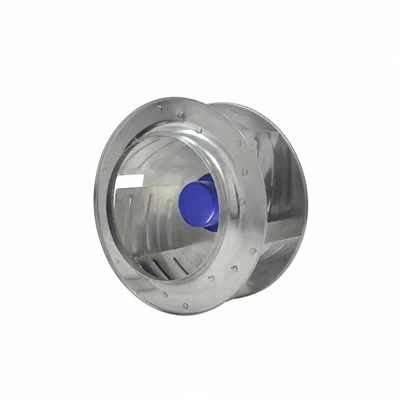
Blauberg BE-B400D-EC-05 400mm DC Backward Centrifugal Fan
View product details and specifications.
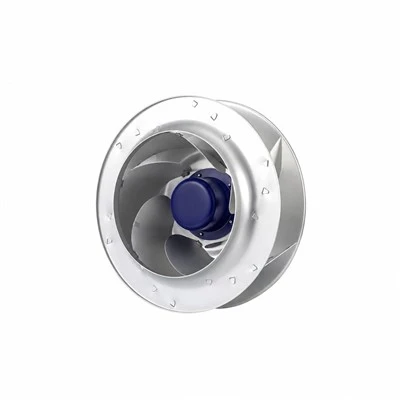
Blauberg BE-B355C-EC-05 355mm DC Backward Centrifugal Fan
View product details and specifications.
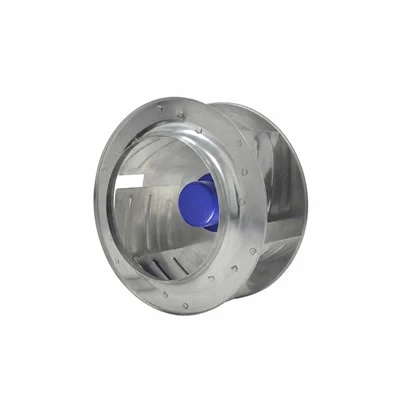
Blauberg BN-B310C-EC-01 310mm DC Backward Centrifugal Fan
View product details and specifications.
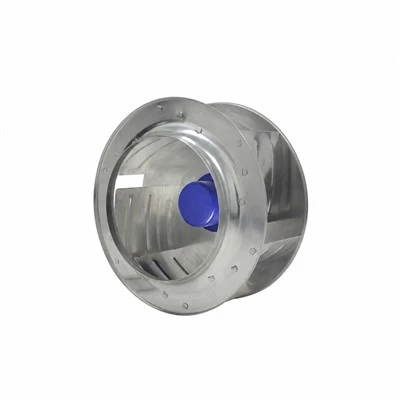
Blauberg BE-B310D-EC-N07 310mm DC Backward Centrifugal Fan
View product details and specifications.
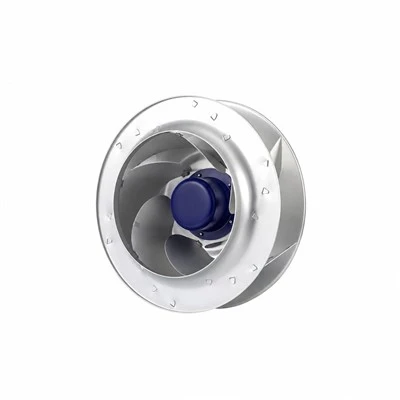
Blauberg BE-B310D-EC-05 310mm DC Backward Centrifugal Fan
View product details and specifications.
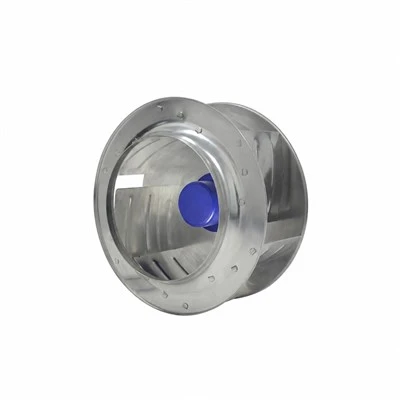
Blauberg BE-B310C-EC-01 310mm DC Backward Centrifugal Fan
View product details and specifications.
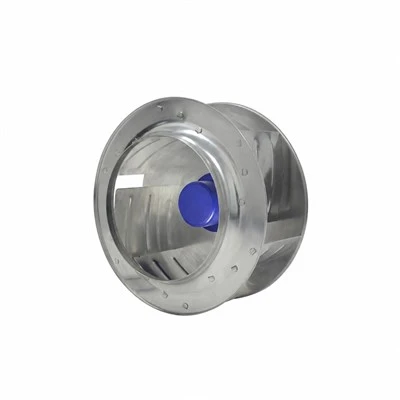
Blauberg BD-B310D-EC-N07 310mm DC Backward Centrifugal Fan
View product details and specifications.
Now, the electrical connection, which is where many mistakes happen. EC motors are more efficient than standard AC motors, but they're also sensitive to wiring errors. First, turn off the main circuit breaker to the installation area-safety is non-negotiable here. Follow the wiring diagram in your fan's manual: for 230v models, you'll have live, neutral, and ground wires. For models with 0-10v control (like our 230v Centrifugal Fans with External Rotor Motor 0-10v), the low-voltage control wires are separate, usually labeled "V+", "V-", and sometimes "I" for current. Never connect control wires to the main power line-this will damage the EC motor's control board, which is a $200+ replacement. Also, make sure your circuit can handle the fan's wattage: for example, our 230v 170W Big Motor EC Centrifugal Fan Motors Electrical draws about 1.2 amps at full load, so a 15-amp circuit is sufficient, but a 750W model will need a 15-amp dedicated circuit to avoid tripping breakers. After connecting, double-check all terminals to make sure they're tight-loose wires cause overheating, which is a fire hazard.
Once wiring is done, it's time for post-install testing, which I always stress isn't a step to skip. First, turn the power back on, and set the control to the lowest speed. Listen for any unusual noises: grinding means the blades are hitting something, rattling means mounting is loose, and high-pitched squealing is usually a bearing issue. If you hear anything, shut off power immediately to inspect-don't run a faulty fan, as it can destroy the motor. Next, measure airflow: use an anemometer at the outlet to make sure it matches the fan's rated airflow. If it's lower than expected, check for duct leaks, kinks, or inlet restrictions. For 0-10v models, test the control range: adjust the control signal from 0v to 10v to make sure the fan speed changes smoothly, no stuttering or gaps.
A few pro tips I've picked up over the years to make installations go smoothly: first, leave access panels for future maintenance-you'll need to clean the blades, check wiring, and replace filters every 6 to 12 months, and trying to remove a fan bolted in a tight spot wastes time. Second, for outdoor installations, use a weatherproof enclosure even if the fan is rated for outdoor use-rain and extreme temperatures can shorten lifespan. Third, if you're replacing an old AC fan with an EC model, you can often reuse the existing ductwork, but you'll need to update the electrical circuit to match the EC motor's requirements (EC motors run on DC power converted from AC, so make sure your circuit has the right voltage and amperage).

If you're planning an EC centrifugal fan installation and want to ensure you're using the right model, or if you need technical support for your project, we're here to help. Our team has decades of experience working with HVAC, industrial, and commercial applications, and we can help you select the perfect fan from our lineup-whether you need a compact 48V 85W 5060hz Motor Centrifugal Exhaust Fan Motor Blower Ec Fan Manufacturers for small spaces, a variable-speed 230v Centrifugal Fans with External Rotor Motor 0-10v for green buildings, or a heavy-duty 230v 750W Big Motor EC Centrifugal Fan Motors Electrical 0-10v for industrial use. Reach out to our team to discuss your project needs, get product specs, or schedule a technical consultation. We're committed to helping you get the most out of your EC centrifugal fan, from installation to long-term performance.
References:
- HVAC Inspection, Maintenance, and Repair Manual (2nd Edition) by Robert Rossi
- EC Motor Technology: Fundamentals and Applications by Thomas A. Fogarty
- AMCA Standard 201-16: Air Movement and Control Association Standards for Fans
- National Electrical Code (NEC) 2020, Article 430 for Motor Circuits and Controls
- Centrifugal Fan Design and Installation Guide, Air Movement and Control Association International
Category of Blauberg Products
Built on German engineering principles, focusing on precision, reliability, and long-term performance. Through efficient and scalable manufacturing, we deliver high-quality ventilation solutions with optimized cost structure, ensuring strong value for global OEM and project-based customers.