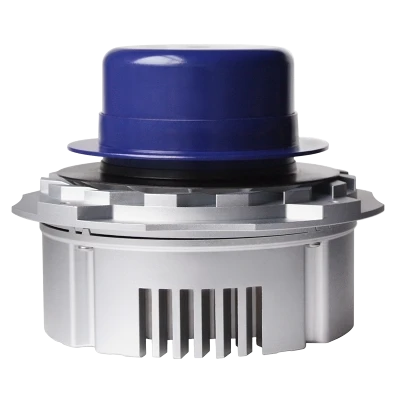

Hey there! If you're in the industrial equipment game, you know how tricky it is to pick parts that actually work for your setup-especially when it comes to drying gear. I'm part of the team that supplies EC axial fans, and lately, we've had so many customers asking, "Are EC axial fans actually worth it for industrial drying?" Spoiler: After seeing how they perform in everything from lumber kilns to food processing dryers, I'm here to say they're way more than a fad. Let's break this down with real talk, no sales fluff.
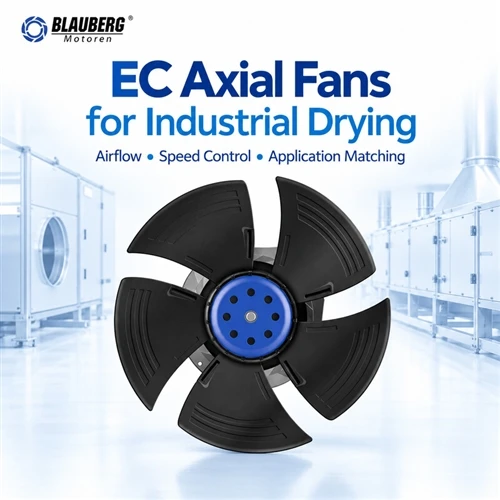
First, let's get clear on what EC axial fans are, quick. EC stands for Electronically Commutated-think of 'em as the upgrade to traditional AC axial fans. They use a brushless DC motor that's way smarter, right? Instead of those noisy, energy-hungry AC motors that run at full speed no matter what, EC motors adjust their output based on your needs. For drying equipment, that's a game-changer because drying isn't a one-size-fits-all process. Whether you're drying wet concrete, grains, or even paper products, you need consistent airflow without wasting energy.
Let's start with the big one for industrial drying: energy efficiency. Drying is one of the most energy-heavy steps in manufacturing-like, up to 25% of total industrial energy use goes into drying processes, according to what we see from equipment specs. Old AC axial fans use way more power because they can't modulate. EC axial fans? They use up to 50% less energy than AC models at the same airflow. Why? Because they have variable speed control built in. If your drying load is less intense early on, the fan slows down instead of running flat out. If humidity spikes mid-cycle, it cranks up just enough to pull that moisture out fast.
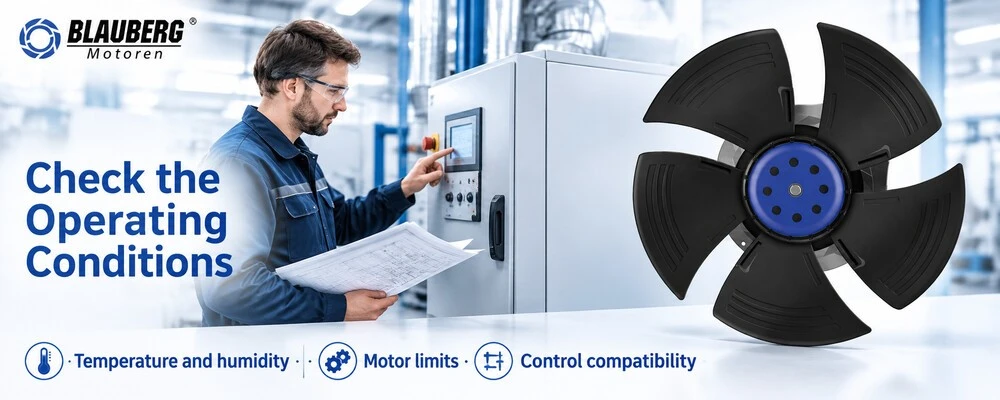
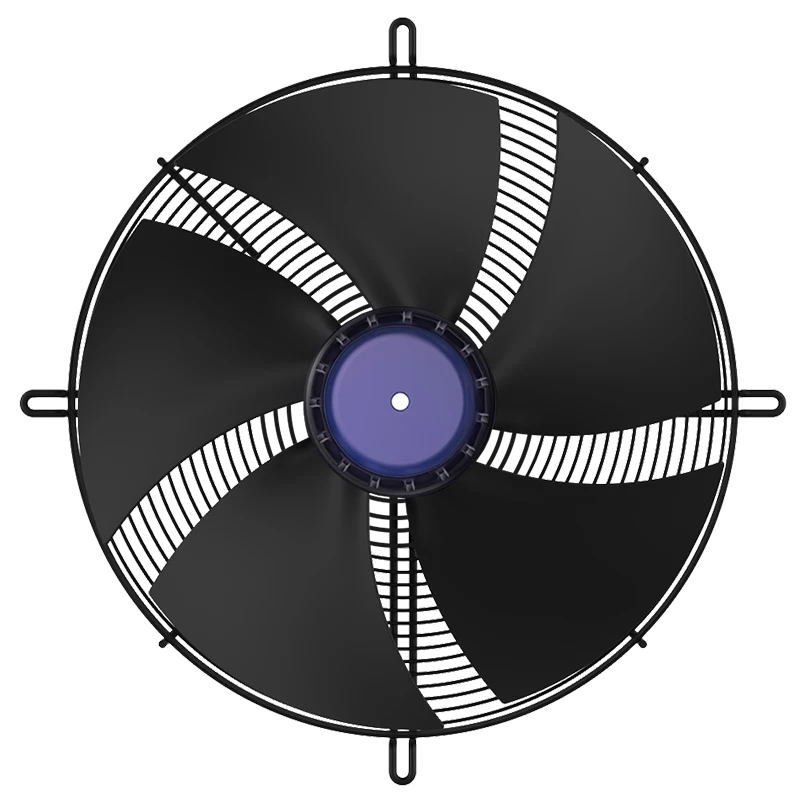
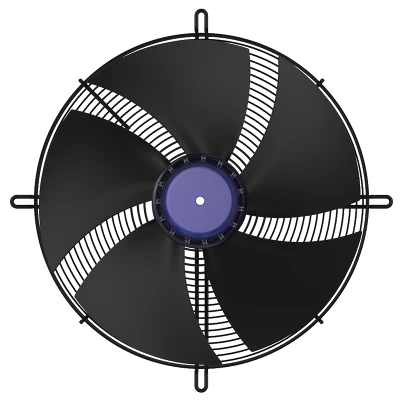
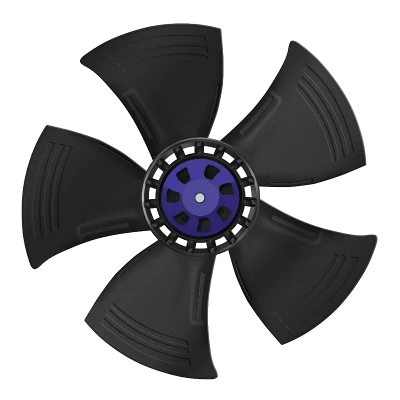
I've got a few fans here that we supply, and they're perfect for different drying setups. For medium-sized dryers-say, those used in small-scale lumber mills or craft food processing-our [Blauberg BL-A300C-EC-02 300mm EC Axial Fan] hits the sweet spot. It's compact but pumps out steady airflow, and its PWM control lets you tweak speed on the fly. For bigger setups, like large agricultural drying beds, the [Blauberg BL-A450C-EC-05 450mm EC Axial Fan] moves way more air without the energy drain of a larger AC fan. I actually had a customer who swapped out AC fans in their grain dryer for this one, and their electric bill dropped by almost 40% in the first month. No joke-they sent us a text saying they couldn't believe the difference.
Next, airflow consistency is non-negotiable for drying. If your dryer has hot spots or uneven airflow, you end up with finished products that are over-dried in some places and still damp in others-total waste. EC axial fans deliver uniform airflow because their motors are more precise. AC fans often have speed fluctuations as the motor heats up, which messes with airflow rates. EC motors run smoother, so the fan maintains consistent CFM (cubic feet per minute) even over long runs.
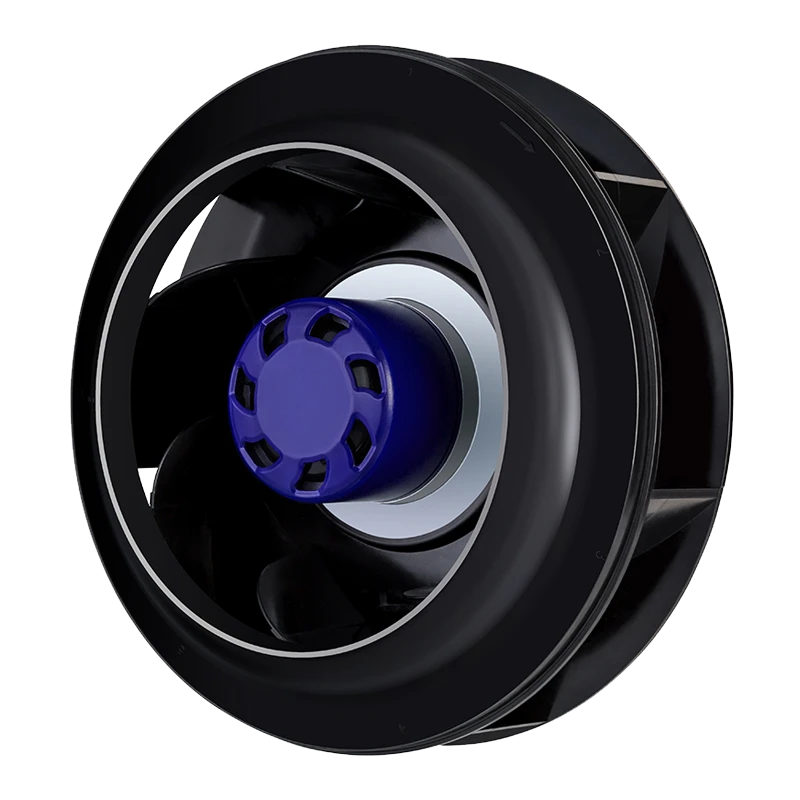
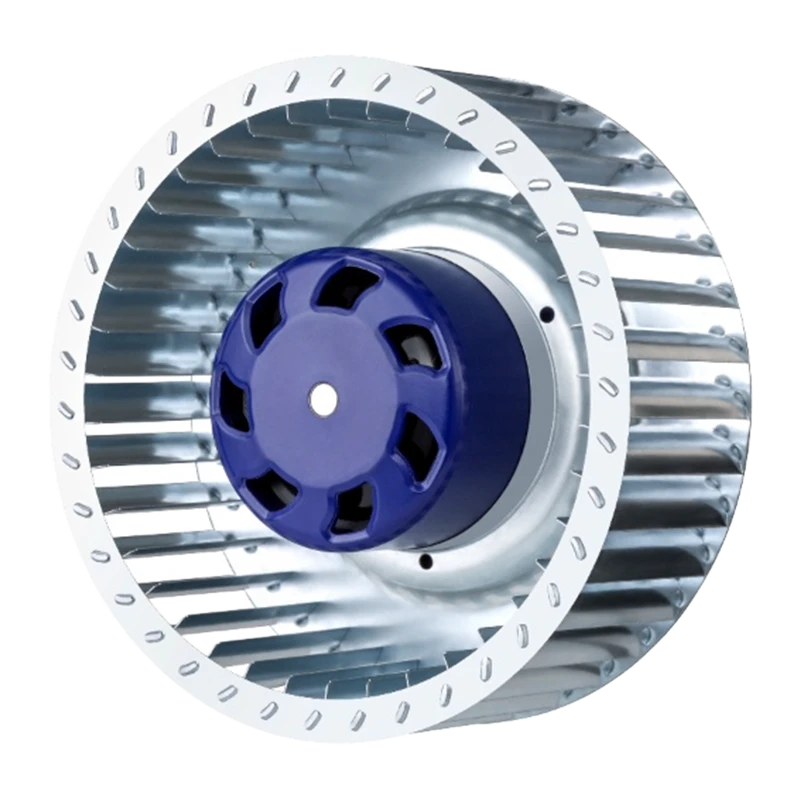
Take, for example, a paper product dryer. Paper needs super even drying to avoid warping or tearing. We had a client in the packaging industry who switched from AC to our [350mm EC Axial Fan High Efficiency Centrifugal Fan Axial Blower Fan] in their paper dryer. They told us they went from a 12% product rejection rate due to uneven drying down to less than 2%. That's not just better product-it's less waste, which translates to more profit for them.
Durability's another big factor in industrial settings. Industrial drying equipment runs 24/7 sometimes, so parts can't break down every few months. EC axial fans are built for that heavy use. Their brushless motors have fewer moving parts than AC motors, so less wear and tear. No brushes means no friction, no sparking, and way less maintenance-you don't have to replace brushes every quarter like you do with some AC fans. We've had customers run our [Blauberg BL-A500C-EC-05 500mm EC Axial Fan] in their continuous drying ovens for over two years without any issues. That's way longer than the average AC fan in the same setup.
Which EC axial fan models should you review?
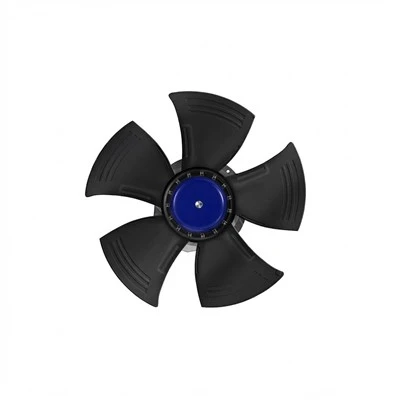
Blauberg BL-A500C-EC-05 500mm EC Axial Fan
View product details and specifications.
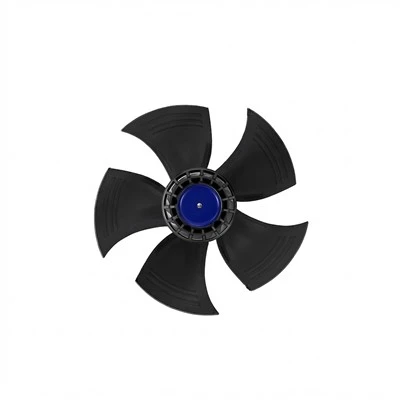
Blauberg BL-A450C-EC-05 450mm EC Axial Fan
View product details and specifications.
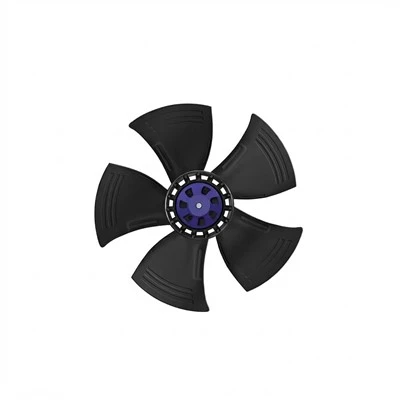
Blauberg BL-A400C-EC-07 400mm EC Axial Fan
View product details and specifications.
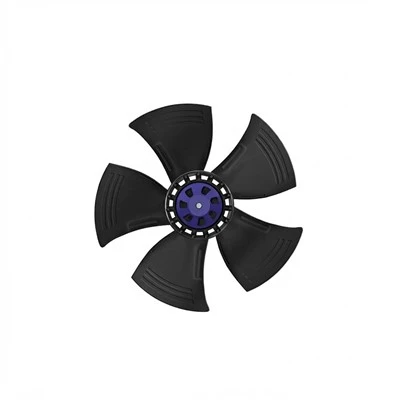
Blauberg BL-A400C-EC-05 400mm EC Axial Fan
View product details and specifications.
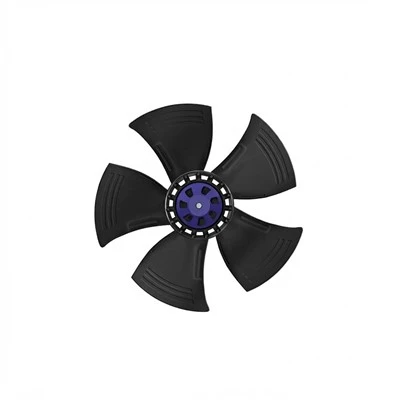
Blauberg BC-A400C-EC-07 400mm EC Axial Fan
View product details and specifications.
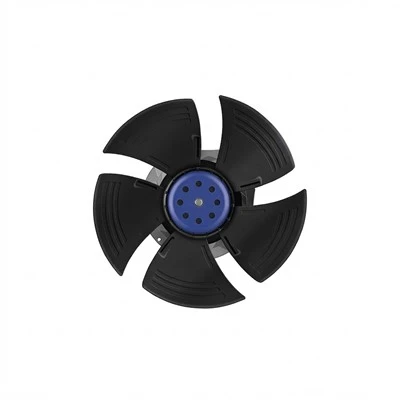
Blauberg BL-A350C-EC-F05 350mm EC Axial Fan
View product details and specifications.
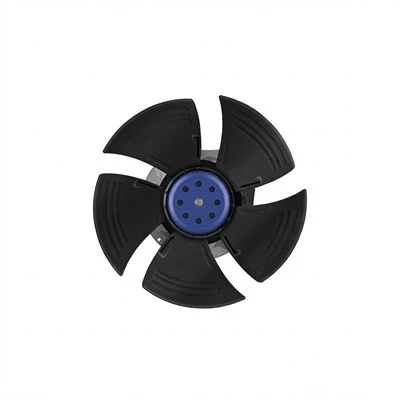
Blauberg BL-A350C-EC-07 350mm EC Axial Fan
View product details and specifications.
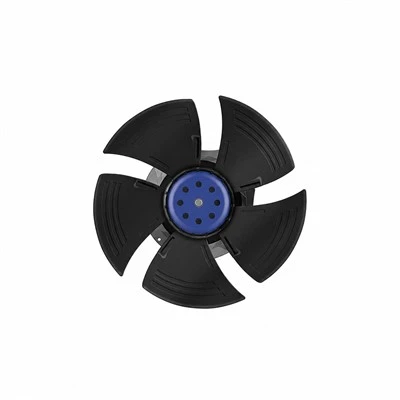
Blauberg BL-A350C-EC-05 350mm EC Axial Fan
View product details and specifications.
Wait, but let's address the common pushback: EC fans are more expensive upfront, right? I get it-you look at the price tag and think, "Why not just go with the cheaper AC fan?" But here's the catch: the energy savings and lower maintenance add up fast. Let's do quick math. Suppose you're running a fan 10 hours a day, 5 days a week, at $0.15 per kWh. An AC fan uses 1000W, so that's $780 a year in electricity. Our EC equivalent uses 500W, so $390 a year. That's $390 back in your pocket every year. The upfront cost difference? Usually around $200-$300 for a comparable model. You'll make that back in less than a year, and then every year after that, it's pure savings. For a big drying setup with multiple fans, that adds up to thousands a year.
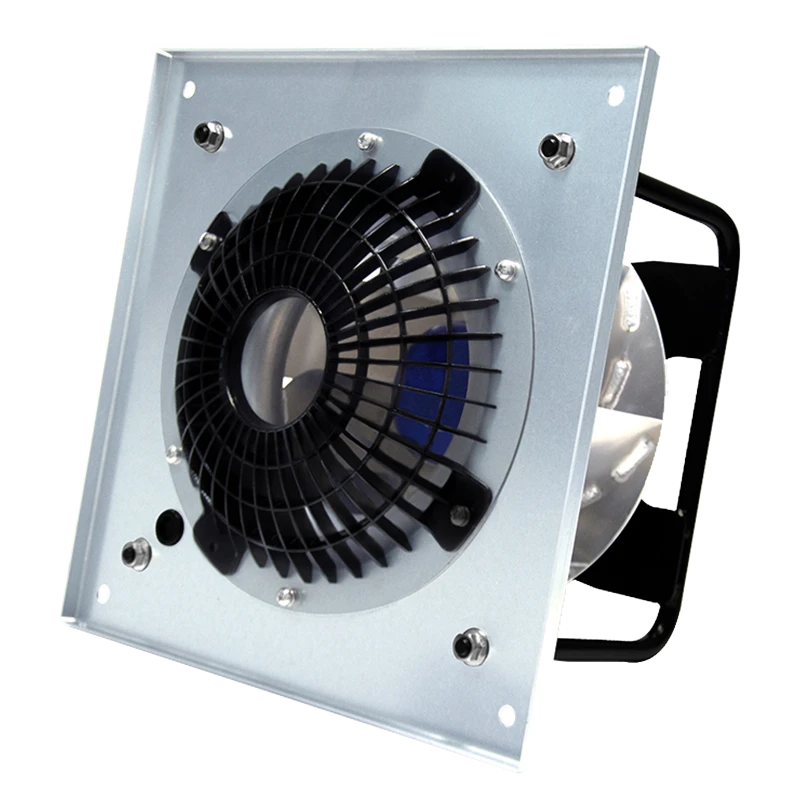
Also, control options are a huge win for modern drying. A lot of industrial drying systems now use smart controls-things like humidity sensors that adjust airflow automatically. EC axial fans work seamlessly with these systems. They support 0-10V and PWM signals, so you can integrate them with your existing smart setup without extra adapters. Our [200mm 0~10V PWM Portable Home Appliances Electric Motor Cooling EC Axial Fan High Efficiency Centrifugal Fan] is even small enough for smaller drying setups, like those in craft bakeries or small electronics drying stations. It's easy to install, and you can tie it to a simple humidity sensor that tells it when to speed up or slow down.
But are there any cases where EC axial fans aren't a good fit? Let's be real-no product works for everything. If you're running a super small, low-use drying setup that only runs a few hours a week, the upfront cost might not be worth it. Or if you're on a tight, short-term budget and you can't wait for the savings to pay back the initial investment. But for most industrial drying applications-big or small, continuous or batch-EC axial fans are the better long-term choice.
I've seen this firsthand with all kinds of customers. A lumber mill in the Pacific Northwest switched from AC to our EC axial fans in their drying kilns. They used to have to shut down for maintenance on fans every 6 months, but now it's only once a year. And their wood product quality went up because the even airflow reduced warping. A snack food manufacturer (think potato chips, which need careful drying) swapped out their old fans for our [Blauberg BL-A450C-EC-05 450mm EC Axial Fan] and saw their chip breakage rate drop by 15%. That's a huge win for their bottom line.
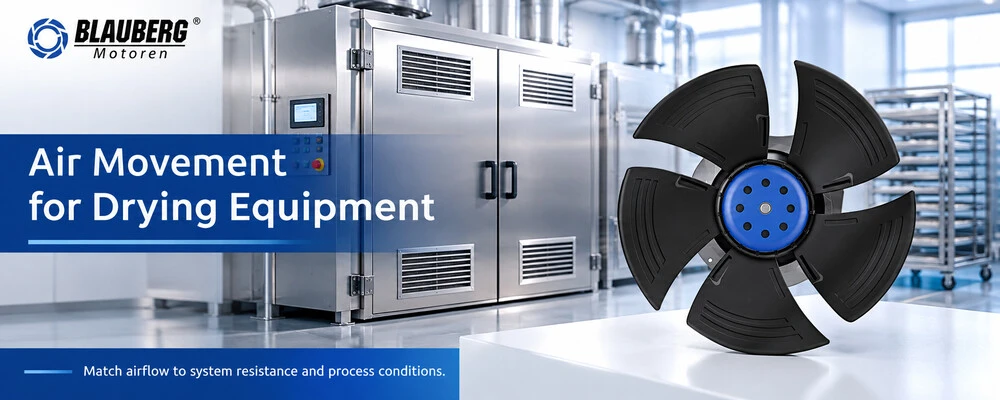
So, to circle back: Yes, EC axial fans are totally suitable for industrial drying equipment. They save you money on energy, cut down on waste from uneven drying, require less maintenance, and work with modern smart controls. The upfront cost is higher, but the long-term benefits make it worth every penny. If you're still using AC fans in your drying setup, it might be time to make the switch.
If you're looking to test one out, or need help picking the right size for your specific dryer-whether it's a small batch dryer or a large industrial kiln-get in touch. We've got a range of EC axial fans for every drying application, and our team can help you find exactly what you need. Don't stick with fans that are costing you money and wasting your time-let's find the right EC axial fan for your drying gear today.
References
- U.S. Energy Information Administration. (2022). Industrial Energy Use: Drying Processes.
- Ventilation Manufacturers Association. (2023). EC Axial Fan Performance Data for Industrial Applications.
- Food Processing Equipment Association. (2022). Best Practices for Airflow in Food Drying Systems.
- Lumber Manufacturing Association. (2023). Kiln Drying Efficiency and Fan Technology.
Category of Blauberg Products
Built on German engineering principles, focusing on precision, reliability, and long-term performance. Through efficient and scalable manufacturing, we deliver high-quality ventilation solutions with optimized cost structure, ensuring strong value for global OEM and project-based customers.