
Hey there! As a supplier of compact cooling fans, I get asked a lot about how to adjust the direction of the airflow of these little powerhouses. It's a crucial aspect, especially when you're trying to optimize the cooling in different settings. So, let's dive right in and explore the ins and outs of adjusting the airflow direction of compact cooling fans.
Understanding the Basics of Compact Cooling Fans
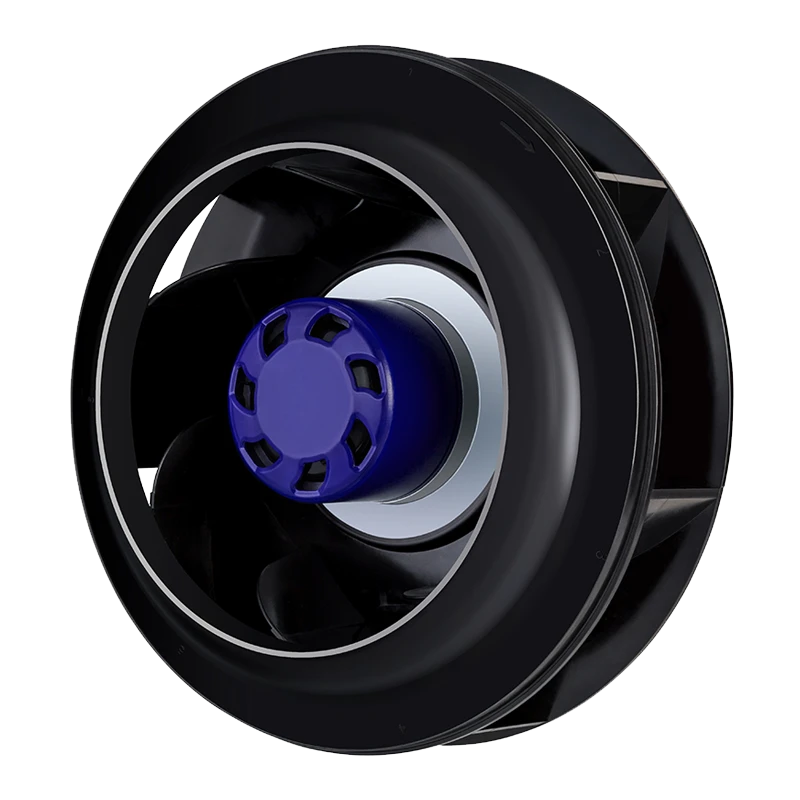
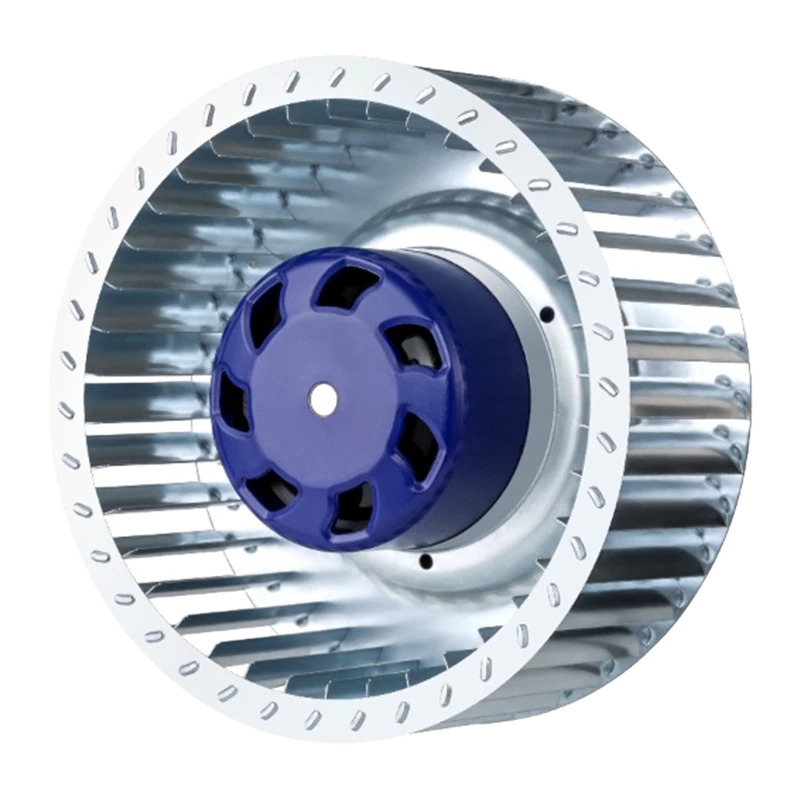
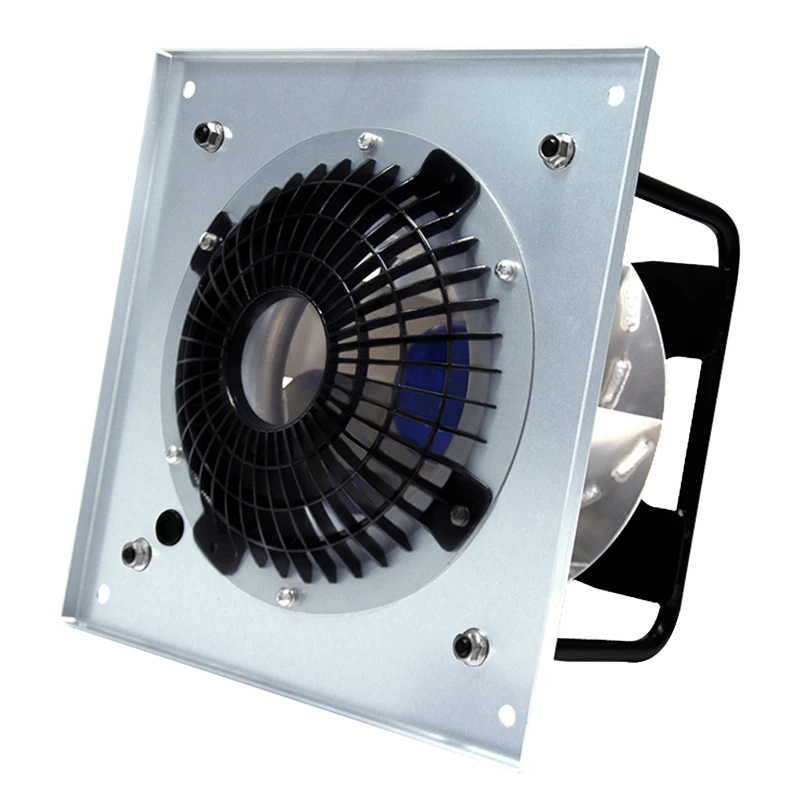
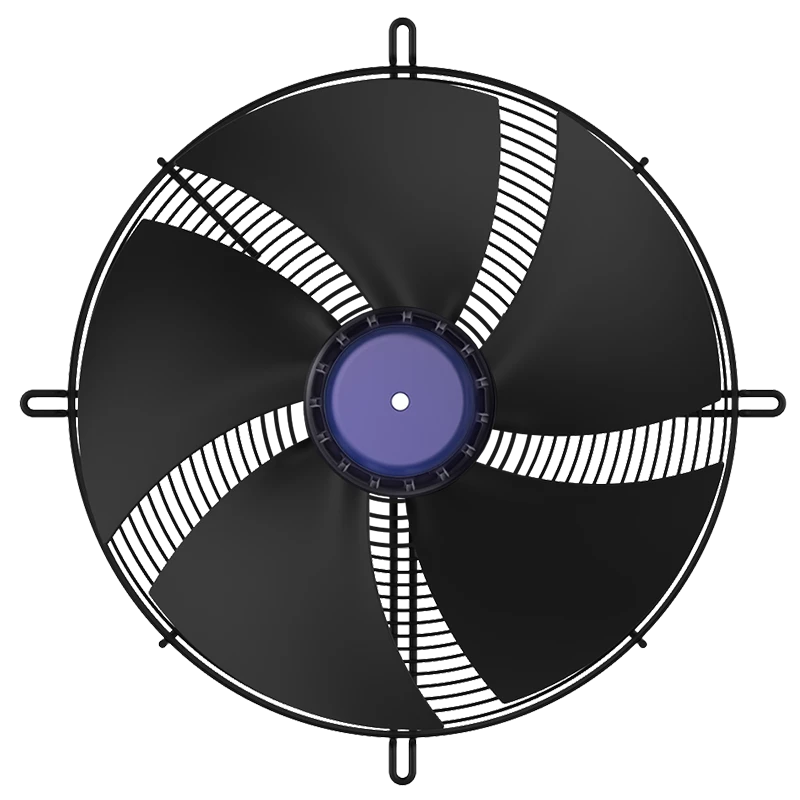
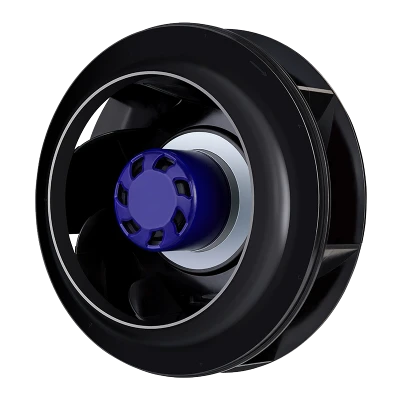
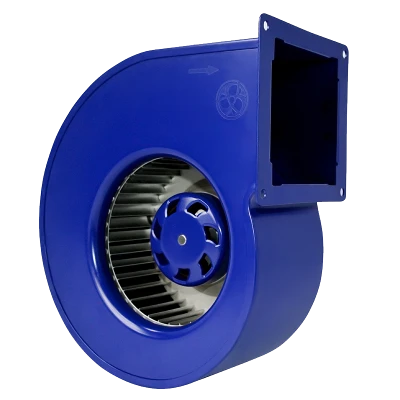
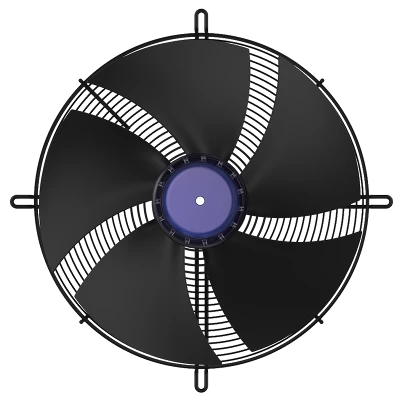
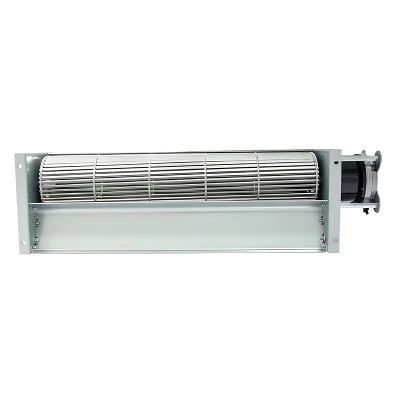
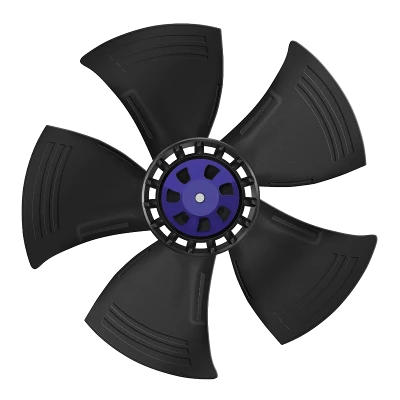
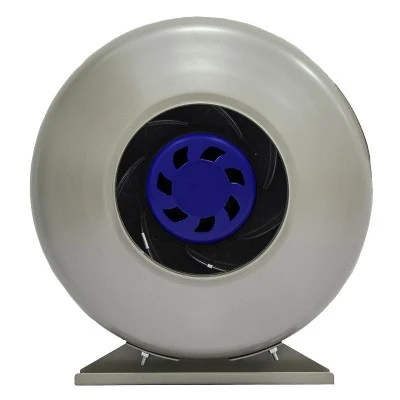
First off, let's quickly go over what compact cooling fans are. These are small, efficient fans designed to move air and dissipate heat in various applications. They come in different types, like axial fans and centrifugal fans. Axial fans move air parallel to the axis of the fan, while centrifugal fans move air at a right - angle to the axis.
The airflow direction of a compact cooling fan can have a significant impact on its performance. For example, in a computer case, the right airflow direction can ensure that hot air is effectively removed from the components, preventing overheating. In industrial settings, proper airflow direction can help in maintaining the temperature of machinery and equipment.
Why Adjust the Airflow Direction?
There are several reasons why you might want to adjust the airflow direction of a compact cooling fan. One common reason is to improve the overall cooling efficiency. If the fan is blowing air in the wrong direction, it might not be able to effectively remove heat from the area. For instance, if you have a fan in a server rack and it's blowing air towards the back instead of pulling hot air out, the server components could overheat.
Another reason could be to adapt to the specific layout of the space. Maybe you've rearranged some equipment, and the original airflow direction no longer works. Adjusting the airflow can help you make the most of the available space and ensure that all areas are properly cooled.
Methods to Adjust the Airflow Direction
1. Physical Rotation
The simplest way to adjust the airflow direction of a compact cooling fan is by physically rotating it. Most fans are designed in a way that allows you to easily change their orientation. For axial fans, you can just turn the fan 180 degrees. If it was blowing air in one direction, after rotation, it will blow in the opposite direction.
However, you need to be careful when doing this. Make sure that the fan is properly secured after rotation. Also, check if there are any cables or other components that might be affected by the rotation. Some fans might have mounting holes or brackets that need to be re - adjusted.
2. Reversing the Fan Motor
In some cases, you can reverse the direction of the fan motor to change the airflow direction. This is more common in fans that are powered by DC motors. Many DC fans have a built - in feature that allows you to reverse the polarity of the power supply. By swapping the positive and negative connections, you can reverse the rotation of the motor and thus change the airflow direction.
But be cautious! Not all fans support this feature. You need to check the fan's specifications or user manual before attempting to reverse the motor. If you do it incorrectly, you could damage the fan or even cause a short - circuit.
3. Using Air Ducts and Vents
Air ducts and vents can also be used to control the airflow direction of a compact cooling fan. You can direct the air to a specific area by attaching an air duct to the fan. This is particularly useful in situations where you need to focus the airflow on a particular component or area.
For example, if you have a small fan in a cabinet and you want to direct the air towards a specific electronic device, you can use an air duct to channel the air. Vents can also be used to redirect the air in different directions. You can adjust the position and angle of the vents to control where the air goes.
Explore compact cooling fans for your application

Blauberg Compact Cooling Fans
Explore the compact cooling fan range and discuss your airflow and installation requirements.
Visit the Blauberg compact cooling fan category for product enquiries.
Practical Examples in Different Settings
1. Computer Systems
In a computer system, adjusting the airflow direction of compact cooling fans is crucial for maintaining optimal temperatures. Most computer cases come with pre - installed fans, but you might need to adjust their airflow direction depending on the components you have.
For example, if you have a high - end graphics card that generates a lot of heat, you might want to position a fan to blow air directly onto the card. You can do this by physically rotating the fan or using air ducts. Some computer cases also have adjustable vents that allow you to control the airflow direction more precisely.
2. Industrial Applications
In industrial settings, compact cooling fans are used to cool machinery and equipment. The airflow direction needs to be carefully adjusted to ensure that all parts of the equipment are properly cooled. For example, in a manufacturing plant, a fan might be used to cool a conveyor belt system. By adjusting the airflow direction, you can make sure that the air is evenly distributed across the belt, preventing overheating.
You can find a variety of compact cooling fans suitable for industrial applications on our website. For instance, the 400mm Ec Fan Motor EC Centrifugal Fan Variable 115v for Air Conditioner is a great option for large - scale cooling needs. It offers variable speed control and can be adjusted to direct the airflow as required.
3. Greenhouse Environments
In greenhouses, proper ventilation is essential for maintaining the right temperature and humidity levels. Compact cooling fans can play a vital role in this. The 300mm Waterproof Exhaust Greenhouse Growing Duct EC Axial Fan High Efficiency Centrifugal Fan is designed specifically for greenhouse applications. You can adjust its airflow direction to ensure that fresh air is circulated throughout the greenhouse and that hot and humid air is effectively removed.
Troubleshooting Airflow Direction Issues
Sometimes, you might encounter issues when trying to adjust the airflow direction of a compact cooling fan. Here are some common problems and how to solve them:
1. Fan Not Rotating in the Desired Direction
If the fan is not rotating in the direction you want after adjustment, first check if the physical rotation or motor reversal was done correctly. Make sure that the fan is properly connected to the power supply. If you reversed the motor, double - check the polarity of the connections.
2. Airflow Blockage
Airflow blockage can also cause problems. Check if there are any obstructions in front of or behind the fan. This could be dust, debris, or other components. Clean the area around the fan and remove any blockages to ensure smooth airflow.
3. Uneven Airflow
If you notice that the airflow is uneven, it could be due to the fan's position or the use of air ducts. Try adjusting the position of the fan or the angle of the air ducts to distribute the air more evenly.
Conclusion
Adjusting the airflow direction of a compact cooling fan is an important skill that can help you optimize the cooling performance in various settings. Whether it's a computer system, an industrial application, or a greenhouse, understanding how to adjust the airflow can make a big difference.
We offer a wide range of compact cooling fans, including the 220mm DC External Rotor Motor Industrial Centrifugal Fan for Restaurant. If you're interested in purchasing our products or have any questions about adjusting the airflow direction of our fans, feel free to reach out to us for a purchase consultation. We're here to help you find the best cooling solutions for your needs.
References
- Cooling Fan Handbook: A guide to understanding and using cooling fans effectively.
- Industrial Ventilation Standards: Guidelines for proper ventilation in industrial settings.
- Greenhouse Climate Control Manual: Information on maintaining the right climate in greenhouses.
Category of Blauberg Products
Built on German engineering principles, focusing on precision, reliability, and long-term performance. Through efficient and scalable manufacturing, we deliver high-quality ventilation solutions with optimized cost structure, ensuring strong value for global OEM and project-based customers.