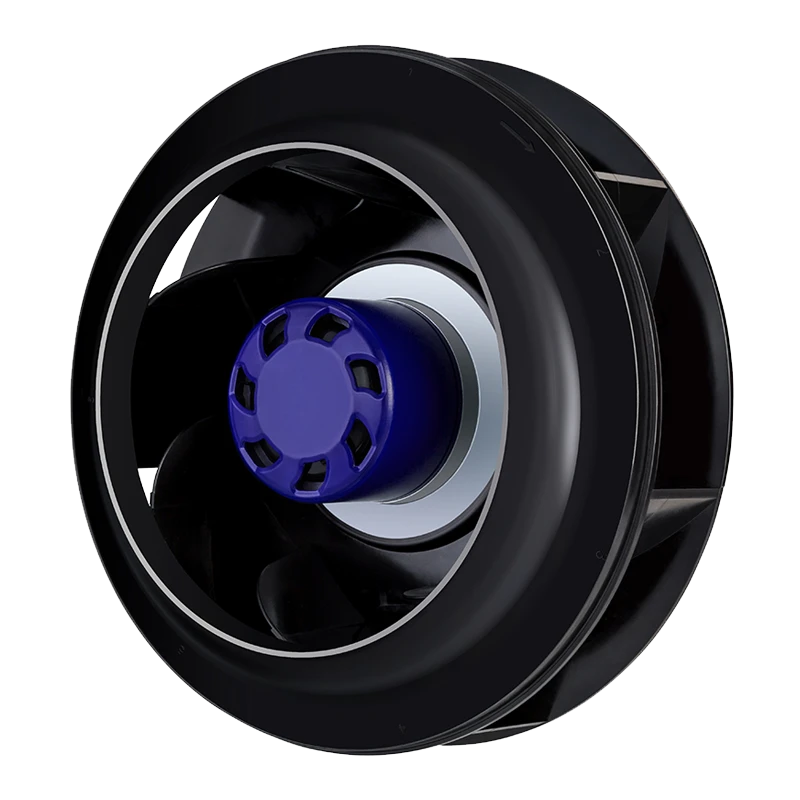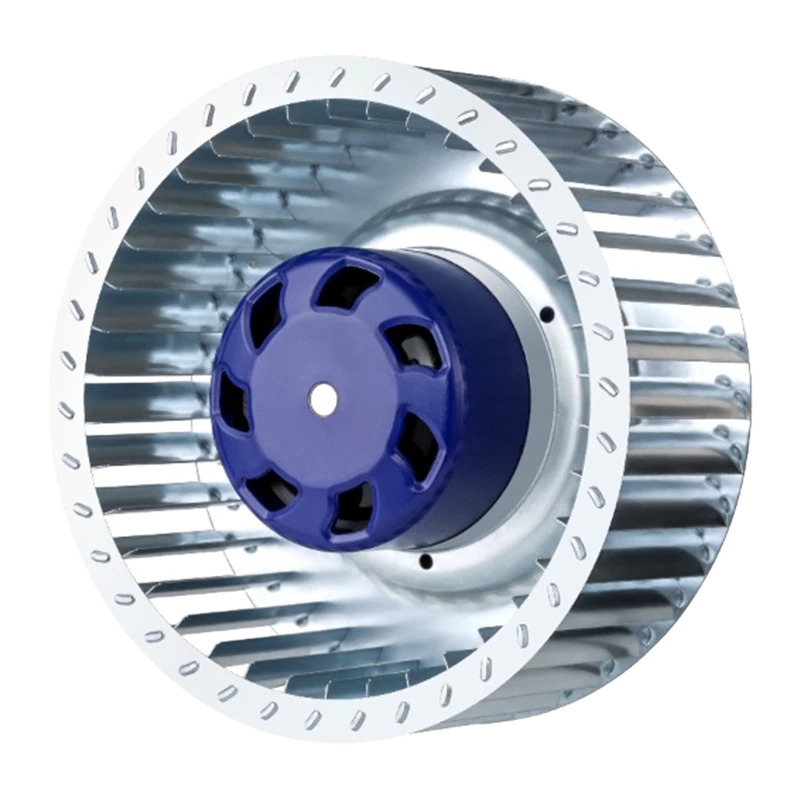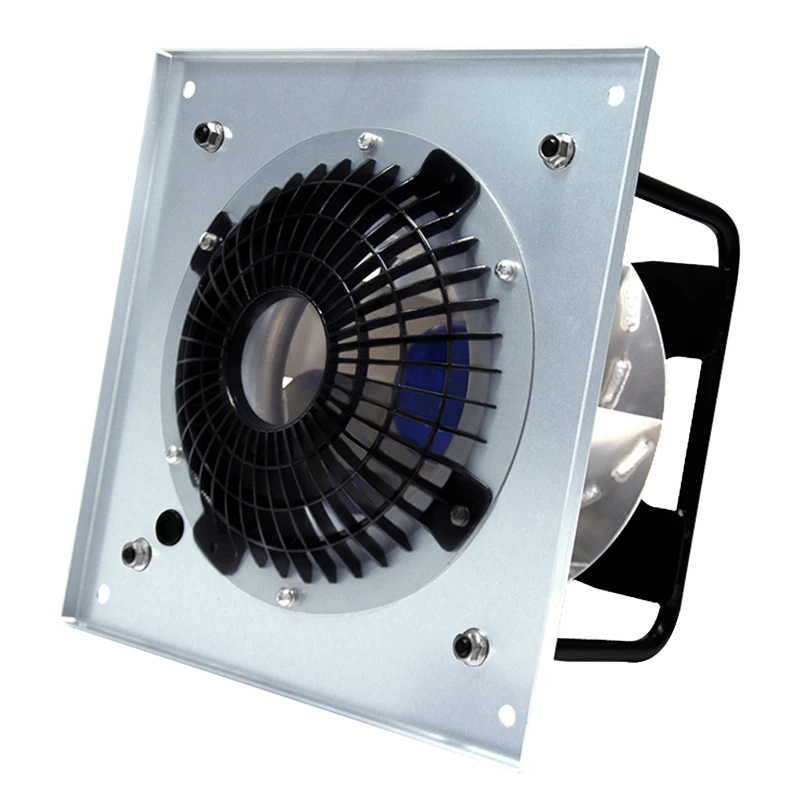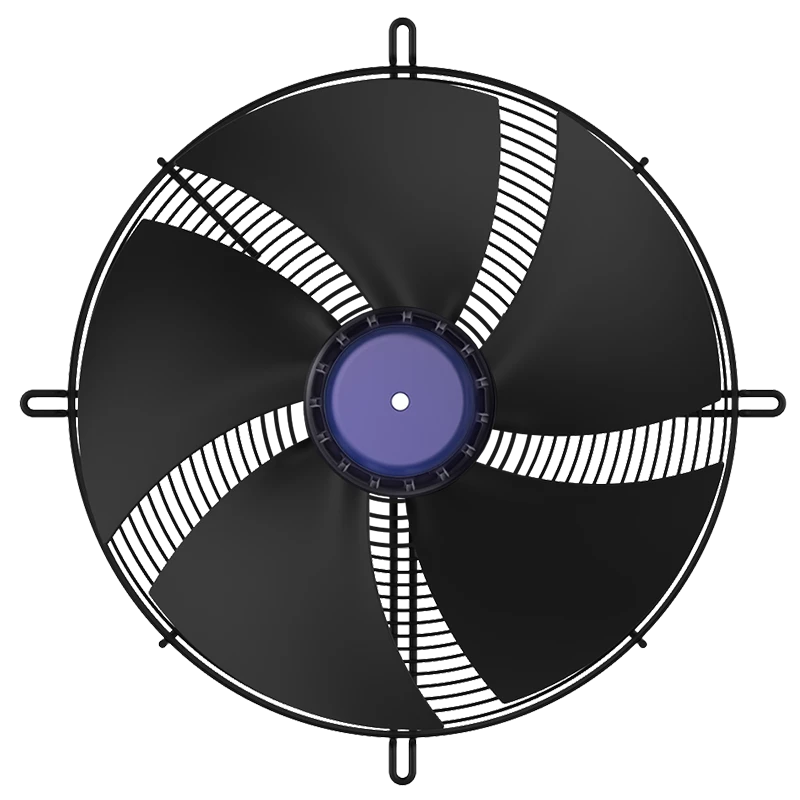
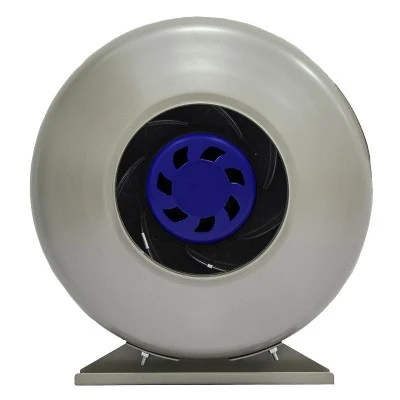
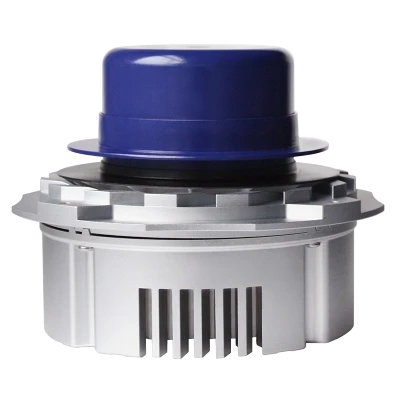

Hey there! As a supplier of DC Centrifugal Blower Fans, I often get asked about the differences between high - pressure and low - pressure DC Centrifugal Blower Fans. So, I thought I'd write a blog to break it down for you.
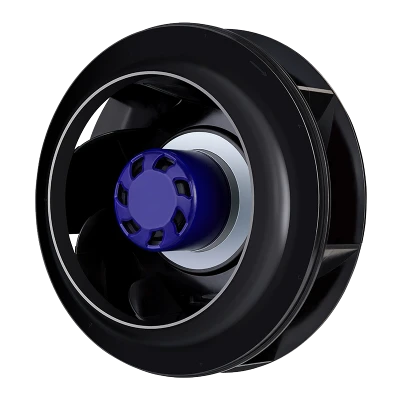
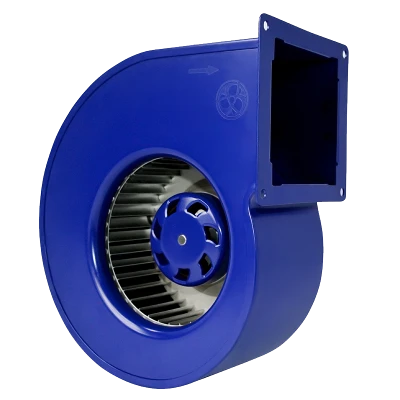
Let's start with the basics. A DC Centrifugal Blower Fan works by using a motor to spin an impeller. The impeller draws air in at the center and throws it outwards at a high speed, creating airflow. But the way they perform this function can vary greatly depending on whether they're high - pressure or low - pressure fans.
Pressure and Airflow
The most obvious difference between high - pressure and low-pressure DC Centrifugal Blower Fans is, well, the pressure they generate. High - pressure fans are designed to move air against resistance. Think of situations where there are long ducts, filters, or other obstacles that the air has to pass through. These fans can push air through these restrictions and still maintain a decent airflow.
On the other hand, low - pressure fans are better suited for applications where there's little to no resistance. They're great for simple ventilation tasks, like cooling small enclosures or providing basic air circulation in an open space.
Let's say you have a small server room. You might use a low - pressure fan to keep the air moving around the servers. But if you have a large industrial ventilation system with multiple filters and long ductwork, a high - pressure fan is going to be your best bet.
Performance and Efficiency
In terms of performance, high - pressure fans are the workhorses. They can move air over longer distances and through complex systems. However, this comes at a cost. High - pressure fans generally consume more power because they need to generate a lot of force to move the air against resistance.
Low - pressure fans, on the other hand, are more energy - efficient when used in the right applications. Since they don't have to work as hard, they use less power. This can lead to significant cost savings over time, especially if you're running the fans for long periods.
Noise Levels
Noise is another factor to consider. High - pressure fans tend to be noisier. The high - speed operation and the force required to move air against resistance create more vibration and noise. In contrast, low - pressure fans are usually quieter, making them a better choice for environments where noise is a concern, like offices or residential areas.
Size and Design
The size and design of high - pressure and low - pressure fans can also differ. High - pressure fans often need to be larger and more robust to generate the necessary pressure. They may have a more complex impeller design and a stronger motor.
Low - pressure fans can be smaller and more compact. They're designed for simplicity and ease of use, making them a popular choice for applications where space is limited.
Which EC centrifugal blower models should you review?

Blauberg DD-F133B-EC-N07 133mm DC Dual Inlet Centrifugal Blower
DD-F133B-EC-N07 133mm DC Dual Inlet Centrifugal Blower

Blauberg DD-F146B-EC-N07 146mm DC Dual Inlet Centrifugal Blower
DD-F146B-EC-N07 146mm DC Dual Inlet Centrifugal Blower

Blauberg DN-F120B-EC-00 120mm DC Dual Inlet Centrifugal Blower
DN-F120B-EC-00 120mm DC Dual Inlet Centrifugal Blower

Blauberg SN-F180A-EC-01 180mm DC Single Inlet Centrifugal Blower
SN-F180A-EC-01 180mm DC Single Inlet Centrifugal Blower

Blauberg SE-F180A-EC-01 180mm DC Single Inlet Centrifugal Blower
SE-F180A-EC-01 180mm DC Single Inlet Centrifugal Blower

Blauberg SD-F180A-EC-N07 180mm DC Single Inlet Centrifugal Blower
SD-F180A-EC-N07 180mm DC Single Inlet Centrifugal Blower

Blauberg SD-F180A-EC-01 180mm DC Single Inlet Centrifugal Blower
SD-F180A-EC-01 180mm DC Single Inlet Centrifugal Blower

Blauberg SN-F160C-EC-01 160mm DC Single Inlet Centrifugal Blower
SN-F160C-EC-01 160mm DC Single Inlet Centrifugal Blower
Explore the Blauberg centrifugal blower range. Confirm airflow at the required pressure, electrical supply and control compatibility for your project; inclusion here does not establish suitability for a specific medical installation.
Applications
Now, let's talk about some specific applications for each type of fan.
High - Pressure DC Centrifugal Blower Fans
- HVAC Systems: In large commercial or industrial HVAC systems, high - pressure fans are used to push air through long ductwork and various components like filters and heat exchangers. For example, in a multi - story office building, a high - pressure fan can ensure that conditioned air reaches every floor evenly.
- Industrial Processes: Many industrial processes require high - pressure air for tasks like drying, cooling, or pneumatic conveying. High - pressure fans can provide the necessary airflow to keep these processes running smoothly.
- Cleanrooms: In cleanrooms where strict air quality standards are required, high - pressure fans are used to maintain a positive pressure environment. This helps prevent contaminants from entering the room.
If you're looking for high - pressure DC Centrifugal Blower Fans, you might be interested in our 230v 170W Big Motor Ec Centrifugal Fan Motors Electrical or 230v Centrifugal Fans with External Rotor Motor Big Motor Ec Centrifugal Fan.
Low - Pressure DC Centrifugal Blower Fans
- Electronics Cooling: Low-pressure fans are commonly used to cool electronic components like computer motherboards, power supplies, and LED lights. They can provide sufficient airflow without creating too much noise or consuming too much power.
- Small Enclosures: For ventilation in small enclosures like control panels or cabinets, low - pressure fans are ideal. They can prevent heat buildup and maintain a stable operating environment for the equipment inside.
- Home Appliances: Many home appliances, such as refrigerators, microwaves, and air purifiers, use low - pressure fans for ventilation and cooling.
We offer a range of low - pressure options, including the 48V 85W 5060hz Motor Centrifugal Exhaust Fan Motor Blower Ec Fan Manufacturers and 230v 115W Big Motor Ec Centrifugal Fan Brushless Motor.
Choosing the Right Fan
So, how do you choose between a high-pressure and a low-pressure DC Centrifugal Blower Fan? Well, it all comes down to your specific application. Consider the following factors:
- Resistance: If there's a lot of resistance in your system (long ducts, filters, etc.), go for a high - pressure fan. If there's little to no resistance, a low - pressure fan will do the job.
- Airflow Requirements: Determine how much airflow you need. High - pressure fans can provide high - volume airflow over long distances, while low - pressure fans are better for smaller - scale applications.
- Noise Tolerance: If noise is a concern, a low - pressure fan is probably a better choice.
- Energy Efficiency: If you're looking to save on energy costs, use a low - pressure fan when possible. But if high - performance is required, a high - pressure fan may be worth the extra power consumption.
If you're still not sure which type of fan is right for you, feel free to reach out. We're here to help you make the best decision for your needs.
Conclusion
In conclusion, the difference between high - pressure and low - pressure DC Centrifugal Blower Fans lies in their pressure capabilities, performance, efficiency, noise levels, size, and design. Each type has its own set of applications and advantages. By understanding these differences, you can choose the right fan for your specific needs.
Whether you're looking for a high - pressure fan for a large - scale industrial application or a low - pressure fan for a small electronics project, we've got you covered. We offer a wide range of high - quality DC Centrifugal Blower Fans that are designed to meet your requirements. If you're interested in purchasing our products or have any questions, don't hesitate to contact us for a procurement discussion. We're eager to help you find the perfect fan for your project.
References
- Fan Engineering Handbook
- Industrial Ventilation Guidelines
Category of Blauberg Products
Built on German engineering principles, focusing on precision, reliability, and long-term performance. Through efficient and scalable manufacturing, we deliver high-quality ventilation solutions with optimized cost structure, ensuring strong value for global OEM and project-based customers.