
If you've ever stared at an HVAC schematic, industrial ventilation design, or even a DIY air quality project and wondered, "Wait, do I really need an EC centrifugal blower motor for this?" you're not alone. I've been selling EC blower motors for over 8 years, and the number of people who come to my desk saying they bought the wrong motor (too weak for the job, or wasting so much energy they blew their budget in 6 months) has skyrocketed. EC motors sound fancy, but they're just the workhorses that power everything from your office's rooftop AC to a hospital's cleanroom air exchange. The catch? Picking the right one isn't just about grabbing the biggest one in stock. It's about matching it to your project's specific needs, and that's where most folks slip up.
Let's start with the basics: why EC over the old AC motors everyone used for decades? AC motors are loud, they waste energy when you're not running full blast, and they're hard to fine-tune. EC (electronically commutated) motors? They're brushless, have built-in controls, and can adjust speed perfectly to what your system needs. That means lower energy bills, quieter operation, and longer lifespan-all of which matter way more than you think when your project is supposed to last 10+ years. But here's the thing: not all EC blower motors are created equal. I once had a guy bring in a tiny 120W motor for a 2,000 sq ft warehouse and wonder why his ceiling was always damp with stale air. Oops. Let's break down exactly how to avoid that mistake.
First stop on your "pick the right EC motor" journey: figure out your system's airflow and pressure needs. This is non-negotiable, and it's the step most people skip because it sounds like math jargon. But it's simple, I promise. Airflow is measured in CFM (cubic feet per minute)-that's how much air your system needs to move. Pressure is measured in Pascals (or sometimes inches of water gauge, but don't stress the units right now)-that's how hard the motor has to push that air through ducts, filters, or other obstacles. If you have a long, narrow duct run, or a HEPA filter that restricts air, you need higher pressure. If it's a short, open space with no ducts, you can go lighter.

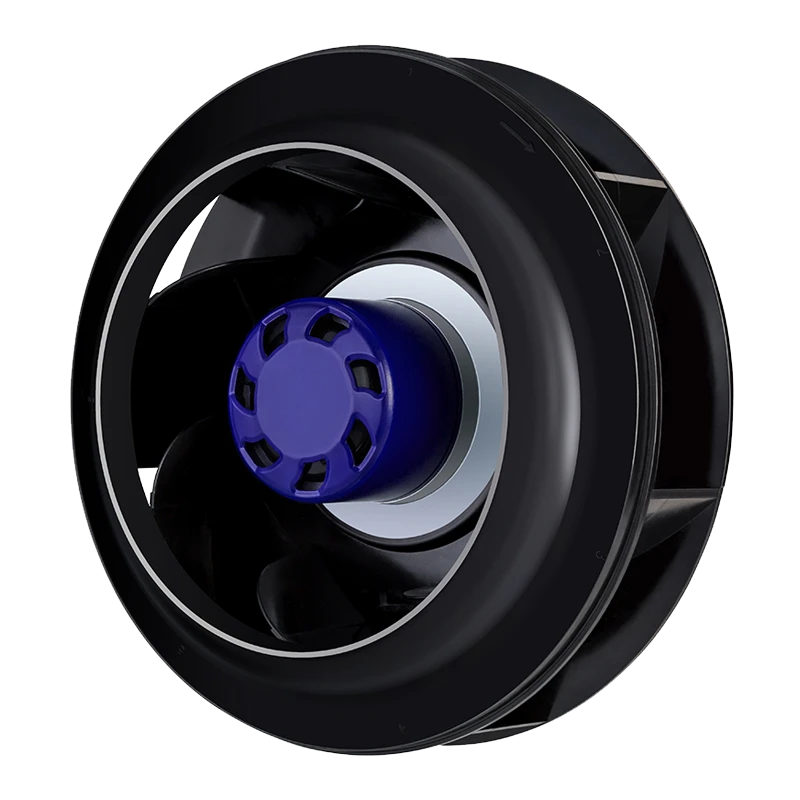
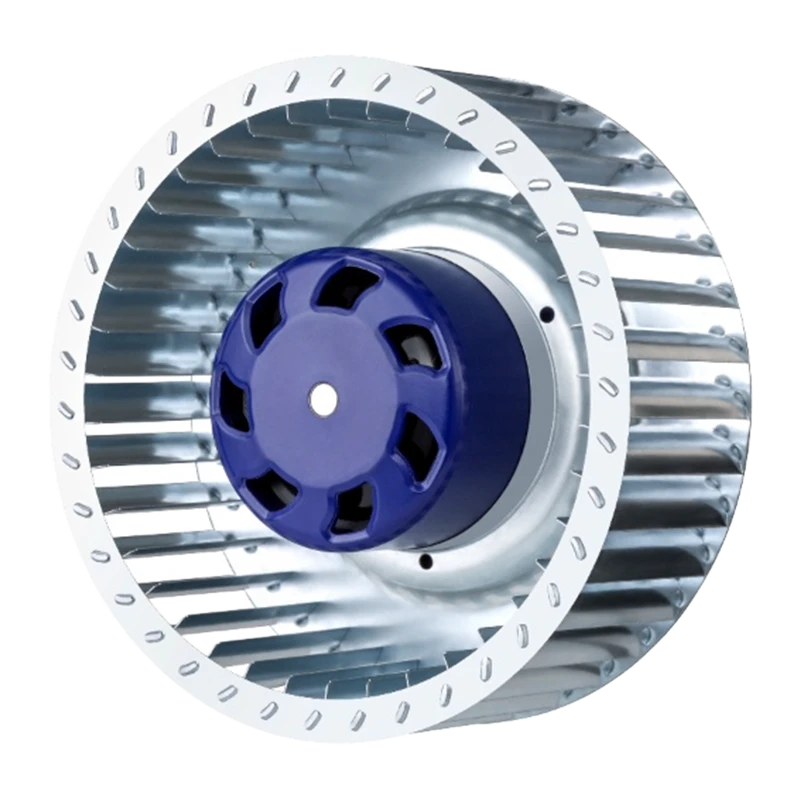
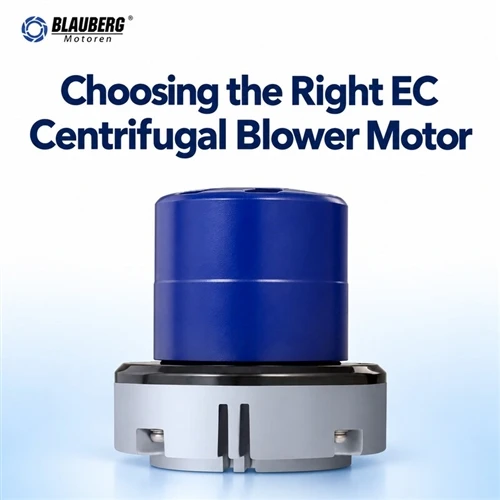
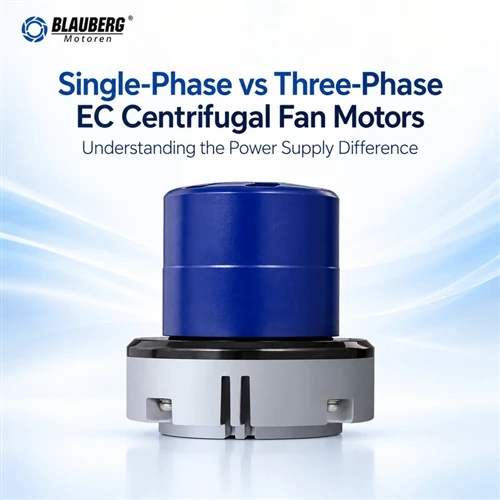
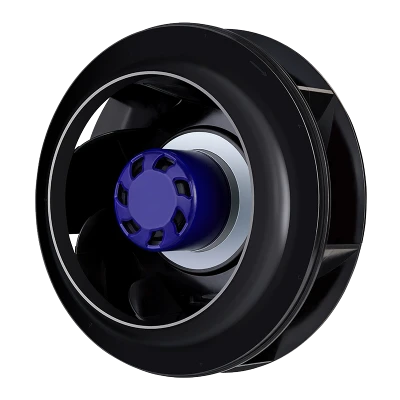
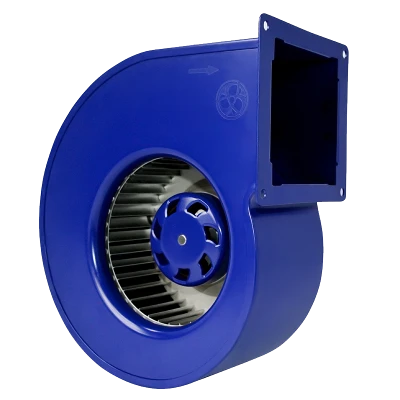
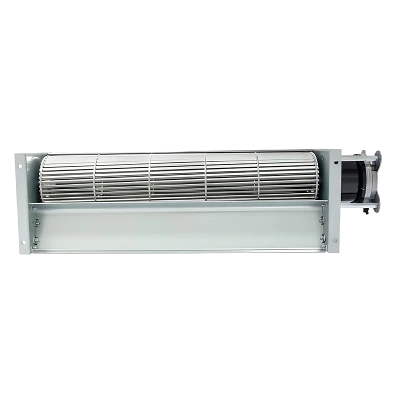
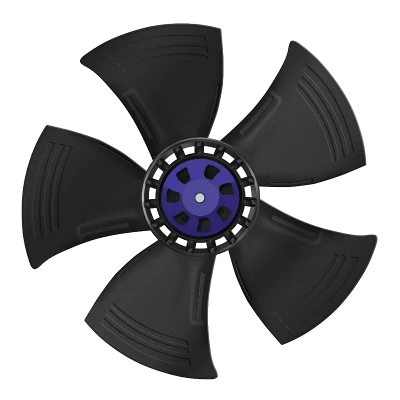
Let's tie this to real products I sell, because that's how you'll actually see this in action. If you need a motor for a standard office or small residential HVAC setup, the [230v Centrifugal Fans with External Rotor Motor 0-10v] is a solid bet. It's calibrated for moderate pressure needs, so it handles 1,000 to 2,500 CFM without overworking, and the 0-10v control means you can tweak speed remotely (perfect for smart buildings). But if you're working on a tiny, tight space-like a bathroom exhaust fan or a small server closet-something smaller makes sense. The Blauberg MEC3L-72-25P 72mm 230V 115W EC Motor is built for compact setups. At 72mm, it fits in those narrow mounting spots, and its 115W output is just enough for 200 to 800 CFM, which is exactly what small residential or hobby projects need. I can't tell you how many folks have saved their project from needing a custom duct by grabbing this one instead of a larger, bulkier motor.
Next up: power supply and control requirements. This is another area where I see people waste money. EC motors run on either 115v or 230v power, and picking the wrong one means you'll need to rewire your entire system, or worse, burn out the motor before it even runs. 230v is standard for larger, industrial projects because it can push more power over longer distances without losing voltage. 115v is great for smaller, residential or light commercial projects where you don't have heavy power lines running through the space.
Also, what kind of control do you need? Do you want a simple on/off switch, or do you need to adjust speed remotely for energy savings? Most EC motors come with some kind of control, and 0-10v is the industry standard for variable speed control because it's cheap and works with almost any building automation system. If you're working on a small project that doesn't need variable speed, you can go with a fixed-speed EC motor, which is more affordable.
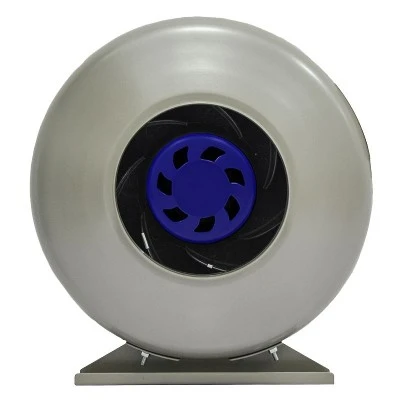
Wait, let's talk about that 115v option because I get asked about it all the time. The [115v Motor Out Centrifugal Fan Motor 0-10v Motor Blower] is perfect for anyone working on a residential HVAC retrofit, a small warehouse, or a greenhouse ventilation system. It's compatible with standard 115v household power, so you don't need to bring in an electrician to upgrade your wiring, and the 0-10v control means you can adjust speed as needed. I had a customer last year who used this for his greenhouse-he adjusts the fan speed based on temperature, and he said he cut his electricity bill for ventilation by 30% in the first year. That's the kind of win we love to see.
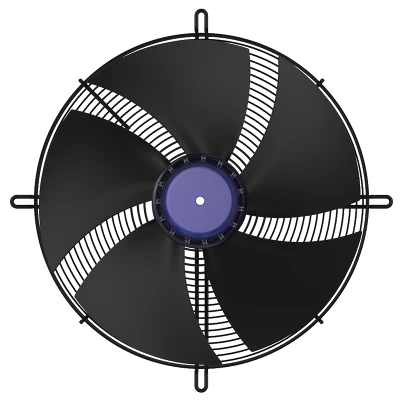
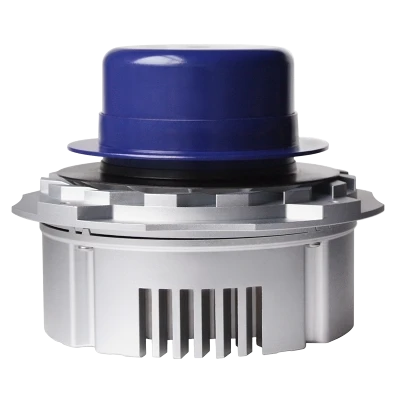
Another big factor: size and mounting space. I can't tell you how many times someone has ordered a motor because it has the right CFM rating, only to realize it won't fit in the duct or the mounting bracket they have. EC motors come in all sizes, from tiny 50mm units for small exhaust fans to huge 200mm+ motors for industrial ventilation. Measure your mounting spot first-height, width, depth, and the hole pattern for the mounting brackets-before you look at motor specs. If you're working on an industrial project with large ducts, you'll need something with enough power to push air through those big lines. The [230v 170W Big Motor Ec Centrifugal Fan Motors Electrical] is built for that. At 170W, it handles higher pressure and higher CFM (up to 4,000 CFM), so it's perfect for warehouses, manufacturing plants, or large commercial HVAC systems. It's also durable-rated for continuous operation, which is a must for industrial setups where the motor runs 24/7.
If you're somewhere in between-like a mid-sized office building or a retail store- the [230v 115W Big Motor Ec Centrifugal Fan Brushless Motor] is a great middle ground. At 115W, it's powerful enough for medium pressure duct runs (1,000 to 3,000 CFM) but still energy-efficient, so you don't have to spend a fortune on electricity. I've installed these in 10,000 sq ft retail spaces, and they handle the air exchange perfectly-even when the store is packed with people and needs extra ventilation.
Which EC motor models should you review?
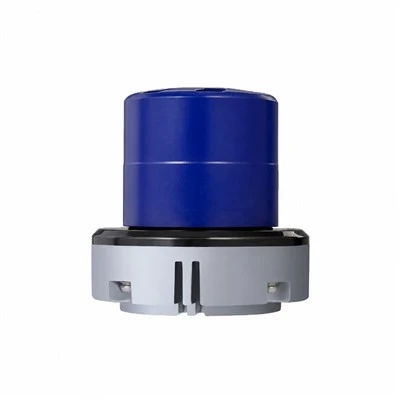
Blauberg MEC3L-72-25P 72mm 230V 115W EC Motor
View product details and specifications.

230v 115W Big Motor Ec Centrifugal Fan Brushless Motor
View product details and specifications.
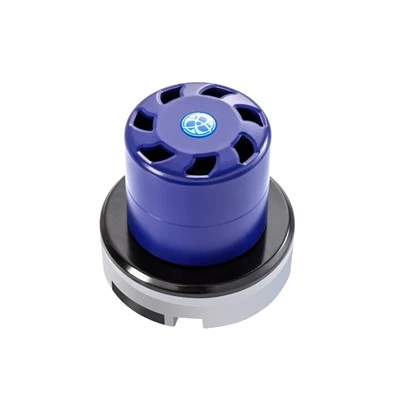
115v Motor Out Centrifugal Fan Motor 0-10v Motor Blower
View product details and specifications.
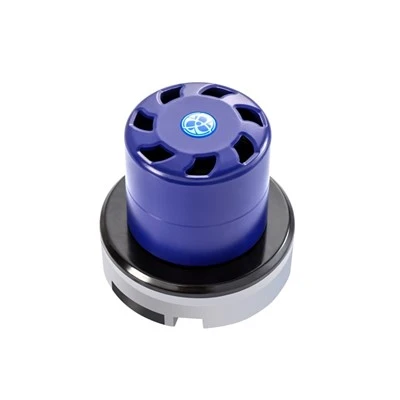
230v 170W Big Motor Ec Centrifugal Fan Motors Electrical
View product details and specifications.
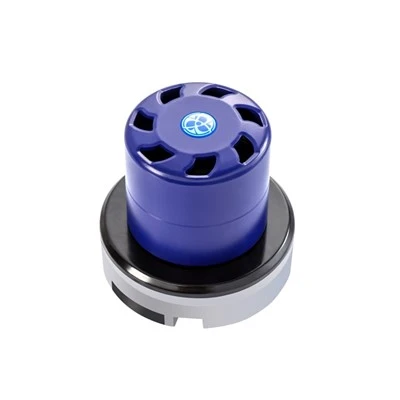
230v Centrifugal Fans with External Rotor Motor Big Motor Ec Centrifugal Fan
View product details and specifications.
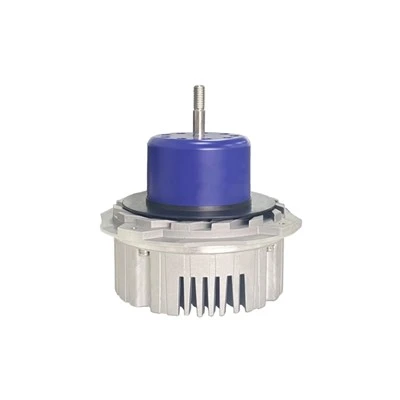
230v 750W Big Motor Ec Centrifugal Fan Motors Electrical 0-10v
View product details and specifications.
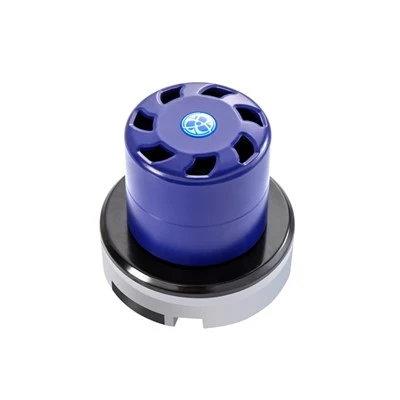
230v Centrifugal Fans with External Rotor Motor 0-10v
View product details and specifications.
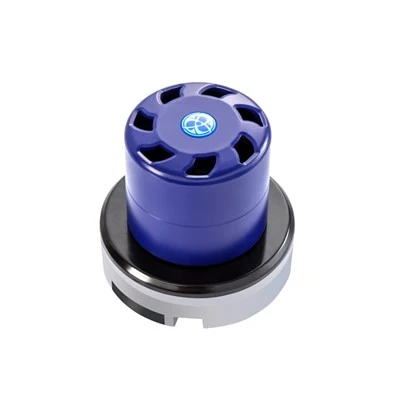
12v 85W 5060hz Centrifugal Fan Motor Out Centrifugal Fan
View product details and specifications.
Let's not forget about durability and noise level, especially if your project is in a occupied space. EC motors are way quieter than old AC motors, but some are built for heavy-duty, noisy environments (like manufacturing plants) and others are designed for quiet spaces (like offices or hospitals). Look for motors with noise level ratings (measured in dB) if this matters to you. The smaller motors, like the Blauberg MEC3L-72-25P, are super quiet-great for residential spaces where a loud fan would be annoying. The larger industrial motors have higher noise levels, but they're built to handle rough conditions, so they're worth it for warehouses where noise isn't a top concern.
Oh, and energy efficiency-this is a big one that most people overlook when choosing a motor. EC motors are way more efficient than AC motors, but some are better than others. Look for motors with high IE (International Efficiency) ratings-IE4 is the highest for EC motors, and it means you'll save the most money on your electricity bill. For example, a standard AC motor might have an efficiency of 60-70%, while an EC motor is 80-90%. Over 10 years, that difference adds up to thousands of dollars. Let's say you have a motor that runs 8 hours a day, 365 days a year. A 10% efficiency difference between a good EC motor and a bad one means you'll spend an extra $500 a year on electricity. That's a no-brainer.
Wait, let's talk about common mistakes I see people make, because avoiding these will save you a lot of headache. First, don't just go for the highest CFM motor you can find. If you buy a motor that can move 5,000 CFM but your system only needs 2,000 CFM, you're wasting energy and will have higher utility bills. Second, don't forget pressure. A motor that's great for open spaces might not have enough pressure to push air through a long duct run. I had a customer a few years ago who bought a 2,000 CFM motor for a 100ft duct run, and it barely moved any air because the pressure was too low for that long run. Third, don't ignore power supply. If your building only has 115v power, don't order a 230v motor-you'll need to call an electrician to upgrade, which is expensive and time-consuming. Fourth, don't skip mounting space. I've had customers send motors back because they didn't measure their duct openings, so the motor was too big to fit.

Now, let's put this all together in a quick checklist you can use for your next project:
- Calculate your required CFM and pressure: Use a ductulator or HVAC sizing tool to figure out how much air you need and how hard the motor has to push it.
- Check your power supply: Is it 115v or 230v? That will narrow down your motor options immediately.
- Decide on control needs: Do you need variable speed (0-10v) or fixed speed?
- Measure your mounting space: Width, height, depth, and mounting hole pattern.
- Pick an efficiency rating: Look for IE4 rated motors to save on energy bills.
- Match durability to your environment: Quiet residential spaces vs. rough industrial environments.
If you're still not sure, that's totally normal. I've been doing this for years, and even I double-check specs for big industrial projects. The best part about EC motors is that there's a perfect fit for almost every project-you just have to know what to look for.
Let's wrap this up with a quick example of how this works in real life. Suppose you're working on a 2,500 sq ft office building with a 50ft duct run, needing 2,200 CFM, variable speed control, and quiet operation for occupied spaces. What do you pick? The [230v Centrifugal Fans with External Rotor Motor 0-10v] is exactly that. It has the right CFM and pressure, runs on 230v (standard for commercial buildings), has 0-10v control, and is quiet enough for an office. Another example: a homeowner upgrading their bathroom exhaust fan, needing 300 CFM, 115v, and a tiny size. The Blauberg MEC3L-72-25P is perfect-small enough to fit in the existing duct, uses standard household power, and is quiet enough not to hear when you're watching TV.
At the end of the day, choosing the right EC centrifugal blower motor doesn't have to be complicated. It's about matching your project's specific needs to the motor's specs, and not just guessing based on price or brand. I've helped hundreds of customers pick the right motor, and I can tell you that the ones who take the time to do this step end up with systems that run smoothly for years, save them money on energy, and avoid the hassle of returning the wrong part.
If you're working on a project and still unsure which motor is right for you, I'm here to help. Whether you need help calculating CFM and pressure, figuring out power supply, or just want to double-check if a motor will fit your space, don't hesitate to reach out. We've got all the products mentioned here and more, so we can find exactly what you need for your project.
References:
- U.S. Department of Energy. (2022). HVAC System Efficiency Guide.
- Air Movement and Control Association International. (2021). Centrifugal Blower Motor Specification Standards.
- International Electrotechnical Commission. (2020). IE Efficiency Rating for Electric Motors.
- Blauberg Group. (2023). EC Motor Application Handbook for Ventilation Systems.
- Occupational Safety and Health Administration. (2022). Industrial Ventilation Best Practices.
Category of Blauberg Products
Built on German engineering principles, focusing on precision, reliability, and long-term performance. Through efficient and scalable manufacturing, we deliver high-quality ventilation solutions with optimized cost structure, ensuring strong value for global OEM and project-based customers.