
If you've ever spent time near a power plant-whether during a routine site visit, a casual drive past one on a highway, or even reading about grid operations-you've likely noticed the steady hum of equipment working around the clock to deliver electricity to homes, hospitals, and factories. A power plant's success hinges on so many small, often underrated parts: precision turbines, sophisticated control systems, and yes, the fans that keep every piece of hardware at a safe operating temperature. For years, centrifugal fans were the go-to choice for most power plant ventilation and cooling needs. But as an axial flow fan supplier, I've spent countless conversations with plant engineers and maintenance teams asking a single question: Can axial flow fans actually hold their own in the demanding, high-stakes environment of a power plant? The short answer is a resounding yes-once you understand where their strengths align with power plant requirements, and how modern designs solve the traditional gaps that made some operators hesitant to switch.

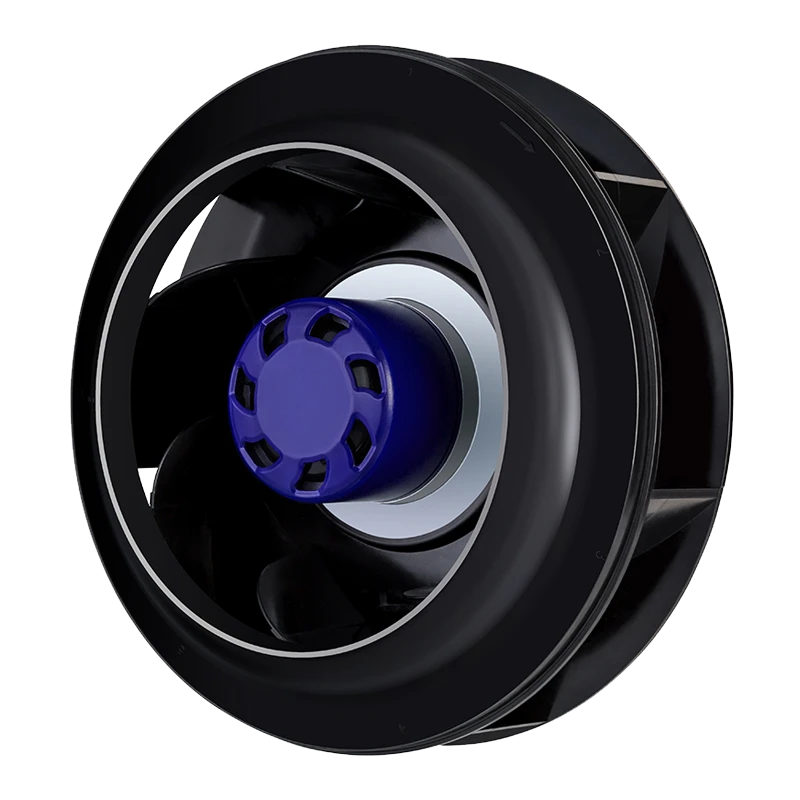
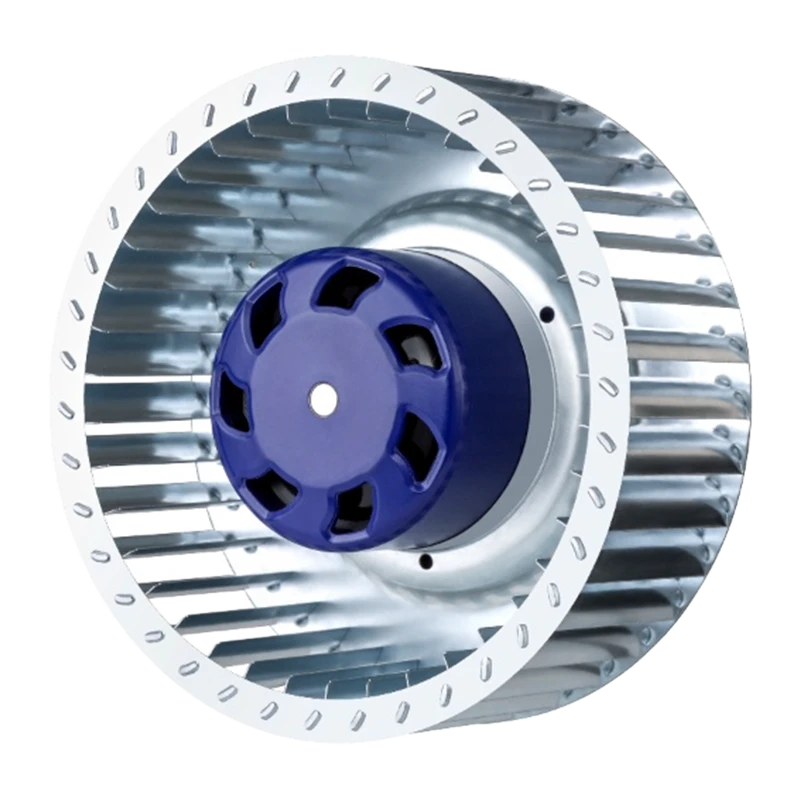
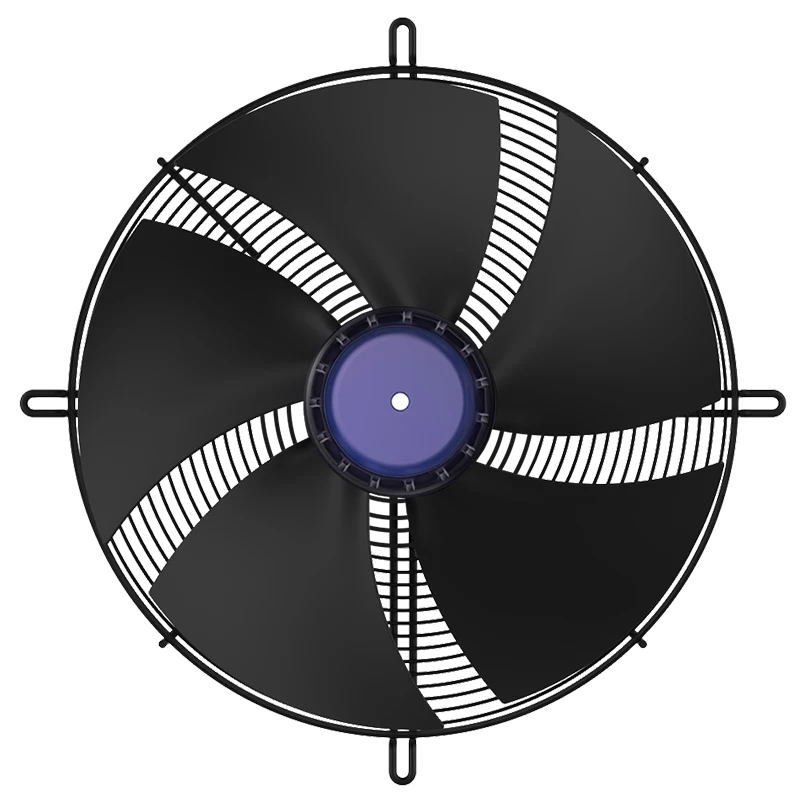
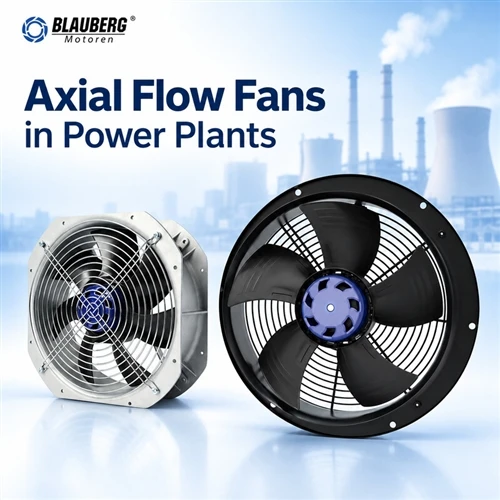
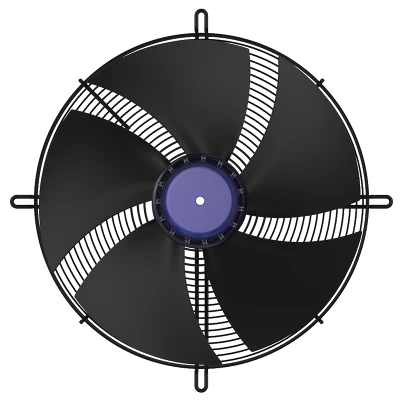
Let's start with the basics. Axial flow fans move air parallel to the axis of the fan blade, much like how a kitchen exhaust fan pulls air straight out of a window, whereas centrifugal fans push air outward, at a right angle to the motor axis. This fundamental design difference gives axial flow fans a unique advantage when it comes to moving large volumes of air at low to moderate pressure-exactly what's needed for most power plant auxiliary systems. Power plants have dozens of critical spaces that require consistent, high-volume air flow without the need for extreme pressure: cooling for transformer cabinets, ventilation of electrical switchgear rooms, cooling for boiler auxiliary equipment, and even exhaust for clean air systems in maintenance bays. Centrifugal fans are great for high-pressure, low-volume tasks like moving air through long duct runs, but axial flow fans excel when you need to move massive amounts of air quickly and efficiently. That's why more and more plant engineers are specifying axial flow fans for these applications, and why as a supplier, we've tailored our product line directly to power plant needs.
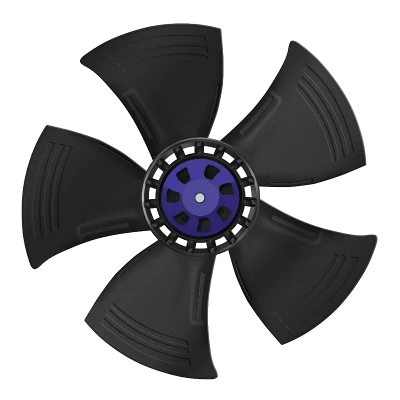
One of the biggest advantages axial flow fans bring to power plants is energy efficiency. Power plants run 24/7, so even small improvements in fan efficiency add up to major cost savings over time. A coal-fired power plant, for example, can have hundreds of fans running across its facility, each consuming electricity that could otherwise be used to generate revenue. Modern axial flow fans, especially our EC (Electronically Commutated) models, use up to 30% less energy than traditional centrifugal fans for equivalent air flow volume. Let's look at one of our most popular models for industrial ventilation: the 250mm EC Axial Fan High Efficiency Air Flow Ventilation Industrial Axial Exhaust Fan. This fan is designed for continuous 24/7 operation, with a brushless motor that adjusts speed dynamically based on air demand-something traditional fixed-speed centrifugal fans can't do. For a power plant, that means you can set the fan to run slower when cooling load is low (like during overnight hours when demand for electricity drops) and ramp up to full speed during peak load periods. The result? Lower energy bills, less wear and tear on equipment, and a smaller carbon footprint-all while keeping critical components within their safe temperature ranges.
Reliability is non-negotiable in a power plant. A fan failure can lead to overheating electrical equipment, unplanned downtime, and even safety hazards that put personnel at risk. For axial flow fans, advances in blade design and motor technology have eliminated many of the historical reliability concerns that plagued older models. Our axial flow fans are built with corrosion-resistant materials, sealed motors that can withstand the dust and humidity common in power plant environments, and blade profiles that reduce vibration and extend the fan's operational life. Take our 200mm DC Ventilation Exhaust Dc Axial Fan for Air Conditioner and Equipment Cooling, which is widely used in power plant switchgear cooling rooms. The DC motor design is simpler and has fewer moving parts than AC motors, so there's less chance of breakdown, and it operates quietly-critical for power plant workspaces where noise levels are already high. We've had customers report that these fans run for five years or more with minimal maintenance, compared to centrifugal fans that often require annual repairs or component replacements. That translates to less downtime, lower maintenance costs, and peace of mind for plant operators.
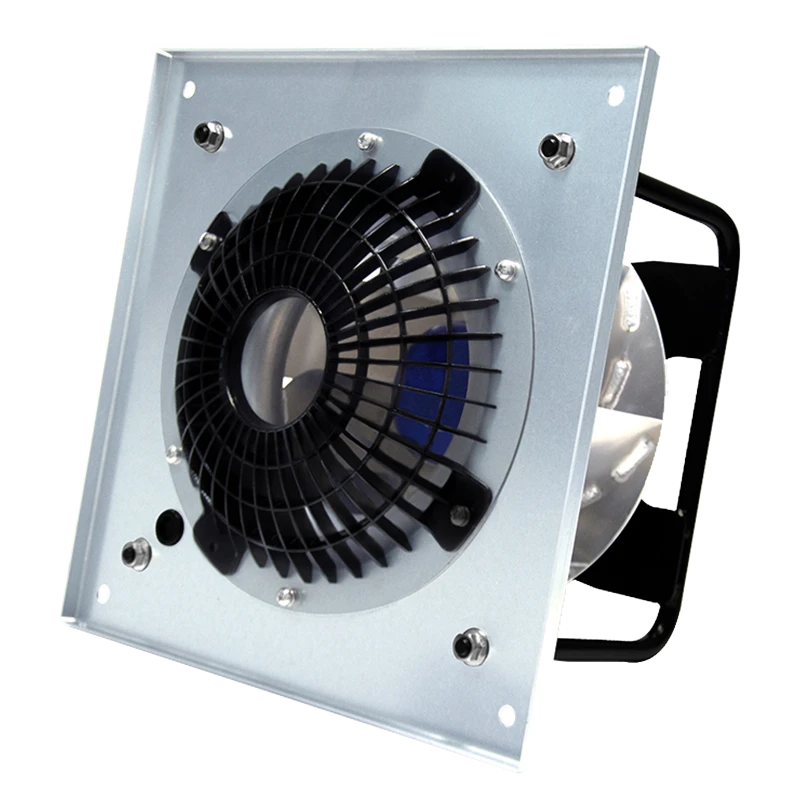
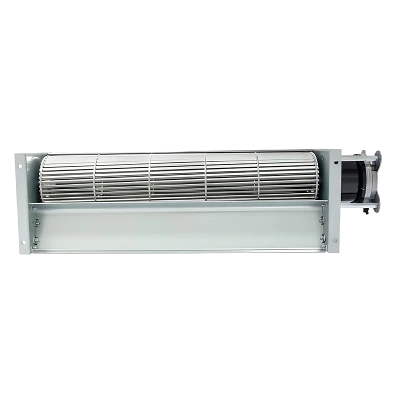
Another key benefit of axial flow fans for power plants is their compact size and flexibility for installation. Power plants have limited space, especially in crowded equipment rooms and around turbines. Centrifugal fans are large and bulky, requiring significant ductwork and floor space to install. Axial flow fans, by contrast, can be mounted directly in walls, windows, or equipment enclosures with minimal modifications, which saves on installation time and cost. Our 250mm EC Window Axial Fan Equipment High Efficiency Centrifugal Fan is a perfect example. It's designed to fit directly into standard window openings, making it ideal for retrofitting existing power plant ventilation systems without major construction. For new power plant builds, the compact design means you can allocate space for other critical equipment, rather than dedicating large areas to fan systems. We also offer window-mounted axial fans with weatherproof enclosures, which is great for outdoor power plant equipment that needs cooling, like generator sets or transformer banks.
Which EC axial fan models should you review?
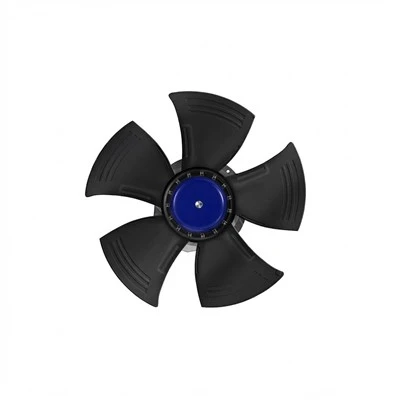
Blauberg BL-A500C-EC-05 500mm EC Axial Fan
View product details and specifications.
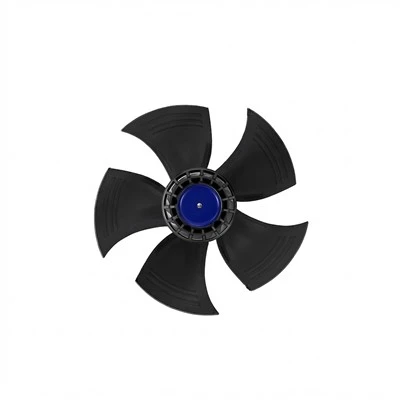
Blauberg BL-A450C-EC-05 450mm EC Axial Fan
View product details and specifications.
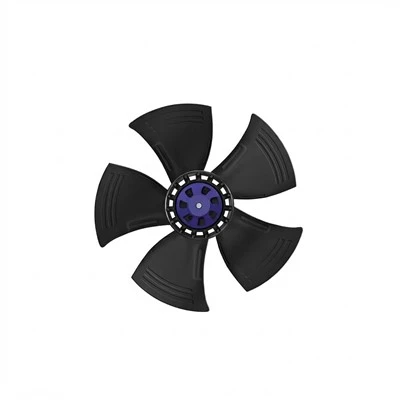
Blauberg BL-A400C-EC-07 400mm EC Axial Fan
View product details and specifications.
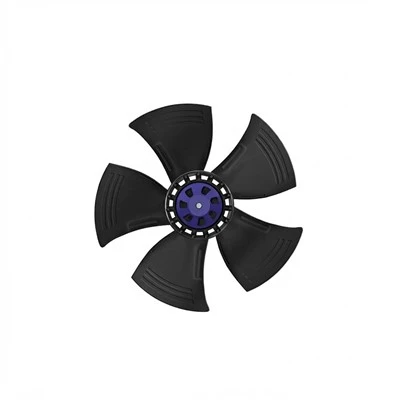
Blauberg BL-A400C-EC-05 400mm EC Axial Fan
View product details and specifications.
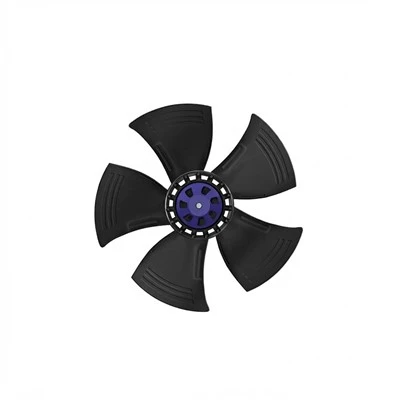
Blauberg BC-A400C-EC-07 400mm EC Axial Fan
View product details and specifications.
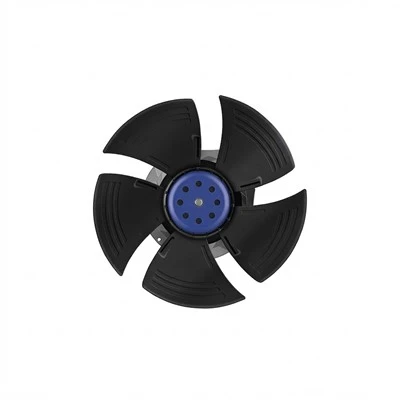
Blauberg BL-A350C-EC-F05 350mm EC Axial Fan
View product details and specifications.
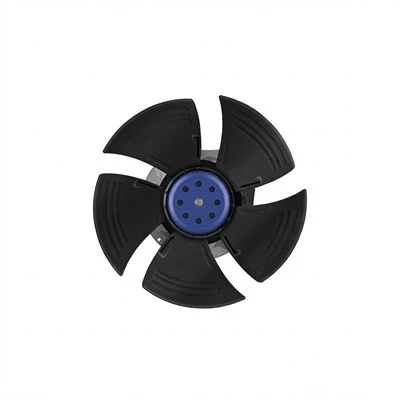
Blauberg BL-A350C-EC-07 350mm EC Axial Fan
View product details and specifications.
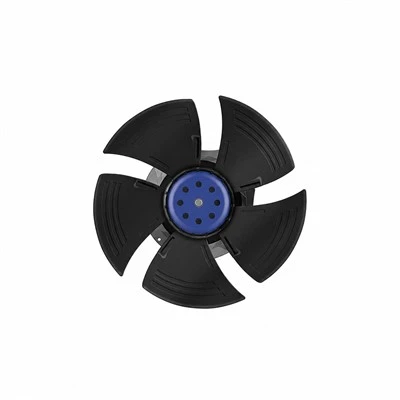
Blauberg BL-A350C-EC-05 350mm EC Axial Fan
View product details and specifications.
Wait a second-let's address the elephant in the room. I know what some veteran power plant engineers are thinking: "Axial flow fans can't handle high static pressure, right? That would make them useless for power plant applications." It's true that traditional axial flow fans struggled with high static pressure, which is the resistance air encounters when moving through ducts or tight spaces. But modern axial flow fan designs have solved that problem. We've optimized blade angles, added variable pitch capabilities, and used advanced aerodynamic profiles that let our axial flow fans operate efficiently even in higher static pressure environments. Our 200mm 310V DC Window Axial Compact Fan Centrifugal Fan for AHU and FFU is designed for AHU (Air Handling Unit) systems common in power plants, where air has to move through ducts and filters, creating moderate static pressure. It delivers consistent air flow even in those conditions, without wasting energy like older axial fans would. For applications where pressure is a bit higher, pairing axial flow fans with properly sized ductwork and filters ensures you get the performance you need. The key is matching the fan model to the specific application, not just defaulting to centrifugal fans out of habit.
Safety is the top priority in any power plant, and axial flow fans have features that align perfectly with power industry safety standards. All our axial flow fans are built with guarded blades to prevent accidental contact, fire-resistant materials that meet NFPA (National Fire Protection Association) standards for electrical equipment, and low-voltage options that reduce shock risk in high-humidity environments. The 200mm EC Brushless Axial Fan Air Flow Ventilation Industrial Axial Blower Exhaust Fan, for example, has a IP55-rated motor, meaning it's protected against dust and water jets-perfect for power plant environments where dust, moisture, and occasional spills are common. We also design our fans with redundant control features, so if one fan stops working, the system can automatically ramp up a backup fan to prevent overheating, which is critical for meeting power plant safety protocols.

I've worked with dozens of power plant teams over the years, and one of the most common success stories I hear is about retrofitting their ventilation systems with axial flow fans. A 500MW coal-fired power plant in the Midwest, for example, was using centrifugal fans for their boiler auxiliary cooling systems. After switching to our 250mm EC axial flow fans, they reported a 28% reduction in energy costs for those fans, and a 40% decrease in maintenance needs because the axial fans required no lubrication or belt replacements-something centrifugal fans need regularly. The compact design also let them add more fans without expanding their equipment room, which was a major win since they had limited space for upgrades. Another example is a natural gas power plant that uses our window-mounted axial fans for their switchgear rooms. They used to have to replace their centrifugal fans every two years due to corrosion from the high humidity in the room, but our axial fans, with their corrosion-resistant coating, have lasted more than four years so far, with no signs of performance loss.
Of course, axial flow fans aren't the right choice for every power plant application. If you need to move air through very long duct runs with high static pressure, centrifugal fans may still be more cost-effective. But for the vast majority of auxiliary cooling, ventilation, and exhaust applications in power plants, axial flow fans offer a better combination of energy efficiency, reliability, compact size, and lower total cost of ownership. The key is working with a supplier that understands power plant needs, and can help you select the right fan model for your specific application.
If you're a power plant operator, maintenance manager, or engineer looking to upgrade your ventilation or cooling systems, axial flow fans are definitely worth considering. Whether you're retrofitting an existing facility or building a new plant, our range of axial flow fans-from 200mm DC models to 250mm EC industrial fans-are designed to meet the unique demands of power plant environments. We've worked with power plants of all sizes, from small peaker plants to large baseload facilities, and we know how to tailor our solutions to your specific needs. If you're ready to discuss how axial flow fans can improve your plant's efficiency, reliability, and safety, reach out to our team for a consultation. We can help you analyze your current fan systems, recommend the right products, and provide detailed performance and cost data to show you the value of switching to axial flow fans for your power plant.
References:
- Power Plant Auxiliary Systems: Ventilation and Cooling Requirements, International Energy Agency, 2022
- Axial vs. Centrifugal Fan Efficiency for Industrial Applications, ASHRAE Journal, Vol. 66, No. 3, 2023
- Fan Reliability in Power Plant Environments: Material and Design Considerations, IEEE Transactions on Industry Applications, Vol. 58, No. 4, 2022
- Variable Speed Fan Systems for Energy Reduction in Power Plants, U.S. Department of Energy Office of Energy Efficiency & Renewable Energy, 2021
- NFPA 70E: Standard for Electrical Safety in the Workplace, National Fire Protection Association, 2023
Category of Blauberg Products
Built on German engineering principles, focusing on precision, reliability, and long-term performance. Through efficient and scalable manufacturing, we deliver high-quality ventilation solutions with optimized cost structure, ensuring strong value for global OEM and project-based customers.