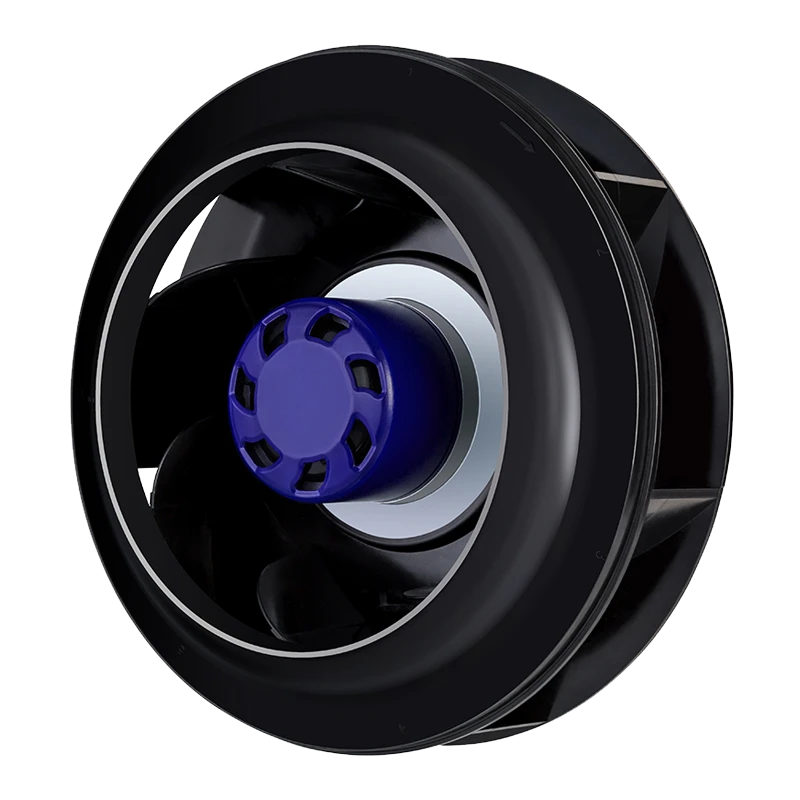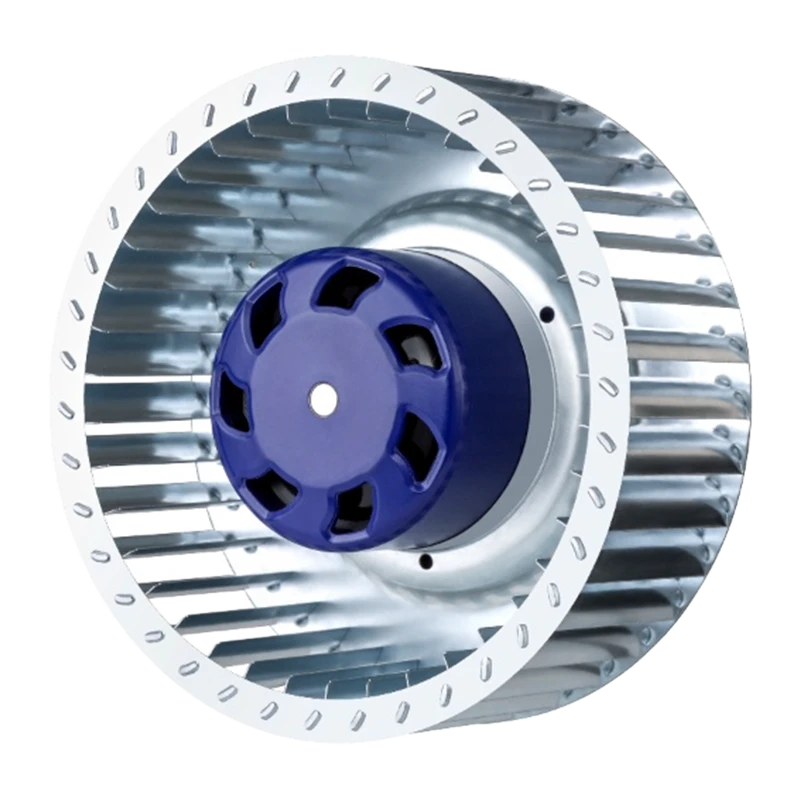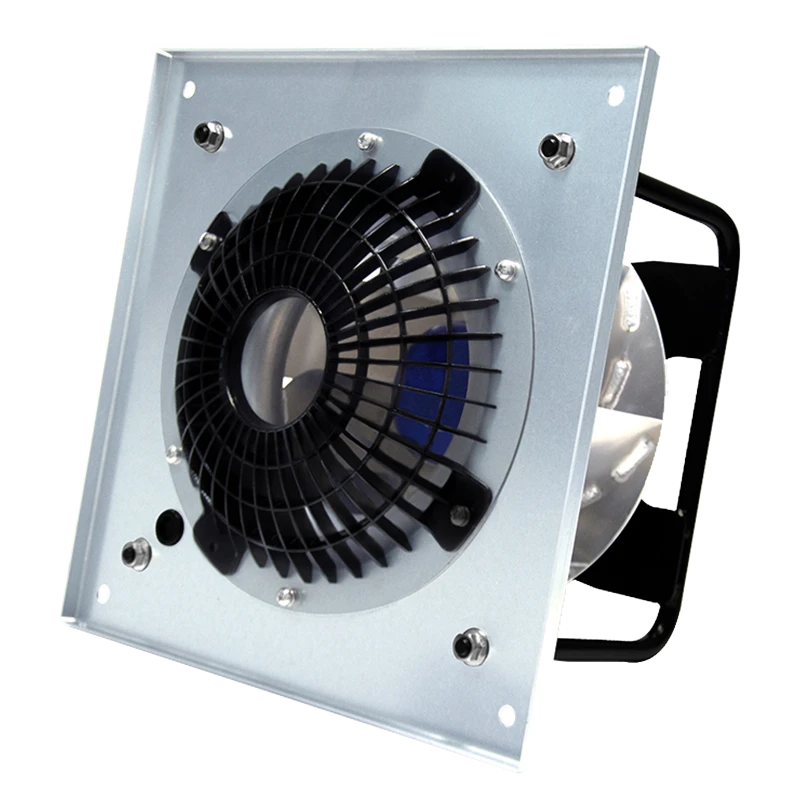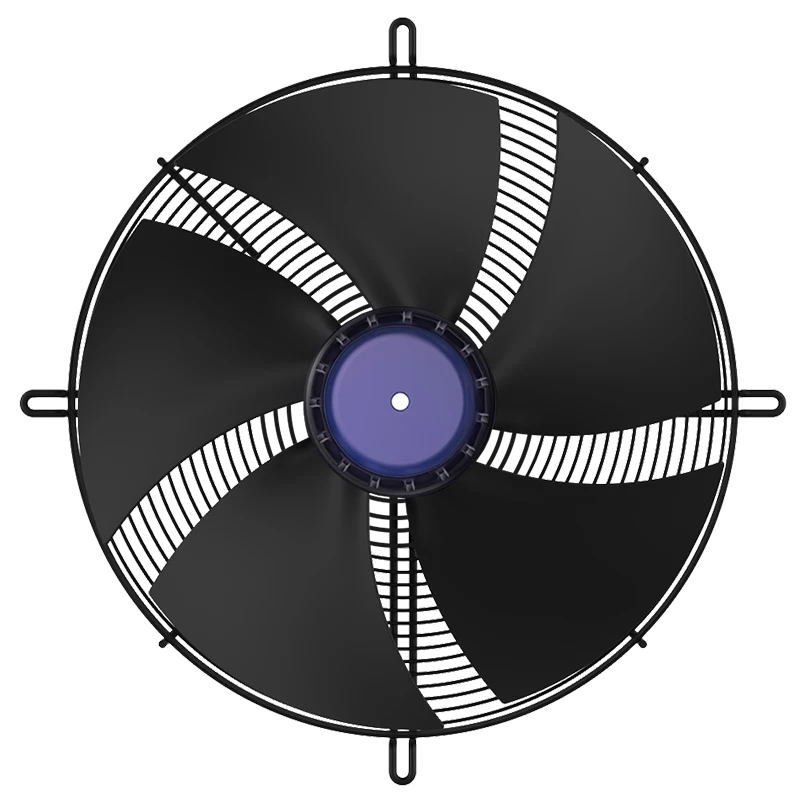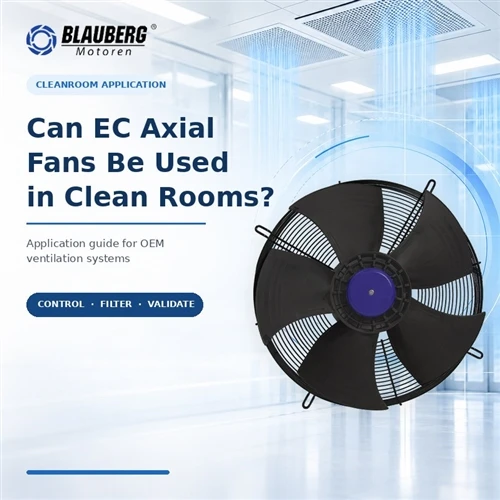
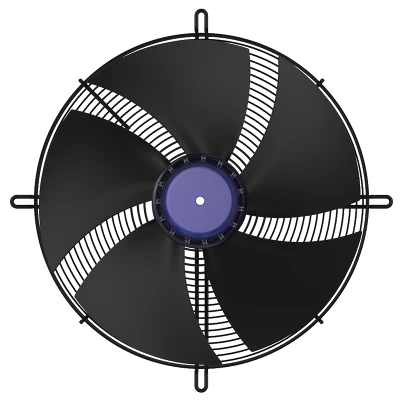
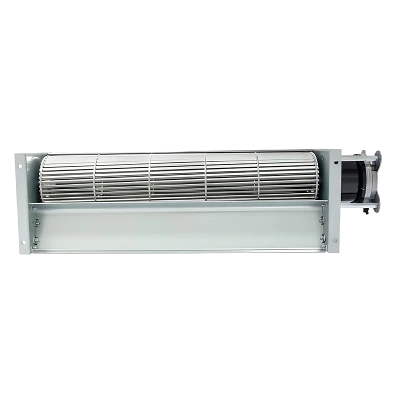
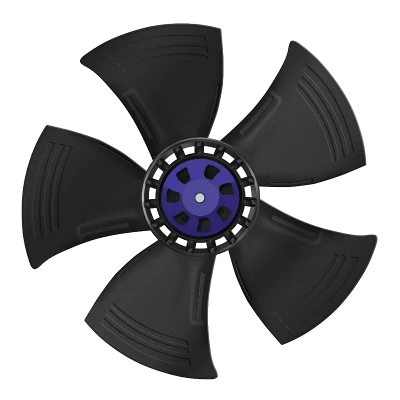
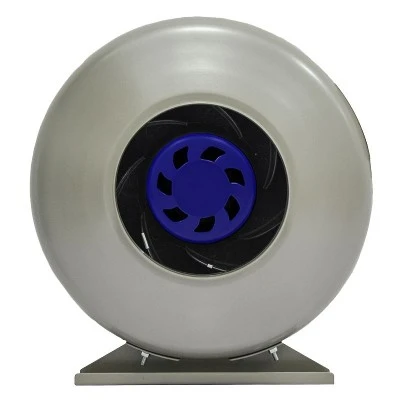
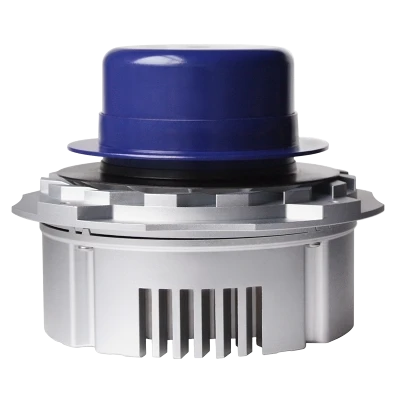

When we talk about clean rooms, the stakes are high. Whether you're manufacturing semiconductors, pharmaceutical drugs, medical devices, or food and beverage products, maintaining strict control over air quality, particle levels, temperature, and humidity isn't just a operational goal-it's a regulatory requirement. For a long time, many clean room operators relied on traditional AC axial fans for air circulation and exhaust, but in recent years, EC (Electronically Commutated) axial fans have emerged as a compelling alternative. As an EC axial fan supplier, I get asked this question all the time: Can EC axial fans actually be used in clean rooms? The short answer is a resounding yes-but let's dive into why, how to choose the right model, and the specific benefits these fans bring to controlled environments.
First, it's critical to understand what makes a clean room unique, and what that means for the equipment you use. Clean rooms are classified by the number of airborne particles (0.5 microns and larger) per cubic meter, with classes ranging from ISO 1 (extremely strict, common in microchip fabrication) to ISO 9 (less stringent, used for things like food packaging). The core requirements for any fan in a clean room are minimal particle generation, precise airflow control, low noise, and energy efficiency-all areas where EC axial fans outperform many traditional AC models.
Let's start with particle generation. When any fan operates, it's going to move air, but the last thing you want in a clean room is the fan itself shedding particles. AC axial fans often use brushed motors, which have carbon brushes that physically rub against a commutator to create rotational motion. Over time, those brushes wear down, releasing tiny carbon particles into the air. For a clean room, even a small amount of this contamination can ruin a batch of sensitive products or force a costly shutdown for filter replacement. EC axial fans, on the other hand, use brushless DC motors. These motors have no physical brushes, so there's zero particle shedding from the motor itself. That's a game-changer for clean room applications. Every EC fan we manufacture is tested to meet ISO 14644-1 standards for clean air, so you don't have to worry about introducing contamination from your ventilation system.
Next, airflow control is another big plus for EC axial fans in clean rooms. Traditional AC fans run at a fixed speed, meaning they cycle on and off to adjust airflow, which wastes energy and can create inconsistent air pressure in the clean room. Pressure consistency is key-if one area of the clean room has too little airflow, it can allow unfiltered air to seep in, while too much airflow can disrupt processes like semiconductor etching or pharmaceutical blending. EC axial fans use variable speed drives (VSDs) integrated directly into the motor, so you can adjust airflow in real time with precise, stepless control. For example, if you need to maintain a constant air change rate (ACR) of 20 air changes per hour in a small clean room, you can program the EC fan to adjust its speed automatically based on real-time air quality sensors, instead of relying on inefficient, intermittent cycling. This level of control isn't just convenient-it helps you stay compliant with regulatory standards like GMP (Good Manufacturing Practices) for pharmaceuticals and SEMI standards for semiconductor manufacturing.

Noise is another factor that's often overlooked, but it's crucial for clean rooms. Many clean room operations require workers to wear hearing protection, but excessive noise can also disrupt sensitive equipment-like precision tools in a lab or delicate electronics in a manufacturing space. AC fans, especially those with brushed motors, tend to be noisier than EC fans because of the friction from the brushes and the less precise motor control. EC axial fans use brushless motors and optimized blade designs that produce far less vibration and noise. Take our Blauberg BL-A200C-EC-00 200mm EC Axial Fan, for example: it's designed to operate at just 22 decibels, which is quieter than a normal conversation. That level of low noise ensures that your clean room environment is both compliant and comfortable for workers, without interfering with sensitive processes.
Energy efficiency is a bonus that adds up over time, which is important for any operation, but especially for clean rooms that run 24/7. EC axial fans are up to 70% more energy-efficient than comparable AC axial fans, according to independent testing. The reason is that brushless motors have higher efficiency ratings (often over 90%) compared to brushed AC motors (typically 60-70%), and the variable speed control means you only use the energy you need, not more. For a clean room that runs continuously, that can translate to thousands of dollars in annual energy savings. And because EC fans don't have worn-out brushes to replace, maintenance costs are also lower-another win for long-term operations.
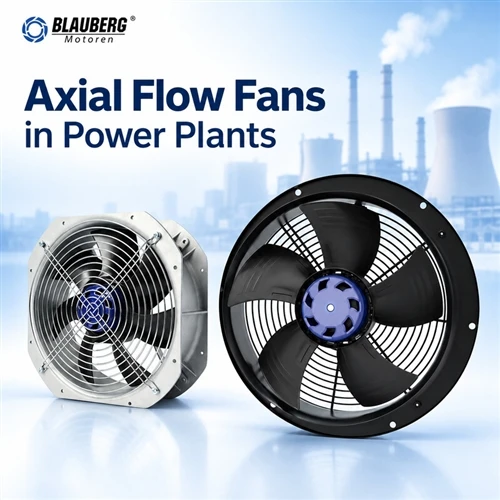
Of course, not all EC axial fans are created equal, and choosing the right model for your clean room is key. Let's talk about the different factors to consider when selecting an EC axial fan for clean room use. First, size and airflow rate. Clean rooms come in all sizes, from small laminar flow hoods (used for bench-top lab work) to large manufacturing spaces covering thousands of square feet. For smaller applications, like a portable air purification unit for a lab, our 250mm Low Noise Portable Brushless External Rotor Motor EC Axial Fan is a great option. It's compact, lightweight, and designed for high efficiency, making it ideal for adding extra air circulation to a small clean room or laminar flow work area. For larger spaces, you might need a higher airflow model-our 400mm 115V Electric Motor Portable Mobile EC Axial Fan for Air Purification moves up to 1,500 cubic feet per minute (CFM), which is perfect for medium to large clean rooms that need consistent, high-volume air exchange.
Which EC axial fan models should you review?
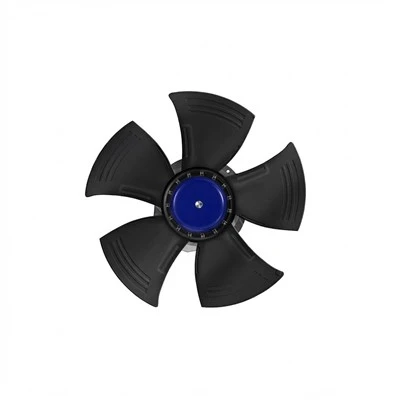
Blauberg BL-A500C-EC-05 500mm EC Axial Fan
View product details and specifications.
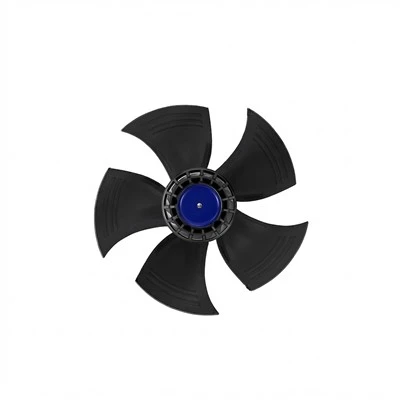
Blauberg BL-A450C-EC-05 450mm EC Axial Fan
View product details and specifications.
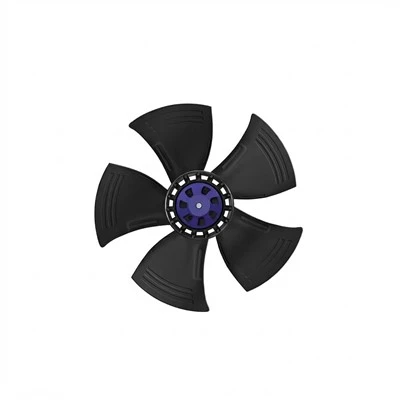
Blauberg BL-A400C-EC-07 400mm EC Axial Fan
View product details and specifications.
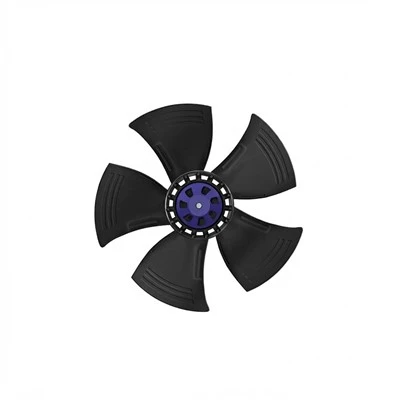
Blauberg BL-A400C-EC-05 400mm EC Axial Fan
View product details and specifications.
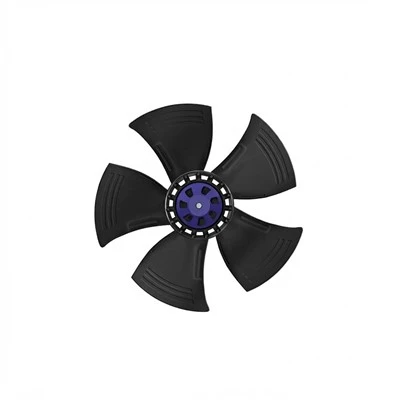
Blauberg BC-A400C-EC-07 400mm EC Axial Fan
View product details and specifications.
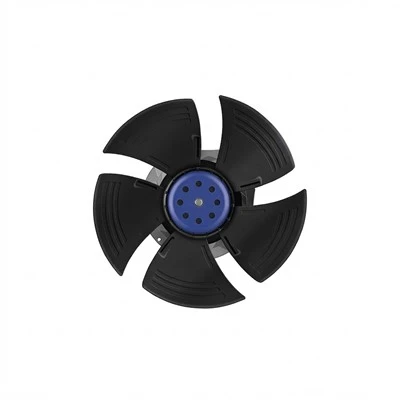
Blauberg BL-A350C-EC-F05 350mm EC Axial Fan
View product details and specifications.
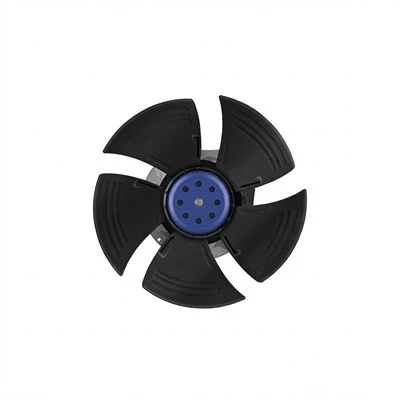
Blauberg BL-A350C-EC-07 350mm EC Axial Fan
View product details and specifications.
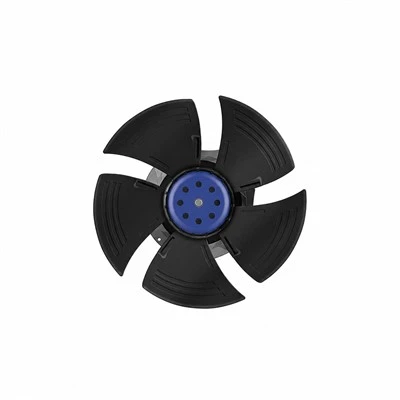
Blauberg BL-A350C-EC-05 350mm EC Axial Fan
View product details and specifications.
Another consideration is environmental conditions. Some clean rooms have additional requirements, like resistance to moisture, high temperatures, or chemicals. For example, if your clean room is adjacent to a manufacturing process that generates high humidity, or if you need a fan that can work in a temperature-controlled space that's slightly warmer than standard, our 350mm Low Noise High Speed Brushless Ball Bearing Waterproof EC Axial Fan is a solid choice. It has a waterproof IP rating (IP55) and uses sealed ball bearings, so it can handle damp or slightly harsh environments without compromising performance. For applications that involve higher temperatures-like a clean room used in food processing that generates heat from equipment-our 350mm High Temperature Poultry Farm Greenhouse Axial Exhaust Fan is designed to operate reliably in temperatures up to 122°F (50°C), making it versatile for a range of industrial clean room settings.
It's also important to consider compliance and testing. When selecting equipment for a clean room, you need to make sure it's been tested to meet relevant industry standards. All of our EC axial fans are third-party tested to meet ISO 9001 quality standards, and we have documentation to support compliance with clean room particle generation requirements. We also work closely with clean room operators to customize fan settings-like speed control, airflow direction, and integration with building management systems (BMS)-to fit your specific clean room layout and regulatory needs. Even if you have unique requirements, like a fan that works with a specific air filtration system or meets strict ESD (Electrostatic Discharge) standards for electronics manufacturing, we can help you find or customize an EC axial fan that fits.
I know some clean room operators might be hesitant to switch from AC fans, especially if they've been using the same equipment for years. Let's address a few common concerns. First, cost: EC axial fans have a higher upfront cost than AC fans, but the long-term savings in energy, maintenance, and reduced downtime far outweigh the initial investment. A typical EC fan will pay for itself in energy savings within 1-2 years, depending on usage. Second, reliability: brushless EC motors have fewer moving parts than AC brushed motors, so they're less prone to breakdowns. That means less unplanned downtime, which is critical for clean rooms where a shutdown can cost tens of thousands of dollars per hour. Third, compatibility: most EC axial fans can be integrated with existing clean room control systems, so you don't have to overhaul your entire ventilation setup to switch. Many of our clients have retrofitted their clean rooms with EC axial fans without any major modifications to their ductwork or controls.
Let's share a quick example of a real client to put this in perspective. A semiconductor manufacturing facility in Silicon Valley was using AC axial fans in their ISO 5 clean room (one of the strictest classifications) and was experiencing two major issues: carbon particle contamination from worn brushes, and high energy costs from fixed-speed motors. They switched to our Blauberg BL-A200C-EC-00 200mm EC Axial Fan for their laminar flow hoods and our 400mm 115V EC axial fans for main air circulation. Within three months, they reduced particle contamination by 92%, met their ISO 5 standards consistently, and saw a 65% drop in their ventilation energy bill. They also reported fewer maintenance calls, since the EC fans required no brush replacement and had a Mean Time Between Failures (MTBF) that's 3x higher than their old AC fans.
At the end of the day, EC axial fans are not just a viable option for clean rooms-they're often the best option for operators who want to meet strict quality standards, reduce operational costs, and improve reliability. The key is choosing the right model for your specific clean room size, environment, and compliance needs. Whether you need a compact portable fan for a small lab, a high-volume fan for a large manufacturing space, or a durable fan for a humid or high-temperature clean room, we have a range of EC axial fans designed to fit every application.
If you're considering switching to EC axial fans for your clean room, or you have questions about which model is right for your needs, our team is here to help. We work with clean room operators of all sizes, from small research labs to large industrial facilities, to provide customized solutions that meet your exact requirements. Contact our sales team to discuss your clean room ventilation needs, and we'll help you find the perfect EC axial fan to keep your space compliant, efficient, and contamination-free.
References
- International Organization for Standardization (ISO). (2015). ISO 14644-1: Cleanrooms and associated controlled environments – Part 1: Classification of air cleanliness by particle concentration.
- International Organization for Standardization (ISO). (2018). ISO 9001: Quality management systems – Requirements.
- Food and Drug Administration (FDA). (2023). Current Good Manufacturing Practices (CGMP) for Finished Pharmaceuticals, 21 CFR Part 210.
- Semiconductor Equipment and Materials International (SEMI). (2022). SEMI F21: Guide for Clean Air Devices for Semiconductor Processing Equipment.
- European Committee for Electrotechnical Standardization (CENELEC). (2021). EN 60335-2-80: Household and similar electrical appliances – Safety – Part 2-80: Particular requirements for fans.
Category of Blauberg Products
Built on German engineering principles, focusing on precision, reliability, and long-term performance. Through efficient and scalable manufacturing, we deliver high-quality ventilation solutions with optimized cost structure, ensuring strong value for global OEM and project-based customers.