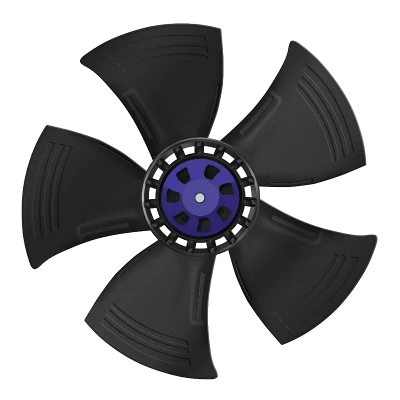
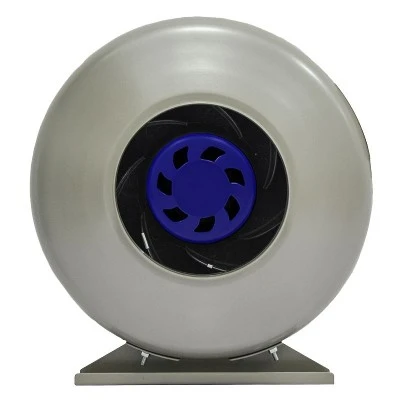
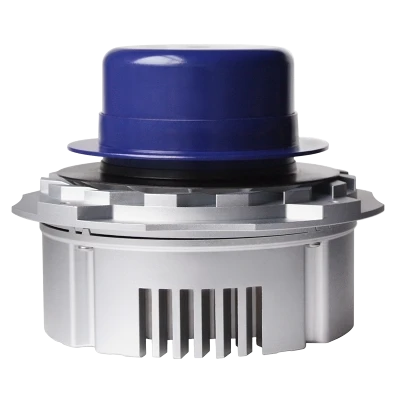

If you've ever stood near a properly vented HVAC system, industrial drying oven, or energy-efficient bathroom exhaust, you've probably felt the steady, focused push of air that makes those systems work so well-and chances are, that air movement is powered by an EC centrifugal motor fan. As a supplier who's been engineering and shipping these fans for nearly a decade, I get asked all the time: "What's the actual airflow pattern of these fans, and why does it matter more than a regular fan?" It's not just about blowing air; it's about controlling how air moves to meet specific needs, whether that's cooling a server rack, extracting fumes from a factory, or keeping a greenhouse at the right temperature. Let's break down the science, how EC centrifugal fans differ from their AC counterparts, and what their unique airflow patterns mean for your operations.
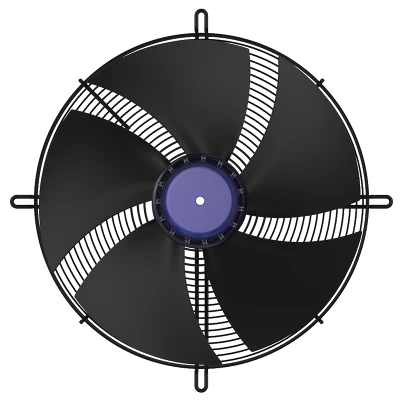
First, let's start with the basics. A centrifugal fan (sometimes called a "squirrel cage" fan, though that nickname is more for residential versions) isn't like the axial fan in your desktop or box fan, which pushes air straight along the axis of the blades. Centrifugal fans pull air in perpendicular to the rotation of the blades-usually from the side or the back of the fan-then spin it outwards along the blades' curve, directing it at a sharp 90-degree angle relative to the incoming air. That's the core of their identity, and it's where their airflow pattern starts. But add in an EC (Electronically Commutated) motor, and everything gets more precise. Unlike AC motors, which rely on fixed magnetic fields that can be inefficient and difficult to adjust, EC motors use built-in electronics to control speed, torque, and direction with far more accuracy. That precision directly shapes the fan's airflow pattern, making EC centrifugal fans ideal for applications where consistent, controlled air movement is non-negotiable.
Let's dive deeper into the airflow anatomy. When an EC centrifugal motor fan turns on, the first step is intake: air is drawn axially (straight into the fan's center, called the inlet or eye of the impeller) because the spinning blades create low pressure at the inlet. This is where EC motors first make a difference. Because EC motors can adjust their speed dynamically, the intake rate is consistent even if there's a small change in back pressure-say, if a duct is slightly blocked or a filter gets a little dusty. A standard AC centrifugal fan might cut out or blow uneven air in that scenario, but an EC version maintains steady intake, keeping the early part of the airflow pattern smooth.
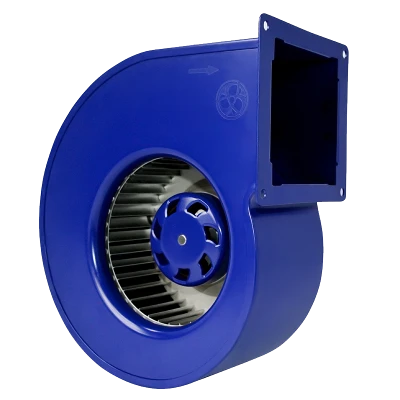
Next comes the transfer phase. As the air moves from the inlet into the space between the impeller's blades, the curved shape of the blades (either forward-curved, backward-inclined, or radial-we'll get to those in a second) and the rotation of the EC motor accelerate the air. This is where the air's direction shifts: from axial (in straight lines) to radial (outwards along the blades). The impeller's housing, called the volute, is a spiral-shaped casing that wraps around the impeller, designed to catch the air as it exits the blades and slow it down gradually. When moving air slows down, its pressure rises-and that's the key advantage of centrifugal fans: they generate high static pressure, meaning they can push air through narrow ducts, filters, or other obstructions without losing much airflow. That's a huge contrast to axial fans, which rely on high flow rates at low pressure, perfect for open spaces but not for long duct runs.

Now, the airflow pattern's shape depends almost entirely on two factors: the impeller blade design and the EC motor's control settings. These are the details that matter most when you're choosing a fan for a specific job, and as a supplier, I've seen how matching those factors to your application makes or breaks a system. Let's break down the three most common blade types, all available in our EC centrifugal fan line, and their airflow patterns:
-
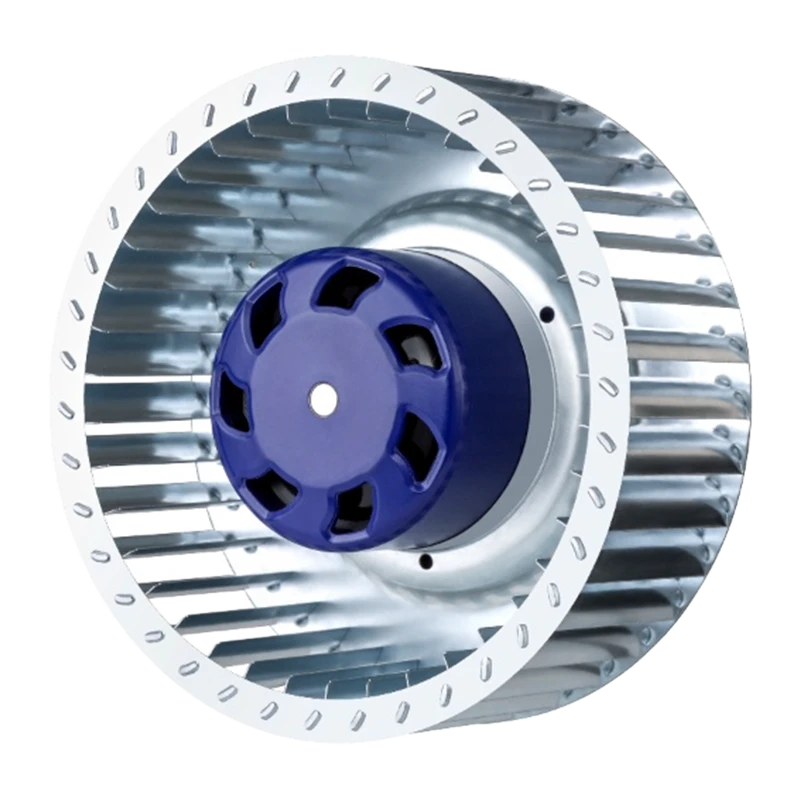
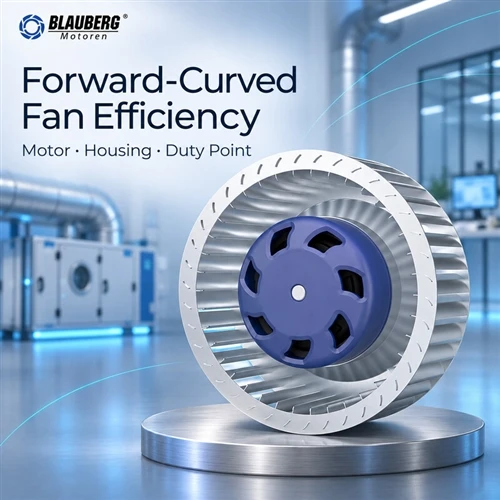
Forward-Curved Blades: These blades curve in the same direction as the impeller's rotation. Their airflow pattern is high-volume, relatively low-pressure, and moves air at a faster speed as it exits the blades. Think of a bathroom exhaust fan, which needs to move a lot of air quietly through short duct runs. We stock several models with forward-curved blades, like our 48V 85W 5060hz Motor Centrifugal Exhaust Fan Motor Blower Ec Fan, which is ideal for residential ventilation, small office restrooms, or even compact server cabinets. The airflow pattern here is broad and diffuse at the outlet, perfect for covering a wide area without needing a lot of static pressure.
-
-
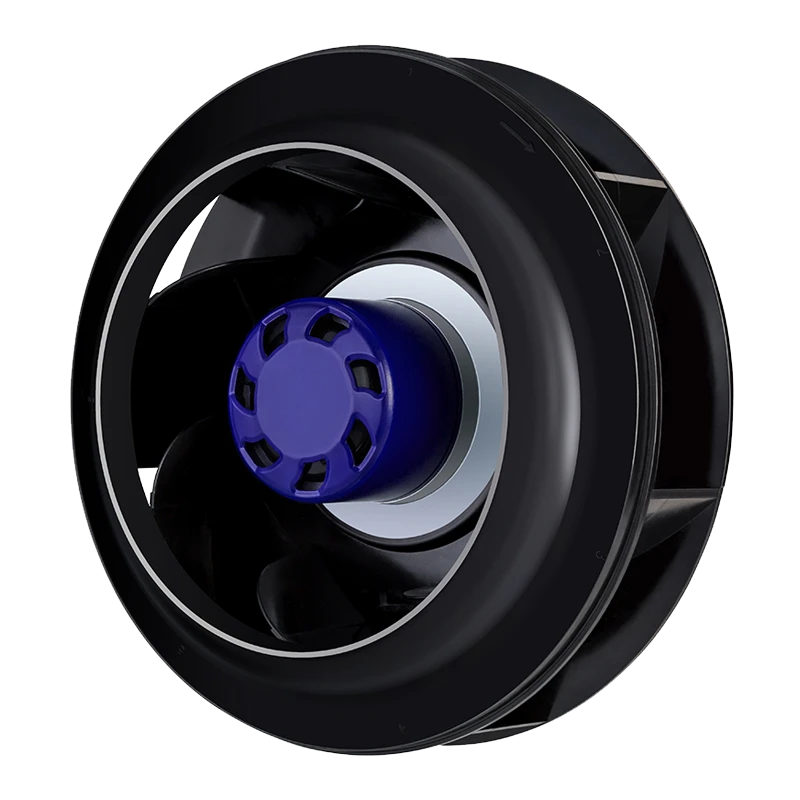
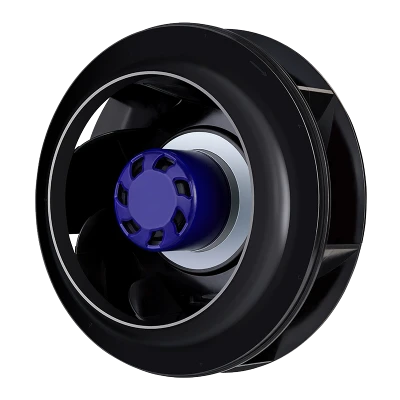
Backward-Inclined Blades: These blades curve opposite to the impeller's rotation, and they're the workhorses for industrial and commercial applications. Their airflow pattern is more efficient, generates higher static pressure, and operates quietly at higher speeds. Unlike forward-curved blades, backward-inclined blades don't have that fast, diffuse outlet flow-instead, they deliver a focused, steady stream of air that's great for long duct runs, HVAC systems, or process cooling. For example, our 230v Centrifugal Fans with External Rotor Motor Big Motor Ec Centrifugal Fan uses backward-inclined blades and an EC motor that can adjust speed by up to 80% while maintaining consistent airflow. That precision makes it perfect for large commercial HVAC systems, where you need to balance air flow across multiple zones without wasting energy.
-
-
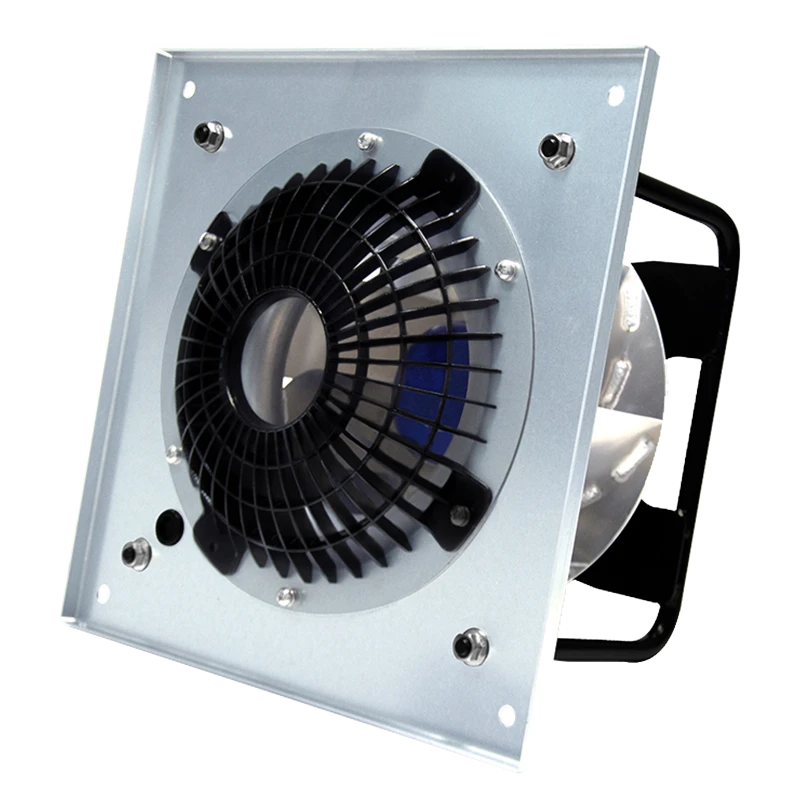
Radial Blades: These are straight blades, like a paddle wheel, and their airflow pattern is durable and resistant to debris. They're used in applications where the air has a lot of particulates-like sawmills, grain handling, or dust collection systems-since curved blades can get clogged with dust or debris. Our 230v 170W Big Motor Ec Centrifugal Fan Motors Electrical is a radial blade model built for heavy-duty industrial use, with an airflow pattern that's powerful and consistent even when dealing with dirty air. The downside? Radial blade fans are slightly less efficient than backward-inclined ones, but for harsh environments, their durability makes them worth the tradeoff.
-
Which centrifugal fan models should you review?

Blauberg BE-B400H-EC-05 400mm DC Backward Centrifugal Fan
View product details and specifications.
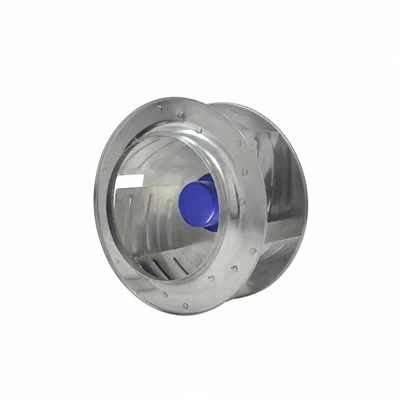
Blauberg BE-B400D-EC-05 400mm DC Backward Centrifugal Fan
View product details and specifications.
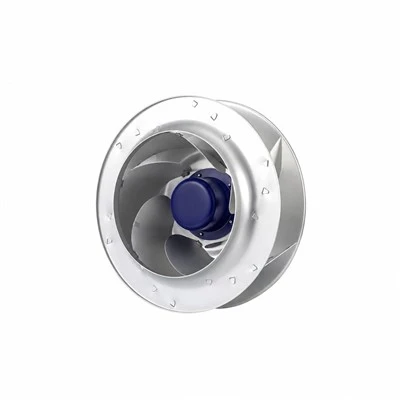
Blauberg BE-B355C-EC-05 355mm DC Backward Centrifugal Fan
View product details and specifications.
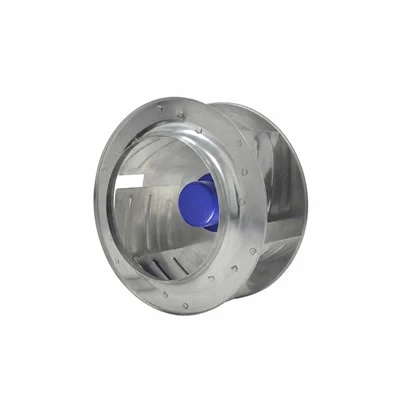
Blauberg BN-B310C-EC-01 310mm DC Backward Centrifugal Fan
View product details and specifications.
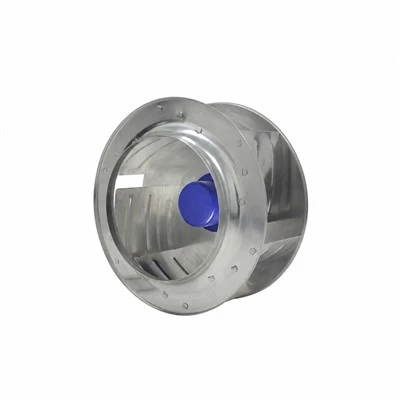
Blauberg BE-B310D-EC-N07 310mm DC Backward Centrifugal Fan
View product details and specifications.
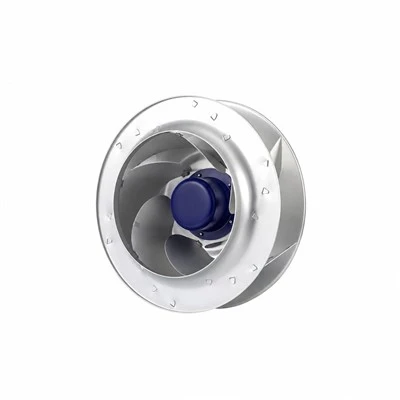
Blauberg BE-B310D-EC-05 310mm DC Backward Centrifugal Fan
View product details and specifications.
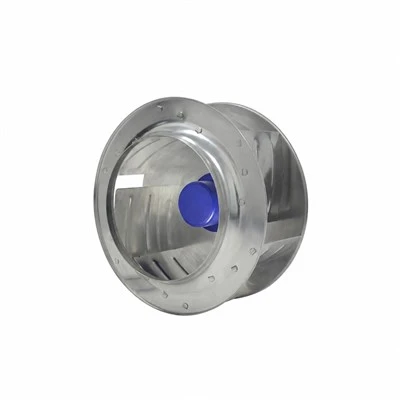
Blauberg BE-B310C-EC-01 310mm DC Backward Centrifugal Fan
View product details and specifications.
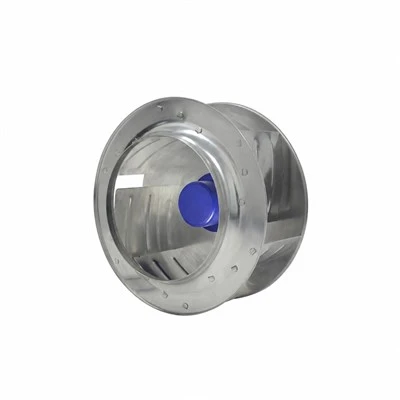
Blauberg BD-B310D-EC-N07 310mm DC Backward Centrifugal Fan
View product details and specifications.
A lot of people don't realize that the EC motor's electronics also shape the airflow pattern beyond the blade design. EC motors are brushless, so they don't have the same wear points as AC motors, and they can be programmed to adjust speed based on real-time conditions-like temperature, air quality, or back pressure. For example, if you set an EC centrifugal fan to maintain a specific static pressure, the motor will speed up or slow down to keep the airflow pattern consistent, even if the duct gets more restricted over time. That's a huge advantage over AC motors, which often run at full speed even when you only need a fraction of the airflow, wasting energy and creating uneven air distribution. I've had a customer in the food processing industry switch from AC to our 230v 115W Big Motor Ec Centrifugal Fan Brushless Motor for their conveyor belt cooling system, and they reported a 25% drop in energy costs while their product temperature stayed 2 degrees more consistent-all because the EC motor adjusted the airflow pattern to match their needs, instead of running at full blast 24/7.
There's another key part of the airflow pattern that's often overlooked: the outlet. The volute housing doesn't just catch air-it shapes how it exits the fan. The spiral shape is designed to slow the air gradually as it moves around the housing, which converts the high-speed kinetic energy from the impeller into static pressure. If the volute is too small, the air won't slow down enough, and you'll get turbulent, noisy airflow at the outlet. If it's too big, you'll lose pressure and airflow efficiency. All our EC centrifugal fans are designed with a volute matched to the impeller size, so the airflow is smooth and consistent at the outlet, no matter the speed. For low-voltage applications, like RVs or small electronics, we have our 12v 85W 5060hz Centrifugal Fan Motor Out Centrifugal Fan, which has a compact volute designed for tight spaces, with an airflow pattern that's focused enough to cool small electronics without wasting power.
One common myth I hear is that all centrifugal fan airflow patterns are the same. That's just not true. The difference between EC and AC centrifugal fans, combined with blade design and volute shape, means you can get an airflow pattern tailored to almost any need. Let's use an example: a hospital operating room needs precise, controlled airflow to prevent contamination. They need high static pressure to push air through HEPA filters, a consistent focused airflow to maintain positive pressure, and low noise to keep the environment calm. A backward-inclined EC centrifugal fan is perfect here-its airflow pattern is steady, the EC motor can adjust speed to maintain pressure through the HEPA filters, and it's quieter than an AC fan of the same size. On the other end, a garage with a car needs a high-volume, low-pressure airflow pattern to extract exhaust fumes quickly. A forward-curved EC centrifugal fan would work here, moving a lot of air at low pressure without needing long ducts.
If you're still wondering why all this matters, let's connect it to the bottom line. A well-matched EC centrifugal fan airflow pattern isn't just about better air flow-it's about lower energy costs, longer equipment life, better process performance, and fewer breakdowns. AC fans have a fixed airflow pattern, so you either overpay for the power to run at full speed or suffer from uneven air flow when you slow them down. EC fans adjust their airflow dynamically, so you get exactly the amount of air you need, when you need it.

As a supplier, I've worked with customers across industries to help them pick the right EC centrifugal fan for their specific airflow needs. Whether you need a low-voltage model for small electronics, a heavy-duty radial blade fan for industrial dust collection, or a backward-inclined fan for a commercial HVAC system, our line has options tailored to different airflow patterns. If you're curious about how an EC centrifugal fan's airflow pattern would work for your application, feel free to reach out to discuss your project details.
References
- Centrifugal Fan Aerodynamics: Impeller Blade Design and Volute Geometry. ASHRAE Handbook - HVAC Systems and Equipment, 2021.
- Electronically Commutated (EC) Motors: Efficiency and Control in Fan Applications. DOE Office of Energy Efficiency & Renewable Energy, 2022.
- Industrial Centrifugal Fan Performance: Airflow Patterns and Pressure Characteristics. Journal of Mechanical Engineering, Vol. 68, No. 3, 2022.
Category of Blauberg Products
Built on German engineering principles, focusing on precision, reliability, and long-term performance. Through efficient and scalable manufacturing, we deliver high-quality ventilation solutions with optimized cost structure, ensuring strong value for global OEM and project-based customers.