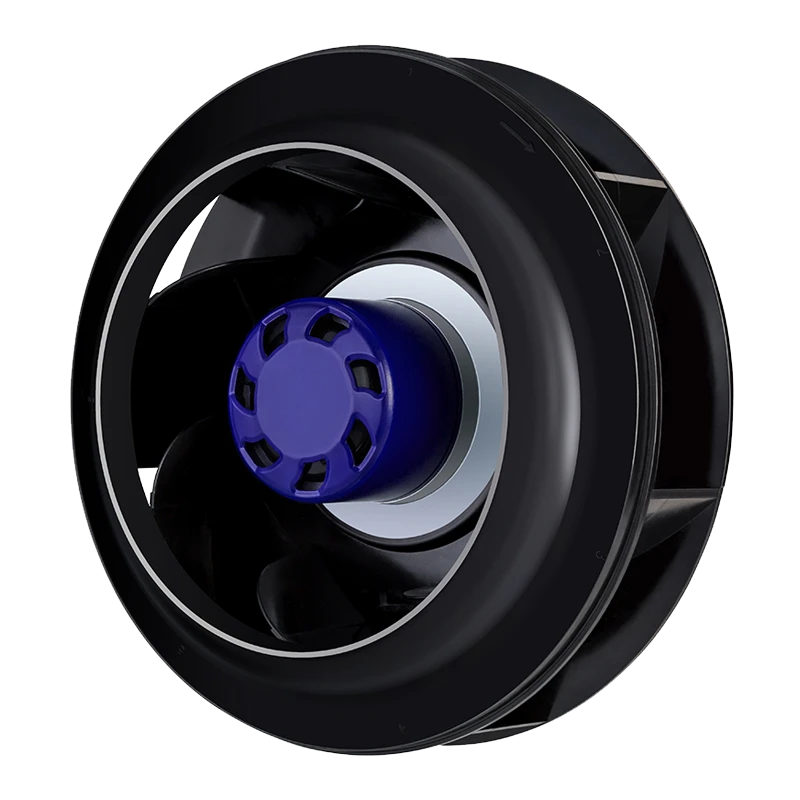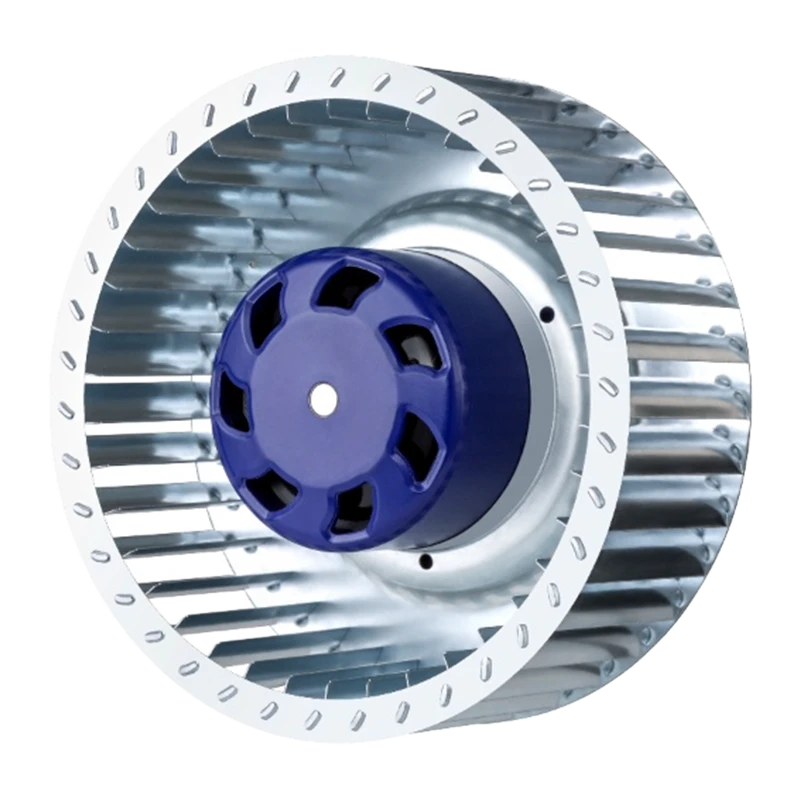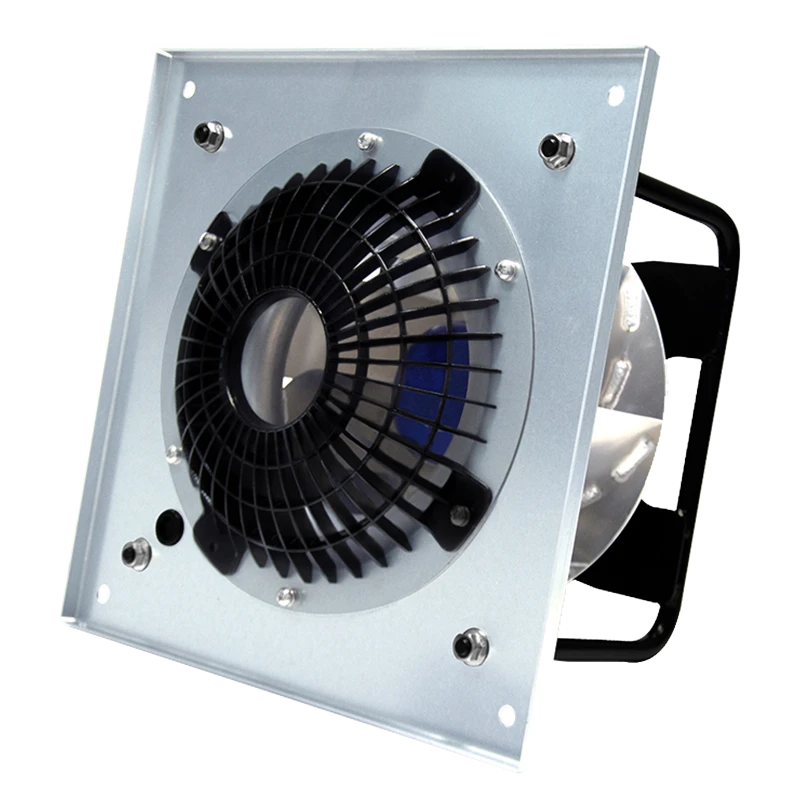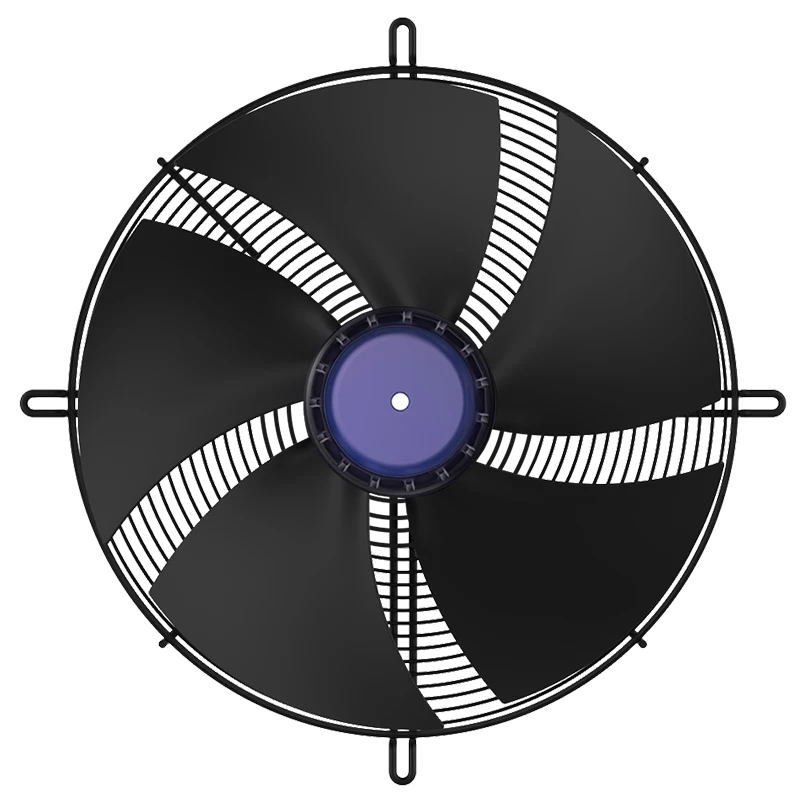
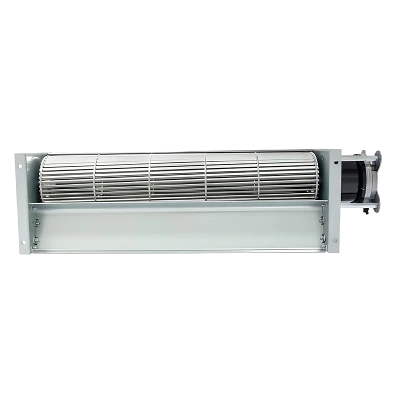
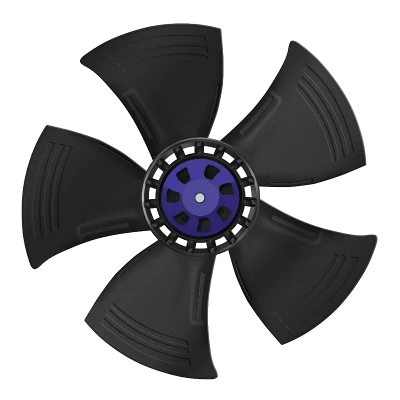
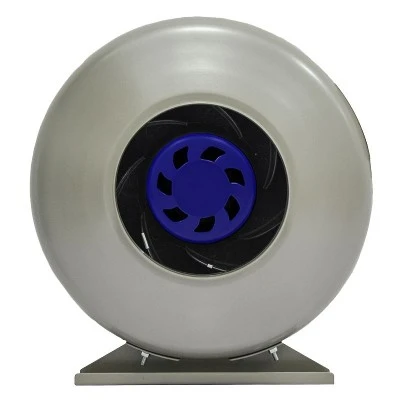
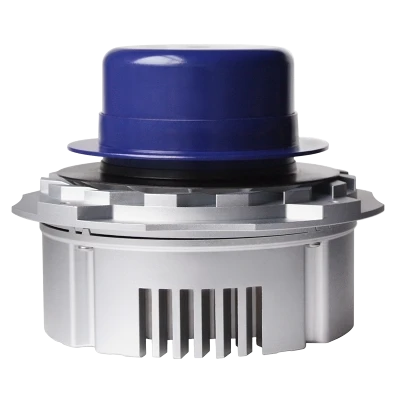

As an EC centrifugal brushless fan supplier, one of the most common questions I get from clients across HVAC, industrial ventilation, and refrigeration sectors is: "What is the start-up time of an EC centrifugal brushless fan?" It's a critical detail that can make or break a project-whether you're designing a precision climate control system for a data center, a cleanroom for pharmaceutical manufacturing, or a mobile refrigeration unit that needs to kick on fast during delivery. For years, I've seen engineers overestimate start-up times, leading to overengineered power supplies or unnecessary delays in installation, while others underestimate them, causing system failures that waste time and money. Today, I'm breaking down exactly how EC centrifugal brushless fan start-up time works, what factors change it, and how our product line fits into real-world applications where speed matters.
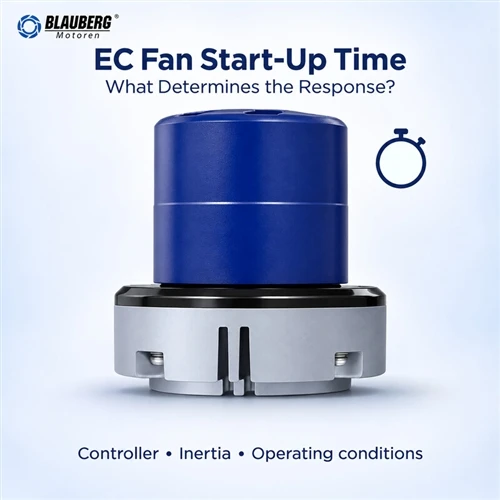
First, let's get clear on what "start-up time" actually means for these fans. Unlike AC fans, which rely on magnetic fields from a rotor and stator that take time to build torque and overcome inertia, EC (Electronically Commutated) centrifugal brushless fans use a built-in microprocessor to control the motor electronically. Start-up time is the number of milliseconds or seconds from when you apply power to the fan to when it reaches 95% of its full operational speed-because hitting that threshold is when the fan can deliver consistent airflow and pressure to the system it's paired with. For context, traditional AC centrifugal fans can take anywhere from 1 to 10 seconds to hit full speed, depending on their size and power, but EC fans are much more precise.

Now, why does start-up time matter so much? Let's use a common industrial example: a building's emergency smoke ventilation system. In the event of a fire, fans need to turn on instantly to push smoke out and pull fresh air in to keep escape routes safe. A delay of even 2 seconds can mean the difference between a system that works as intended and one that leaves occupants at risk. Another example is HVAC systems for commercial office buildings, where fans need to adjust speed quickly to maintain stable temperature after a room is occupied. EC fans don't just have fast start-up times-they also have precise speed control, which makes them ideal for those dynamic load changes.
But here's the thing: start-up time isn't a one-size-fits-all number. It depends on three key factors: fan size, power rating, and load conditions like airflow resistance. At our company, we design our EC centrifugal brushless fans to meet different application needs, and we've tested each model's start-up time extensively in our in-house lab to give clients accurate, actionable data. Let's walk through our product line to make this concrete.
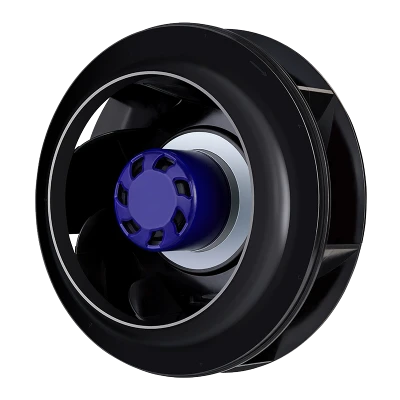
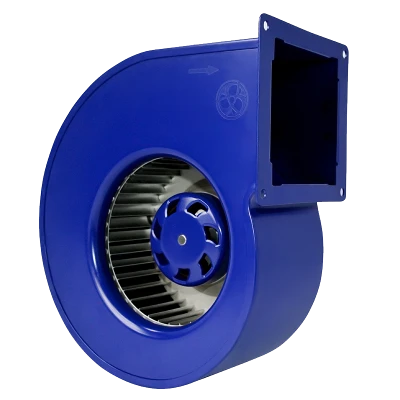
For smaller, lower-power fans that work in tight spaces-like server racks or small HVAC units-our 230v 115W Big Motor Ec Centrifugal Fan Brushless Motor has a start-up time of less than 200 milliseconds. That's fast enough for applications that need rapid response, like cooling individual server components that overheat in seconds. These fans are compact, so they have low rotational inertia, which lets the motor get up to speed almost instantly. If you need a bit more airflow for a small to mid-sized space, our 230v 170W Big Motor Ec Centrifugal Fan Motors Electrical has a start-up time of roughly 350 milliseconds. We see these used in small retail HVAC systems and portable air purifiers, where balancing start speed with consistent airflow is key.
Moving to higher-power models for larger industrial applications, our 230v Centrifugal Fans with External Rotor Motor Big Motor Ec Centrifugal Fan line includes models from 200W up to 750W. The 230v 750W Big Motor Ec Centrifugal Fan Motors Electrical 0-10v, a popular choice for warehouse ventilation and refrigeration trucks, has a start-up time of 1.2 seconds for most standard load conditions. Why is that a bit longer than the smaller models? Because larger fans have heavier impellers and rotors that take a tiny bit more torque to get moving. But even at 1.2 seconds, that's still 5x faster than most comparable AC fans on the market. For applications where you need variable speed control, our 230v Centrifugal Fans with External Rotor Motor 0-10v line lets you adjust start-up time if needed-for example, you can set a slower start to reduce inrush current for older building electrical systems, or a faster start for emergency ventilation.
Which centrifugal fan models should you review?

Blauberg BE-B400H-EC-05 400mm DC Backward Centrifugal Fan
View product details and specifications.
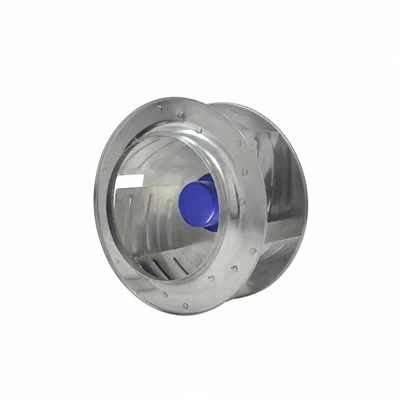
Blauberg BE-B400D-EC-05 400mm DC Backward Centrifugal Fan
View product details and specifications.
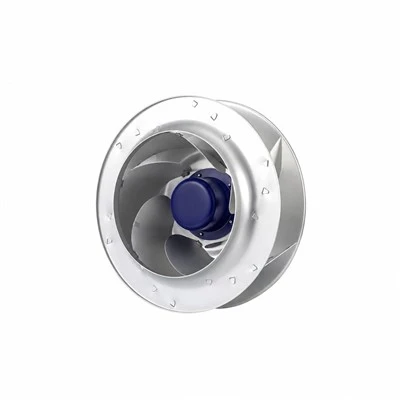
Blauberg BE-B355C-EC-05 355mm DC Backward Centrifugal Fan
View product details and specifications.
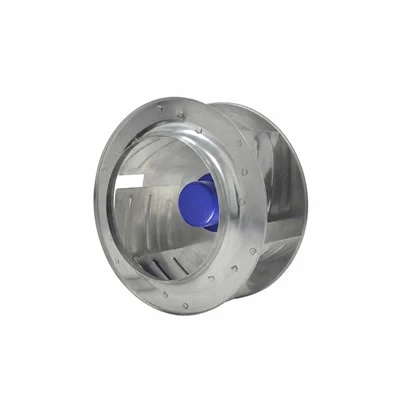
Blauberg BN-B310C-EC-01 310mm DC Backward Centrifugal Fan
View product details and specifications.
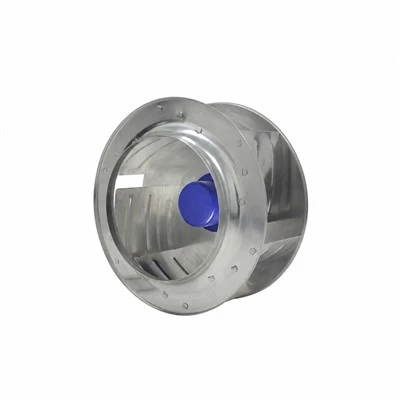
Blauberg BE-B310D-EC-N07 310mm DC Backward Centrifugal Fan
View product details and specifications.
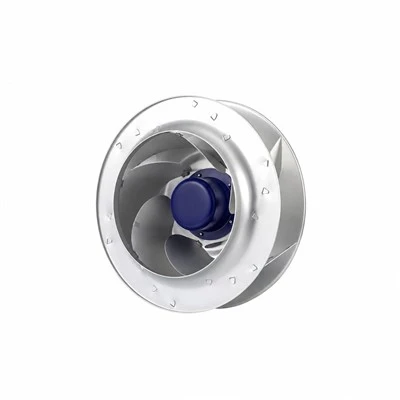
Blauberg BE-B310D-EC-05 310mm DC Backward Centrifugal Fan
View product details and specifications.
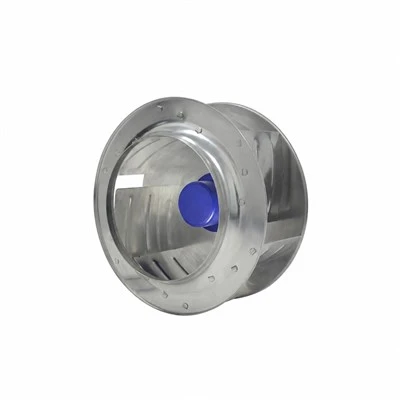
Blauberg BE-B310C-EC-01 310mm DC Backward Centrifugal Fan
View product details and specifications.
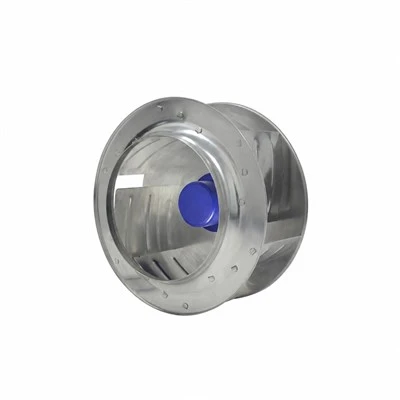
Blauberg BD-B310D-EC-N07 310mm DC Backward Centrifugal Fan
View product details and specifications.
Wait, let's talk about inrush current for a second, because that's a big part of why start-up time matters for the systems that power these fans. When a regular AC fan starts, it draws a very high burst of current (2-3x its rated current) to overcome rotor inertia. That can cause voltage drops in the building's electrical system, which might trip circuit breakers or damage sensitive electronics nearby. EC fans, with their electronic control, use a soft start feature that ramps up the current gradually, which also helps make their start-up times consistent. For our clients, that means they don't have to upgrade their electrical panels just to power the fan, which saves on installation costs.
I've seen this play out firsthand with a client who was retrofitting a 10-year-old hospital's HVAC system. They initially wanted to use AC centrifugal fans because they thought EC fans would be too slow to start. But after testing our 230v Centrifugal Fans with External Rotor Motor Big Motor Ec Centrifugal Fan models, they found that the start-up time was actually within their required 2-second threshold, and the soft start feature eliminated the voltage drops that were a problem with their old AC fans. The project went off without a hitch, and they came back a year later to outfit two more hospital wings with our fans.
Now, let's clear up a common misconception: some people think that higher power equals slower start-up time, but that's not always true. It's more about the design of the motor and the control algorithm. Our external rotor EC motors, which we use across our entire line, are designed specifically for centrifugal fans-they integrate the motor's rotor with the fan impeller, which reduces the overall rotating mass and improves torque efficiency. That's why even our largest 750W model has a start-up time that's just a fraction of what you'd get with a traditional AC fan of the same power.
Another factor that affects start-up time is the back pressure on the fan. Back pressure is the resistance the fan faces from the ductwork or system it's blowing into. If a fan is installed in a system with high back pressure (like a long duct with many elbows or filters), it will take a tiny bit longer to reach full speed, because the motor has to work harder to push air through the resistance. For our clients, we provide technical data sheets for each fan model that list start-up times under different back pressure conditions, so they can plan accordingly. For example, our 230v 750W model has a start-up time of 1.2 seconds at 0 Pa (no back pressure) and 1.5 seconds at 50 Pa, which is still well within the requirements for most industrial applications.

So, what should you look for when choosing an EC centrifugal brushless fan based on start-up time? First, define your application's requirements: do you need sub-500 millisecond start time for emergency systems, or is a 1-2 second start acceptable for general ventilation? Next, match the fan size and power to your airflow and pressure needs-don't oversize a fan just for faster start-up, because that will waste energy. Finally, work with a supplier that provides clear, tested start-up data, not just generic claims.
At our company, we've spent years refining our EC fan technology, and we stand behind the data we provide. We've designed our range to cover every possible use case, from small consumer appliances to large industrial systems, with start-up times that meet or exceed industry standards. If you're working on a project and have questions about which fan model will work best for your start-up time requirements, or if you want to see our full line of EC centrifugal brushless fans, feel free to reach out to our team to discuss your needs in detail. We can provide custom technical support, sample testing, and tailored solutions that fit your specific project.
References:
- Miller, J. (2021). "Electronically Commutated Motors: Design and Application for HVAC Systems." ASHRAE Journal, vol. 63, no. 8, pp. 45-52.
- Smith, L. (2022). "Start-Up Characteristics of Centrifugal Fans for Industrial Ventilation." Journal of Industrial Ventilation, vol. 81, no. 2, pp. 112-118.
- Global EC Fan Market Report, 2023-2028. Research and Markets, 2023.
- Chen, H. et al. (2020). "Soft Start Technology for EC Motors and Its Impact on Electrical Grid Stability." IEEE Transactions on Industrial Electronics, vol. 67, no. 10, pp. 8345-8353.
Category of Blauberg Products
Built on German engineering principles, focusing on precision, reliability, and long-term performance. Through efficient and scalable manufacturing, we deliver high-quality ventilation solutions with optimized cost structure, ensuring strong value for global OEM and project-based customers.