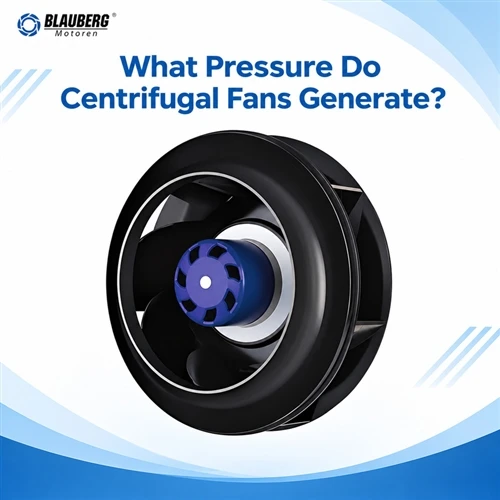
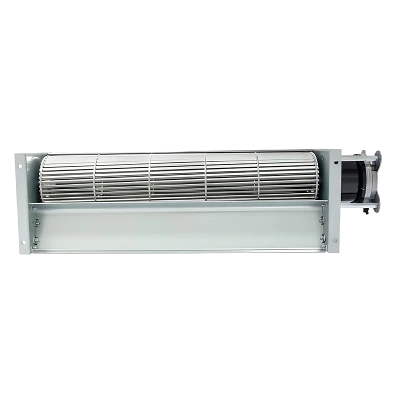
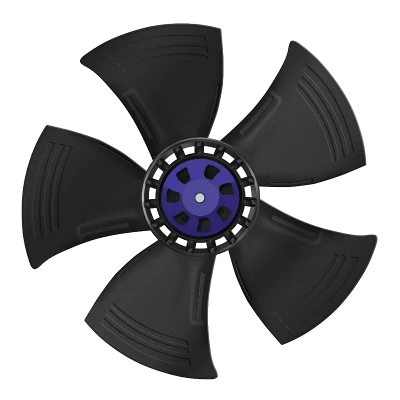
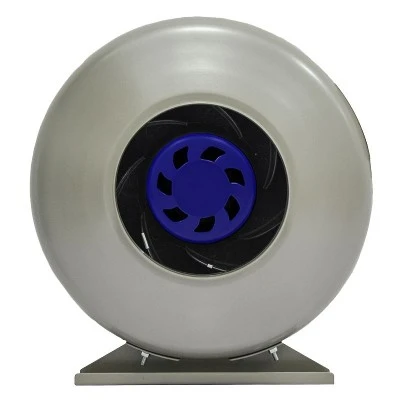
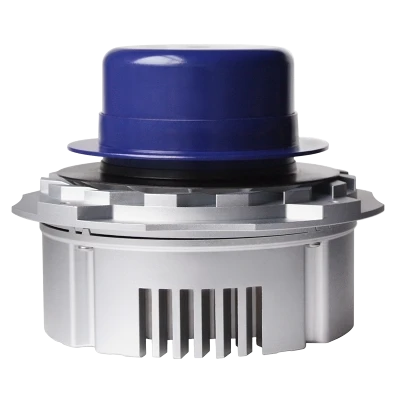

If you've ever stood in a commercial building's HVAC room during a system check, or watched an industrial drying process move materials through a ductwork network, chances are centrifugal fans were doing the heavy lifting. Unlike axial fans that push air straight along their axis, centrifugal fans generate flow by spinning air (or gas) in a circular motion inside a curved housing, then directing it outward through an outlet. For years, I've worked alongside teams designing these systems, answering the same question over and over: What exactly is the pressure generated by centrifugal fans? It's not a random number pulled from a spec sheet-it's a core performance metric that makes or breaks whether an HVAC system heats evenly, an industrial process dries efficiently, or a warehouse's air exchange works as intended.
Let's start with the basics to demystify this. When we talk about pressure from a centrifugal fan, we're referring to the difference in air pressure between the fan's inlet (where air is pulled in) and its outlet (where air is pushed out). Pressure isn't force for force's sake here; it's what overcomes resistance in the system. That resistance comes from two main sources: friction between air molecules and the walls of ducts, filters, or coils, and any obstacles that disrupt flow, like bends in ductwork or ventilation grilles. Without enough pressure, air will move sluggishly, leaving stuffy rooms, under-dried materials, or inadequate cooling in their wake.
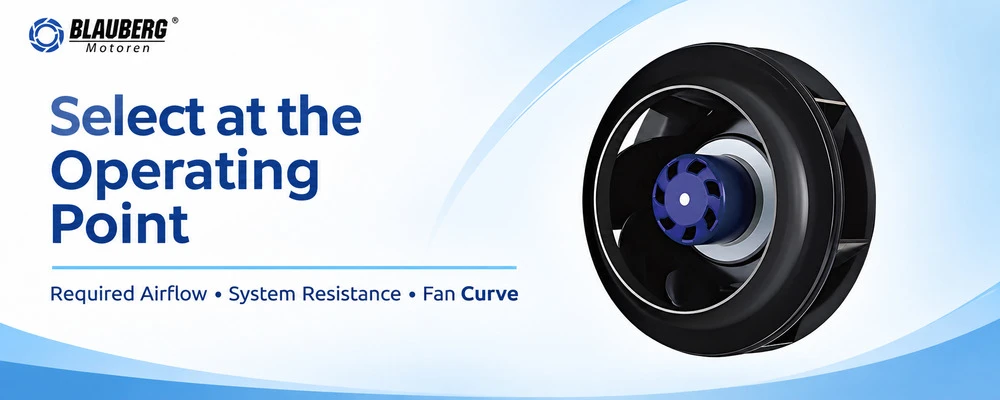
There are two key types of pressure we measure with centrifugal fans, and they work together to get air moving. Static pressure is the "hidden" pressure that pushes against surfaces, like the walls of a duct or a filter. Think of it like the pressure inside a balloon-it doesn't flow, but it exerts force outward. Velocity pressure, on the other hand, is the pressure of moving air itself, tied directly to how fast air is traveling. Total pressure is just the sum of these two, and it's the total energy the fan is adding to the air stream. Most of the time, when we talk about centrifugal fan pressure as a performance rating, we're referencing static pressure-because that's the pressure that actually pushes air through the entire system's resistance.
Now, how do centrifugal fans create this pressure? The science boils down to a principle called centrifugal force, plus the shape of the fan's impeller (the rotating part that moves air). As the impeller spins, it throws air outward from its center toward the fan's housing, increasing its velocity. When that fast-moving air hits the wider, curved section of the housing, it slows down, and that drop in velocity converts energy from the spinning impeller into static pressure. The shape of the impeller blades plays a huge role here: backward-curved blades, forward-curved blades, and radial blades each generate pressure in very different ways, which is why we match impeller type to specific applications.
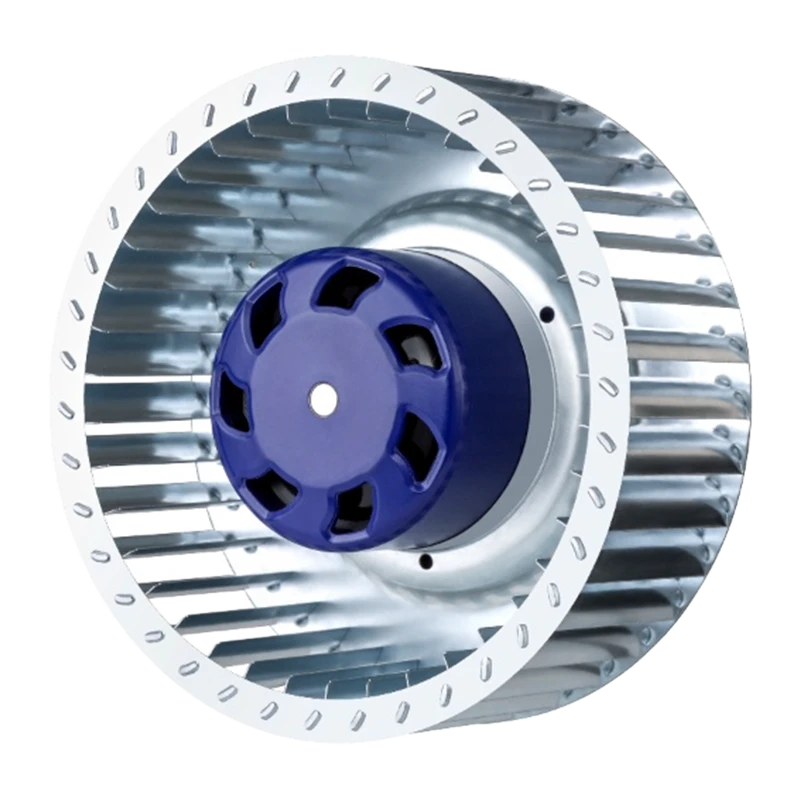
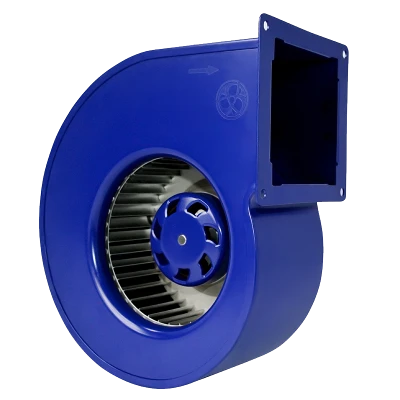
For example, forward-curved centrifugal impellers have many short, curved blades that spin quickly to generate high static pressure at lower speeds, making them a common pick for small commercial HVAC systems or air handling units. I always keep a reference to our [Blauberg BL-F140C-EC-00 140mm EC Forward Curved Centrifugal Fan] in my notes for these uses-it's a compact, energy-efficient option perfect for tight spaces where you need steady pressure without a huge footprint. That said, forward-curved fans do have a downside: their power demand rises sharply as system resistance increases, which can lead to higher operating costs over time.
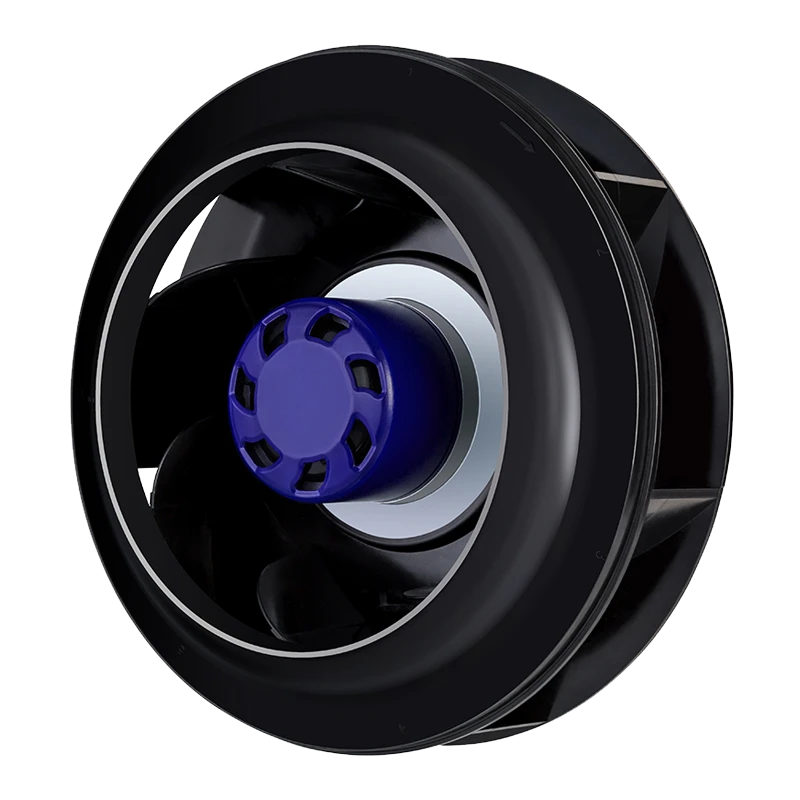
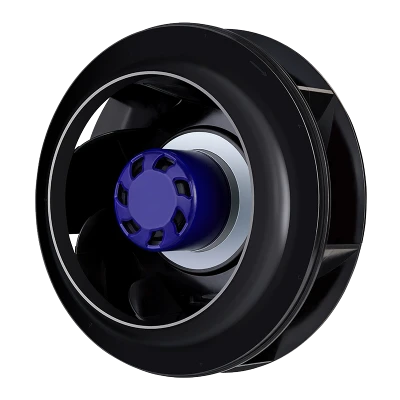
Backward-curved impellers, though, are my go-to for applications where efficiency is non-negotiable. These blades curve opposite to the direction of rotation, so air moves smoothly along their surface, reducing turbulence and waste. They generate less static pressure at a given speed than forward-curved blades, but they're far more efficient, especially at higher system resistances like long duct runs or multiple filters. Our [355mm EC Backward Curve Centrifugal Fan Ec Fan Manufacturers 115v for Ventilation] is a perfect example of this-we use it in large office buildings and warehouse ventilation systems, where it delivers consistent pressure even through 50+ feet of ductwork and multiple air filters. It's also EC-powered, which means it uses a variable-speed motor that adjusts performance in real time, cutting energy use when pressure demand is lower, like at night in a building with minimal occupancy.
Even smaller applications, like industrial cooling for electronic enclosures or small HVAC zones, rely on centrifugal fan pressure too. Our [225mm DC Backward Industrial Cooling Fans Centrifugal Motor Fan] is designed for these tight, high-heat spaces. Its backward-curved impeller and DC motor deliver enough static pressure to push air through dense heat sinks or small ventilation grilles, without wasting energy on unnecessary power. DC-powered models are great for these uses because they're highly responsive to load changes-if the heat load drops, the fan slows down, saving electricity while maintaining the exact pressure needed to keep components cool.
Which centrifugal fan models should you review?

Blauberg BE-B400H-EC-05 400mm DC Backward Centrifugal Fan
View product details and specifications.
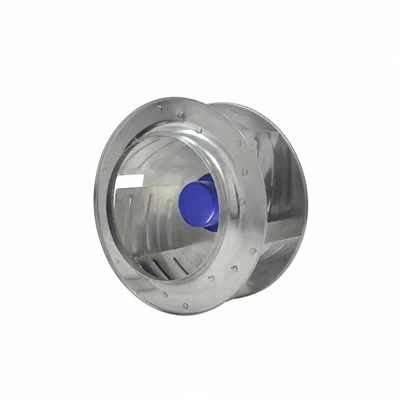
Blauberg BE-B400D-EC-05 400mm DC Backward Centrifugal Fan
View product details and specifications.
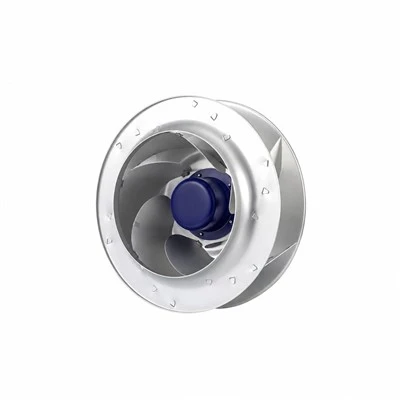
Blauberg BE-B355C-EC-05 355mm DC Backward Centrifugal Fan
View product details and specifications.
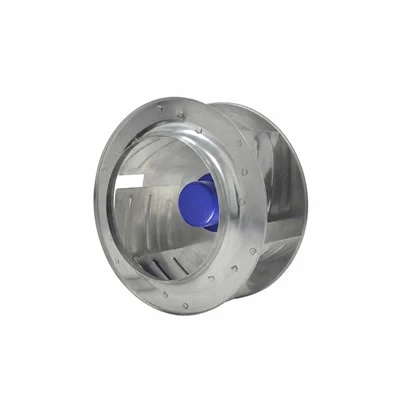
Blauberg BN-B310C-EC-01 310mm DC Backward Centrifugal Fan
View product details and specifications.
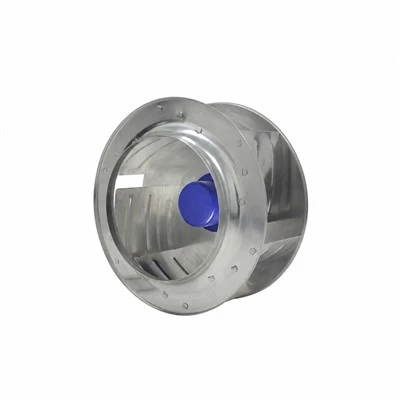
Blauberg BE-B310D-EC-N07 310mm DC Backward Centrifugal Fan
View product details and specifications.
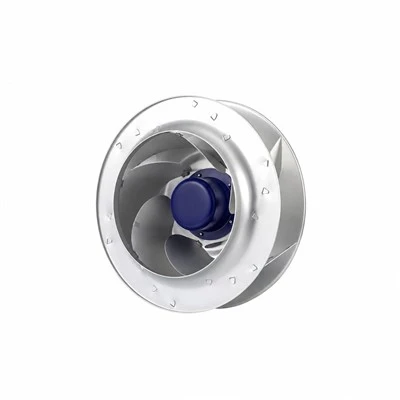
Blauberg BE-B310D-EC-05 310mm DC Backward Centrifugal Fan
View product details and specifications.
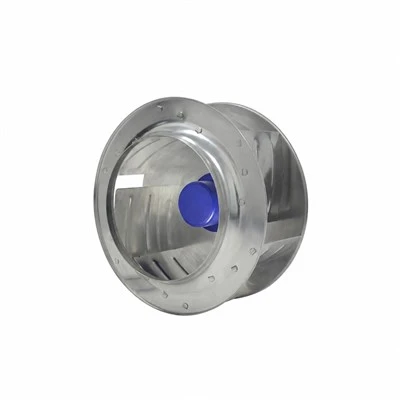
Blauberg BE-B310C-EC-01 310mm DC Backward Centrifugal Fan
View product details and specifications.
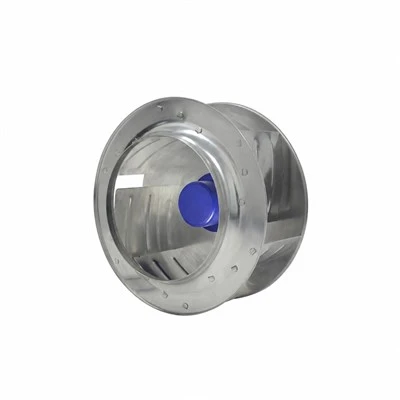
Blauberg BD-B310D-EC-N07 310mm DC Backward Centrifugal Fan
View product details and specifications.
It's important to note that pressure isn't a static number for a single fan-it shifts depending on how much air the fan is moving, called airflow (measured in CFM, or cubic feet per minute). This relationship is called the fan curve, and every centrifugal fan has a unique one that plots airflow on the x-axis and pressure on the y-axis. At zero airflow (when the system's dampers are closed), a fan will generate what's called shutoff pressure-the maximum pressure it can produce, even when no air is moving. As you open dampers and increase airflow, the static pressure will drop steadily, following that fan curve. The sweet spot for most systems is where the fan operates at its most efficient point on that curve, balancing airflow and pressure to avoid wasting energy.
This is where a lot of system designers go wrong: they oversize a fan to get high pressure at low airflow, which leads to excess energy use and even noise issues. I always advise customers to calculate their system's total external static pressure (TESP) first, not just pick a fan with a high pressure rating. TESP is the sum of all the pressure drops in your system: filters, coils, grilles, duct bends, and any other components air has to pass through. Once you have that number, you can match it to a fan that delivers exactly the pressure needed, plus a small safety margin for any unexpected resistance, like a dirty filter down the line.
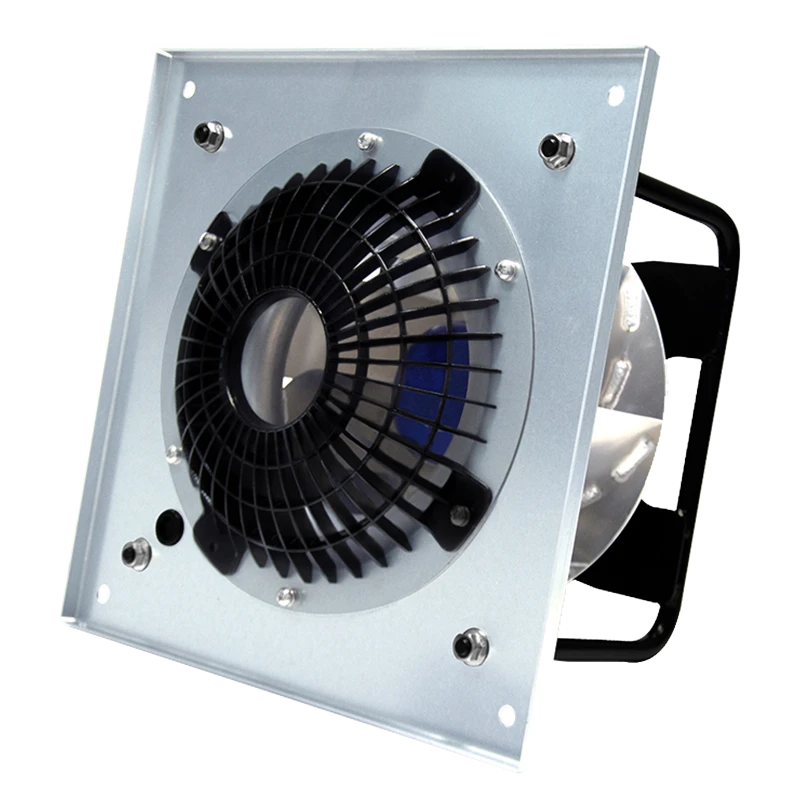
Take our [133mm Motor 0-10v EC Backward Impeller Waterproof Cooling Centrifugal Fan for Air Conditioner], for example. It's built for residential and light commercial AC units, where system resistance is often lower than in industrial applications. Its fan curve is calibrated to deliver exactly the pressure needed to push air through an AC's evaporator coil and ductwork, while the 0-10v control lets you adjust pressure in real time as the AC cycles. This prevents the fan from working harder than it needs to, lowering energy bills and extending the fan's lifespan.
Now, let's talk about real-world pressures to put this in perspective. Residential HVAC centrifugal fans typically generate between 0.5 and 2.0 inches of static pressure (a common unit for pressure in these systems, sometimes referred to as inches of water column, or in. WG). Larger commercial and industrial centrifugal fans can generate anywhere from 2 to 8 inches of static pressure, and in specialty applications like high-pressure drying systems or industrial ventilation, they can reach even higher, up to 15 in. WG or more. That's a big range, and it's why matching the right fan to your specific pressure needs is critical.
Common myths about centrifugal fan pressure still surprise me. One I hear all the time is that "bigger fan means more pressure." Not true-size matters, but impeller type, motor efficiency, and design are far more important. A small backward-curved fan with an EC motor can deliver the exact pressure needed for a small AC unit, just as effectively as a much larger forward-curved fan. Another myth is that higher pressure is always better. Excess pressure is just wasted energy-if your system only needs 1.5 in. WG, a fan that can generate 3 in. WG will use twice as much power as needed, adding to your operational costs without any benefit to airflow.
As a centrifugal fan supplier, I've spent years helping customers navigate these details, because getting pressure right is the difference between a system that works reliably and one that causes headaches. Whether you're designing a new HVAC system for a 10-story office building, upgrading drying equipment for a manufacturing line, or replacing a worn cooling fan in an industrial enclosure, the pressure generated by your centrifugal fan is the foundation of its performance.
If you're not sure exactly how much pressure your application needs, or you want to explore our range of EC, DC, backward and forward curved centrifugal fans to find the right match for your system, our team is ready to help. We've worked with small businesses and large industrial operators alike, providing custom fan solutions that balance pressure, efficiency, and reliability.
References
- ASHRAE Handbook - HVAC Systems and Equipment (2021)
- Fan Engineering: Handbook of Air, Gas, and Mechanical Fans (8th Edition)
- AMCA Standard 210-15: Laboratory Methods of Testing Fans for Certified Aerodynamic Performance Rating
Category of Blauberg Products
Built on German engineering principles, focusing on precision, reliability, and long-term performance. Through efficient and scalable manufacturing, we deliver high-quality ventilation solutions with optimized cost structure, ensuring strong value for global OEM and project-based customers.