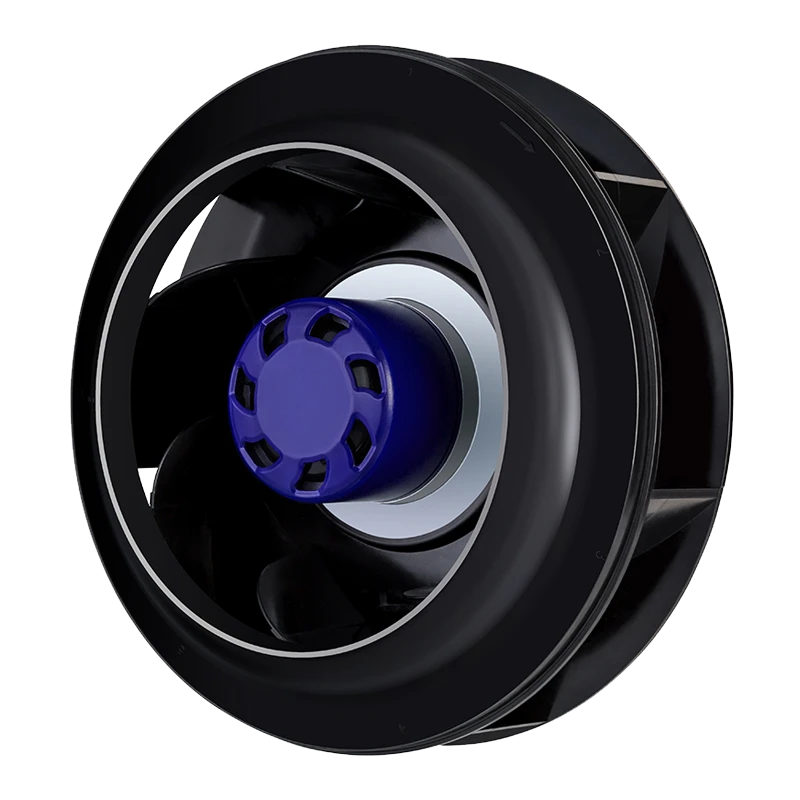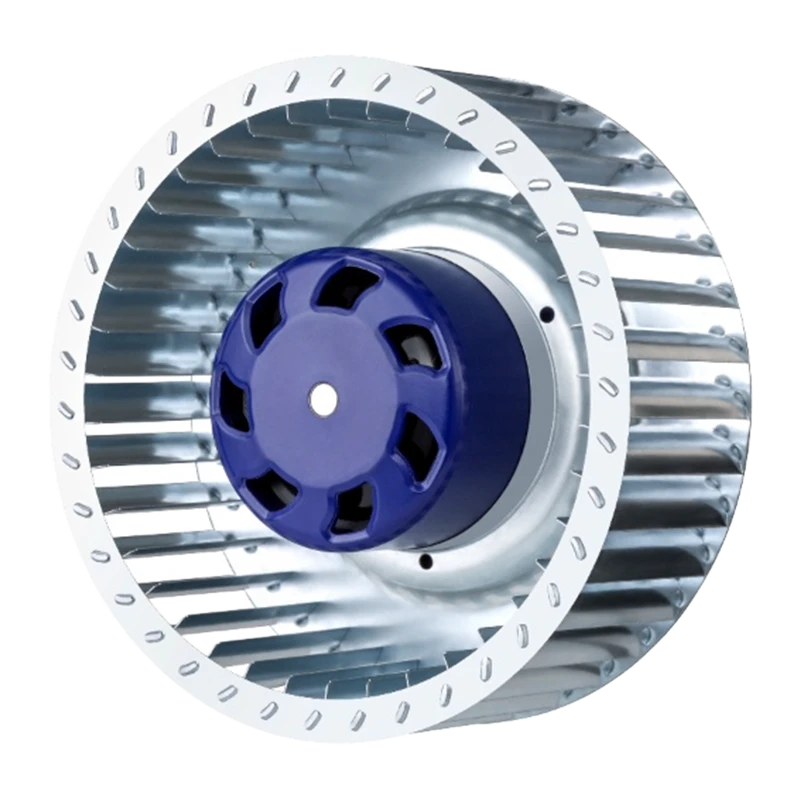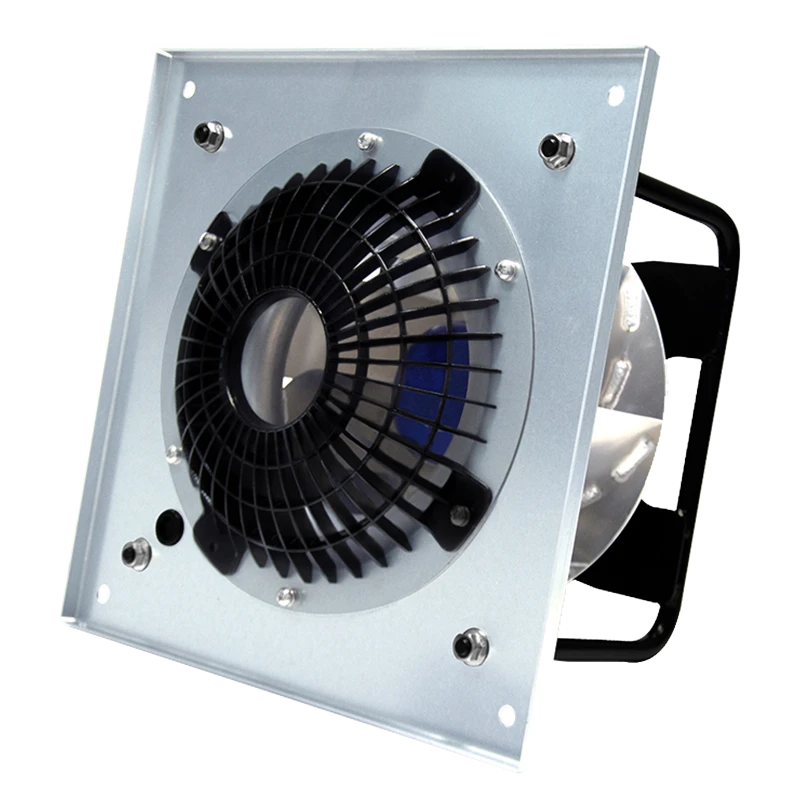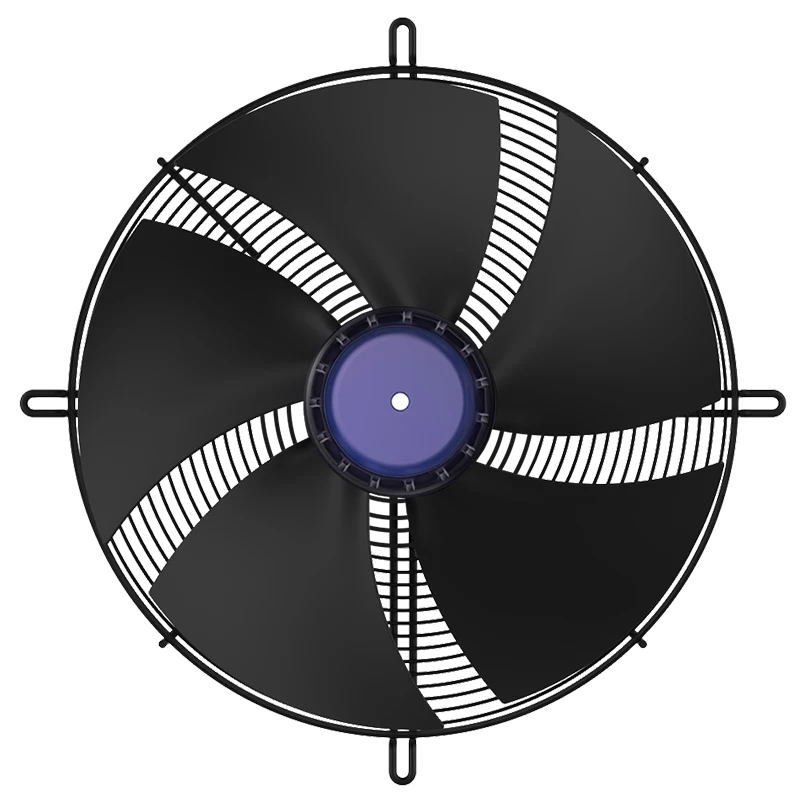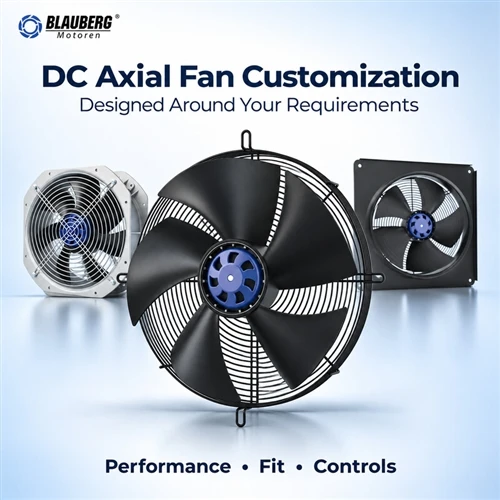
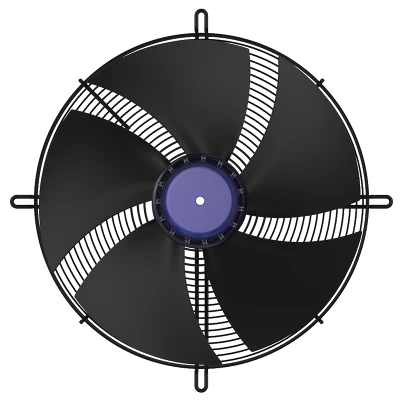

If you've ever sourced ventilation, cooling, or exhaust solutions for industrial, commercial, or specialized applications, you've probably encountered DC axial fans. These fans, which move air parallel to the axis of their blades, are prized for their energy efficiency, precise speed control, and compact design compared to traditional AC axial models. But a question I get constantly from new clients-and even repeat partners-is: Can DC axial fans be customized? The short answer is yes, but the depth of customization depends on your specific needs, and as a supplier with years of experience engineering and modifying these fans, I've seen firsthand how tailored fans can solve problems off-the-shelf models can't touch.
Let's start with the basics. Standard DC axial fans are built for general-purpose use: cooling server racks, basic exhaust in small commercial spaces, or low-volume air movement. They come in fixed sizes, power ratings, and speed ranges designed to work for most common jobs. But what if your application is more niche? Say you need a fan for an underground parking garage in a region with extreme cold, or for a pharmaceutical cleanroom where even small levels of vibration are a risk, or for a rooftop FFU (Fan Filter Unit) that needs to comply with strict local energy codes. That's where customization comes in.
As someone who works directly with clients to specify fan solutions, I break customization into three main categories: performance modifications, physical design adjustments, and environmental adaptation. Each category addresses a unique pain point, and the best part is, we can mix and match these to create a fan that fits your exact requirements, no compromises needed.

First, performance customization. This is the most common type of request, because off-the-shelf fans are often one-size-fits-all. For example, a manufacturing client recently came to us struggling with overheating in a line of industrial ovens. The standard 200mm DC axial fan they'd been using was rated for 24V, ran at 3,000 RPM, and moved 450 CFM-but in the oven's high-temperature environment, that RPM dropped 15%, reducing airflow to the point of uneven cooking. Instead of forcing them to rework their entire oven design, we modified the fan's motor to run on a higher voltage (36V) and adjusted the blade pitch from 15 degrees to 18, boosting airflow to 580 CFM while keeping energy use almost the same as the original. That's the kind of performance tweak that changes a good fan into a perfect one.
We also do precision control customization. Many modern applications, from Building Management Systems (BMS) to HVAC for data centers, need fans that sync with sensors. Standard fans have fixed speed ranges, but we can add variable speed drives (VSD) with programmable logic controllers (PLC) or Modbus compatibility, so the fan adjusts its speed automatically based on temperature, CO2 levels, or power load. For a data center client working on a FanGrid project, for instance, we customized a 300mm DC axial fan to sync with their server load monitoring system. The modified fan could ramp up speed when servers hit 70% utilization and slow to idle when demand was low, cutting their cooling energy use by 28% annually.
Beyond performance, physical design customization lets the fan fit into your existing setup without costly retrofits. Let's say you need a fan for a narrow duct in a commercial kitchen exhaust system, and the standard 250mm fan is too wide. We can modify the fan's housing diameter by up to 10mm, reshape the inlet or outlet to fit your duct connections, or even adjust the blade size to maintain airflow without expanding the unit. Another common request is noise reduction. Industrial fans can be loud-often over 65 decibels, which is above OSHA's 8-hour exposure limit for noise. We can modify the fan's blade profile (called airfoil tuning) to reduce turbulence, add acoustic liners to the housing, or even shift the balance of the blades to cut down on vibration, bringing noise levels down by 10-15 dB without losing airflow.
Environmental adaptation is another big area of customization, especially for harsh or regulated environments. If your fan is going to be used outdoors, in a dusty mine, or in a food processing plant where it will be exposed to moisture or corrosive fumes, standard fans might not hold up. We can upgrade the IP rating-IP55 is a common middle ground, offering protection against dust and low-pressure water jets-or use corrosion-resistant coatings for the housing and blades. For cold environments, we can add heated motor windings to prevent the fan from seizing up in temperatures below -20°C, which is a must for underground ventilation in northern regions. For cleanrooms, we can eliminate any outgassing from the fan's materials and add ESD (Electrostatic Discharge) protection to prevent contamination of sensitive products.
Which EC axial fan models should you review?
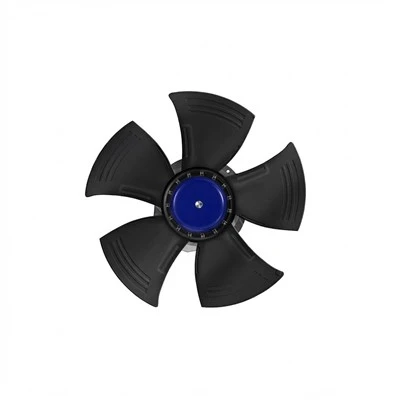
Blauberg BL-A500C-EC-05 500mm EC Axial Fan
View product details and specifications.
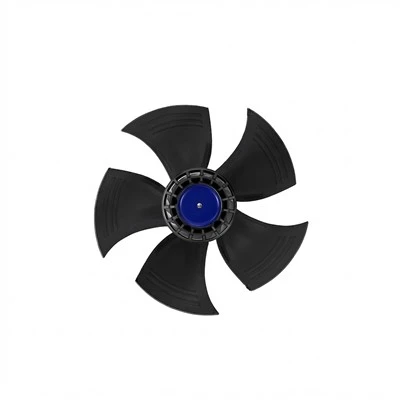
Blauberg BL-A450C-EC-05 450mm EC Axial Fan
View product details and specifications.
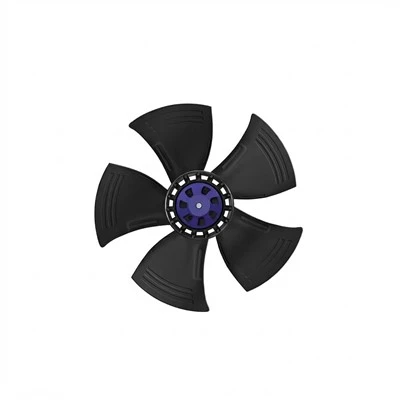
Blauberg BL-A400C-EC-07 400mm EC Axial Fan
View product details and specifications.
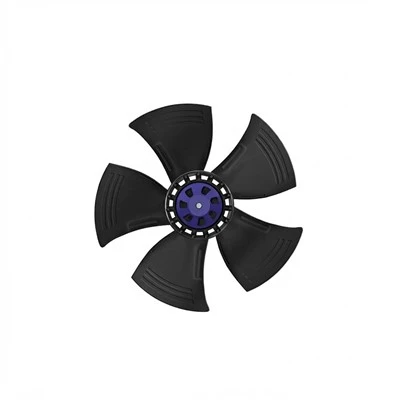
Blauberg BL-A400C-EC-05 400mm EC Axial Fan
View product details and specifications.
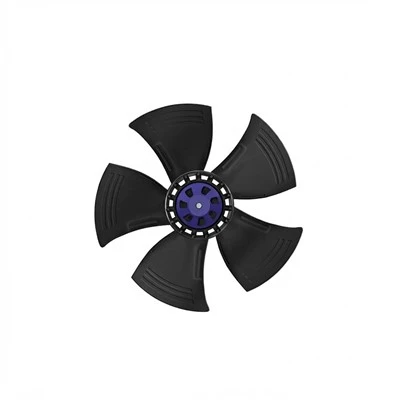
Blauberg BC-A400C-EC-07 400mm EC Axial Fan
View product details and specifications.
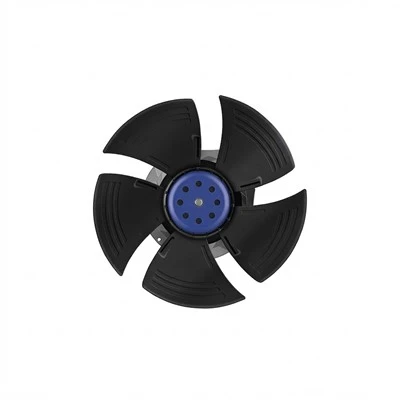
Blauberg BL-A350C-EC-F05 350mm EC Axial Fan
View product details and specifications.
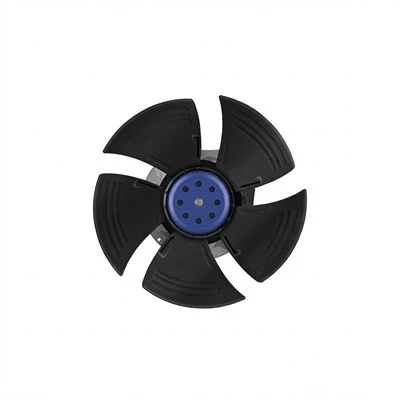
Blauberg BL-A350C-EC-07 350mm EC Axial Fan
View product details and specifications.
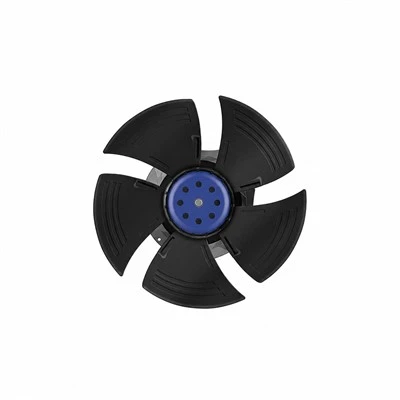
Blauberg BL-A350C-EC-05 350mm EC Axial Fan
View product details and specifications.
Now, let's talk about the real-world examples of these customizations in action, because numbers and theories mean nothing without actual use cases. A few months ago, a client in the pharmaceutical industry reached out needing a fan for a FFU system in a cleanroom that required 99.99% air filtration and minimal vibration. The standard 200mm DC axial fan they were using (the Blauberg BD-A200C-EC-N02 200mm DC Axial Fan, one of our core models) was close, but its vibration level was just over the cleanroom's limit of 0.1 mm/s. Instead of having to switch to a larger, noisier fan, we customized the blade balance and added a rubber vibration isolator mount to the housing, bringing vibration down to 0.07 mm/s while maintaining the 500 CFM airflow required for the FFU. That's the kind of tweak that can save a client thousands in facility redesign costs.
Another example: a restaurant chain needed custom exhaust fans for 12 new locations in hot, humid climates. The standard 250mm DC cooling industrial axial smoke exhaust fan for FFU wasn't rated for the high humidity and grease exposure in commercial kitchens. We modified the housing with a non-stick, food-grade epoxy coating to prevent grease buildup, upgraded the motor to a sealed design to resist moisture, and adjusted the blade pitch to handle the heavy, hot air from fryers and ovens. The result was a fan that lasted 30% longer than standard models and didn't require the monthly deep cleaning the previous fans needed, cutting the chain's maintenance time by 10 hours per location annually.
For underground ventilation, a mining company we work with needed 250mm DC axial fans that could handle the dust and occasional water exposure in tunnel systems. The standard 250mm DC Axial Fan Underground Ventilation System for Kitchen Exhaust was adapted to include IP65 protection (a step up from IP55) and a self-cleaning blade coating to prevent coal dust from building up and reducing airflow. The customized fans have now been running 24/7 in tunnels in western Canada for 18 months with no performance issues.

We even did a custom project for a rooftop HVAC system that needed a 300mm 310V IP55 exhaust duct axial DC centrifugal fan for cooling and a FanGrid project. The client had a limited rooftop footprint, so they needed the fan to be 5% shorter than standard models to fit next to existing ductwork. We modified the housing's depth, adjusted the motor's mounting to a compact configuration, and kept the same airflow rate as the standard model, so they didn't have to expand their rooftop equipment pad.
Now, I know what you're thinking: if customization is this great, why don't all suppliers offer it? The truth is, custom DC axial fans require engineering expertise, access to premium motor and blade materials, and the ability to work with clients from design to testing. Not every supplier has a team of in-house engineers to modify specs, or testing equipment to validate that the custom fan performs as promised. At our company, we have a 15-person engineering team that works directly with each client to map out their needs, from the initial consultation to prototype testing, so there's no guesswork along the way.
That said, there are a few important considerations when ordering a custom DC axial fan, to make sure the process goes smoothly. First, have clear specs on what you need. Don't just say "more airflow"-give us numbers: minimum CFM, maximum operating temperature, noise limit, voltage, and any environmental requirements. The more specific you are, the faster we can design a solution. Second, lead times for custom fans are usually 2-4 weeks, compared to 1-2 weeks for standard models, because we have to manufacture unique parts or modify existing ones. If you need a fan urgently, we can often work with you to prioritize the most critical modifications, but it's always good to plan ahead. Third, customization doesn't have to mean a huge order. We work with small businesses that need 10 custom fans as well as large corporations that need 10,000, so there's no minimum order requirement for custom work.
At the end of the day, the biggest advantage of custom DC axial fans is that they let you design your entire system around your needs, not around what's available off the shelf. Whether you're looking to cut energy costs, reduce maintenance, fit a tight space, or meet a strict regulatory requirement, a customized DC axial fan can deliver exactly what you need, without compromise. If you're currently dealing with a fan that's not performing for your application, or you have a new project that needs a specialized solution, I'd be happy to walk through your options.
If you're ready to discuss your custom DC axial fan needs, connect with our team to start the design and quotation process. We'll work with you to turn your requirements into a fan that fits your application perfectly.
References
- Blauberg Group. (n.d.). BD-A200C-EC-N02 200mm DC Axial Fan. Retrieved from /axial-flow-fans/dc-axial-fans/bd-a200c-ec-n02-200mm-dc-axial-fan.html
- Blauberg Group. (n.d.). 200mm DC Cooling Industrial Axial Smoke Exhaust Fan for FFU. Retrieved from /axial-flow-fans/dc-axial-fans/200mm-dc-cooling-industrial-axial-smoke.html
- Blauberg Group. (n.d.). BE-A250C-EC-02 250mm DC Axial Fan. Retrieved from /axial-flow-fans/dc-axial-fans/be-a250c-ec-02-250mm-dc-axial-fan.html
- Blauberg Group. (n.d.). 250mm DC Axial Fan Underground Ventilation System for Kitchen Exhaust. Retrieved from /axial-flow-fans/dc-axial-fans/250mm-dc-axial-fan-underground-ventilation.html
- Blauberg Group. (n.d.). 300mm 310V IP55 Exhaust Duct Axial DC Centrifugal Fan for Cooling and FanGrid Project. Retrieved from /axial-flow-fans/dc-axial-fans/300mm-310v-ip55-exhaust-duct-axial-dc.html
Category of Blauberg Products
Built on German engineering principles, focusing on precision, reliability, and long-term performance. Through efficient and scalable manufacturing, we deliver high-quality ventilation solutions with optimized cost structure, ensuring strong value for global OEM and project-based customers.