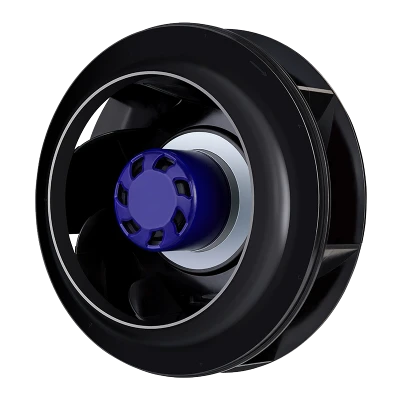
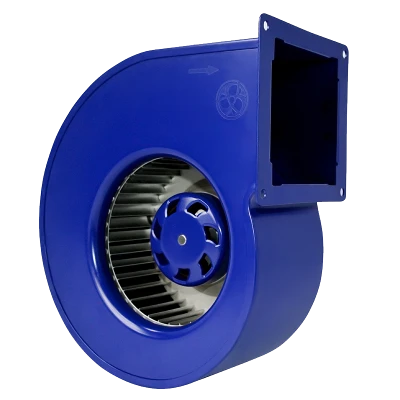
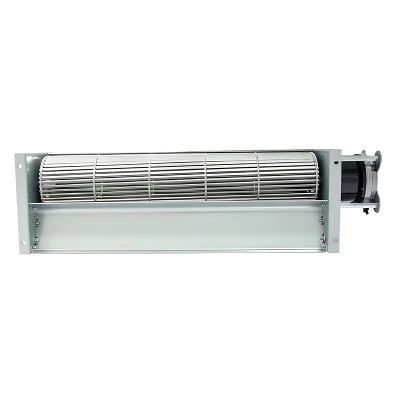
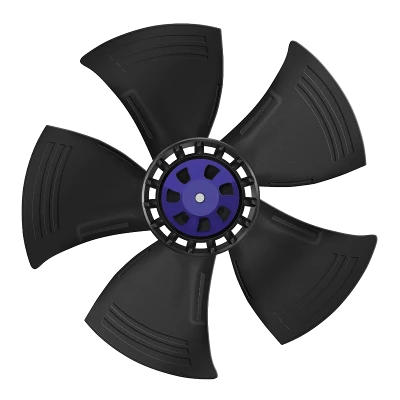
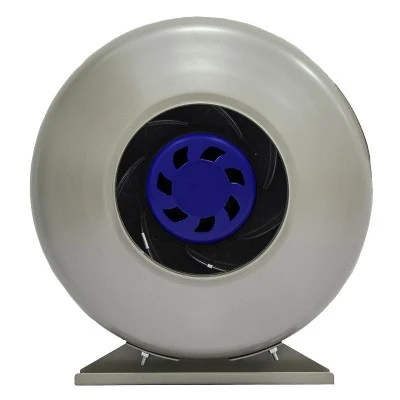
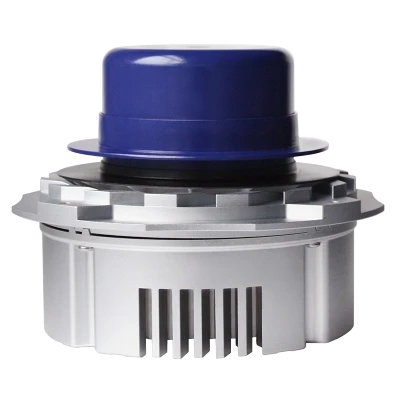
Forward centrifugal fans are important for systems needing steady airflow. They have forward-curved blades that move a lot of air slowly. This makes them great for quiet places. You can see them in HVAC systems, factories, and medical tools. These fans give good airflow while staying quiet, making them useful in many ways. But they work best in low-pressure areas. Their efficiency drops when the pressure gets too high. This is why they are good for places needing steady air, not high pressure.
What Are Forward Centrifugal Fans?
Definition and Basic Functionality
A forward curved centrifugal fan is a fan type that moves a lot of air at low pressure. Its blades curve in the same direction as the wheel spins. This helps it push large amounts of air easily. These fans are used in systems like ventilation, heating, and air conditioning. They are perfect for places needing steady airflow, such as HVAC systems and appliances.
Forward centrifugal fans are easy to set up and provide steady airflow. They are also quiet, making them great for places needing low noise. However, they work best in low-pressure areas. They are less efficient when used in high-pressure spaces.
Key Components and Design
Forward centrifugal fans have important parts that help them work well. These include:
- Impeller: A spinning wheel with curved blades that moves air.
- Housing: A cover that guides airflow and protects the fan parts.
- Motor: The part that powers the impeller to spin.
- Inlet and Outlet: Openings where air enters and leaves the fan.
The fan's design focuses on being efficient and quiet. The curved blades are small, so the fan fits in tight spots. This design also keeps noise low, making it good for homes, offices, and hospitals.
How Forward-Curved Blades Work
The curved blades are key to how the fan works. Their shape helps scoop and push air forward easily. This design makes the fan move a lot of air at low pressure.
Here's how the blades work:
- The blades spin, pushing air outward using centrifugal force.
- The curved shape helps move large amounts of air smoothly.
- The fan provides steady airflow, perfect for gentle air movement.
But these fans are not made for high-pressure areas. They lose efficiency when pressure rises. They are better for HVAC systems, cleanrooms, and cooling electronics.
| Characteristic | Description |
|---|---|
| Airflow Capacity | Moves a lot of air at low pressure. |
| Efficiency at High Pressures | Not very efficient in high-pressure areas. |
| Application Suitability | Best for places needing quiet and gentle airflow. |
Key Features of Forward Centrifugal Fans
Blade Design and Efficiency
The blades of forward centrifugal fans are small and curved. They are placed close together to move air easily. This design helps the fan push a lot of air with little effort. These fans are great for systems needing steady airflow, like HVAC or ventilation.
Forward centrifugal fans are smaller than backward curved fans. This makes them fit well in tight spaces. But they don't work as well in high-pressure areas. Use these fans when you need steady air, not high pressure.
Airflow and Pressure Characteristics
These fans are good at providing steady airflow at low pressure. The spinning blades use centrifugal force to push air outward. This makes them perfect for heating, cooling, and ventilation systems.
However, they are not made for high-pressure tasks. When pressure rises, they lose efficiency. If you need high-pressure airflow, a backward curved fan might be better.
Noise Levels and Energy Consumption
Forward centrifugal fans are very quiet. Their curved blades reduce air turbulence, keeping noise low. This makes them great for homes, offices, and hospitals where quiet is needed.
These fans use less energy in low-pressure systems. They are cost-effective when used in the right conditions. But in high-pressure areas, they use more energy and become less efficient.
Applications of Forward Centrifugal Fans
Forward centrifugal fans are used in many industries. They provide steady airflow at low pressures. Let's look at where they are commonly used.
HVAC Systems
Forward centrifugal fans are key in heating and cooling systems. They help move air to control temperature and improve air quality. These fans work well in homes, offices, and large buildings. They move a lot of air without needing high pressure.
As cities grow, energy-efficient buildings are more popular. This has increased the use of these fans in HVAC systems. Modern construction relies on them for better air circulation.
Fun fact: These fans are quiet, making them great for schools and hospitals.
Industrial Ventilation
Factories and workshops use these fans to keep air clean. They remove dust and other harmful particles from the air. These fans are best for places needing steady airflow, not high pressure.
Their small size helps them fit into tight spaces. This makes them useful in crowded industrial areas. But they are not ideal for tasks needing strong airflow.
Appliances and Equipment
You can find these fans in many household devices. They are used in vacuum cleaners, air purifiers, and kitchen exhausts. Their quiet operation makes them perfect for home use.
In medical tools like ventilators, they provide accurate airflow. These fans are reliable and work well in important equipment. They are essential where performance matters most.
Other Common Uses in Cars, Cleanrooms, and Electronics Cooling
Forward centrifugal fans are useful in many industries. They give steady airflow at low pressure, making them great for cars, cleanrooms, and cooling electronics.
In cars, these fans are part of climate control systems. They help keep the cabin comfortable by moving air around. They are also used in engine cooling to keep engines from overheating. Their small size lets them fit into tight car spaces, making them a smart choice for modern vehicles.
Cleanrooms depend on these fans to keep the air clean. The fans filter and move air to block dirt and germs. Their quiet and steady airflow is perfect for places like medicine factories and computer chip production.
These fans are also great for cooling electronics. They are found in computers, servers, and other devices. By keeping parts cool, they stop overheating and help devices work well. Their energy-saving design also lowers power use, which is important for devices that run all the time.
These fans work well in many settings. They are best for places needing steady air without high pressure. Whether in cars, cleanrooms, or electronics, forward centrifugal fans are reliable and efficient.
Tip: Pick a fan that matches the airflow and pressure needs of your project.
Comparison with Other Fan Types
Forward vs. Backward Curved Fans
Forward and backward curved fans have different designs and uses. Forward curved fans have blades curving with the spin direction. They move a lot of air at low pressure, perfect for HVAC systems. Backward curved fans have blades curving away from the spin. These are better for high-pressure tasks like industrial ventilation.
Forward curved fans are quieter because of their small blade design. Backward curved fans save more energy in high-pressure areas. If you need steady air in low pressure, choose forward curved fans. For high pressure and efficiency, backward curved fans work better.
Forward Fans vs. Axial Fans
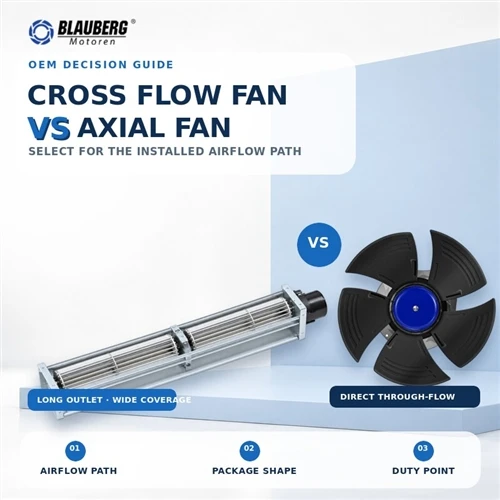
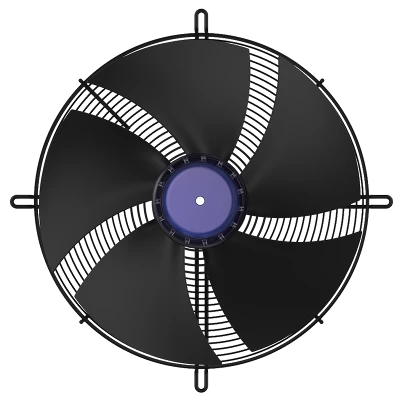
Forward curved and axial fans move air differently. Forward curved fans push air outward using centrifugal force. They are best for low-pressure systems. Axial fans move air straight through along the fan's axis. They handle more airflow at lower pressures.
Axial fans are used in cooling electronics or cars. They are small and light but can be louder than forward fans. For quiet and steady airflow, forward curved fans are better. Axial fans are good for moving lots of air quickly when noise isn't a problem.
Pros and Cons of Forward Centrifugal Fans
Forward curved fans have good points and some limits. Here's a summary:
| Pros/Cons | Description |
|---|---|
| Noise Levels | They are quiet, great for places needing low noise. |
| Pressure Performance | They lose efficiency in high-pressure areas. |
| Airflow Suitability | They move lots of air but struggle with high pressure. |
If you need quiet and steady airflow, pick forward curved fans. For high-pressure jobs, backward curved fans are a better choice.
How to Pick the Best Forward Centrifugal Fan
Checking Airflow and Pressure Needs
To pick the right fan, know your system's needs. Figure out how much air the fan must move. Also, check the pressure it will handle. Systems with filters or long ducts may need more power. Knowing these details helps the fan work well in its job.
Look at performance data to help decide. The table below shows how speed affects airflow and pressure:
| Rotational Speed (rpm) | Reynolds Number | Gurney Flap Impact on Head Coefficient |
|---|---|---|
| 1100 | Low | Big increase |
| 1500 | Medium | Big increase |
| 2000 | Medium | Small increase |
| 2500 | High | Small increase |
| 2900 | High | Almost no change |
This table shows how speed changes fan performance. Use it to match the fan to your system's needs.
Thinking About Energy Use
Energy use is important when choosing a fan. Fans that use less energy save money and help the planet. Look for fans made to save energy in low-pressure systems. These fans often have special motors and blades to use less power.
Think about how the fan will work in real life. For example, an HVAC fan should keep airflow steady without wasting energy. A good balance of efficiency and performance gives you the best value.
Checking Noise Levels
Noise matters, especially in homes, offices, or hospitals. Forward centrifugal fans are quiet, but some models are quieter than others. Fans with better blade and housing designs make less noise.
Decide how quiet the fan needs to be. A hospital fan should be quieter than one in a factory. Picking a low-noise fan makes spaces more comfortable and peaceful.
Tip: Balance noise, airflow, and energy use to find the best fan for your needs.
Matching the Fan to the Application
Picking the right forward centrifugal fan depends on its use. Each job needs specific features for the fan to work well. First, figure out where you'll use the fan. Is it for an HVAC system, factory machine, or home device? Knowing this helps you focus on what's important.
Next, check how much air and pressure your system needs. These fans are great for steady airflow at low pressure. If your system has long ducts or filters, you might need a stronger fan. Look at the fan's details to make sure it fits your needs.
Energy use is also important. Fans for low-pressure systems often use less power. This saves money and helps the environment. Choose fans with energy-saving motors or special blade designs. These features lower energy use but keep the fan working well.
Noise is another thing to think about. For quiet places like hospitals or offices, pick a fan that's not loud. Fans with good housings and blades make less noise by reducing air turbulence.
Lastly, think about the size and space for the fan. Forward centrifugal fans are small and fit in tight spots. Make sure the fan fits well without hurting airflow or performance.
By looking at these factors, you can find the best fan for your needs. This gives you good performance, saves energy, and keeps spaces comfortable.
Forward centrifugal fans are important for systems needing steady air at low pressure. Their curved blades, small size, and quiet work make them great for HVAC systems, appliances, and cleanrooms. These fans move a lot of air quietly, as shown below:
| Feature | Description |
|---|---|
| Airflow Capacity | Moves lots of air at low speeds, saving energy. |
| Noise Level | Very quiet, perfect for peaceful places. |
| Pressure Efficiency | Works less well in high-pressure systems. |
| Application Areas | Used in HVAC, air units, and small industrial systems. |
To pick the right fan, think about these points:
- How much air and pressure your system needs
- How quiet and efficient the fan should be
- The space you have and how it will be used
- Your budget for the fan
Tip: Forward curved fans are best for steady, gentle airflow without high pressure. Knowing your system's needs helps you pick the best and most affordable fan.
By learning about these features and tips, you can choose the right forward centrifugal fan for your needs.
FAQ
What makes forward centrifugal fans unique compared to other fans?
Forward centrifugal fans have blades that curve forward. These blades move air gently at low pressure. They are smaller and quieter than many other fans. This makes them perfect for HVAC systems, appliances, and cleanrooms.
Can forward centrifugal fans work in high-pressure areas?
No, these fans are best for low-pressure spaces. They lose power and efficiency in high-pressure systems. For high-pressure jobs, backward curved fans are a better choice.
How should you take care of a forward centrifugal fan?
Keep the fan clean by removing dust from the blades and cover. Check the motor and spinning parts for damage. Replace broken parts quickly. Good care helps the fan last longer and work better.
Are forward centrifugal fans good for saving energy?
Yes, they save energy in low-pressure systems. Their design helps them use less power while keeping airflow steady. But in high-pressure areas, they need more energy and are less efficient.
Where can forward centrifugal fans be used?
These fans are used in HVAC systems, factories, and home devices. They are also found in cleanrooms, cars, and electronics cooling. Their small size and quiet work make them useful in many places.
Tip: Choose a fan that fits your system's airflow and pressure needs for the best results.