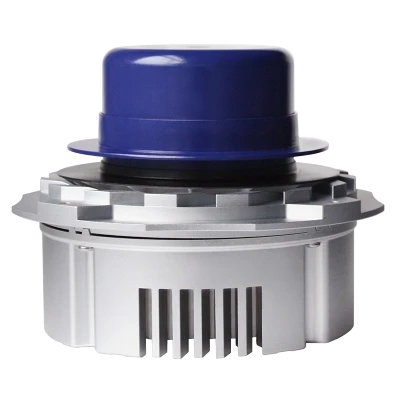
In the world of modern ventilation and cooling systems, efficiency, smart control, and sustainability are more important than ever. One term you may frequently encounter in fan specifications or product descriptions is "EC". But what exactly does EC mean on a fan?
In this article, we'll explore the definition of EC, how it compares to traditional AC fans, the key benefits of EC fan technology, and why it's increasingly becoming the preferred choice across industries including HVAC, data centers, air purification, refrigeration, and more.
What Does EC Stand for on a Fan?
EC stands for Electronically Commutated.
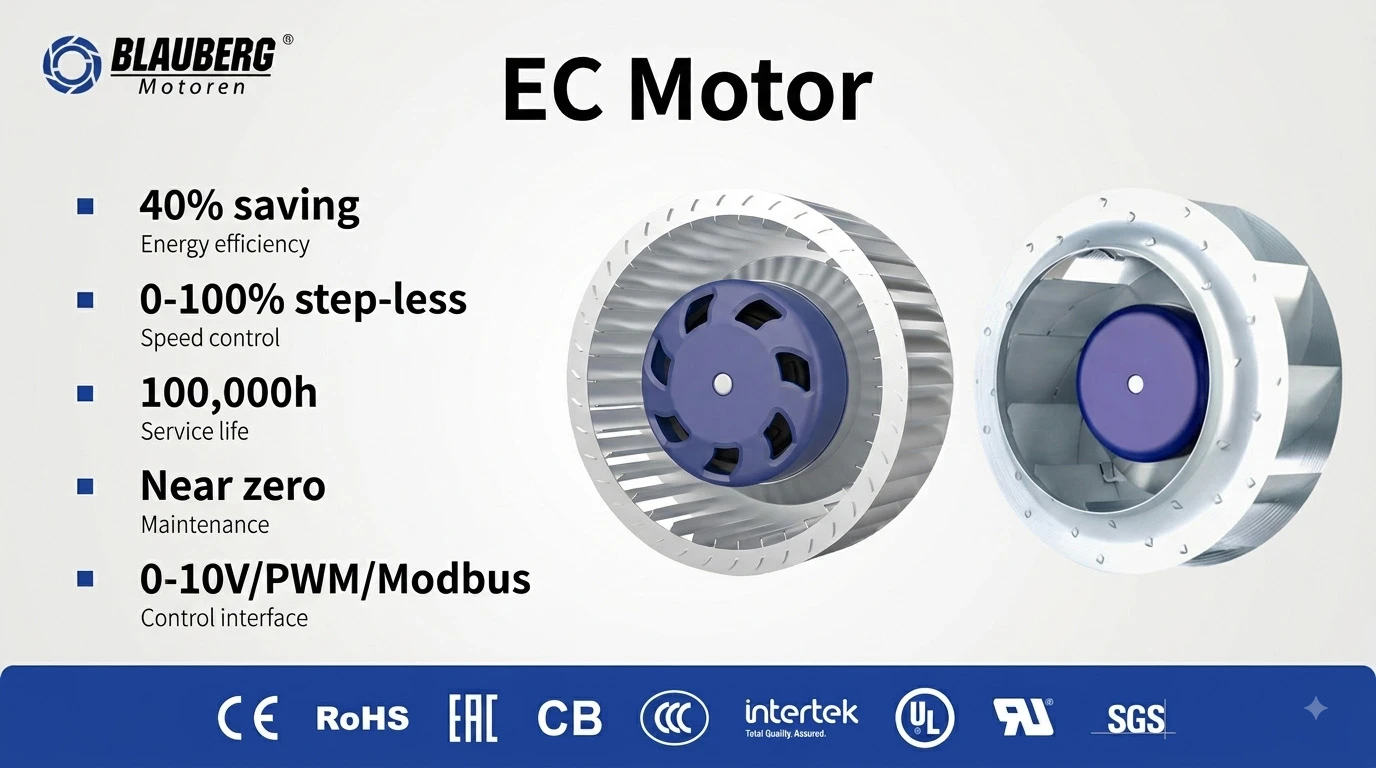
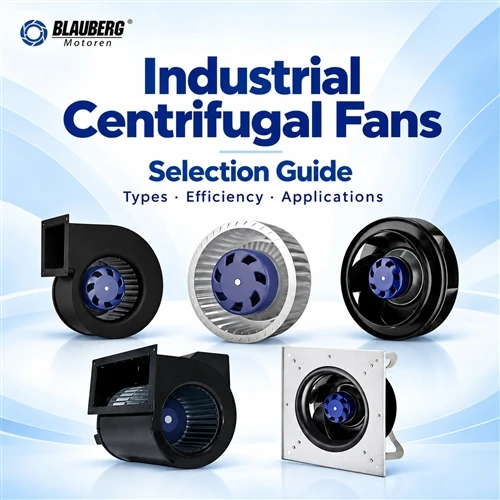
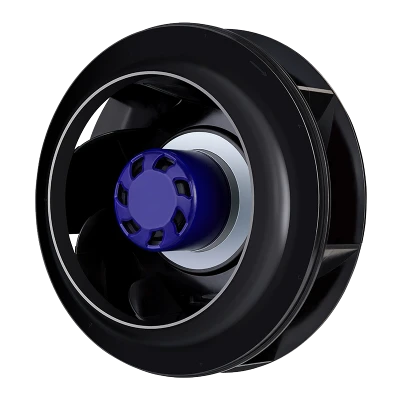
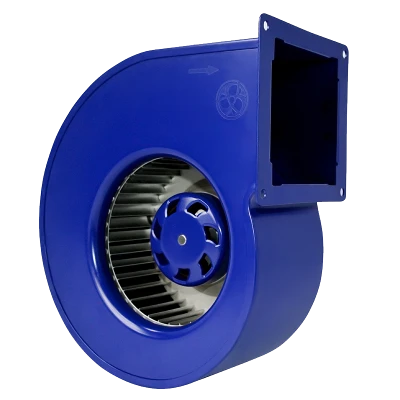
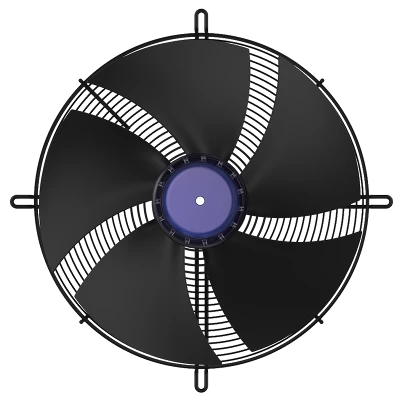
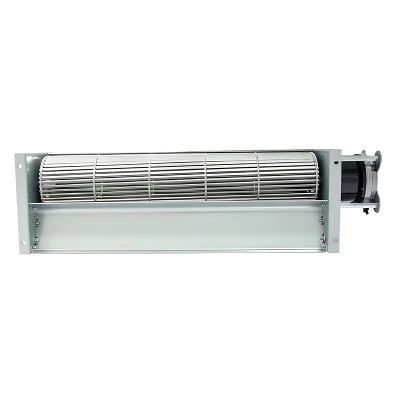
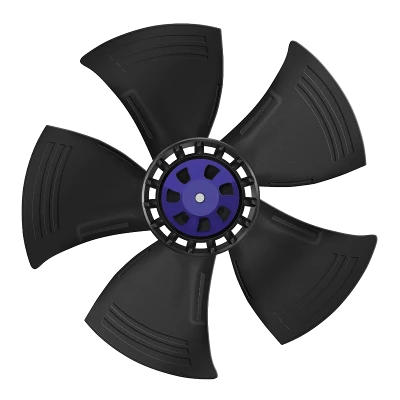
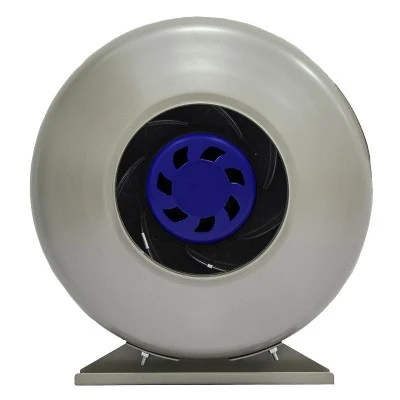
An EC fan(ec backward centrifugal fans, ec forward centrifugal fans) is a type of fan that uses a brushless DC motor controlled by onboard electronic circuitry. This circuit (also called an EC controller) manages motor commutation, speed control, and often includes features like temperature feedback, variable airflow, and integration with building management systems (BMS).
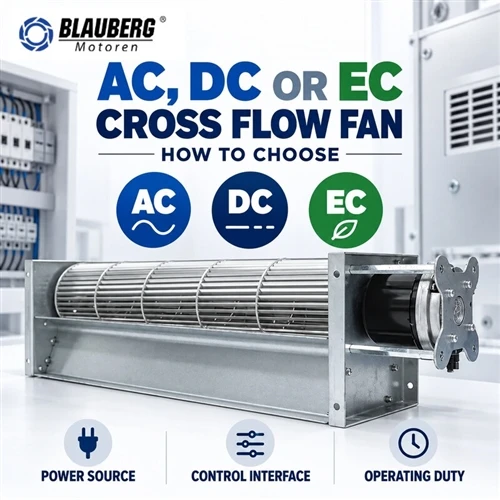
Unlike traditional AC fans that operate at constant speeds and rely on external devices like variable frequency drives (VFDs) for modulation, EC fans offer integrated intelligence and energy optimization in one compact unit.
How Does an EC Fan Work?
An EC fan combines the advantages of AC and DC power.
Power is typically supplied via AC mains (e.g., 115V or 230V).
The onboard electronics convert AC to DC, and then electronically control the magnetic switching (commutation) of the motor.
This allows the fan to adjust speed dynamically, depending on environmental conditions, system demand, or user settings.
EC fans operate more quietly, use less energy, and allow smooth speed control with high precision.
EC Fans vs AC Fans: What's the Difference?
| Feature | EC Fan | AC Fan |
|---|---|---|
| Motor Type | Brushless DC | Induction or shaded pole |
| Speed Control | Integrated (0–10V, PWM, Modbus, etc.) | Requires VFD or external controller |
| Energy Efficiency | Very high (up to 90%) | Lower, especially at partial load |
| Noise Level | Quiet, smooth operation | Noisy at full speed |
| Maintenance | Virtually maintenance-free | Regular maintenance required |
| Smart Control | Yes | Limited or none |
| Size & Integration | Compact and plug-and-play | Larger footprint due to external controls |
Benefits of EC Fans
Energy Efficiency
One of the biggest reasons to choose EC fans is their outstanding energy savings. Traditional AC motors are inefficient at partial loads, often wasting power when full airflow isn't needed.
EC fans adjust airflow to demand, offering up to 50% energy savings in HVAC and ventilation applications.
Precise Speed Control
EC motors support real-time variable speed control.
This makes them ideal for applications where airflow must be adjusted dynamically, such as:
- Temperature-controlled ventilation
- Pressure-sensitive environments
- Sensor-driven clean air systems
You can control EC fans using:
- 0–10V analog signal
- PWM signal
- Modbus RTU/RS485
- Temperature sensors
Low Noise Operation
Thanks to smoother and more consistent commutation, EC fans produce much less noise than conventional fans, even at higher speeds.
This makes them perfect for noise-sensitive environments like:
- Office buildings
- Hospitals
- Hotels
- Laboratories
Compact Design
Because EC fans integrate the motor and controller into one unit, they take up less space.
This makes installation simpler and ideal for:
- Fan coil units
- Server racks
- Medical devices
- Enclosed air conditioning units
Longer Lifespan
EC fans are brushless, meaning there are fewer moving parts to wear out.
This leads to:
- Lower maintenance
- Greater reliability
- Reduced downtime
- Longer operational life
Common Applications of EC Fans
Thanks to their smart features and high performance, EC fans are increasingly used in:
Air Conditioning Systems – for variable airflow in fan coils and AHUs
Air Purifiers and Cleanrooms – to precisely control air changes and particle filtration
Data Centers – for energy-efficient and targeted cooling
Refrigeration & Cold Storage – for optimized airflow in evaporators and condensers
Medical and Laboratory Equipment – for accurate and quiet ventilation
Commercial Ventilation Systems – from shopping malls to server closets
At Blauberg Motoren, we offer a full range of EC backward curved centrifugal fans and EC axial fans from 190mm to 400mm, including UL, CE, ROHS, ISO-certified models used in air conditioning, ventilation, and air purification.
Example: How EC Fans Improve Air Conditioning Systems
Let's consider a common HVAC application: a 250mm EC axial fan used in a commercial rooftop AC unit.
Compared to an AC fan:
- It consumes 40% less power
- It can respond to real-time temperature feedback
- It operates more quietly at night (e.g., in eco mode)
- It requires no external speed controller
As a result, building owners save on electricity bills, enjoy quieter indoor environments, and benefit from lower long-term maintenance costs.
Why Choose Blauberg Motoren EC Fans?
R&D-Driven Engineering: Our EC fan products are backed by extensive aerodynamic and thermal testing.
Global Certifications: All fans meet UL, CE, ROHS, CCC, ISO standards.
Flexible Supply & Customization: MOQ starting from 1~100 pieces EXW; 100+ for FOB.
Large-Scale Capacity: Over 400,000 pcs/year production ability.
Smart Control Compatibility: Supports Modbus, 0–10V, PWM, and other smart control protocols.
Whether you're building a next-generation air conditioning system, designing a low-noise air purification device, or upgrading ventilation in a cold room, our EC fans provide the performance, durability, and energy savings you need.
Conclusion: EC Fans Are the Future of Air Movement
So, what does EC mean on a fan? It means efficiency, intelligence, control, and sustainability. As buildings and equipment become more energy-conscious and connected, EC fan technology is rapidly replacing older AC fan systems.
If you're planning your next ventilation project, upgrading existing systems, or designing energy-efficient solutions, an EC fan is your smart choice.
Need help selecting the right EC fan?
Contact Blauberg Motoren today - our engineering team is ready to provide tailored recommendations for your airflow, pressure, and efficiency requirements.