Introduction
In today's energy-conscious world, efficient air movement systems are in high demand across industries. One innovation leading this transformation is the EC type fan. But what exactly is an EC fan? How does it differ from traditional fans? And why should you consider it for your next ventilation, cooling, or HVAC project?
This guide will help you understand what an EC type fan is, its working principle, key advantages, and real-world applications-especially for industries that prioritize performance, energy efficiency, and noise reduction.
What Is an EC Type Fan?
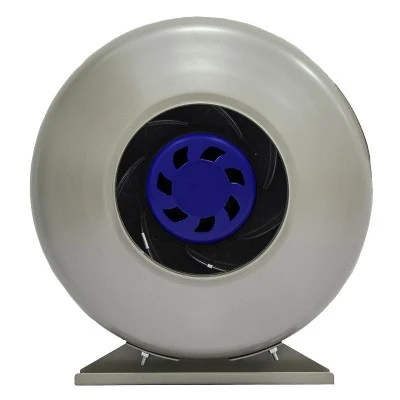
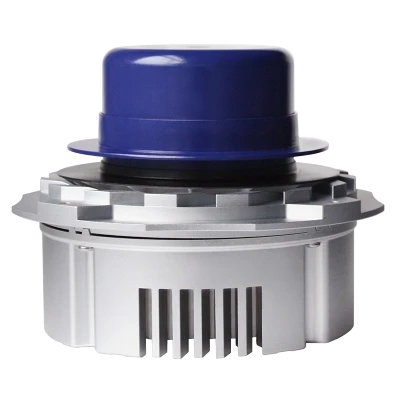
An EC (Electronically Commutated) fan is a type of fan powered by an EC motor. These motors combine the benefits of AC motors and DC motors, integrating a permanent magnet motor with onboard electronics. EC fans are designed for high-efficiency air movement and are commonly used in HVAC, refrigeration, cleanrooms, data centers, and other critical environments.
How Does an EC Fan Work?
The EC motor inside the fan uses a brushless DC motor controlled by a built-in electronic circuit. This electronic controller converts AC input into DC power and adjusts motor speed based on system demands. The result is a highly efficient, variable-speed fan that can respond to real-time conditions-without needing an external VFD (Variable Frequency Drive).
Key Benefits of EC Type Fans
High Energy Efficiency
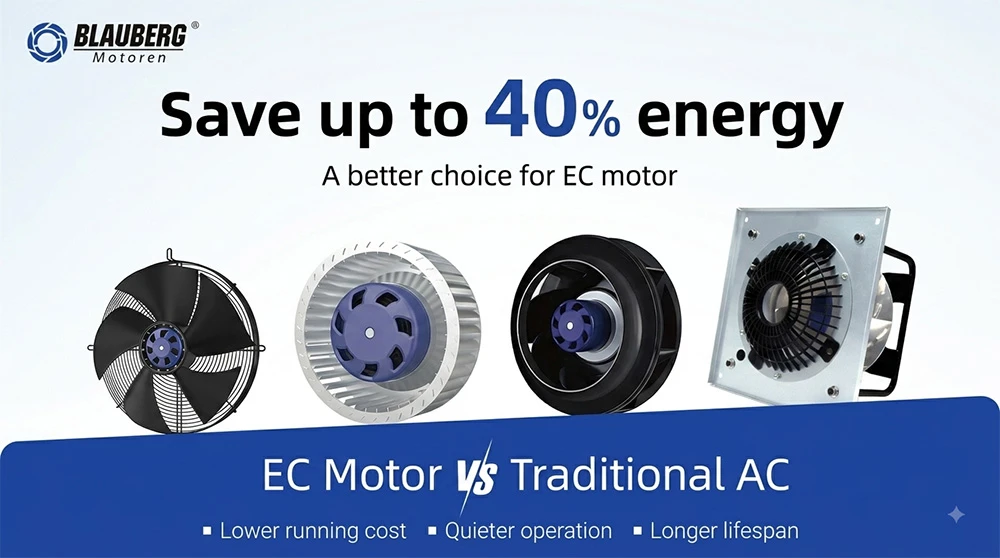
EC fans operate at efficiencies up to 90%, significantly higher than traditional AC fans. This reduces electricity consumption and lowers operating costs.
Variable Speed Control
Thanks to integrated electronics, EC fans can run at any speed without external drives. This feature allows precise control over airflow and pressure based on real-time needs.
Quiet Operation
The smooth and controlled operation of EC motors results in low noise levels, making them ideal for noise-sensitive environments like hospitals, laboratories, and office buildings.
Compact & Maintenance-Free
With fewer moving parts and no brushes to wear out, EC fans are more reliable, compact in design, and virtually maintenance-free.
Compatibility with Smart Systems
EC fans support PWM (Pulse Width Modulation) and 0-10V input signals, enabling them to connect with building management systems (BMS) and IoT platforms for smart ventilation control.
EC Fans vs. Traditional AC Fans
| Feature | EC Fan | Traditional AC Fan |
|---|---|---|
| Efficiency | Up to 90% | 50–70% |
| Speed Control | Built-in | Requires VFD |
| Noise Level | Low | Higher |
| Maintenance | Minimal | Frequent (brushes, belts) |
| Cost (Initial) | Higher | Lower |
| Total Lifecycle Cost | Lower (energy savings) | Higher |
Common Applications of EC Type Fans
Data Centers: Precision cooling with minimal energy waste.
Commercial HVAC Systems: Smart climate control in buildings.
Refrigeration Units: Energy-efficient airflow in cold storage.
Cleanrooms & Labs: Low-noise, high-precision airflow.
Industrial Equipment: Integrated fans in compact electronic systems.
Recommended EC Fan Products
If you're looking to source EC type fans, here are some top-performing models from [Your Company Name or PBM/Blauberg/etc.]:
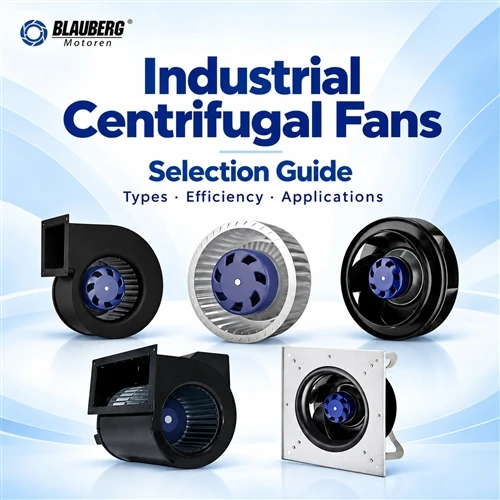
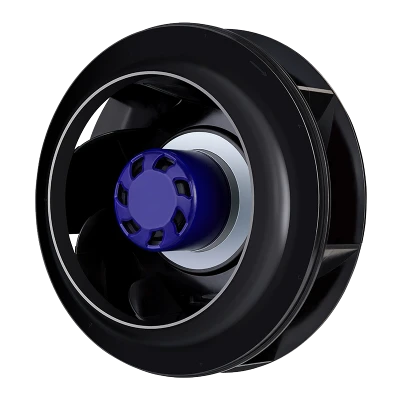
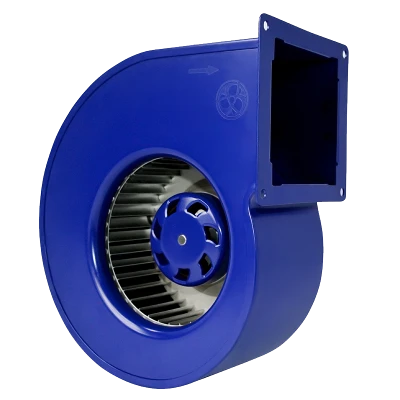
250mm EC Backward Curved Centrifugal Fan – Ideal for high-pressure HVAC applications.
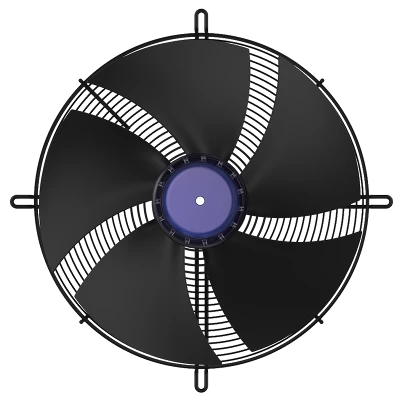
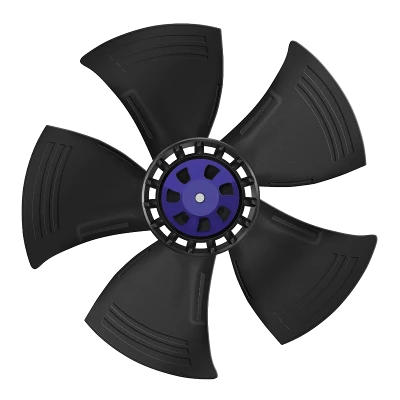
355mm EC External Rotor Fan – High airflow and compact for extruder systems.
190mm Low-Noise EC Fan (IP55 Rated) – Perfect for restaurant exhaust and cold rooms.
225mm EC Cooling Radial Fan – Designed for cold storage and refrigeration.
Conclusion
An EC type fan offers superior performance, energy savings, and smart control capabilities compared to traditional fan types. Whether you're upgrading an existing system or designing a new application, EC fans provide a future-ready solution for modern ventilation needs.
Are you looking for reliable EC fan suppliers? Contact us today for OEM/ODM support, customized solutions, and technical consulting tailored to your application.