Reduced Airflow and Static Pressure
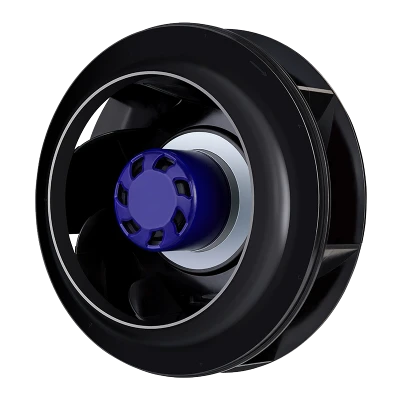
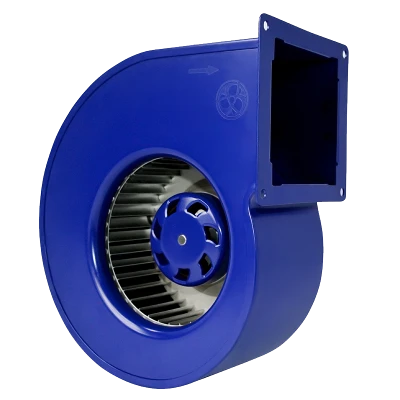
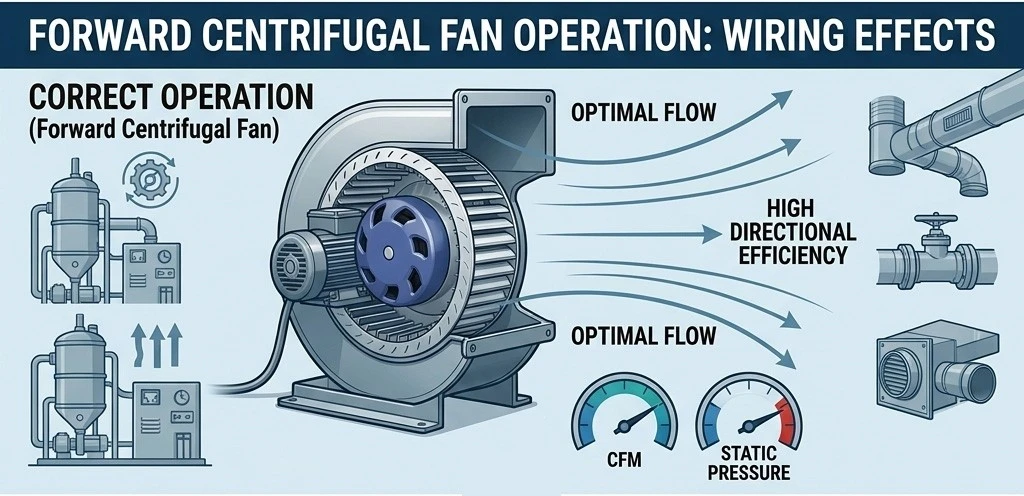
When a centrifugal fan(backward centrifugal fan, forward centrifugal fan) operates in reverse, the airflow direction often remains the same due to the fan's design. However, the volume of air moved and the static pressure generated are significantly reduced. This is because the impeller blades are optimized for a specific rotational direction, and reversing this disrupts the aerodynamic efficiency. In some cases, the fan's performance can drop to as low as 20% of its intended capacity.
Increased Energy Consumption
To compensate for the loss in efficiency, systems may draw significantly more power. For instance, a fan's current draw can escalate from 5 amps to 22 amps to maintain desired airflow when running backwards.
Mechanical Stress and Potential Damage
Operating a fan in reverse can place undue stress on its mechanical components. Impellers threaded onto shafts may unscrew during reverse operation, causing internal damage to the fan casing, bearings, and seals.
Increased Noise and Vibration
Reverse operation can lead to increased turbulence, resulting in higher noise levels and vibration. This not only affects the comfort of the environment but can also accelerate wear on the fan's components.
How to Detect and Prevent Reverse Wiring
Visual Inspection
Most centrifugal fans have directional arrows indicating proper rotation. Ensure the impeller rotates accordingly during installation.
Electrical Testing
In three-phase motor setups, swapping any two power leads can reverse motor rotation. Perform a "bump test"-a quick start and stop-to verify correct rotation before full operation.
Monitoring Performance Metrics
Unusual drops in airflow, increased noise, or higher energy consumption may indicate reverse operation. Regular monitoring can help detect and rectify such issues promptly.
Conclusion
While a centrifugal fan can physically run in reverse, doing so is highly inadvisable due to severe efficiency losses and potential mechanical damage. Ensuring correct rotational direction during installation and maintenance is crucial for optimal performance and longevity of the system.